
Dead sticking fishing is a simple yet powerful method that has helped many anglers catch more fish, especially when other techniques fail. If you have ever found yourself on a quiet lake, struggling to get a bite while others are catching fish, you might have wondered what they are doing differently.
In many cases, the answer is dead sticking. This technique may sound strange at first, but it has a long history and a proven track record for targeting fish that ignore other baits and lures. Whether you are new to fishing or have years of experience, understanding dead sticking can open up new possibilities for your next trip.
What Is Dead Sticking Fishing?
Dead sticking is a fishing technique where you present a bait or lure with little or no movement. Instead of actively retrieving, jigging, or jerking your line, you simply let your bait sit still—often on or near the bottom—and wait for a fish to bite. The idea is to create a natural, non-threatening presentation, mimicking injured or easy prey. Dead sticking is especially effective for species like walleye, bass, trout, and crappie, which sometimes become wary or sluggish, especially in cold or pressured waters.
The key to dead sticking is patience. While other methods involve constant motion and attention, dead sticking requires you to trust in your setup and resist the urge to move your lure. Sometimes, the most tempting target for a fish is the one that doesn’t move at all.
How Dead Sticking Works
When a fish is cautious, aggressive movements can scare it away. By keeping your bait still, you let the natural scent, color, or subtle vibrations of your lure attract fish. Fish often approach slowly, inspecting the bait before committing. If the bait remains motionless, they are more likely to strike.
Dead sticking can be done from a boat, shore, or through the ice. It can use live bait (like minnows or worms), soft plastics, or even certain hard lures. The method works in both freshwater and saltwater environments, but it is most popular in freshwater lakes and rivers.
The History And Evolution Of Dead Sticking
Dead sticking has roots in traditional fishing methods. For centuries, anglers have used still baits to catch wary fish. In modern times, the method gained popularity in the ice fishing community, where fish often slow down in cold water and ignore fast-moving lures.
In the 1980s and 1990s, as tournament fishing grew, more anglers experimented with dead sticking, especially for bass and walleye. They found that, during tough conditions, dead sticking could out-fish more active presentations. Today, it is a staple in both recreational and competitive fishing.
Why Dead Sticking Is Effective
There are several reasons why dead sticking works so well:
- Natural presentation: Fish often see many artificial lures moving unnaturally. A still bait appears more realistic and less suspicious.
- Triggers cautious fish: When fish are pressured or conditions are tough, they become less likely to chase fast-moving targets.
- Takes advantage of fish behavior: Many predatory fish are opportunistic feeders. An unmoving, easy meal is hard to resist.
- Works in all seasons: While dead sticking is famous for winter fishing, it can be effective all year round.
Credit: www.in-fisherman.com
Essential Gear For Dead Sticking
Dead sticking doesn’t require expensive or specialized equipment, but choosing the right gear can improve your results. Let’s look at the main components:
Rods
A sensitive rod is important for detecting subtle bites. Many anglers prefer medium-light to medium rods for dead sticking, as they offer enough backbone for a hookset but enough flexibility to show light nibbles.
Reels
Spinning reels are the most popular choice because of their versatility and smooth drag. Line capacity isn’t as important as smoothness and sensitivity for this method.
Line
Monofilament, fluorocarbon, or braided lines can all work. Fluorocarbon is often favored because it is less visible underwater and has good sensitivity. Typical line strength ranges from 4–10 lb for freshwater dead sticking, depending on the target species.
Hooks
Match your hook size to your bait and target fish. For live bait, use a hook that allows the bait to move naturally. For soft plastics, a wide-gap or offset worm hook works well.
Baits And Lures
Dead sticking can use live bait (minnows, worms, leeches) or artificial lures. Soft plastics that mimic worms, minnows, or grubs are popular. Some anglers use small jigs, tube baits, or even hard baits with floating or suspending actions.
Weights And Rigs
Weights keep your bait in place and help you reach the desired depth. Split shot, egg sinkers, or slip weights are common choices. The rig should allow the bait to rest naturally on or just above the bottom.
Below is a comparison of common line types used in dead sticking:
| Line Type | Visibility | Sensitivity | Stretch | Best for |
|---|---|---|---|---|
| Monofilament | Medium | Medium | High | General use, beginners |
| Fluorocarbon | Low | High | Low | Clear water, wary fish |
| Braid | High | Very High | Very Low | Heavy cover, big fish |
Popular Dead Sticking Rigs
There are several rigs commonly used for dead sticking. The right choice depends on your target fish, water conditions, and the type of bait.
- Carolina rig: A sliding weight above a swivel with a leader and hook. This keeps bait just off the bottom and allows natural movement.
- Drop shot rig: A hook tied above a weight at the end of the line. The bait hovers above the bottom, ideal for finicky fish.
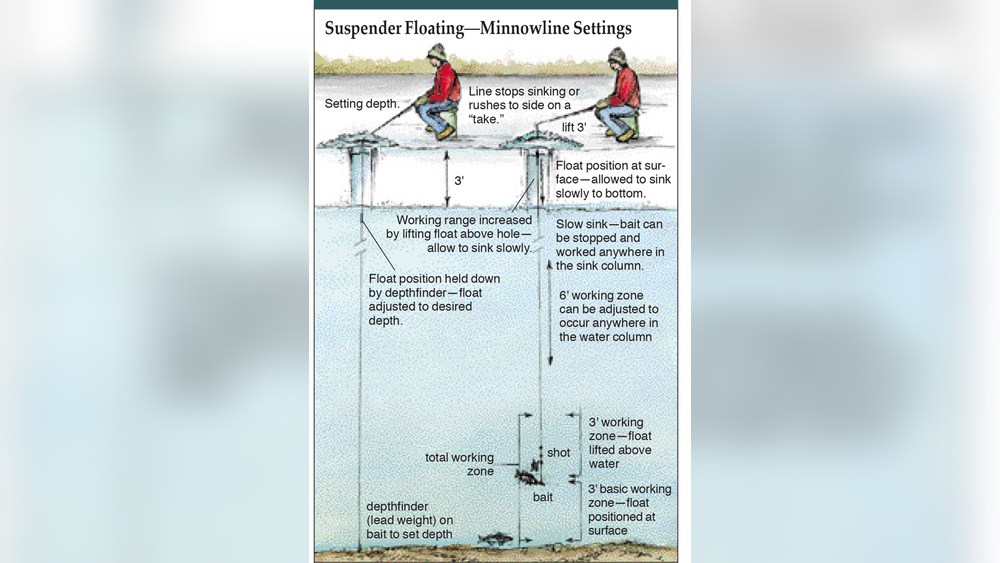
- Slip bobber rig: A float lets you set the bait at a precise depth, keeping it still in the strike zone.
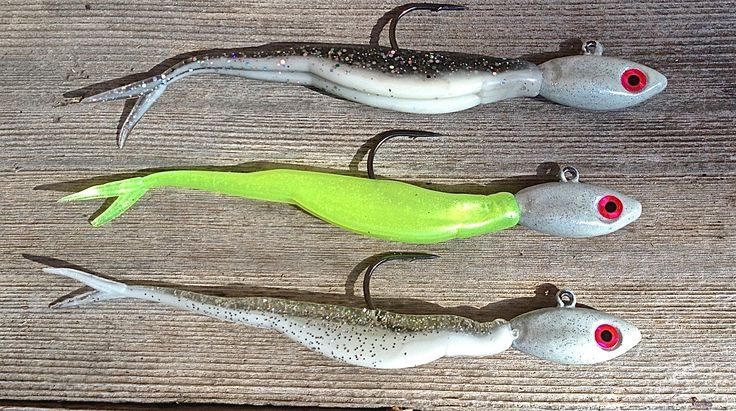
- Jig head: A soft plastic or live bait is threaded onto a weighted hook and left motionless on the bottom.
- Simple split shot rig: A hook and bait with a small weight a foot or two above. This minimalist setup is easy and effective.
Here’s a quick comparison of the most common dead sticking rigs:
| Rig Name | Best For | Water Depth | Key Advantage |
|---|---|---|---|
| Carolina Rig | Bass, walleye | Medium to deep | Natural movement, covers ground |
| Drop Shot | Panfish, bass | Shallow to deep | Precise depth control |
| Slip Bobber | Trout, crappie | Variable | Adjustable depth, visible bites |
| Jig Head | Walleye, perch | Shallow to medium | Simple, direct presentation |
Credit: www.laketexomafishingguides.com
Step-by-step Guide To Dead Sticking
To get started with dead sticking, follow these practical steps:
- Choose your spot: Look for areas where fish are likely to rest or feed—drop-offs, weed edges, points, or structure.
- Set up your rig: Select the appropriate rig and bait for your target species and water conditions.
- Cast or lower your bait: Place your bait where you believe fish are present. For ice fishing, lower it straight down.
- Let the bait settle: Wait for your bait to reach the bottom or desired depth.
- Keep your rod steady: Place your rod in a holder or rest it on your lap. Avoid unnecessary movements.
- Watch for bites: Pay close attention to your line, rod tip, or float. Bites can be very subtle—sometimes just a twitch.
- Set the hook: When you see or feel a bite, respond quickly but smoothly. Avoid hard, fast hooksets unless targeting large, aggressive species.
- Be patient: The biggest challenge is resisting the urge to move your bait. Give the technique time to work.
Example: Dead Sticking For Walleye
Imagine you are fishing for walleye in early spring. The water is cold, and the fish are not chasing fast lures. You set up a Carolina rig with a live minnow and cast near a rocky drop-off. Instead of jigging, you let the minnow sit still.
After 10 minutes, your rod tip twitches, and you gently set the hook—walleye on! This is dead sticking in action.
When And Where To Use Dead Sticking
Dead sticking shines in certain situations:
- Cold water: Fish are less active in winter or early spring and prefer slow or stationary baits.
- High fishing pressure: In popular spots, fish learn to avoid fast-moving lures.
- Tough conditions: When weather changes or after a cold front, fish often become less aggressive.
- Ice fishing: Dead sticking is a top strategy for species like walleye, perch, and crappie under the ice.
Good locations include:
- Drop-offs and ledges
- Weed edges and flats
- Points and underwater humps
- Near sunken trees or brush piles
Tips And Tricks For Better Dead Sticking
Small adjustments can make a big difference with dead sticking. Here are some practical tips:
- Use scent: Add a small amount of fish attractant or use naturally scented baits. This helps fish locate your bait when there is no movement.
- Adjust your leader length: Sometimes a longer leader helps your bait move more naturally with water currents.
- Watch your line: Use a brightly colored line or attach a small indicator to spot subtle bites.
- Try different depths: If you don’t get bites, move your bait higher or lower in the water column.
- Change bait size: Sometimes switching to a smaller or larger bait triggers more bites.
- Double rod setup: In some places, you can use two rods—one for dead sticking, another for active jigging. This lets you compare results.
- Stay quiet: Fish are sensitive to noise and vibration, especially in shallow water or through the ice.
- Check your bait often: Make sure your bait is still lively (if using live bait) or hasn’t been nibbled off.
Common Mistakes To Avoid
Many beginners make these errors when dead sticking:
- Moving the bait too much: Even a small twitch can spook cautious fish.
- Using too heavy a weight: Overweighting your rig can make the bait look unnatural.
- Ignoring subtle bites: Not every bite is a strong pull; watch for slight movements.
- Getting impatient: Dead sticking works best when you give it time.
Species That Respond Well To Dead Sticking
Certain species are especially vulnerable to dead sticking. Here are some common targets:
- Walleye: Probably the most famous species for dead sticking, especially in winter and early spring.
- Bass: Both largemouth and smallmouth bass can be caught using dead stick techniques, particularly in cold or clear water.
- Crappie and panfish: These fish often take a still bait over a moving one.
- Trout: Especially in lakes or during ice fishing, dead sticking can be highly effective.
- Catfish: Stationary baits on the bottom are a classic catfish method.
- Perch: Both yellow and white perch often respond to dead stick presentations.
Comparing Dead Sticking With Other Techniques
Dead sticking is not the only way to catch fish, but it has unique strengths and weaknesses. Here’s how it compares to other popular methods:
| Technique | Action | Best Use | Downside |
|---|---|---|---|
| Dead Sticking | No movement | Wary or inactive fish | Requires patience, slow |
| Jigging | Active up/down motion | Active or aggressive fish | Can spook cautious fish |
| Dragging | Slow retrieve along bottom | Covering ground, searching | Less precise, can snag |
| Casting/Cranking | Steady retrieve | Covering water, reaction bites | Less effective in cold water |
Dead Sticking For Ice Fishing
Dead sticking is a top method for ice anglers. Under the ice, fish are often lethargic and ignore moving lures. By dropping a baited hook and letting it sit still, you can attract walleye, perch, trout, or crappie.
Tips for ice dead sticking:
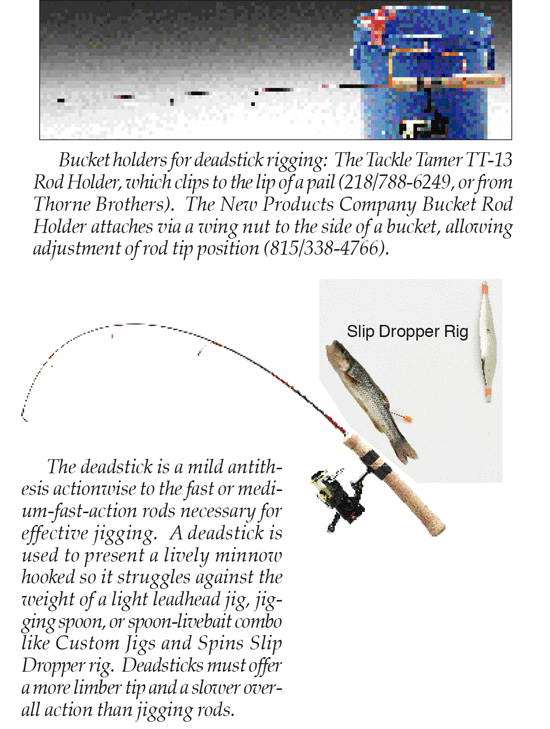
- Use a rod holder or a bucket to keep your rod steady.
- Place your bait a few inches above the bottom.
- Use lively minnows or scented soft plastics.
- Combine with an active jigging rod to draw fish in, then let them settle on the dead stick presentation.
Many ice anglers believe that the biggest fish in a school are often caught on the dead stick rod. This is because larger fish are smarter and more cautious—they want an easy meal with no risk.

Credit: virtualangling.com
Advanced Insights: What Most Anglers Miss
Even experienced anglers sometimes overlook these key points:
- Water temperature changes everything: In cold water, fish metabolism slows. Dead sticking shines here, but in warm water, you may need to add occasional small twitches.
- Subtle current matters: Even a small lake or river current can move your bait slightly, making it more natural. Experiment with placing your bait in different positions relative to the current.
- Line angle is critical: A vertical line (straight down) presents bait differently than a line at an angle (from shore or a boat anchor). Sometimes, a slight angle can make the bait look more natural.
If you remember these advanced tips, your dead sticking results will improve dramatically.
Environmental And Ethical Considerations
Responsible anglers always think about the impact of their methods. When dead sticking:
- Use circle hooks if possible to reduce deep hooking and make catch-and-release easier.
- Don’t leave rods unattended for long periods—this can lead to deeply hooked or lost fish.
- Dispose of used bait and line properly to protect water quality and wildlife.
- Follow all local regulations regarding bait use, seasons, and rod limits.
For more about ethical fishing practices, check out the resources at Take Me Fishing.
Frequently Asked Questions
What Is The Main Advantage Of Dead Sticking Over Active Fishing Methods?
The main advantage is its natural presentation. Dead sticking mimics an easy meal and often catches fish that ignore moving lures, especially in tough conditions or when fish are inactive.
Can I Dead Stick With Artificial Lures, Or Do I Need Live Bait?
Both work well. Many anglers have success with soft plastics, especially scented ones. Live bait (minnows, worms) can be even more effective, but artificial lures are often easier to use and maintain.
How Long Should I Leave My Bait Still When Dead Sticking?
There is no set rule. Sometimes fish bite within a minute, other times it takes 10–15 minutes or more. If you don’t get bites after 20–30 minutes, try moving to a new spot or changing bait.
Is Dead Sticking Only For Ice Fishing?
No. While dead sticking is very popular in ice fishing, it works in open water too. It is useful from shore, from a boat, or through the ice—anywhere fish might prefer a stationary bait.
What Is The Best Bait For Dead Sticking?
The best bait depends on your target species and location. For walleye, live minnows or soft plastic minnows are favorites. For trout, dough baits or worms work well. Always match your bait to the fish you want to catch and the conditions.
Dead sticking is a timeless fishing method that rewards patience, observation, and a willingness to trust in your setup. Whether you’re fishing through the ice or on a quiet summer lake, mastering dead sticking can help you catch fish when nothing else works.
Give it a try, and you may be surprised by how effective this “do nothing” technique can be.