
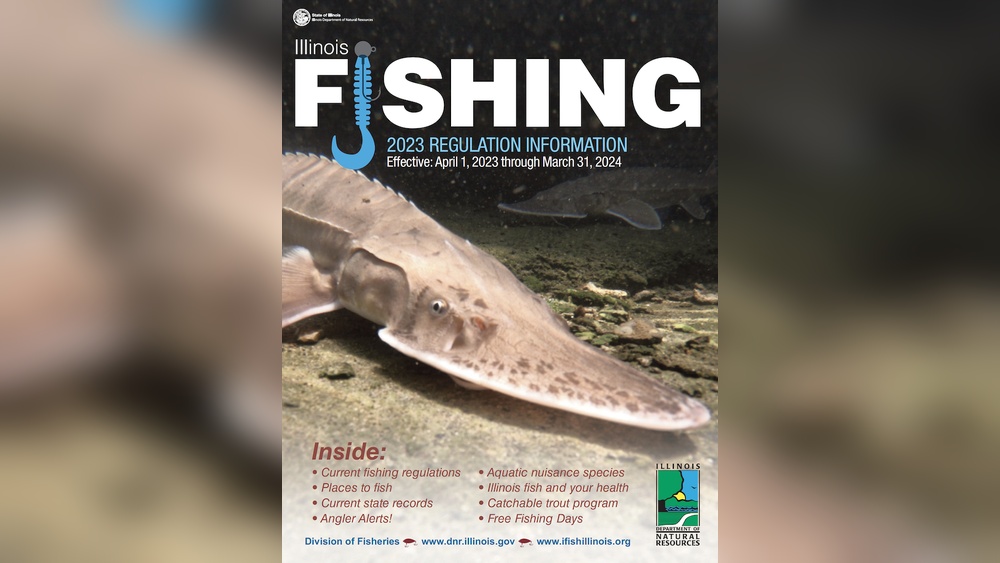
When you think of fishing in Illinois, you might imagine peaceful lakes, winding rivers, and lively parks filled with anglers. But before you grab your rod and tackle box, it’s important to know exactly when fishing season starts in Illinois. The state’s fishing calendar is not as simple as a single start date for every waterbody or fish species. Regulations, weather, and even the fish themselves all play a role. If you want to plan your trips, follow the rules, and catch more fish, understanding the Illinois fishing season is a must.
Let’s break down how fishing seasons work in Illinois, what dates to remember, and what you need to know before heading out to your favorite spot. Whether you’re a new angler or a seasoned pro, this guide will help you get the most out of every fishing season in Illinois.
How Illinois Defines Its Fishing Season
Illinois is a diverse state for fishing, with more than 2,900 lakes, 84,000 ponds, and 84,000 miles of river and stream shoreline. The Illinois Department of Natural Resources (IDNR) manages fishing seasons to protect fish populations and ensure a good experience for everyone.
Unlike some northern states, most Illinois waters are open to fishing all year. However, there are important exceptions. Some lakes, rivers, and parks have closed seasons for certain fish species. This is often to protect the fish during spawning (breeding) times or to help manage fish populations.
Year-round Fishing Vs. Seasonal Closures
For many anglers, the good news is you can fish most species in Illinois at any time of year. But, if you want to catch specific fish like trout or participate in special fishing events, you’ll need to pay attention to the official season dates.
- General fishing: Open year-round for most species in most public waters.
- Trout fishing: Has specific spring and fall seasons.
- Certain rivers/lakes: May have seasonal closures for fish like walleye, muskie, or paddlefish.
- Private lakes and ponds: Owners may set their own rules.
Knowing where and what you want to fish for is the first step in finding the right season.
Key Fishing Season Dates In Illinois
Illinois fishing seasons are set by the IDNR and can change from year to year. Some are based on the calendar, while others depend on water temperature or local conditions. Below are the main fishing seasons and their general dates.
Spring Trout Season
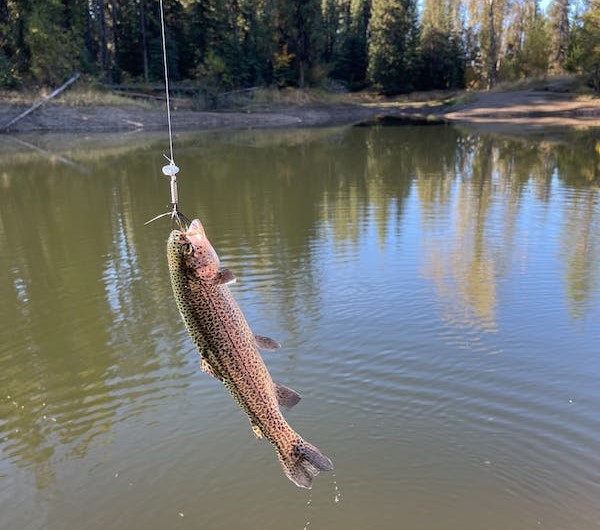
The spring inland trout season is one of the most popular fishing events in Illinois. It usually starts on the first Saturday in April. However, these dates can change if the weather is unusually cold or if ice remains on the lakes.
- 2024 Spring Trout Season: Opens April 6
- Catch-and-release only period: Begins two weeks before opening day at select locations
Hundreds of thousands of rainbow trout are stocked in lakes and ponds across the state before the season starts. During the catch-and-release period, you can practice fishing but must return all trout to the water until the official opener.
Fall Trout Season
The fall inland trout season typically starts in the third week of October. In 2024, it will open on October 19. Like the spring season, some waters offer a catch-and-release period before the opener.
Trout fishing is only allowed at specific stocked sites, and you must have an inland trout stamp in addition to your fishing license.
Special Species Seasons
While most fish have no closed season, some exceptions include:
- Paddlefish: Closed season from June 1 to October 31 in the Mississippi and Ohio Rivers
- Muskellunge (Muskie): Some lakes have specific open/closed seasons—always check local site regulations
- Walleye/Sauger: Closures during spawning runs on rivers like the Fox, Kankakee, and Illinois Rivers (usually March–April)
- Lake Sturgeon: Protected species—no harvest allowed; if caught, must be released
Urban Fishing Program
Cities like Chicago, Rockford, and Peoria have special Urban Fishing Program lakes. These are open for year-round fishing, but trout seasons follow the same spring and fall dates. Some urban lakes also have family fishing events with temporary closures before or after.
Site-specific Closures
Some parks and lakes may temporarily close for fish stocking, maintenance, or habitat projects. Always check with the local site before planning your trip.
Credit: muddyriversports.com
Illinois Fishing License And Permit Requirements
Before you fish in Illinois, you must have a valid fishing license if you are 16 years or older. There are some exceptions, such as Free Fishing Days, but most anglers need a license for the full season.
Types Of Licenses
- Annual resident license: For Illinois residents, valid from April 1 to March 31 of the next year
- Annual non-resident license: For visitors, same validity as resident license
- Short-term licenses: 24-hour and 3-day options for residents and non-residents
- Youth license: Not required for anglers under 16
- Seniors, veterans, and disabled: Discounted or free licenses available
Special Stamps And Permits
Some fish require extra stamps:
- Inland trout stamp: Required for anyone catching or keeping trout, even during catch-and-release periods
- Lake Michigan salmon/trout stamp: Required for fishing Lake Michigan for these species
For certain species (like paddlefish or sturgeon), special permits or tags may be needed. Always check the current year’s IDNR regulations.
Fishing By Region: Northern, Central, And Southern Illinois
Illinois stretches from the Wisconsin border to the southern tip near Kentucky. The fishing season can feel different in each region due to climate, water types, and local rules.
Northern Illinois
Lakes may freeze in winter, and the ice fishing season usually runs from late December to early March. Some northern rivers close to protect spawning fish. The spring trout opener is a major event here, especially in the Chicago suburbs.
Central Illinois
Central Illinois has a longer open-water season. Popular species include bass, catfish, and crappie. Trout fishing follows state dates. Reservoirs like Lake Shelbyville may have unique regulations for walleye and muskie.
Southern Illinois
The southern region rarely has ice, so fishing is possible almost all winter. Crappie fishing peaks in early spring, and catfish are active much of the year. Pay attention to paddlefish and sturgeon regulations on the Mississippi and Ohio Rivers.
Catch Limits And Regulations
Knowing when the season starts is just the first step. Each species has its own daily catch limits and size limits. These rules help protect fish populations and make sure everyone has a fair chance.
Common Catch Limits
Here are some typical limits for popular species (always check current rules):
- Largemouth/Smallmouth Bass: 6 per day, 14-inch minimum on most lakes
- Channel Catfish: 6 per day, no size limit in most places
- Crappie: 15 per day, 9-inch minimum on many lakes
- Bluegill/Sunfish: 25 per day, no size limit
- Walleye/Sauger: 6 per day, 14–18 inch minimum depending on waterbody
Special Regulations
Some waters have site-specific rules that are stricter than state limits. For example:
- Certain lakes may have “catch-and-release only” bass fishing for part of the year.
- Some rivers have closed areas during fish spawning runs.
- Urban lakes may limit the number of fish you can keep during special events.
Always read the Illinois Fishing Information Guide or check posted signs at each site.
Popular Fishing Events And Openers
Fishing season in Illinois is more than just dates—it’s also about community and tradition. Several annual events mark the start of fishing for different species.
Spring Trout Opener
On opening day, anglers line up at stocked ponds and lakes across Illinois. It’s often a social event with families, friends, and children all hoping for their first trout of the year. Some parks host contests or clinics.
Free Fishing Days
Each June, Illinois hosts a Free Fishing Days weekend. During these days, anyone can fish without a license. This is a great time to try fishing or bring new people to the sport. In 2024, Free Fishing Days are set for June 14–17.
Family Fishing Fairs
Many state parks and urban lakes host family-friendly events to teach fishing basics. These may include casting lessons, tackle giveaways, and fishing derbies. Some events are held on opening weekends for trout or during Free Fishing Days.
Tournament Season
Competitive anglers look forward to spring and summer tournaments for bass, walleye, and catfish. Most tournaments follow the regular season but may have extra rules or permit requirements.
Weather And Water Conditions
Illinois weather is unpredictable, and fishing seasons can be affected by temperature, rain, or flooding. For example, a cold spring may delay trout stocking or ice-out on northern lakes. High river levels can change fish behavior or access to certain areas.
Ice Fishing
Ice fishing is popular in northern and central Illinois. The season depends on safe ice, usually from late December through early March. Always check ice thickness and local rules—some lakes have special ice fishing hours or shelters.
Flooding And Closures
Heavy rains may cause temporary fishing closures, especially on rivers. The IDNR will post notices about unsafe conditions or site closures. Always check the latest updates before heading out.
Comparing Fishing Seasons By Species And Area
To help you plan, here’s a quick comparison of when you can fish for common species in Illinois, and how seasons differ by region.
| Species | Season Start | Region Notes |
|---|---|---|
| Trout (Spring) | First Saturday in April | Statewide, stocked locations only |
| Trout (Fall) | Third Saturday in October | Statewide, stocked locations only |
| Bass | Year-round (most waters) | Some lakes have spring closures |
| Catfish | Year-round | Active early spring to fall |
| Paddlefish | November 1 | Mississippi/Ohio Rivers; closed June–Oct |
| Walleye/Sauger | Year-round (most waters) | Some rivers close March–April |
| Crappie | Year-round | Peak in spring |
| Muskie | Year-round (most waters) | Check lake-specific rules |

Credit: fishingbooker.com
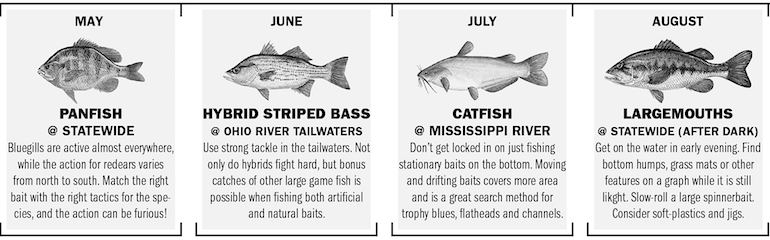
Fishing Opportunities By Month
Fishing doesn’t stop when the season opens. Each month brings different opportunities. Here’s a look at what to expect through the year.
| Month | Fishing Highlights |
|---|---|
| January–February | Ice fishing for bluegill, perch, northern pike (north/central) |
| March | Early crappie, walleye runs begin, ice-out trout stocking |
| April | Spring trout opener, bass and crappie active |
| May–June | Bass, bluegill, catfish, and walleye peak; Free Fishing Days |
| July–August | Night fishing for catfish, summer bass, urban lakes stocked |
| September | Cooling temps, good for crappie and bass |
| October | Fall trout opener, muskie active |
| November–December | Late fall bass, walleye, and early ice fishing |
Practical Tips For Illinois Fishing Season
To get the best experience when fishing in Illinois, keep these practical tips in mind:
- Check regulations every year. The IDNR updates rules and dates annually, so don’t rely on old information.
- Buy your license early. Licenses are valid from April 1, so get yours before your first trip.
- Scout your fishing spots. Some lakes close for stocking, so check with site managers or online updates.
- Watch for weather. Sudden cold, flooding, or heat can change fish behavior and access.
- Respect site rules. Each park or waterbody may have special hours, limits, or closures.
- Practice catch and release when possible, especially during spawning seasons, to help fish populations.
- Bring the right gear. Trout and panfish often require lighter tackle; catfish and bass need stronger rods.
- Join local clubs or events for up-to-date advice and to meet other anglers.
- Don’t forget safety. Wear life jackets, especially on rivers or when ice fishing.
- Use online resources. The official IFishIllinois website offers maps, updates, and tips.
Non-obvious Insights For Illinois Anglers
- Urban fishing opportunities are often overlooked. Many city parks are stocked and offer easy access, especially for beginners or families.
- Early and late season fishing can be productive. Cold water species like trout, walleye, and muskie are often more active in spring and fall, when fewer anglers are on the water.
Credit: www.gameandfishmag.com
Common Mistakes To Avoid
- Assuming all waters are open year-round. Some lakes and rivers have special closures—always check before you go.
- Fishing without the correct stamp. The trout stamp is required even during catch-and-release periods.
- Ignoring posted signs. Site-specific rules can change quickly for conservation.
- Fishing during stocking. Some lakes close temporarily right after fish are stocked to give them time to adjust.
- Not renewing your license. Fishing with an expired license can lead to fines.
Where To Find Official Information
The best source for current fishing seasons and regulations is the Illinois Department of Natural Resources (IDNR). Their website and the annual Illinois Fishing Information Guide have all the latest rules, season dates, and site-specific updates. Local bait shops and park offices can also help.
For those who want more details, the IFishIllinois website has daily reports, maps, and news about Illinois fishing.
Frequently Asked Questions
When Does The Fishing Season Officially Start In Illinois?
For most species and public waters, fishing is open year-round. The main exceptions are the spring and fall trout seasons, which start on the first Saturday in April and the third Saturday in October, respectively. Some rivers and lakes also have closures for certain species during spawning periods.
Do I Need A Fishing License To Fish In Illinois?
Yes, anyone 16 years or older must have a valid Illinois fishing license except during Free Fishing Days. Special stamps are needed for trout and for salmon/trout on Lake Michigan. Youth under 16 do not need a license.
Are There Any Free Fishing Days In Illinois?
Yes, Illinois offers Free Fishing Days each June. In 2024, these are June 14–17. During these days, anyone can fish without a license, making it a great time to introduce new people to fishing.
Where Can I Find The Most Up-to-date Fishing Regulations?
The best source is the Illinois Department of Natural Resources (IDNR) website and the annual Illinois Fishing Information Guide. Local site offices and the IFishIllinois website also have current updates.
What Happens If I Fish Out Of Season Or Break The Rules?
Fishing out of season, exceeding catch limits, or not having the right license or stamp can result in fines, loss of fishing privileges, or even confiscation of equipment. Always check the latest regulations to avoid problems.
Fishing in Illinois is full of opportunity, from spring trout to summer bass and fall muskie. With so many places to fish and a long open season, you can enjoy the sport almost any time of year. Plan ahead, follow the rules, and you’ll have a great time exploring the waters of Illinois.