Fishing is more than just casting a line into the water and waiting for a bite. Every small detail matters, and few things are as important as the condition of your fishing line. Many anglers, especially beginners, often overlook this key part of their gear. A weak or old line can turn a great day on the water into a frustrating one, losing you the catch of a lifetime. So, how often should you replace fishing line? The answer is not as simple as a set number of days or months. It depends on many factors—line type, usage, water conditions, and even how you store your reels. Let’s dive deep into what really matters and help you avoid those heartbreaking line breaks.
Why Replacing Fishing Line Matters
Fishing line is the crucial link between you and the fish. Over time, it experiences wear and tear, becoming weaker and more prone to breaking. Old line is more likely to snap under pressure, lose sensitivity, and even tangle more often.
This doesn’t just cause lost fish; it can also lead to lost lures or even damage to your reel.
There are three main types of fishing line: monofilament, fluorocarbon, and braided. Each comes with its own strengths and weaknesses, and the frequency of replacement depends heavily on which you use. Ignoring line maintenance because “it still looks okay” is a common mistake. Most line damage is invisible to the naked eye.
Main Types Of Fishing Line And Their Lifespan
Understanding your line type is the first step to knowing when to replace it. Each type ages differently and has unique vulnerabilities.
| Line Type | Average Lifespan (Active Use) | Average Lifespan (Stored Properly) | Main Weakness |
|---|---|---|---|
| Monofilament | 3-6 months | 1-2 years | UV and water absorption |
| Fluorocarbon | 6-12 months | 2-3 years | Coil memory and abrasion |
| Braided | 12-24 months | 3-5 years | Knot slippage and fraying |
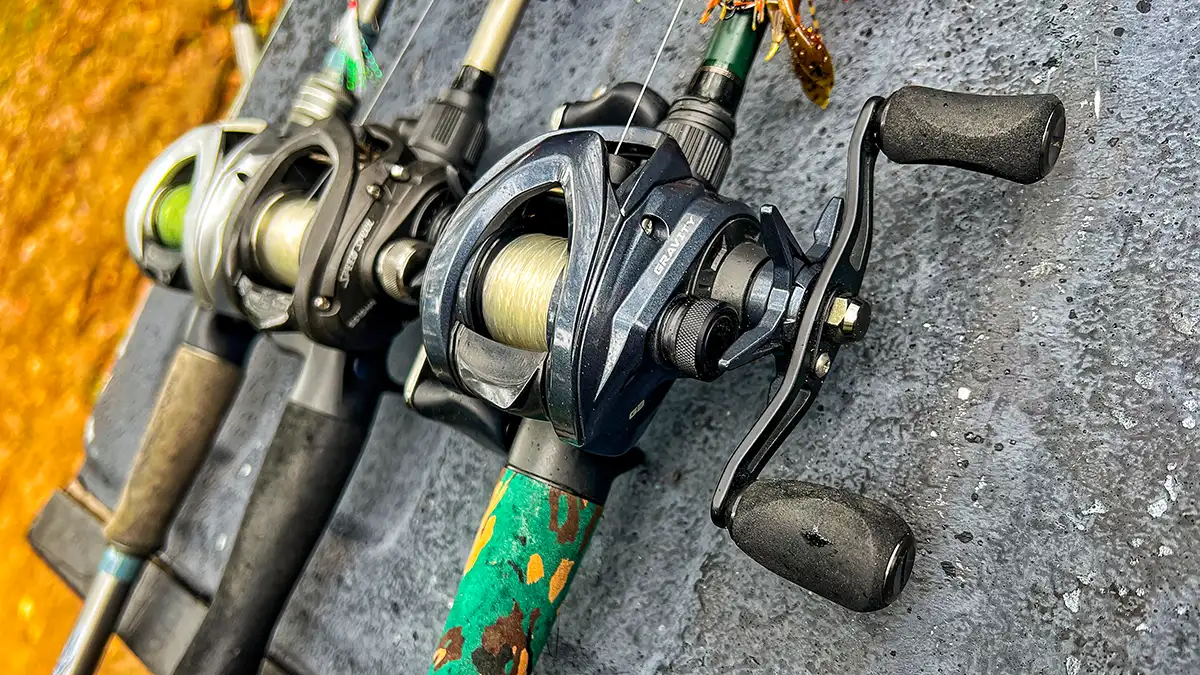
Monofilament lines are popular for their stretch and affordability, but they break down quickly in sunlight and water. Fluorocarbon lasts longer and resists UV damage better but can develop coil memory, making it hard to cast. Braided lines are the most durable but can fray or lose color, and knots may slip if not tied correctly.
Credit: www.wired2fish.com
Factors That Affect How Often You Should Replace Fishing Line
No one schedule fits all. The real answer depends on how, where, and how often you fish.
1. Frequency Of Use
If you fish every weekend, your line will age faster than someone who fishes once a month. Frequent casting, reeling, and fighting fish all stress the line. For example, tournament anglers often change line after every trip, while casual fishers might only need to replace it a few times a year.
2. Water And Weather Conditions
Sunlight, especially UV rays, weakens most fishing lines. Saltwater is harsher on line than freshwater, causing faster degradation. Hot, humid climates can shorten line life, while cold storage slows aging. If you fish in rough, rocky areas, expect to replace your line more often.
3. Line Capacity And Size
Thinner lines are more sensitive but also wear out faster. Heavier lines have more material and are usually more robust. For example, a 4-pound test monofilament will degrade faster under stress than a 20-pound test.
4. Storage Habits
Leaving your reel in the sun or a hot car can quickly ruin your line. Proper storage—away from heat, light, and moisture—can double or even triple your line’s lifespan.
5. Target Species And Fishing Techniques
If you chase big, powerful fish or fish in snaggy, abrasive environments, your line takes more damage. Heavy casting, trolling, and repeated knot tying also add stress.
Signs Your Fishing Line Needs Replacing
Don’t just rely on the calendar. Always inspect your line for:
- Nicks and abrasions: Run your fingers along the line. If it feels rough, replace it.
- Discoloration: Faded or chalky-looking line is often weakened.
- Memory and coiling: If the line stays curled or loops, it’s time for a change.
- Reduced strength: Old line breaks easily during knot tying or when landing fish.
- Fraying: Especially common with braided line.
Many anglers miss the importance of subtle changes. Even a tiny nick can reduce line strength by 50% or more.
Credit: www.saltwatersportsman.com
How Often To Replace Each Type Of Fishing Line
Let’s break it down with practical guidance for each major line type.
Monofilament Line
Monofilament is the most commonly used line for beginners. It’s cheap and easy to tie knots with. However, it absorbs water, stretches, and is weakened by sunlight.
- Frequent anglers: Replace every 3-6 months.
- Occasional anglers: Replace every 6-12 months.
- If stored: Change at least once a year, even if unused.
A helpful tip: If you notice the line is losing its clear color or feels stiff, change it sooner. Don’t wait for a break to happen.
Fluorocarbon Line
Fluorocarbon is nearly invisible underwater and resists UV better than mono. It is more rigid, which can lead to memory problems—curled or coiled line that’s hard to manage.
- Frequent anglers: Replace every 6-12 months.
- Occasional anglers: Once a year is usually enough.
- If used as leader material: Check and replace more often, as leaders take more abuse.
Fluorocarbon lasts longer in storage, but always check for coiling and brittleness before use.
Braided Line
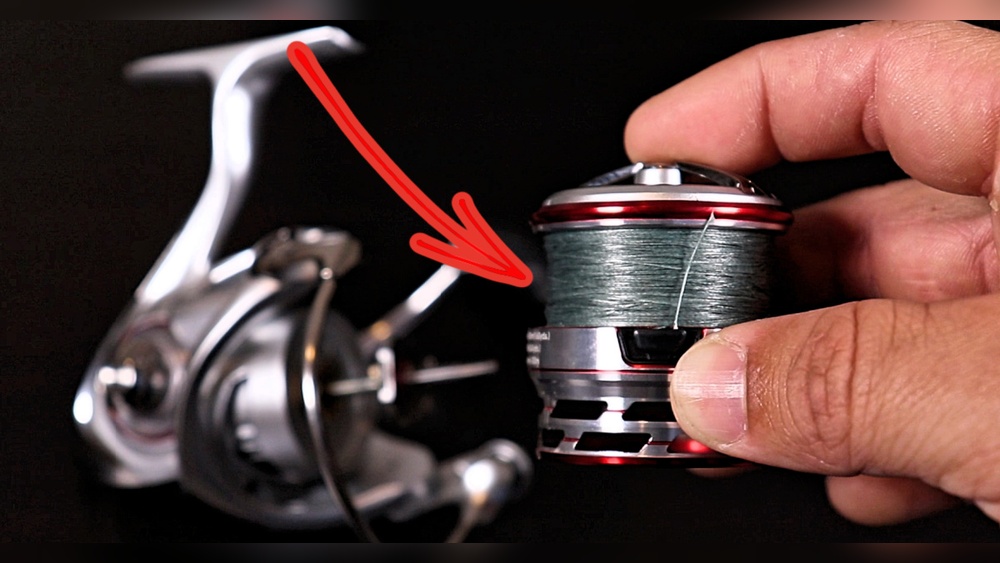
Braided line is strong, thin, and offers great sensitivity. It lasts longer than other types, but it can fray or lose color over time.
- Frequent anglers: Replace every 12-24 months.
- Occasional anglers: Every 2-3 years, but check for fraying.
- For heavy use (saltwater or big fish): Inspect more often, especially for surface wear.
A not-so-obvious insight: Braided line can look fine but still have internal damage, especially if you fish around rocks or heavy cover. Always check the first 20-30 feet for wear.
Special Cases: When To Replace Immediately
Sometimes you should replace your line even if it hasn’t reached its “average lifespan. ”
- After a big fish or snag: If the line was stretched to its limit, it may be weakened.
- If you notice sudden loss of casting distance or accuracy.
- After heavy abrasion: Fishing over rocks, docks, or submerged trees can quickly damage line.
- After long saltwater trips: Salt can damage even the toughest lines.
- When switching techniques: If you move from light to heavy fishing (or vice versa), use new line that matches the method.
Real-world Examples
Let’s look at a few scenarios to put these ideas into practice.
Case 1: John fishes with monofilament every weekend for bass in a lake. He stores his rod in his garage, out of sunlight. He should change his line at least every 4 months, or sooner if he notices any roughness.
Case 2: Maria only fishes twice each summer, using braided line for pike. She stores her gear indoors. Her line might last up to 3 years, but she still inspects it for frays each season.
Case 3: Dave uses fluorocarbon as a leader for saltwater fishing. He checks the leader after every big fish and replaces it every few trips, even though his main line lasts a year.
How To Properly Replace Your Fishing Line
Changing fishing line isn’t difficult, but doing it right matters.
- Remove old line: Cut and discard responsibly. Never leave used line in nature—it’s harmful to wildlife.
- Clean the spool: Wipe away dirt or salt.
- Attach new line securely: Tie the new line with an arbor knot.
- Fill the spool correctly: Don’t overfill; leave 1/8 inch from the rim.
- Check for twists: Spool under tension to avoid line twist.
Pro tip: When using braided line, consider adding a few yards of monofilament backing to prevent slipping on the spool.
How To Inspect Your Line Like A Pro
Many beginners skip this step. A quick visual check is not enough. Use these methods:
- Feel test: Run your fingertips down the first 10-20 feet, checking for cuts or roughness.
- Knot test: Tie a knot and pull hard. If it slips or breaks, the line is bad.
- Water test: Wet the line and gently stretch it. If it feels rubbery or overly stretchy (for mono), it’s time to replace.
How Proper Storage Extends Line Life
Storage is often overlooked but can double your line’s lifespan.
| Storage Location | Effect on Line | Recommended? |
|---|---|---|
| Hot car trunk | Quickly weakens line | No |
| Direct sunlight | Degrades mono and fluoro | No |
| Cool, dark closet | Preserves line strength | Yes |
| Garage (seasonal temp swings) | Moderate degradation | Okay with caution |
| Original packaging | Best for unused spools | Yes |
Keep lines dry, away from chemicals, and in their original packaging when possible.
Environmental Impact Of Old Fishing Line
Used fishing line is a major problem for wildlife. Discarded line can entangle fish, birds, and other animals. Always cut old line into short pieces and dispose of it in proper waste containers. Some tackle shops even offer recycling bins.
Common Myths About Fishing Line Replacement
Many anglers believe that “if the line isn’t broken, it’s still good. ” But most line damage is invisible. Others think braided line never needs replacing—it does, especially after heavy use. Some reuse old line by flipping it on the spool.
This only works if the inner line is truly untouched, which is rare.
Comparing Cost Vs. Risk
Some anglers try to save money by stretching line usage. But losing a fish—or expensive tackle—to a broken line can cost much more.
| Scenario | Cost of Line Change | Potential Loss If Not Changed |
|---|---|---|
| Monofilament (100 yards) | $3-6 | Lure/fish: $10-100+ |
| Braided (150 yards) | $15-25 | Big fish/trophy: Priceless |
| Fluorocarbon leader | $2-5 | Multiple lures/fish: $20+ |
Investing a few dollars in new line is cheap insurance.
Advanced Tips For Serious Anglers
- Rotate your reels: Have more than one setup to spread out line wear.
- Top-shot method: Replace only the first 50-100 yards of line, leaving the rest as backing.
- Color coding: Use different color lines for different rods to keep track of age.
- Keep a log: Write the date you spool new line on the reel foot with a marker.
- Use line conditioners: For monofilament and fluorocarbon, these sprays can reduce memory and extend life.
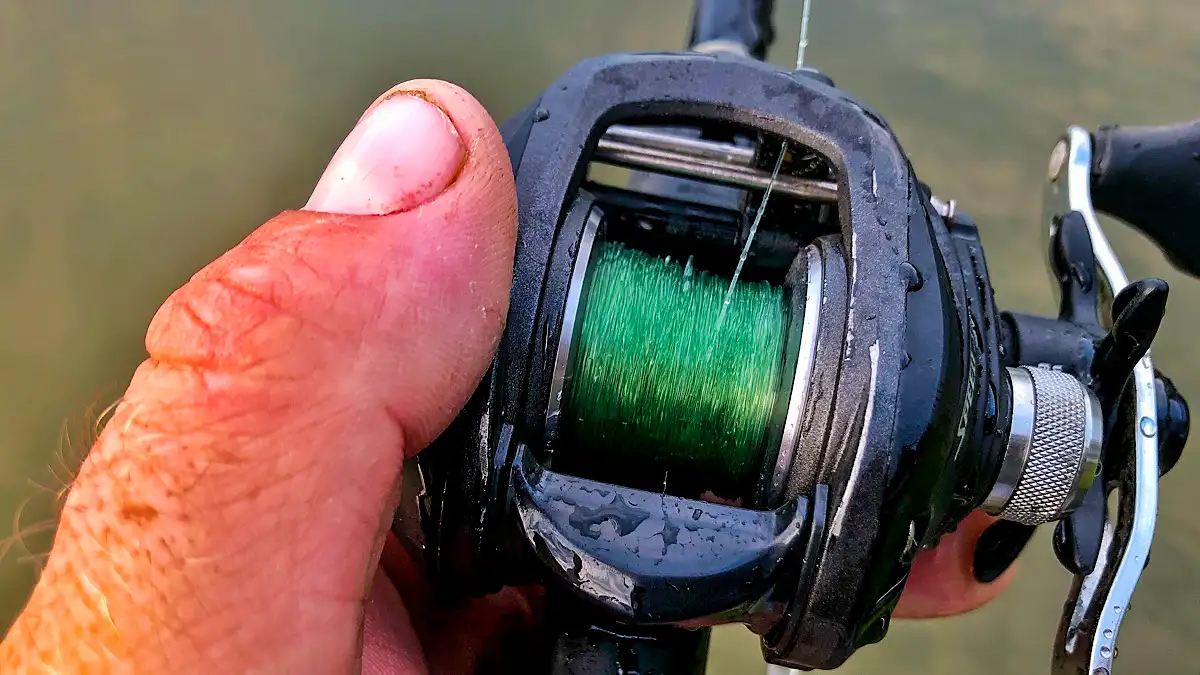
Credit: www.wired2fish.com
When In Doubt, Change It Out
If you’re unsure about your line’s age or condition, it’s safer to replace it. The cost is low compared to the disappointment of losing a fish—or worse, leaving broken line in the water.
Recommended Resources
For more in-depth information on fishing line maintenance and responsible angling, visit this helpful guide from TakeMeFishing.org.
Frequently Asked Questions
How Can I Tell If My Fishing Line Is Bad Without Seeing Any Damage?
Even if your line looks fine, it can lose strength due to UV, water absorption, or age. The best way is to perform a feel test for rough spots and a knot test for breakage. If in doubt, replace it.
Does Braided Fishing Line Really Last Forever?
No line lasts forever. Braided line lasts longer than others, but it still frays, loses color, and can break after heavy use or abrasion. Always inspect and replace as needed.
Should I Replace The Entire Spool Or Just The First Part Of The Line?
If only the first 50-100 feet show wear, you can replace just that section (called a top-shot). However, if the line is old or you’re unsure, changing the whole spool is safer.
What Is The Best Way To Store Unused Fishing Line?
Keep new line in its original packaging, stored in a cool, dry, and dark place. Avoid sunlight, heat, and moisture, which can weaken the material even if unused.
Is It Safe To Use Cheap Fishing Line Brands?
Cheap lines may save money, but they often have inconsistent quality and break more easily. Investing in a trusted brand pays off in reliability and peace of mind.
Taking care of your fishing line is one of the simplest ways to improve your success and enjoyment on the water. With a little attention and regular replacement, you’ll avoid frustrating breaks and keep your gear in top shape. The fish won’t know what hit them—but you’ll know it was because you paid attention to the details.