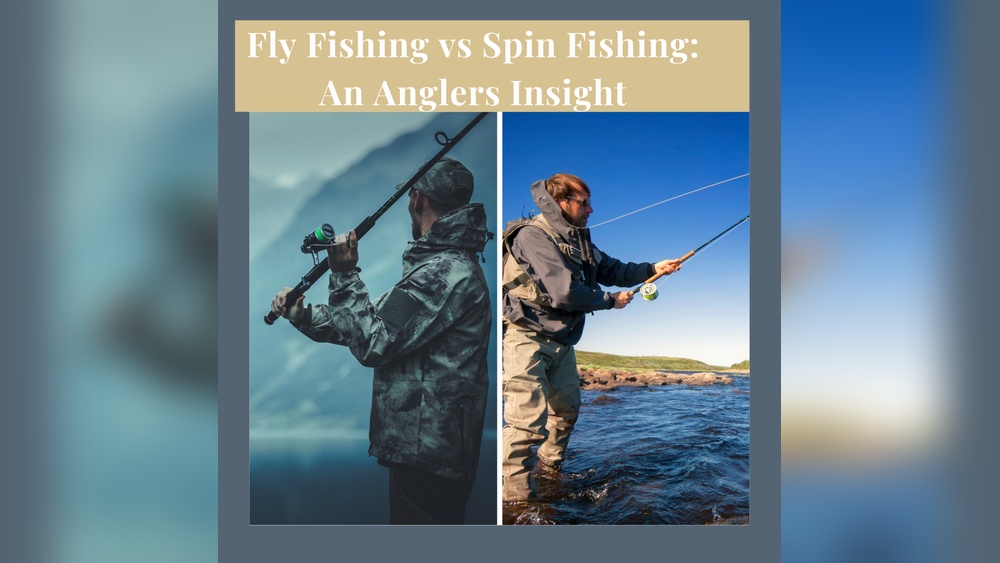
Fly Fishing Vs Regular Fishing: A Deep Dive for Beginners and Curious Anglers
Standing in a river, watching the ripples as a fly dances on the water’s surface, feels very different from sitting by a pond with a worm on a hook. Both fly fishing and regular (or “spin”) fishing offer adventure, relaxation, and the thrill of catching fish.
But these two styles are not the same. They use different gear, attract different kinds of fish, and create unique experiences. If you’re new to fishing or just curious, knowing the key differences can help you choose the right path—or simply appreciate both.
Many people ask: “Is fly fishing better than regular fishing?” The truth is, it’s not about which one is best. It’s about which one fits your goals, location, and personality. This guide will explain everything you need to know, from equipment and technique to the kind of fish you can catch and the costs involved. You’ll also discover some facts and insights that many beginners miss.
What Is Fly Fishing?
Fly fishing is a special type of fishing that uses a lightweight lure called a “fly. ” These flies are made to look like insects or small creatures that fish like to eat. The main idea is to trick fish into thinking your fly is real food.
The fly is almost weightless, so you need a heavy line to cast it out. Most fly fishing is done in rivers, streams, and lakes, and it’s famous for catching trout, salmon, and other freshwater fish.
Fly fishing is often seen as more “artistic” than regular fishing. It involves graceful casting, careful reading of water, and sometimes making your own flies. It’s not just about catching fish—it’s about being part of nature and learning how fish behave.
What Is Regular Fishing?
Regular fishing, usually called “spin fishing” or “bait fishing,” uses a spinning rod and reel. Instead of a fly, you use heavier lures or live bait like worms, minnows, or artificial soft plastics. The weight of the lure or bait helps you cast far. This style is popular everywhere: rivers, lakes, oceans, and even small ponds.
Spin fishing is known for being simple to learn and very flexible. It works for all kinds of fish, big and small. You can fish from the shore, a dock, a boat, or even ice. Because of its simplicity, it’s often the first style people try.
Key Differences Between Fly Fishing And Regular Fishing
Let’s look at the main differences that set these two fishing styles apart.
Equipment
Fly Fishing Gear:
- Rod: Longer (usually 7–10 feet), flexible, made to cast a light fly
- Reel: Simple, mainly for storing line and fighting big fish
- Line: Heavy, thick, and brightly colored; provides the weight for casting
- Flies: Tiny, lightweight, hand-tied lures that imitate insects or small creatures
Regular Fishing Gear:
- Rod: Usually 5–8 feet, stiffer, designed for heavier lures
- Reel: Spinning or baitcasting reels, more complex, help with casting and reeling in
- Line: Thin, strong, clear or colored, typically made of monofilament or braided material
- Bait/Lures: Live bait (worms, minnows) or artificial lures (spinners, plugs, soft plastics)
Here’s a comparison of basic gear differences:
| Item | Fly Fishing | Regular Fishing |
|---|---|---|
| Rod Length | 7–10 feet | 5–8 feet |
| Typical Reel | Simple fly reel | Spinning or baitcasting reel |
| Main Line Type | Thick, weighted fly line | Thin monofilament/braided |
| Lures/Baits | Flies (imitate insects) | Worms, minnows, spinners |
Casting Technique
Fly fishing uses a special casting motion. You swing the rod back and forth, letting the heavy line carry the almost weightless fly out onto the water. It takes practice and timing. The goal is to land the fly softly, just like a real insect.
Regular fishing casting is more straightforward. The weight of the lure or bait pulls the line out when you snap the rod forward. It’s easier for beginners and lets you cast farther with less skill.
Target Fish Species
Fly fishing often targets fish that eat insects near the water’s surface. The most common are:
- Trout
- Salmon
- Grayling
- Bass (sometimes)
- Panfish
Regular fishing is used for a wider range of species:
- Bass
- Walleye
- Pike
- Catfish
- Carp
- Perch
- Saltwater species like redfish, snook, and mackerel
Many fish can be caught with both styles, but some are easier with one method than the other.
Water Types And Locations
Fly fishing is famous for small rivers and streams, but it’s also used in lakes, ponds, and even the ocean (saltwater fly fishing). The best places are usually clear, moving waters where fish feed on insects.
Regular fishing can be done almost anywhere there’s water. This includes:
- Small ponds
- Large lakes
- Rivers (slow or fast)
- Oceans
- Bays
- Docks and piers
Cost And Gear Investment
Fly fishing usually has a higher starting cost. A good-quality fly rod, reel, and line can cost $150–$400 or more. Flies are cheap individually, but you’ll need many types for different conditions. Waders (waterproof pants) and vests are common extras.
Regular fishing is often cheaper to start. Basic rod and reel combos can be found for $20–$60. Lures and bait are widely available and affordable. You don’t need special clothing unless you want it.
However, both styles can get expensive if you buy high-end gear or lots of accessories.
Learning Curve
Fly fishing has a steeper learning curve. Casting takes time to master, and you need to “read” the water to know where fish might be feeding. Tying your own flies adds another skill.
Regular fishing is faster to learn. You can start catching fish on your first day with simple gear and bait. The techniques are easier, and you can quickly adjust if something isn’t working.
Fishing Experience And Atmosphere
Fly fishing is often described as “peaceful,” “artistic,” and even “meditative. ” It’s about more than catching fish; it’s about connecting with nature, observing insects, and moving quietly in the water. Many fly fishers value the experience as much as the catch.
Regular fishing can be just as relaxing or more action-packed, depending on your location and target species. It’s great for groups, families, or solo anglers. You can fish while chatting, listening to music, or even eating a snack. The pace can be slow or fast.
Advantages Of Fly Fishing
Understanding the strengths of fly fishing can help you decide if it’s right for you.
- Gentle Presentation: Flies land softly, which is important for shy fish.
- Imitates Natural Food: Flies look like real insects, so fish are less suspicious.
- Works in Shallow Water: Fly fishing shines in small streams and shallow rivers.
- Art and Skill: Many enjoy the challenge of learning complex casts and tying flies.
- Catch and Release: Barbless hooks are common, making it easier to release fish unharmed.
- Connects You to Nature: You learn about bugs, weather, and fish behavior.
A common insight for beginners: matching the hatch is important. This means choosing a fly that looks just like the insects fish are eating that day. It can make a huge difference.
Advantages Of Regular Fishing
Regular (spin) fishing’s strengths make it a favorite for many people:
- Easier to Learn: You can start catching fish quickly.
- Casts Farther: Heavier lures and lines let you reach distant spots.
- Versatile: Works for almost any fish, in fresh or salt water.
- Great for Groups: Easier to teach friends and family.
- Cheaper to Start: Good gear is available at low prices.
- Flexible Techniques: You can use many types of lures and baits.
One thing beginners often miss: changing lures can trigger fish to bite. If one lure isn’t working, try something with a different color, size, or action.
Challenges And Drawbacks
Both styles have limits. Knowing these will help you avoid frustration and wasted money.
Fly Fishing Challenges
- Expensive at First: Quality gear costs more.
- Harder to Learn: Casting and fly selection require practice.
- Limited in Windy Conditions: Light flies are hard to control in strong wind.
- Not Ideal for Deep Water: Reaching fish in deep lakes is difficult.
Regular Fishing Challenges
- Less Stealthy: Heavy lures can scare fish in clear, shallow water.
- Snags and Tangles: Lures can get stuck on rocks, weeds, or trees.
- Overfishing Popular Spots: Easy access means more competition from other anglers.
- Live Bait Issues: Keeping bait alive and fresh can be tricky.

Credit: guiderecommended.com
Which Style Is Better For Beginners?
The answer depends on your goals, patience, and where you want to fish.
- If you want fast results, simple setup, and lots of options, regular fishing is best.
- If you love learning skills, enjoy challenges, and want to fish small streams, fly fishing is a great choice.
Some people start with spin fishing and move to fly fishing later. Others enjoy both, picking the right tool for the situation.
Environmental Impact
Fishing can affect fish populations and water health. Both styles can be eco-friendly when practiced responsibly.
- Fly fishing often uses barbless hooks and catch-and-release methods, which reduce fish injury.
- Regular fishing can also be done catch-and-release, but using live bait can sometimes harm fish or introduce non-native species.
A key tip: Always follow local rules and use the right gear to protect fish and the environment. Proper handling and quick release improve survival rates for all fish.
Cost Breakdown: What To Expect
New anglers often underestimate the total costs. Here’s a rough breakdown to help you plan:
| Item | Fly Fishing (USD) | Regular Fishing (USD) |
|---|---|---|
| Rod & Reel Combo | $150–$400 | $20–$100 |
| Line | $20–$50 | $5–$20 |
| Lures/Flies | $2–$5 each | $3–$10 per pack |
| Waders/Boots | $60–$200 | Not always needed |
| Accessories | $20–$100 | $10–$50 |
One non-obvious cost: travel and access fees. Popular fly fishing streams sometimes require permits or entry fees.
When To Choose Fly Fishing Over Regular Fishing
Some situations are perfect for fly fishing:
- Clear, shallow rivers: Fish can see and chase flies easily.
- When fish are feeding on insects: During hatches, fly fishing is unmatched.
- If you enjoy skill-based hobbies: The challenge keeps things interesting.
But don’t force it. If the water is deep, murky, or filled with weeds, spin fishing may work better.
When To Choose Regular Fishing Over Fly Fishing
Spin fishing shines in these cases:
- Lakes and reservoirs: Cast far and reach deeper fish.
- Saltwater fishing: Heavier gear and lures handle big, strong fish.
- When covering lots of water: You can quickly try different spots and lures.
Myths And Misconceptions
Many beginners get confused by common myths. Here’s the truth:
- Myth: Fly fishing is always expensive.
Reality: Entry-level kits are more affordable than many think, and you can tie your own flies cheaply.
- Myth: Spin fishing is only for beginners.
Reality: Many expert anglers use spinning gear to catch giant fish in tough conditions.
- Myth: You can only fly fish for trout.
Reality: Many species, including bass, carp, and even saltwater fish, can be caught on a fly.
- Myth: Fly fishing is too hard.
Reality: It’s challenging, but with practice, anyone can learn basic casts in a weekend.
The Role Of Local Conditions
Sometimes, your local water decides for you. Small mountain streams with lots of insects are perfect for fly fishing. Large, deep lakes with predatory fish are better for spin fishing.
Talk to local anglers or visit a bait and tackle shop to get advice. They know what works best in your area.
Social And Community Aspects
Both styles have active communities and traditions. Fly fishing clubs often hold casting clinics, fly-tying classes, and conservation events. Spin fishing groups organize tournaments, family outings, and “big fish” competitions.
A less obvious insight: fly fishing groups often welcome beginners and enjoy teaching the basics. Don’t be afraid to ask questions.
Travel And Adventure Opportunities
Fly fishing is famous for destination trips—think Montana rivers, Scottish lochs, or the flats of Belize. Many dream vacations center around famous fly fishing spots.
Spin fishing offers adventure too. From deep-sea charters to remote Canadian lakes, there’s no shortage of travel options.
How To Try Both Without Breaking The Bank
You don’t have to pick just one. Many outdoor stores rent gear or offer beginner lessons. Joining a group trip or booking a guide can let you try both styles before spending a lot on equipment.
Tip: Start with used gear or a starter kit. Many anglers upgrade later, but starting simple helps you learn what you really need.

Credit: www.youtube.com
Essential Safety Tips
Fishing is safe, but a few rules will help you avoid trouble:
- Wear a hat and sunglasses to protect your eyes from flying hooks.
- Always check weather and water conditions before fishing.
- Use sunscreen and insect repellent.
- Waders can fill with water—wear a belt and never wade too deep.
- Keep tools and hooks organized to avoid accidents.
Where To Learn More
There are many resources for learning fishing techniques, knot tying, and fish behavior. The Take Me Fishing website is a great place to start.
Credit: www.fix.com
Frequently Asked Questions
What Is The Main Difference Between Fly Fishing And Regular Fishing?
The main difference is in the equipment and casting style. Fly fishing uses a lightweight fly and a heavy line, with a special casting motion. Regular fishing uses a heavier lure or bait and a simpler cast.
Can I Catch The Same Fish With Both Methods?
Many fish can be caught with both. Trout and salmon are classic fly fishing targets, while bass, pike, and catfish are often caught with regular fishing. Some species respond better to one method, depending on their habits and the water.
Is Fly Fishing Harder To Learn Than Regular Fishing?
Yes, fly fishing has a steeper learning curve. Casting takes more practice, and understanding which fly to use can be tricky. Regular fishing is easier for beginners, but both get easier with experience.
Do I Need Special Clothing For Fly Fishing?
Waders and boots are common for fly fishing, especially in rivers and streams. They keep you dry and let you stand in the water. For regular fishing, simple outdoor clothes and boots are enough unless you’re fishing in cold or deep water.
Can Children Or Families Enjoy Both Styles?
Absolutely. Spin fishing is often easier for kids because it’s simple and fast. Fly fishing can be fun for families too, especially with lessons or guided trips. Many families enjoy both styles together.
Fishing offers lifelong fun, whether you choose fly fishing, regular fishing, or both. Try each style, enjoy the experience, and remember: the best fishing is the one that brings you joy.