
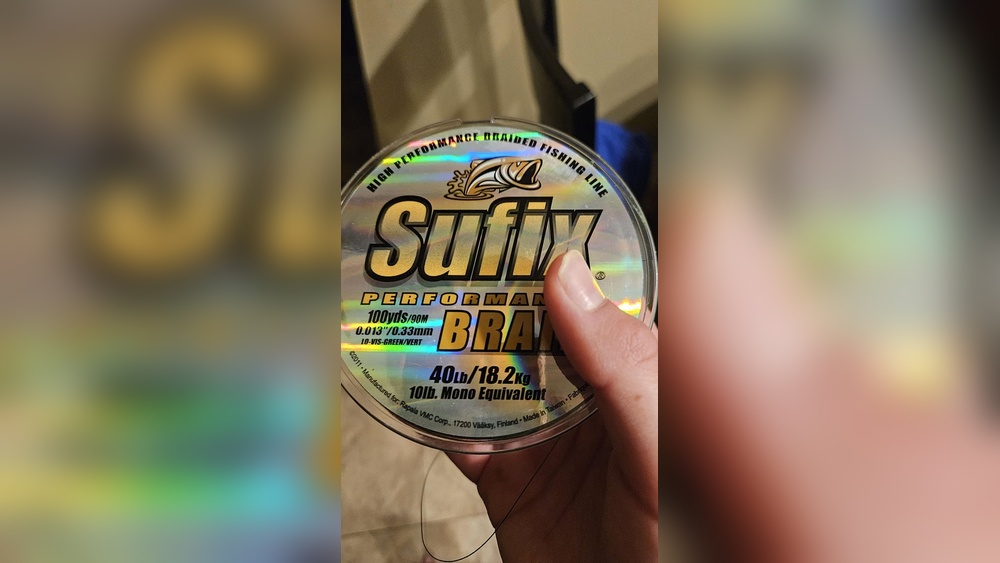
Most anglers love the strength and sensitivity of braid fishing line. It slices through weeds, casts a mile, and helps you feel every nibble. But after a few seasons, you might wonder: Does braid fishing line go bad? Is it possible for this tough line to lose its magic over time? Some say braid lasts forever, while others claim it goes weak or frays. The truth is more interesting—and important—than most fishermen realize.
In this article, you’ll discover how and why braid fishing line can degrade, what factors speed up its decline, and how to recognize when your line needs replacing. We’ll also compare braid to mono and fluoro, share expert tips for making your braid last, and bust a few myths about line durability. By the end, you’ll know exactly how to get the most from your braided line and avoid losing a trophy fish to old gear.
Understanding Braid Fishing Line
Before we talk about lifespan, it helps to know what braid really is. Braid fishing line is made from several strands of synthetic fibers—usually Dyneema or Spectra—woven tightly together. These fibers are famous for being thin, light, and up to 10 times stronger than steel by weight. Unlike monofilament, braid does not stretch, which gives you amazing sensitivity and solid hooksets.
But these synthetic fibers are not indestructible. Over time, even the best braid can weaken, fade, or fray due to exposure and use. Knowing how it’s made helps you understand why.
How Braid Compares To Other Lines
Braid is famous for its high strength and small diameter, but it’s not perfect for every situation. Here’s a quick comparison:
| Type | Strength | Stretch | Visibility | Cost | Memory |
|---|---|---|---|---|---|
| Braid | Very High | Almost None | High (unless colored or coated) | High | Very Low |
| Monofilament | Medium | High | Low | Low | High |
| Fluorocarbon | High | Low | Very Low | High | Medium |
As you can see, braid has its own strengths and weaknesses. Let’s see how those relate to lifespan.
Does Braid Fishing Line Go Bad?
The short answer: Yes, braid fishing line can go bad, but not as quickly as monofilament or fluorocarbon. Braid is extremely durable, but it’s not immune to the forces of nature or hard use. Over months or years, your braided line can:
- Lose strength
- Fade in color
- Fray along the surface
- Get damaged by UV rays or saltwater
Many anglers assume braid lasts forever, but that’s a myth. How quickly it goes bad depends on several factors.
Factors That Make Braid Go Bad
1. Sunlight (uv) Exposure
Ultraviolet (UV) rays from the sun are one of the biggest threats to any fishing line. While braid handles sunlight better than mono, long-term exposure will slowly break down the synthetic fibers. This makes the line weaker and more likely to break—especially if you store your rod in sunlight or leave your reels outside.
Non-obvious insight: Even if you only fish a few hours a week, storing your rod in a sunny car or garage can age your braid faster than actual fishing.
2. Abrasion
Unlike mono, braid is not very resistant to rough surfaces. When your line rubs against rocks, dock pilings, or even the rod guides, it can start to fray. Frayed sections are much weaker and can snap under pressure.
Expert tip: Run your fingers along the last 10 feet of your braid after each trip. If you feel rough spots or see tiny fibers sticking out, it’s time to cut and retie.
3. Saltwater
If you fish in the ocean, salt can work its way into the fibers of your braid. Over time, salt crystals can cause the material to weaken and break down, especially if you don’t rinse your gear after each trip.
4. Chemical Exposure
Sunscreen, bug spray, gasoline, and even some cleaning products can damage braid. These chemicals can break down the line’s coating or the fibers themselves, speeding up wear.
5. Heavy Use And Repeated Casting
Every cast and retrieve puts stress on your line. Frequent fishing—especially with heavy lures or big fish—can wear out braid faster than an occasional trip.
6. Poor Storage
Storing your reels wet, in hot cars, or in humid basements can all shorten braid’s lifespan. Mold and mildew are not a big risk for synthetic lines, but heat and moisture can still cause problems over time.
7. Age
Even if you rarely fish, old braid can lose strength just from sitting on the spool. The fibers may dry out, or coatings may break down, especially after 3–5 years.
How Long Does Braid Last?
There’s no one answer, but most anglers find that quality braid lasts 1–5 years under normal use. Some claim it lasts even longer, especially with light freshwater fishing and good care. But if you fish hard, in tough conditions, or don’t maintain your line, it may need to be replaced every season.
Here’s a typical lifespan under different conditions:
| Fishing Condition | Expected Lifespan |
|---|---|
| Heavy saltwater use | 1 year or less |
| Frequent freshwater fishing | 1–2 years |
| Occasional use, good care | 3–5 years |
| Stored on unused reels | Up to 5 years |
Non-obvious insight: Sometimes, old braid on a backup reel may look fine but still break easily because the fibers have lost their internal strength.
Signs Your Braid Fishing Line Is Bad
It’s not always obvious when to replace braid. Unlike monofilament, which gets stiff or cloudy, braid can look “okay” even when it’s not. Here’s what to check:
- Fraying: Look for “fuzzy” spots or areas where the fibers stick out. These are weak points.
- Discoloration: Faded color does not always mean weakness, but sudden or uneven fading can be a warning.
- Reduced strength: If you notice more break-offs, especially on hooksets or snags, the line may be bad.
- Stiffness or flat spots: Good braid is smooth and flexible. If it feels stiff or has flat, worn sections, it’s time to replace.
- Unraveling: If the strands are separating or the braid is untwisting, it’s failing.
Tip: Test your line by tying a strong knot and pulling hard. If the line breaks at less than its rated strength, it’s time to change.
How To Make Braid Last Longer
Many anglers waste money changing braid too often, while others risk losing fish with old line. With a few easy habits, you can stretch your line’s life and save cash.
1. Rinse After Saltwater Use
Salt is a silent killer. After each saltwater trip, rinse your reel and line with fresh water. Let it dry in the shade before storing. This slows down the breakdown and keeps your gear clean.
2. Store Properly
Keep reels in a cool, dry place—away from sunlight. If possible, remove spools for long-term storage. Never leave rods and reels in a hot car or in direct sunlight.
3. Trim The Last Few Feet
Most damage happens near the lure or leader. Every few trips, cut off 5–10 feet of braid and retie your leader or lure. This removes the most frayed and stressed section.
4. Flip Or Reverse The Line
If you use a large spool and most of your casts only use the first 50 yards, the rest of the line stays fresh. Every year or two, reverse the braid on your reel. The “unused” line becomes the working end, giving you double the life.
5. Avoid Rough Surfaces
Try not to drag your line over rocks, docks, or boat edges. Use rod guides in good condition. If you feel rough spots, cut and retie.
6. Avoid Chemicals
Keep your hands clean when handling braid. Wipe off sunscreen or bug spray before tying knots or reeling in.
7. Use Quality Line
Cheap braid is more likely to go bad quickly. Stick to trusted brands with good reviews. The extra cost usually pays off in longer life and fewer problems.
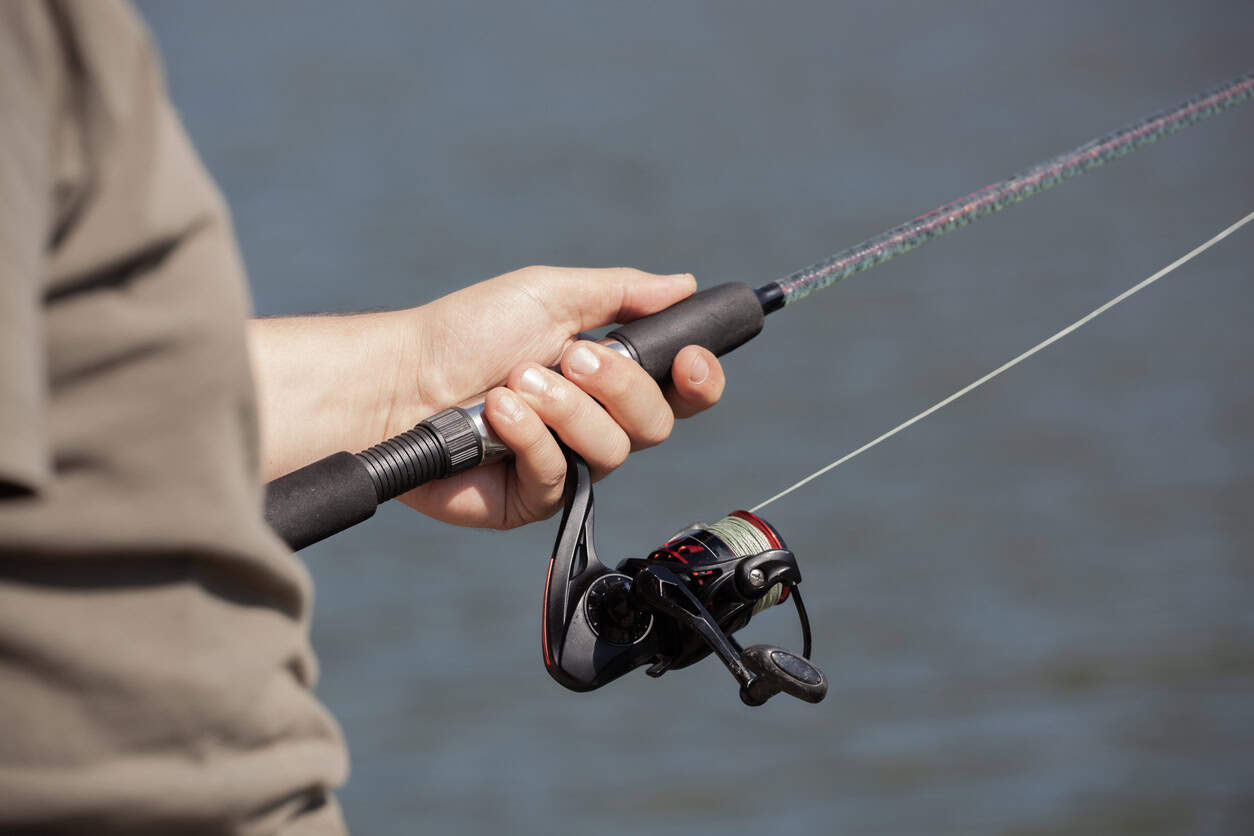
Credit: outrig.com
Common Myths About Braid Fishing Line
Many anglers share advice that sounds true, but isn’t always backed by facts. Let’s clear up some common myths.
Myth 1: Braid Lasts Forever
It’s true that braid lasts longer than mono, but it is not indestructible. All fishing line wears out over time, especially with heavy use or poor care.
Myth 2: Faded Braid Is Always Weak
Color fading happens mostly from sunlight and water, but it does not always mean the line is weak. Some braids lose color fast but stay strong. Always check for fraying or loss of strength, not just color.
Myth 3: Braid Cannot Be Damaged By Saltwater
Braid resists water, but salt can still work into the fibers and cause long-term damage. Rinsing after saltwater use is always a smart move.
Myth 4: Old Unused Braid Is Just As Good
Even braid that has never been fished can lose strength from age, temperature, or light exposure. Check your backup reels before a big trip.
Myth 5: All Braids Are The Same
Braided lines vary in fiber quality, coatings, and construction. Some last longer and resist damage better than others. Try a few brands to find what works for your style and local conditions.
Is Braid Better Than Mono Or Fluoro For Longevity?
When it comes to lifespan, braid usually lasts longer than monofilament and a bit longer than fluorocarbon. But it’s not always the right choice for every situation. Here’s a quick comparison:
| Line Type | Typical Lifespan | Main Weakness |
|---|---|---|
| Braid | 1–5 years | Fraying, UV, salt |
| Monofilament | 6–12 months | UV, water absorption, memory |
| Fluorocarbon | 1–2 years | Knot strength, cost |
If you want the longest-lasting line, braid is usually the winner—but only if you maintain it.

Credit: www.reddit.com
When Should You Replace Braid Fishing Line?
There’s no fixed schedule, but here are smart guidelines:
- If you notice fraying, stiffness, or flat spots, replace immediately.
- For heavy saltwater fishing, replace every season or after a few big trips.
- For average freshwater use, replace every 1–2 years.
- If you land a very big fish or get a major snag, inspect and consider replacing the last section.
- Always test old line before a big trip.
Pro tip: It’s better to replace early than to lose the fish of a lifetime.
Environmental Impact: What Happens To Old Braid?
Braid fishing line is made from synthetic fibers that do not break down quickly in nature. Discarded line can harm wildlife, birds, and fish. Always recycle old braid if possible—many tackle shops have recycling bins. Never throw used line in the water or on shore.
If you want to know more about recycling fishing line, check out this guide to fishing line recycling.
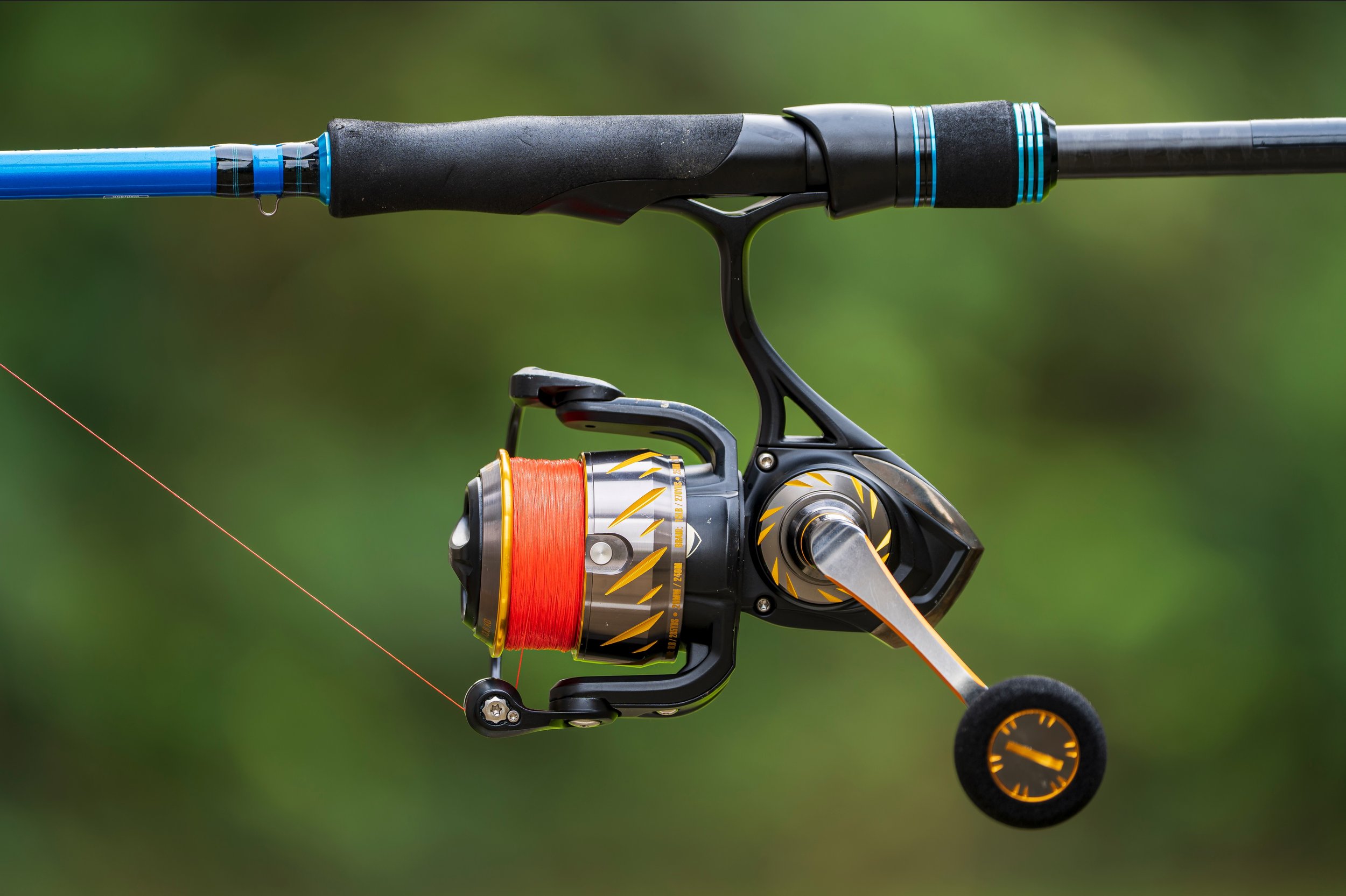
Credit: www.henry-gilbey.com
Practical Tips: Getting The Most From Your Braid
- Check often: Make line inspection a habit after every trip.
- Retie knots: Don’t reuse old knots, especially after a tough fight.
- Use leader material: Pair braid with a short leader of mono or fluoro for better abrasion resistance.
- Mark your line: If you reverse your line, use a marker to note the “fresh” end.
- Educate friends: Help new anglers understand line care—it saves frustration and money.
Frequently Asked Questions
How Can I Tell If My Braid Fishing Line Is Still Good?
Run your fingers along the line. If you feel any roughness, fraying, or see “fuzzy” spots, it’s time to replace that section. Test by tying a knot and pulling hard—if it breaks easily, the line is bad.
Does Color Fading Mean My Braid Is Weak?
Not always. Many braids lose color due to sunlight and water, but the core strength can still be fine. Always check for fraying and do a pull test to be sure.
Can I Store Braid Fishing Line For Several Years?
Yes, if you keep it in a cool, dark, dry place. Avoid sunlight, heat, and moisture. Even then, check the line before using—old braid can get weak even without use.
Is It Safe To Use Braid That’s Over Three Years Old?
It depends. If the line has been stored well and shows no signs of damage, it may still be strong. But for important trips or big fish, it’s safer to use fresh line.
What’s The Best Way To Dispose Of Old Braid?
Recycle it! Many tackle shops have bins for used line. Never throw braid in the water or trash where wildlife can get tangled.
—
Caring for your braid fishing line is easy once you know what to watch for. With smart habits and regular checks, you can enjoy the power and sensitivity of braid for years—without risking lost fish or wasted money. Whether you chase bass in a local lake or battle saltwater giants, a little extra attention keeps your gear—and your memories—strong.