
Fishing is more than just a relaxing hobby. For many, it’s a way to connect with nature, test skills, and enjoy time outdoors. When choosing gear, the fishing rod matters as much as technique or bait. Two materials—carbon fiber and graphite—are among the most talked about in the angling world. But what truly separates them? Which is better for your fishing style, and why does the difference matter? Most articles give surface-level answers. Here, you’ll find a clear, deep look at both materials, how they influence performance, and what to consider before buying your next rod.
What Are Carbon Fiber And Graphite Fishing Rods?
The first step to understanding the debate is knowing what each material really is.
Carbon fiber rods are made from strands of carbon atoms bonded in a crystal structure. These fibers are woven together and set in a resin to form a strong, lightweight material. Carbon fiber is famous for its use in aerospace, racing cars, and high-performance sports equipment.
Graphite rods are made using a form of carbon, but the fibers and manufacturing process differ. Graphite rods are created by heating carbon to a high temperature, which makes the material lighter and stiffer than older fiberglass rods. While many people use “graphite” and “carbon fiber” interchangeably, there are technical distinctions in structure and properties.
Are Carbon Fiber And Graphite The Same?
This is a common point of confusion. All carbon fiber rods are technically made from carbon, but not all graphite rods use true carbon fiber. Some rods labeled as “graphite” are actually a blend of materials, often with lower-grade carbon content.
High-end rods will specify if they are made from pure carbon fiber.
Insight: Beginner anglers often think “graphite” is just a marketing word for carbon fiber. In reality, quality and performance can be quite different.
Key Properties That Matter In Fishing Rods
Choosing a rod isn’t just about price or brand. The material changes how you fish, how long your rod lasts, and even how much you enjoy your time on the water. Here’s what you need to know:
1. Weight
Both carbon fiber and graphite rods are lighter than old-school fiberglass rods. But carbon fiber is usually the lightest. This makes a big difference during long fishing sessions, especially if you cast often or fish all day.
2. Sensitivity
A rod’s sensitivity means how well you feel a fish bite, or the lure’s movement underwater. Carbon fiber rods tend to be more sensitive than graphite ones, though high-quality graphite can be close. For techniques where feeling a light bite is key—like bass or trout fishing—this matters a lot.
3. Strength And Flexibility
Carbon fiber is famous for its strength-to-weight ratio. It can handle high stress without breaking. However, it is also more brittle than graphite, which means it can snap if bent too far.
Graphite rods are generally more flexible. They can bend more before breaking, which can be helpful when fighting big fish or fishing with heavier lines.
4. Durability
Graphite rods are usually tougher and more durable if you drop them or hit them against rocks. Carbon fiber, while strong, can develop weak points from impacts.
5. Action And Power
- Action: How fast the rod bends near the tip. Fast action means more bend at the tip, slow action means the rod bends further down.
- Power: How much force it takes to bend the rod. Light, medium, or heavy power for different fish sizes.
Both materials can be made with different actions and powers, but carbon fiber is often chosen for fast-action rods due to its stiffness.
6. Price
Carbon fiber rods are usually more expensive. The material and manufacturing process cost more. Graphite rods offer a range of prices, from budget to mid-range, with some high-end models.
How Carbon Fiber And Graphite Affect Your Fishing
Let’s look at real-world fishing situations and see how each material performs.
Casting Distance
Carbon fiber rods are lighter and have faster recovery, which means the rod returns to its original position quickly after you cast. This can help you cast further and with more accuracy. For shore anglers or those who need long casts, this is a clear advantage.
Graphite rods can also cast well, especially if they are high-modulus (made with higher density graphite). But they may not have the same “snap” as true carbon fiber.
Fighting Fish
When battling a big fish, you want a rod that’s strong but not too stiff. Graphite rods tend to have more “give,” which helps absorb the shock when a fish pulls hard. This can prevent your line from snapping.
Carbon fiber rods have less flex, which means you feel every movement, but you need good technique to avoid breaking the rod under heavy load.
Sensitivity For Light Bites
If you’re fishing for species that nibble gently—like crappie or trout—carbon fiber gives you an edge. Every tap or change in lure movement is clearer.
Comfort During Long Sessions
A lighter rod means less fatigue. If you fish for hours, carbon fiber’s low weight can make a big difference. But if you fish in rough conditions where your rod might get bumped or dropped, the durability of graphite is valuable.
Non-obvious Insight: Many anglers forget to consider the weight of their reel. A super-light carbon fiber rod can feel “tip-heavy” if paired with a heavy reel. Balance is key.
Breaking Down The Technology: Modulus And Ton Ratings
You might see rods labeled as “IM6 graphite” or “40-ton carbon fiber. ” What do these numbers mean?
Modulus
Modulus measures the stiffness of the material. Higher modulus means stiffer and lighter, but also more brittle.
- High-modulus graphite rods are lighter and more sensitive but can break more easily.
- Low-modulus graphite is heavier and less sensitive but tougher.
Ton Rating
For carbon fiber rods, “ton” refers to the tensile strength of the carbon fibers.
- 24-ton, 30-ton, 40-ton: Higher numbers mean stiffer, lighter rods.
- Higher ton ratings are more expensive and more brittle.
Tip: Some brands use modulus or ton ratings for marketing. A 40-ton rod isn’t always better if the resin or build quality is poor.

Credit: everestkitchennc.com
Practical Comparison: Carbon Fiber Vs Graphite
Let’s compare key features side by side for quick reference.
| Feature | Carbon Fiber | Graphite |
|---|---|---|
| Weight | Ultra-light | Light |
| Sensitivity | Very High | High |
| Flexibility | Low (stiff) | Medium to High |
| Durability | Good, but brittle | Excellent |
| Price | High | Low to Medium |
| Best Use | Sensitive, technical fishing | General, heavy-duty fishing |
When To Choose Carbon Fiber
Carbon fiber rods are not the answer for everyone. But they do shine in certain situations:
- You fish for species with gentle bites: The high sensitivity gives you an edge.
- You need long casting distance and accuracy: The fast recovery helps.
- Weight matters: If you fish all day, the lighter rod reduces fatigue.
- You have experience and use proper technique: Carbon fiber needs careful handling.
Example: Tournament bass anglers often choose carbon fiber rods for techniques like drop-shotting or finesse fishing, where feeling every bite is crucial.
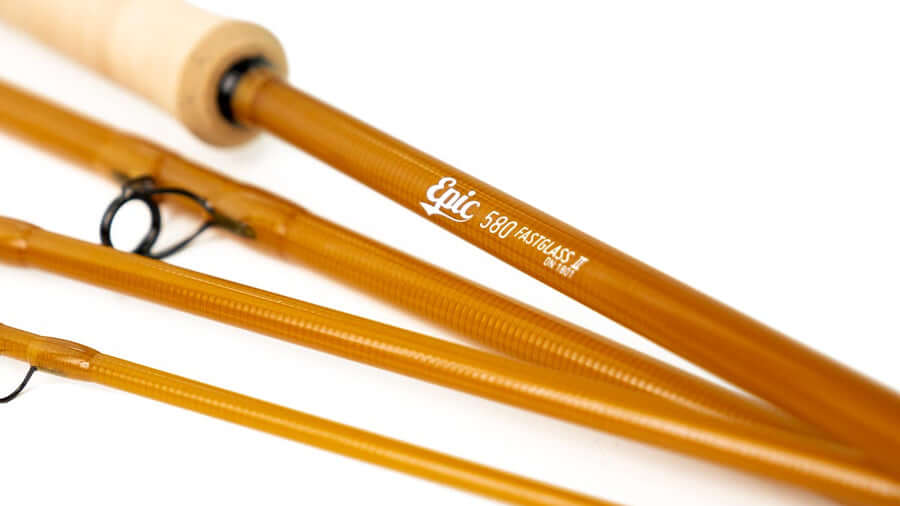
Non-obvious Insight: If you travel for fishing (backpacking, fly-in trips), a carbon fiber rod is easier to carry. But always pack it in a hard case—carbon fiber is less forgiving if crushed.
Credit: www.epicflyrods.com
When To Choose Graphite
Graphite rods are versatile and forgiving, making them a good choice for many anglers:
- You’re new to fishing: Graphite is less likely to break from mistakes.
- You fish in rough environments: Graphite can handle bumps and drops.
- You want a good rod at a lower price: Graphite offers good performance for less money.
- You target larger, harder-fighting fish: The added flex can be an advantage.
Example: Bank anglers who fish rivers with rocks, or people who target catfish, often choose graphite for its toughness.
Tip: If you buy a graphite rod, check the “modulus” rating. A mid-modulus rod (IM6 or IM7) is a good balance of sensitivity and strength for most people.
Common Myths And Mistakes
Many anglers buy rods based on marketing or advice from friends—sometimes leading to disappointment. Here are mistakes to avoid:
- Thinking higher ton/modulus is always better: More stiffness isn’t always good. Too high modulus can make rods fragile.
- Assuming “graphite” means poor quality: High-modulus graphite can match or beat some lower-end carbon fiber rods.
- Ignoring rod action and power: Material isn’t everything. The rod’s design (action and power) matters just as much.
- Not matching rod to reel: A super-light rod with a heavy reel feels unbalanced and awkward.
- Overlooking warranty and service: Carbon fiber rods break more often but may have better warranties.
Real-world Angler Experiences
Talking to experienced anglers reveals some useful truths:
- Saltwater anglers often prefer graphite for durability. “I’ve snapped a carbon fiber rod on a big redfish. My graphite rod survived,” says one Florida guide.
- Trout and finesse bass anglers love carbon fiber. “You can feel every pebble and nibble,” says a competitive bass fisherman.
- Budget-conscious fishers usually choose graphite. “I can buy two good graphite rods for the price of one top-end carbon fiber.”
Practical Advice: Test rods in person if possible. Feel the balance, flex, and weight. Specs on paper don’t always match real-world feel.
How To Decide: Factors For Your Choice
Before buying, consider these factors:
1. Target Species
- For small, sensitive-biting fish (trout, crappie, finesse bass): Carbon fiber is ideal.
- For large, hard-fighting fish (catfish, pike, saltwater species): Graphite is safer.
2. Fishing Location
- Open water, long casts: Carbon fiber excels.
- Heavy cover, rocks, rough use: Graphite is more durable.
3. Budget
- Limited funds: Good graphite rods are affordable and reliable.
- Money no object: Top-end carbon fiber rods deliver best performance.
4. Experience Level
- Beginner: Graphite is forgiving.
- Advanced: Carbon fiber rewards good technique.
Care And Maintenance Tips
No matter what rod you choose, good care extends its life. Here’s how to get the most from your investment:
- Rinse after saltwater use: Both materials can be damaged by salt.
- Store rods vertically or in a case: Prevents warping and damage.
- Check for cracks and nicks: Especially important for carbon fiber, which can break suddenly if weakened.
- Use the right line and lure weight: Overloading can break even the strongest rod.
- Transport in a hard case: Protects against impacts.
Expert Tip: If you see white stress marks on a carbon fiber rod, retire it—these can signal hidden cracks.
Price Ranges And Value
Let’s compare typical price ranges for each material.
| Rod Material | Entry Level | Mid-Range | High-End |
|---|---|---|---|
| Carbon Fiber | $80-$150 | $150-$300 | $300-$700+ |
| Graphite | $40-$100 | $100-$200 | $200-$350 |
Note: Prices change based on brand, length, and features. Custom rods or those from famous makers can cost more.
Insight: For most anglers, a mid-range graphite rod ($100–$200) offers the best value for general fishing. High-end carbon fiber rods are best for those who demand the absolute best sensitivity and lightness.
Environmental And Longevity Considerations
Few anglers think about the environmental impact of their gear. Both carbon fiber and graphite require energy-intensive manufacturing, but carbon fiber’s process is even more demanding. Neither is biodegradable, but the long life of a well-cared-for rod means less waste.
Tip: If you upgrade, donate or sell your old rod—don’t just throw it away.
The Role Of Brands And Build Quality
Material is just one part of rod quality. Brands like St. Croix, G. Loomis, Shimano, and Daiwa are known for their attention to detail. A well-built graphite rod from a top brand can outperform a poorly made carbon fiber rod.
Tip: Read reviews and ask local anglers about their experiences with specific models.
Credit: www.alibaba.com
Summary Table: When To Choose Each
For a final at-a-glance guide:
| Situation | Best Choice | Why |
|---|---|---|
| Finesse/Lure Fishing | Carbon Fiber | Highest sensitivity, lightest weight |
| Heavy Cover/Big Fish | Graphite | Tougher, more flex, less likely to break |
| Beginner | Graphite | Easier to use, more durable |
| Travel/Backpacking | Carbon Fiber | Light to carry, but handle with care |
| Budget Choice | Graphite | Affordable, good all-around performance |
Final Thoughts
Choosing between carbon fiber and graphite fishing rods is not just a question of price or trend. It’s about matching your rod to your fishing style, target species, and environment. Carbon fiber gives you unmatched sensitivity and lightness—perfect for technical, skilled angling. Graphite offers strength, durability, and value for a wide range of fishing styles.
Remember, no rod is perfect for every situation. Consider your budget, experience, and main fishing spots before making a decision. When in doubt, handle both types in a store or borrow from a friend. The “best” rod is the one that feels right in your hand and makes you enjoy fishing more.
For more on rod materials, you can check the detailed breakdown at Wikipedia.
Frequently Asked Questions
Is Carbon Fiber Really Better Than Graphite For Fishing Rods?
Not always. Carbon fiber is lighter and more sensitive, but it’s also more brittle and expensive. Graphite is tougher and a better choice for beginners or rough fishing conditions.
Can Graphite Rods Break Easily?
Graphite rods are more durable than carbon fiber, especially under sudden stress or impact. However, all rods can break if misused or overloaded.
What’s The Best Rod Material For Saltwater Fishing?
Graphite is generally preferred for saltwater because it handles impacts and heavy fish better. Always rinse any rod after saltwater use to prevent corrosion.
How Do I Know If A Rod Is Really Carbon Fiber Or Just High-modulus Graphite?
Check the specifications and ask the seller. True carbon fiber rods will be labeled as such and often cost more. Some brands use terms like “carbon composite,” which may be a blend.
Do I Need A High-end Rod To Catch More Fish?
No. Skill, technique, and the right bait matter more than having the most expensive rod. A good mid-range graphite rod will suit most anglers.
With this knowledge, you’re ready to choose the right rod for your needs and enjoy more success—and fun—on the water.