
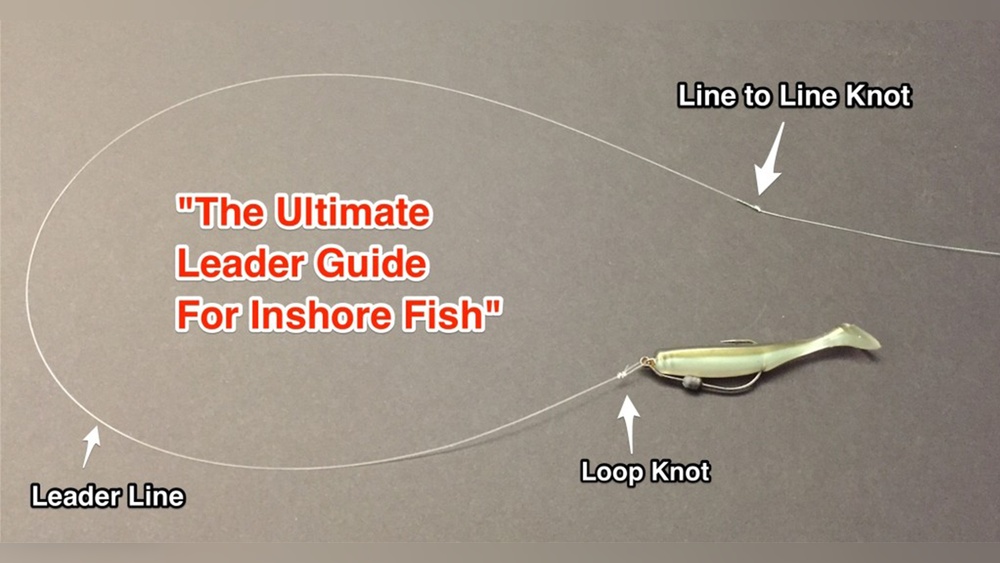
Fishing is more than just casting a line and waiting. The way you connect your main fishing line to your hook, lure, or sinker can make a huge difference in your success. This crucial connection is called a fishing leader. Tying fishing leaders properly is a skill that can save you from lost fish, broken lines, and wasted time. If you want to catch more fish and avoid common mistakes, learning how to tie fishing leaders is essential—even if you’re just starting out.
Many beginners think tying a leader is just about making a knot. But choosing the right knot, knowing when to use it, and understanding the different leader types can change your fishing results. In this guide, you’ll find clear, step-by-step instructions for tying the most effective fishing leader knots, practical tips from experienced anglers, and insights that even many hobbyists don’t know.
Whether you fish in freshwater or saltwater, this article will help you tie fishing leaders with confidence and skill.
What Is A Fishing Leader And Why Does It Matter?
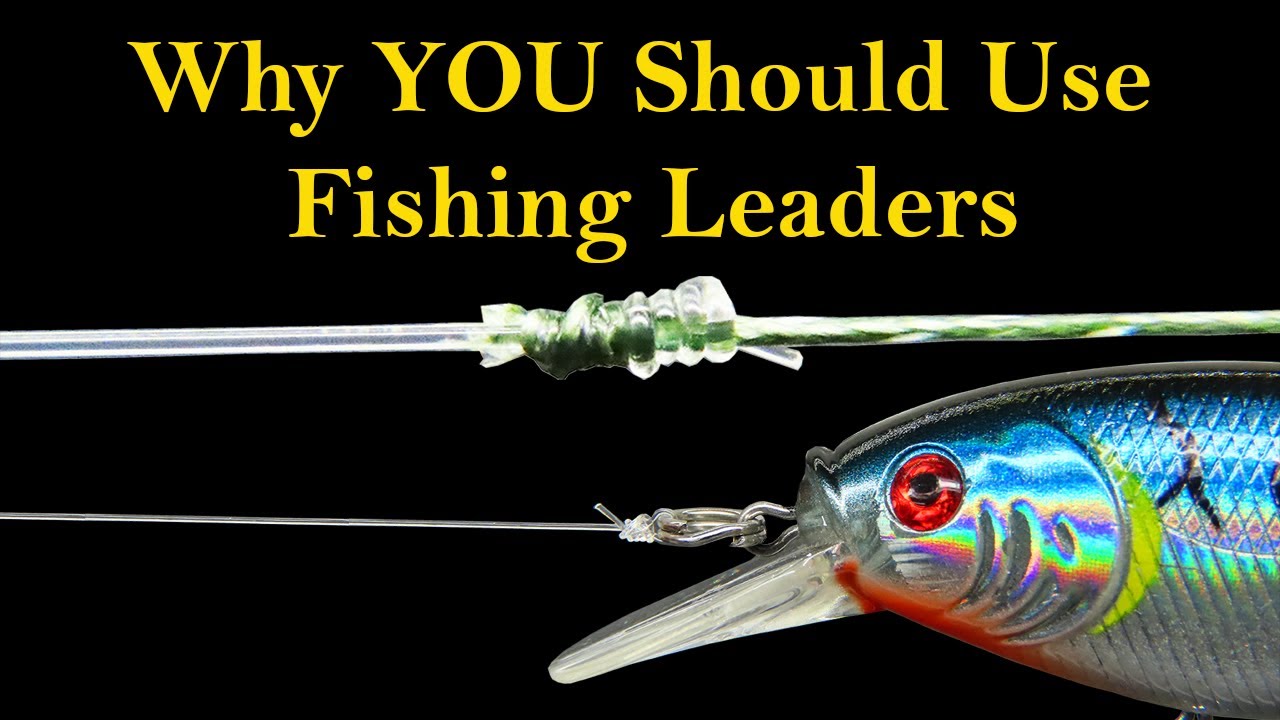
A fishing leader is a length of line that connects your main fishing line to the hook, lure, or sinker. Leaders are usually made from material that is stronger, less visible, or more resistant to abrasion than your main line. The main reasons to use a leader are:
- Preventing break-offs: Many fish have sharp teeth or rough mouths. Leaders are tougher, so they can handle bites and rough surfaces.
- Reducing visibility: Fish can sometimes see your line in the water. A leader made from clear fluorocarbon or thin wire is harder for fish to notice.
- Protecting from abrasion: Rocks, coral, and debris can wear down your line. Leaders are built to resist this damage.
- Handling big fish: Some target species are strong and fight hard. A leader gives extra strength where you need it most.
Leaders come in different materials. The most common are monofilament, fluorocarbon, and wire. Each has its use, and the best choice depends on your fishing style, target species, and environment.
When To Use A Fishing Leader
Knowing when to use a leader is as important as knowing how to tie one. Here are the main situations where a leader is needed:
- Targeting toothy fish: Pike, barracuda, bluefish, and similar species have sharp teeth that can cut through regular lines.
- Fishing in rocky or weedy areas: When fishing near rocks, reefs, or heavy vegetation, leaders resist cuts and scrapes.
- Clear water conditions: If the water is clear and fish are easily spooked, a low-visibility leader helps.
- Using heavy lures or rigs: Big lures and sinkers can put extra stress on your knots. Leaders add protection.
- Saltwater fishing: Many saltwater fish are strong and live around abrasive structures. Leaders are almost always used.
In some cases, such as when trolling or using certain rigs, you might not need a leader. But in most fishing situations, especially with larger or more cautious fish, a leader is a smart choice.
Credit: www.youtube.com
Types Of Fishing Leaders
Fishing leaders come in a few main types, each with its own purpose. Understanding the differences will help you choose the right one.
| Type | Material | Best For | Key Feature |
|---|---|---|---|
| Monofilament | Nylon | General use, freshwater, topwater | Stretchy, easy to tie |
| Fluorocarbon | Fluoropolymer | Clear water, cautious fish | Low visibility, abrasion resistant |
| Wire | Steel, titanium | Toothy fish, saltwater | Very tough, bite-proof |
Monofilament is flexible and affordable, making it popular for beginners. Fluorocarbon is nearly invisible underwater and great for finicky fish. Wire leaders are necessary for predators with sharp teeth. Some anglers even combine these, using a short wire section at the end of a longer mono or fluoro leader for extra protection.
Essential Fishing Leader Knots
The strength and reliability of your leader depend on the knot you use. Not all knots work with every type of leader or line. Here are the most important knots every angler should know:
- Double Uni Knot
- Albright Knot
- FG Knot
- Surgeon’s Knot
- Loop-to-Loop Connection
- Haywire Twist (for wire leaders)
- Blood Knot
- Improved Clinch Knot
- Palomar Knot
- Perfection Loop
Let’s look at how to tie each of these knots, with clear, step-by-step instructions and practical advice.
Double Uni Knot
The Double Uni Knot is a favorite for joining two lines of similar or different diameters. It works well for monofilament and fluorocarbon leaders, and even for connecting braid to mono.
How to tie it:
- Overlap the end of the main line and the leader, about 10 cm (4 inches).
- With the main line, make a loop and wrap the tag end around both lines 4-6 times. Pull tight.
- Repeat the same with the leader end, making the same number of wraps.
- Moisten the knot, then pull both main lines in opposite directions. The knots will slide together and lock.
Tip: Always wet the knot before tightening. This reduces friction and prevents line damage.
Albright Knot
The Albright Knot is great for joining lines of different thickness, such as braid to a heavy mono leader.
How to tie it:
- Make a loop in the leader line.
- Pass the tag end of the main line through the loop.
- Wrap the tag end back over itself and the loop 10 times.
- Pass the tag end back through the loop the same way it entered.
- Moisten and pull tight.
Non-obvious insight: Trim the tag ends closely, as bulky tags can catch on rod guides.
Fg Knot
The FG Knot is considered the strongest knot for connecting braided line to a fluorocarbon or mono leader. It is slim and passes easily through rod guides.
How to tie it:
- Place the leader and main line parallel.
- Wrap the braid over and under the leader 20 times, alternating sides.
- Make a series of half-hitches with the tag end to lock the wraps.
- Tighten carefully and trim excess.
Practical note: The FG Knot takes practice but gives unmatched strength and slimness.
Surgeon’s Knot
The Surgeon’s Knot is fast and easy, perfect for tying leaders when fishing in low light or with cold hands.
How to tie it:
- Lay the main line and leader side by side.
- Tie a simple overhand knot, passing both lines through the loop.
- Repeat, passing both lines through a second time.
- Moisten and pull tight.
Advantage: This knot works well even with lines of different diameters.
Loop-to-loop Connection
A Loop-to-Loop Connection is used to quickly connect two pre-tied loops (often on fly fishing leaders or tippets).
How to tie it:
- Tie a loop in both the main line and the leader (using a Perfection Loop or Surgeon’s Loop).
- Pass one loop through the other.
- Pull the leader through its own loop, then pull tight.
Benefit: This method allows for fast leader changes, useful when conditions or target species change.
Haywire Twist (for Wire Leaders)
When fishing for toothy predators, the Haywire Twist is the standard knot for tying wire leaders to hooks or lures.
How to tie it:
- Pass the wire through the hook eye, leaving about 15 cm (6 inches) of tag.
- Twist the tag and main wire together 4-5 times (the “haywire” part).
- Then make 4-5 barrel wraps with the tag end around the main wire.
- Bend the tag at a right angle and snap it off.
Pro tip: Do not cut the wire with pliers, as sharp ends can cut your hands or snag on gear.
Blood Knot
The Blood Knot is strong and slim, ideal for joining two lines of similar diameter, especially for fly fishing leaders.
How to tie it:
- Overlap the ends of both lines by about 15 cm (6 inches).
- Twist one tag end around the other line 5 times, then tuck it between the two lines.
- Repeat with the other tag end.
- Moisten, pull slowly, and trim the tags.
Extra advice: The blood knot is less bulky than double uni, making it better for delicate presentations.
Improved Clinch Knot
The Improved Clinch Knot is a classic knot for tying hooks or lures directly to the leader.
How to tie it:
- Pass the leader through the hook eye and wrap the tag end around the main line 5-7 times.
- Pass the tag end through the loop near the hook eye.
- Then pass it back through the big loop created.
- Moisten and pull tight.
Note: This knot is best for mono or fluoro lines, not for braid.
Palomar Knot
The Palomar Knot is simple, strong, and works well with both mono and braid.
How to tie it:
- Double the leader and pass it through the hook eye.
- Tie a simple overhand knot with the doubled line.
- Pass the hook or lure through the loop.
- Moisten and pull both ends to tighten.
Useful tip: The Palomar Knot keeps nearly all the line’s original strength.
Perfection Loop
The Perfection Loop is a neat, strong loop at the end of a leader, useful for loop-to-loop connections.
How to tie it:
- Make a small loop at the end of your leader.
- Wrap the tag end around the main line to form a second loop.
- Pass the tag end between the two loops.
- Pull the tag end to shrink the first loop, then pull the main line to tighten.
Key insight: This loop sits straight, so your lure or fly moves naturally.

Credit: www.amazon.com
Step-by-step Example: Tying A Fluorocarbon Leader To Braided Line
Let’s walk through a full example using the Double Uni Knot to connect a fluorocarbon leader to a braided main line.
- Cut a leader: Use about 60-100 cm (2-3 feet) of fluorocarbon. Thicker for bigger fish.
- Overlap lines: Place the end of the braid and the fluorocarbon side by side, overlapping about 10 cm (4 inches).
- Tie the first uni knot: Make a loop with the braid and wrap the tag end around both lines 6 times. Pull to snug.
- Tie the second uni knot: Repeat with the fluorocarbon, wrapping 4-5 times.
- Moisten and tighten: Wet the knots. Pull both main lines to slide the knots together.
- Trim excess: Cut the tag ends close to the knot.
Why this method? The Double Uni Knot is easy to learn and strong enough for most fishing situations. It works well with lines of different diameters.
How To Choose The Right Leader For Your Fishing
Choosing a leader isn’t just about material. Consider these factors:
- Fish species: For pike or barracuda, use wire. For bass or trout, mono or fluoro is fine.
- Water clarity: In clear water, fluorocarbon is best because it’s nearly invisible.
- Structure and cover: Fishing near rocks or oysters? Use a thicker or tougher leader.
- Bait or lure: Heavy lures need a strong leader. Small flies need a thin, subtle one.
- Fishing method: Trolling, bottom fishing, and fly fishing may require different leader setups.
Here’s a quick comparison of leader materials:
| Material | Visibility | Flexibility | Strength | Best For |
|---|---|---|---|---|
| Monofilament | Medium | High | Good | General use |
| Fluorocarbon | Low | Medium | Very good | Clear water |
| Wire | High | Low | Excellent | Toothy fish |
Non-obvious insight: Many anglers use a long fluorocarbon leader with a short wire bite tip for toothy fish, combining invisibility with strength.
Common Mistakes When Tying Fishing Leaders
Even experienced anglers make errors that can lead to lost fish. Watch out for these common mistakes:
- Not wetting the knot: Friction can weaken line or cause burning. Always moisten knots before tightening.
- Using the wrong knot for the material: Some knots slip or break easily with braid or wire. Match the knot to your line type.
- Leaving long tag ends: Tags can snag on rod guides or scare fish. Trim them close, but not so close that the knot unravels.
- Tying knots too quickly: Rushed knots can be weak or messy. Take your time for a clean tie.
- Using old or damaged leader material: Sunlight and age weaken line. Replace leaders often, especially after catching big fish or snags.
- Too short or too long leaders: Short leaders give no protection, while long leaders can tangle or reduce casting distance.
Extra tip: After tying, test your knot by pulling hard. If it slips or breaks, retie before fishing.
Practical Tips For Tying Leaders In The Field
- Carry a small bottle of water: Wetting knots is easier than using spit, especially in cold weather.
- Use a headlamp at night: Good light makes tying knots in low light much easier.
- Pre-tie leaders at home: Save time on the water by preparing leaders and storing them in small bags or spools.
- Practice at home: Use thick rope or colored line to practice knots, so you can tie them quickly when it matters.
- Use knot-tying tools: Small gadgets can help you tie strong knots, especially if your hands are cold or shaky.
Leader Length And Strength: How Much Is Enough?
The right leader length and strength depend on your target fish, water conditions, and technique.
Leader Length
- Short leaders (30-60 cm / 12-24 inches): Best for heavy cover or when casting is important.
- Medium leaders (60-100 cm / 2-3 feet): The standard for most freshwater and inshore saltwater fishing.
- Long leaders (over 1 meter / 3 feet): Useful for shy fish, clear water, or fly fishing.
Pro tip: For surf fishing, long leaders help avoid spooking fish. For trolling, shorter leaders reduce tangles.
Leader Strength
- Match leader strength to your main line: A leader that is too weak will break before your main line.
- Go heavier for bigger fish or tough environments: For example, use a 40 lb wire leader for pike, but only 6-10 lb fluorocarbon for trout.
Advanced insight: Sometimes, using a slightly weaker leader than your main line is smart. If you get snagged, the leader will break first, saving your expensive main line.
How To Attach Hooks, Lures, And Swivels To Your Leader
Attaching terminal tackle to your leader is just as important as connecting the leader to the main line. Here are the best knots and methods:
- Improved Clinch Knot: Best for mono/fluoro to hooks, lures, swivels.
- Palomar Knot: Strong for braid and mono/fluoro.
- Loop Knots (e.g., Perfection Loop, Non-Slip Loop Knot): Let lures and flies move more freely, increasing action.
- Haywire Twist: The only safe way to attach hooks to wire leaders.
Practical note: Use a small snap or swivel if you need to change lures quickly, but avoid bulky hardware in clear water, as it can scare fish.
Caring For Your Leaders
Leaders don’t last forever. To keep your connections strong:
- Check leaders for nicks or wear after each catch or snag.
- Replace leaders regularly, especially after catching big fish.
- Store leaders out of sunlight and away from heat to prevent weakening.
- Use line conditioner for monofilament and fluorocarbon to keep them flexible.
Non-obvious advice: If you fish in saltwater, rinse leaders with fresh water after each trip to remove salt and prevent corrosion.
When To Change Your Leader
Change your leader if you notice:
- Fraying or rough spots
- Cloudiness or discoloration
- After catching several big fish
- After fishing near sharp rocks or debris
- If knots start slipping
A weak leader means lost fish, so don’t risk it.

Credit: www.woolyyarn.com
Advanced Leader Setups
Some fishing styles require special leader setups:
- Shock leaders: Extra-strong leaders for surfcasting or heavy lures.
- Tapered leaders: Used in fly fishing for delicate presentation.
- Wire bite tippets: A short wire section tied to a longer mono/fluoro leader for toothy fish.
For complex rigs, combine knots like the FG for main-to-leader and Perfection Loop for terminal tackle.
Practice Makes Perfect
Tying fishing leaders is a skill that improves with practice. Spend time at home learning each knot, and don’t be discouraged if you make mistakes at first. Even professional anglers retie leaders often to avoid losing fish. Over time, you’ll find your favorite knots and develop a fast, reliable system for changing leaders on the water.
If you want to see animations or videos of these knots, the Animated Knots website is a trusted resource among anglers worldwide.
Frequently Asked Questions
What Is The Best Knot For Tying A Leader To Braid?
The FG Knot is considered the strongest and slimmest knot for connecting braid to a mono or fluorocarbon leader. The Double Uni Knot is easier and good for most situations.
How Long Should My Fishing Leader Be?
Most leaders are between 60 and 100 cm (2-3 feet). Use shorter leaders for heavy cover and longer ones for clear water or shy fish. Fly fishing leaders are often longer and tapered.
Can I Use The Same Knot For All Leader Materials?
No. Some knots work better with certain materials. For example, the Improved Clinch Knot is great for mono and fluoro, but not for braid. The Haywire Twist is best for wire leaders.
How Often Should I Change My Leader?
Change your leader if it shows signs of wear, after catching several big fish, or after fishing near sharp rocks or debris. A fresh leader can mean the difference between landing a trophy and losing it.
Do I Need A Leader When Fishing With Lures?
Yes, especially if you’re targeting fish with sharp teeth, fishing in clear water, or using heavy lures. A leader protects your main line and increases your chances of landing fish.
Tying fishing leaders is a skill every angler should master. It’s not just about knots—it’s about understanding your gear, adapting to conditions, and making smart choices to land more fish. With practice and the right knowledge, you’ll be ready for any fishing challenge.