
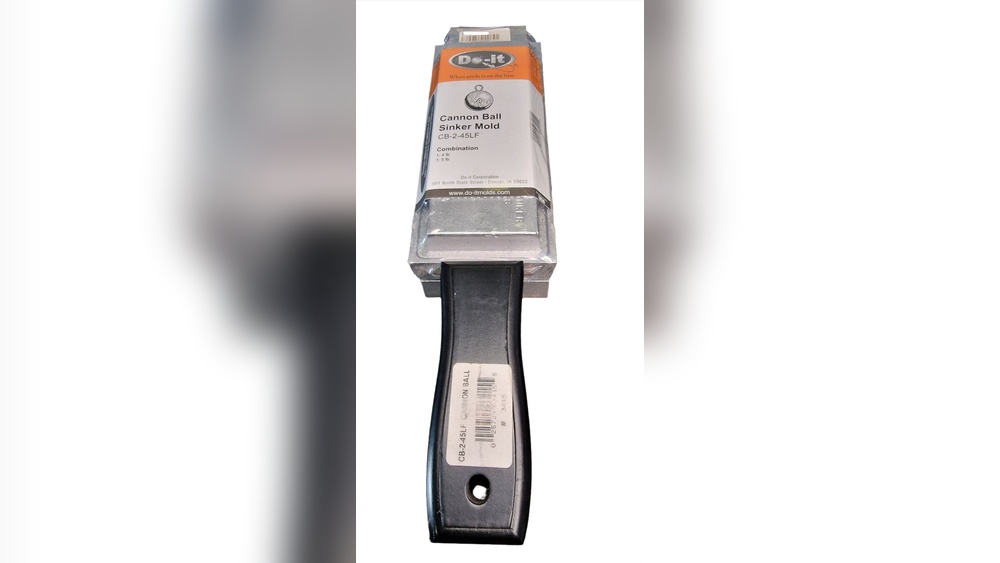
Fishing is more than just a pastime for many people. For some, it’s a deep passion, a way to connect with nature, and even a competitive sport. If you spend time on the water, you know that small details can make a big difference. One of those details is your fishing weight—or sinker. These small pieces of lead or other metals are crucial for getting your bait to the right depth and keeping it there. If you want full control over your tackle, Do It fishing weight molds open up a whole new world. With the right molds, you can customize your weights to match your fishing style, save money, and even create unique shapes that aren’t available in stores.
This article will guide you through everything you need to know about Do It fishing weight molds. You’ll learn what they are, why they matter, how to use them safely, and how to choose the best one for your needs. You’ll also get practical tips, expert advice, and answers to common questions that beginners often overlook.
What Are Do It Fishing Weight Molds?
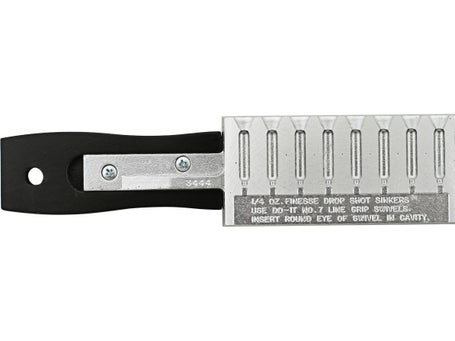
Do It fishing weight molds are specialized metal molds designed to help anglers make their own fishing sinkers. The brand “Do It” is well-known in the fishing community for producing reliable, high-quality molds that hobbyists and professionals use. These molds are typically made from strong aluminum, shaped for different types of fishing weights, such as egg sinkers, bank sinkers, split shot, and more. Each mold has a cavity shaped like the desired weight, and sometimes includes pins or inserts to form holes for fishing line.
Instead of buying pre-made sinkers, you can melt lead (or other metals), pour it into the mold, and make your own custom weights. This process is both practical and satisfying, letting you control size, shape, and quantity. You can even recycle old lead from damaged sinkers or other sources.
Why Make Your Own Fishing Weights?
Making your own weights may sound like a lot of work, but there are strong reasons why so many anglers do it.
- Cost savings: Store-bought sinkers can be expensive, especially in bulk or for specialized types. Making your own costs far less per piece.
- Customization: You can make weights in exactly the sizes and shapes you need for your fishing style, location, and target species.
- Availability: Some unique or specialty sinkers are hard to find in stores, but you can make them yourself.
- Sustainability: You can recycle used lead or other metals, reducing waste and environmental impact.
- Enjoyment: Many anglers simply enjoy the process and the feeling of self-sufficiency.
Most beginners don’t realize how much flexibility DIY molds offer. For example, you can adjust the weight by pouring less or more metal, and you can add different inserts for swivels or snaps. Over time, you’ll save money and have a tackle box full of exactly what you want.
Credit: magroadvogados.com
Types Of Do It Fishing Weight Molds
Not all weights are created equal. Do It offers a wide variety of molds, each suited for different fishing techniques and environments. Here are some of the most common types:
1. Bank Sinker Molds
Bank sinkers are long, flat weights often used in strong currents. Their shape helps them stay in place on the river or ocean bottom. Bank sinker molds usually have multiple cavities for different sizes, making them efficient for bulk production.
2. Egg Sinker Molds
Egg sinkers are oval-shaped, with a hole through the center. They are popular for bottom fishing because they slide easily along the line, letting fish take the bait without feeling resistance. This design works well for species like catfish and bass.
3. Split Shot Molds
Split shot are small, round weights with a split for pinching onto the line. They are perfect for fine-tuning the weight on light tackle. Do It split shot molds let you make large numbers of these tiny sinkers quickly.
4. Pyramid Sinker Molds
Pyramid sinkers are shaped like a pyramid, which helps them dig into sandy or muddy bottoms. They’re ideal for surf fishing, where strong waves or currents can move lighter sinkers.
5. Bullet Sinker Molds
Bullet sinkers are cone-shaped, often used in bass fishing with soft plastic lures. Their streamlined shape lets them slide easily through weeds and cover.
6. No Roll Sinker Molds
No roll sinkers have a flat, broad shape that resists rolling in current. Catfish anglers use these to keep baits in place on river bottoms.
7. Bell Sinker Molds
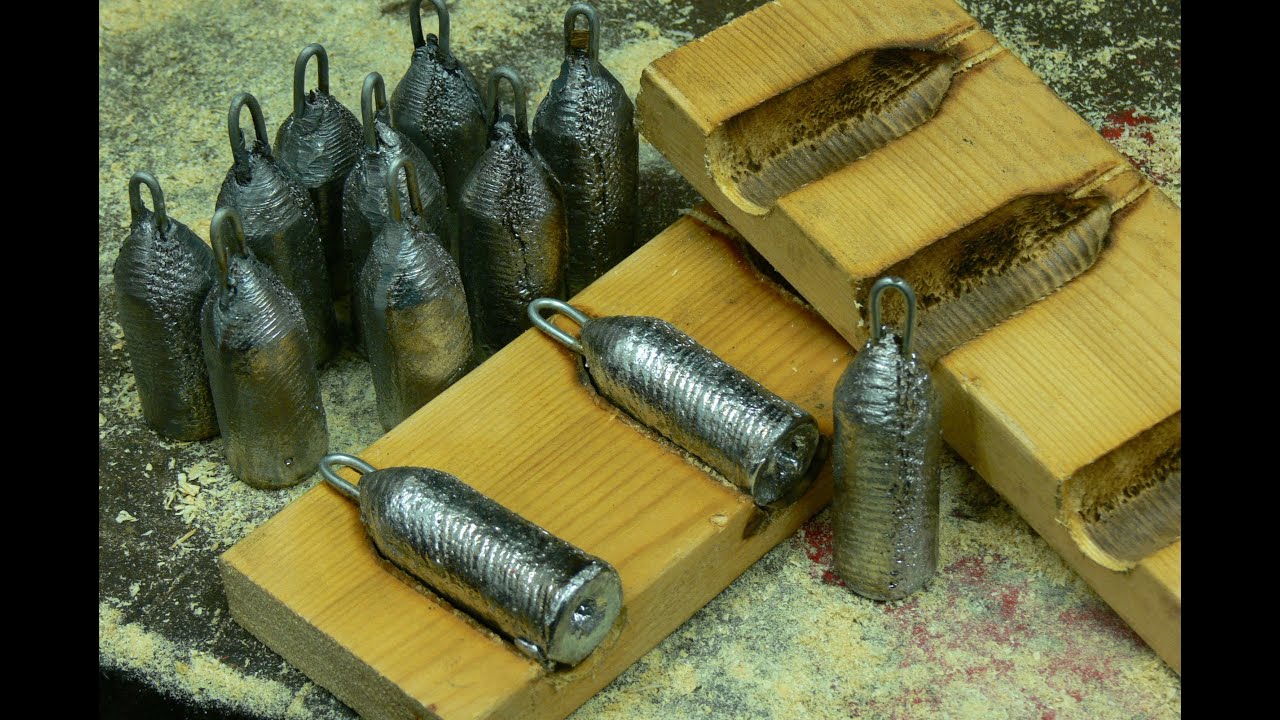
Bell sinkers are shaped like a bell, with a loop on top for attaching the line. They are common for deep-water fishing because they drop quickly and stay vertical.
8. Inline Sinker Molds
Inline sinkers have a slim, elongated shape with a hole through the center. They are used for trolling and drifting, especially in freshwater lakes.
9. Specialty Sinker Molds
Do It also makes specialty molds, such as walking sinkers, pencil sinkers, and even custom shapes for specific fishing methods. These are ideal if you need something unique or want to experiment with new techniques.
Here’s a comparison of some popular mold types and their typical uses:
| Sinker Type | Best For | Common Sizes (oz) |
|---|---|---|
| Bank | River, ocean, strong current | 1 – 16 |
| Egg | Bottom fishing, catfish, bass | 1/8 – 3 |
| Pyramid | Surf fishing, sandy bottoms | 1 – 8 |
| Bullet | Bass fishing, weedless rigs | 1/8 – 1 |
| Split Shot | Light tackle, panfish | 1/64 – 1/4 |
How To Use Do It Fishing Weight Molds
Making your own sinkers is simple, but it does require careful attention to safety and technique. Here is a step-by-step guide to get you started.
Step 1: Gather Materials And Tools
You will need:
- Do It fishing weight mold of your choice
- Lead ingots or scrap lead (make sure it’s clean and free of paint or dirt)
- A lead melting pot or a small cast-iron pot and heat source (such as a propane burner)
- A sturdy ladle for pouring
- Safety gear: Gloves, safety glasses, long sleeves, and a mask (lead fumes are toxic)
- A flat, stable work surface
- Pliers or tongs
- Lubricant (such as candle wax or graphite powder) for mold pins
Never use molds or tools meant for food after using them with lead.
Step 2: Prepare The Mold
Before you start, make sure your mold is clean and dry. Any moisture can cause molten lead to spatter, which is dangerous. Rub a little lubricant on the mold pins and moving parts. This helps the weights release smoothly after cooling.
Step 3: Melt The Lead
Heat your lead until it becomes a smooth, shiny liquid—usually at around 621°F (327°C). Use a well-ventilated area or work outdoors. Never melt lead in your kitchen or living space. Once the lead is fully melted, skim off any dross or impurities from the surface.
Step 4: Pour The Lead
Holding the mold steady and upright, carefully pour the molten lead into the cavities. Fill each cavity to the top, working quickly but safely. If your mold has pins for line holes, make sure they are in place before pouring.
Step 5: Let The Sinkers Cool
Wait a few moments for the lead to harden—this usually takes less than a minute. Open the mold carefully, and use pliers or tongs to remove the sinkers. Let them cool completely on a metal tray or old cookie sheet.
Step 6: Clean And Finish
Trim off any excess metal (called “flash”) from the sinkers with wire cutters or a file. If you want, you can paint your sinkers, add swivels, or stamp them with size numbers.
Step 7: Store Safely
Store finished sinkers in a clearly labeled container, out of reach of children and pets. Wash your hands after handling lead.
Most beginners forget to clean molds between uses, which can cause weights to stick or come out misshaped. Also, always preheat the mold slightly before pouring—it helps the lead flow better and reduces defects.

Credit: everestkitchennc.com
Safety Tips For Working With Lead
Working with molten lead is not dangerous if you follow basic safety rules. However, lead is toxic, and mistakes can cause burns or poisoning. Here are key tips you should never ignore:
- Always melt lead in a well-ventilated area, preferably outdoors.
- Wear protective gloves, goggles, and a mask to avoid burns and inhaling fumes.
- Never allow water near molten lead. Even a drop can cause an explosion of hot metal.
- Do not eat, drink, or smoke while working with lead.
- Wash your hands and clothes thoroughly after handling lead or weights.
- Store all lead and molds away from children and pets.
Some experienced anglers use old tire weights for raw material, but these can contain impurities. Always melt and skim off dross, and avoid using painted or rusty metal.
Choosing The Right Do It Fishing Weight Mold
With so many options, how do you pick the right mold? Here’s what matters most:
Fishing Style
Think about your target species and the waters you fish most often. For example, catfish anglers prefer no roll or egg sinkers, while surf fishermen choose pyramid molds.
Sinkers Sizes
Check the size range each mold offers. Some molds have multiple cavities, letting you make several sizes at once. This is handy if you fish different conditions or want to experiment.
Mold Construction
Do It molds are made from high-grade aluminum, which heats and cools quickly. Look for precise machining and solid handles. Avoid very old or heavily used molds that may not close tightly.
Cost And Value
A typical Do It mold costs between $30 and $60, depending on the type and number of cavities. While the upfront cost is higher than buying a few sinkers, you’ll save money quickly if you make weights in bulk.
Availability Of Accessories
Some molds require pins, inserts, or specific handles. Make sure these are included or easy to find. Don’t forget to consider melting pots, ladles, and safety gear as well.
Here’s a quick comparison of two common mold options:
| Mold | Sizes Offered | Number of Cavities | Best For |
|---|---|---|---|
| Egg Sinker Mold (Model EG-9-12) | 1/8, 1/4, 3/8, 1/2, 5/8, 3/4, 1, 1.5, 2 | 9 | Catfish, bottom fishing |
| Bank Sinker Mold (Model BK-4-12) | 4, 5, 6, 8, 10, 12 | 6 | Strong current, ocean |
Most beginners overlook the importance of mold size. If you only fish small rivers, a mold for 8-oz sinkers is overkill. Choose based on your most common needs.
Common Mistakes And How To Avoid Them
Making fishing weights is straightforward, but even experienced anglers make mistakes. Here are some pitfalls and how to fix them:
- Pouring too cold: If the lead or mold is not hot enough, the sinker will be rough or incomplete. Preheat both before pouring.
- Ignoring safety: Always wear gloves, goggles, and a mask—even for small batches.
- Overfilling molds: This creates large “flash” that must be trimmed. Pour just to the top of the cavity.
- Using dirty lead: Impurities cause bubbles and weak spots. Skim the dross before pouring.
- Forgetting to lubricate pins: Dry pins can stick in the finished weight, making removal difficult.
You can avoid most problems by preparing your workspace and tools carefully.
Advanced Tips For Better Sinkers
Once you get comfortable with basic pouring, you can improve your results with these advanced strategies:
- Use pure lead for best results. Alloys with antimony are harder but can make sinkers brittle.
- Customize colors by painting sinkers. This can reduce glare in clear water or attract certain fish.
- Add swivels or wire loops during pouring to make weight changes faster on the water.
- Make molds last longer by cleaning them after each use and storing in a dry place.
Experienced anglers sometimes make small modifications to their molds, such as drilling extra vent holes for smoother pours. This is advanced, so don’t try until you have plenty of practice.
Credit: aeroclubcomo.com
Where To Buy Do It Fishing Weight Molds
Do It molds are widely available online and in specialty fishing shops. The official Do It Molds website has the largest selection, but you can also find them at major retailers like Bass Pro Shops, Cabela’s, and Amazon. Local tackle shops sometimes carry popular models as well.
When buying used molds (for example, on eBay), check photos carefully. Avoid molds with cracks, heavy corrosion, or missing pins. Genuine Do It molds are stamped with their logo and model number.
For more information about lead safety and fishing tackle, you can visit Wikipedia’s Sinker (fishing) page.
Frequently Asked Questions
What Metals Can I Use With Do It Fishing Weight Molds?
Most anglers use lead because it’s dense, melts at a low temperature, and is affordable. However, you can also use tin, bismuth, or tungsten. Keep in mind that these metals melt at different temperatures and may require special tools or techniques. Always check the manufacturer’s instructions before trying a new material.
Are Homemade Sinkers As Good As Store-bought Ones?
Yes, if you use a quality mold and clean materials, your homemade sinkers will perform just as well as commercial versions. In fact, many anglers prefer DIY sinkers because they can match the weight and style perfectly to their needs.
Is It Legal To Make My Own Fishing Weights?
In most places, it is legal to make your own sinkers for personal use. However, some regions have restrictions on lead fishing tackle due to environmental concerns. Always check local regulations before making or using lead sinkers, especially in protected waters.
How Long Does A Do It Mold Last?
With proper care, a Do It mold can last for many years—even decades. Clean the mold after each use, store it dry, and avoid dropping or hitting it. The aluminum construction is very durable, but rough handling can cause damage.
Can I Make Other Tackle With Do It Molds?
Yes, Do It makes molds for jigs, lures, and even soft plastics. Each mold is designed for a specific purpose, so be sure to get the right one for your project. Making your own tackle is a great way to learn new skills and customize your gear.
Final Thoughts
Do It fishing weight molds are a smart investment for serious anglers. They put you in control of your tackle, save you money, and open up creative possibilities that store-bought sinkers can’t match. While there’s a learning curve, the process is safe and rewarding if you follow basic guidelines. Start with a simple mold and practice good safety habits. Soon, you’ll have a personalized selection of sinkers ready for any fishing trip. Whether you fish for bass, catfish, or anything in between, making your own weights lets you fish your way—and that’s what makes the hobby truly satisfying.