
Saltwater fishing is a world of excitement and challenge. The ocean’s unpredictable waters, strong fish, and sharp coral demand more from your gear than freshwater fishing ever will. One part of your setup that can make or break your day is the leader line. Getting the length of your leader right is not as simple as copying someone else’s rig. It depends on where, how, and what you fish for. Many anglers struggle to find the ideal leader length, especially with so much conflicting advice online. This article will break down everything you need to know to choose the perfect leader length for saltwater fishing. Whether you’re casting off a pier, trolling offshore, or wading the flats, you’ll learn how the right leader can help you land more fish—and avoid painful mistakes.
What Is A Leader Line In Saltwater Fishing?
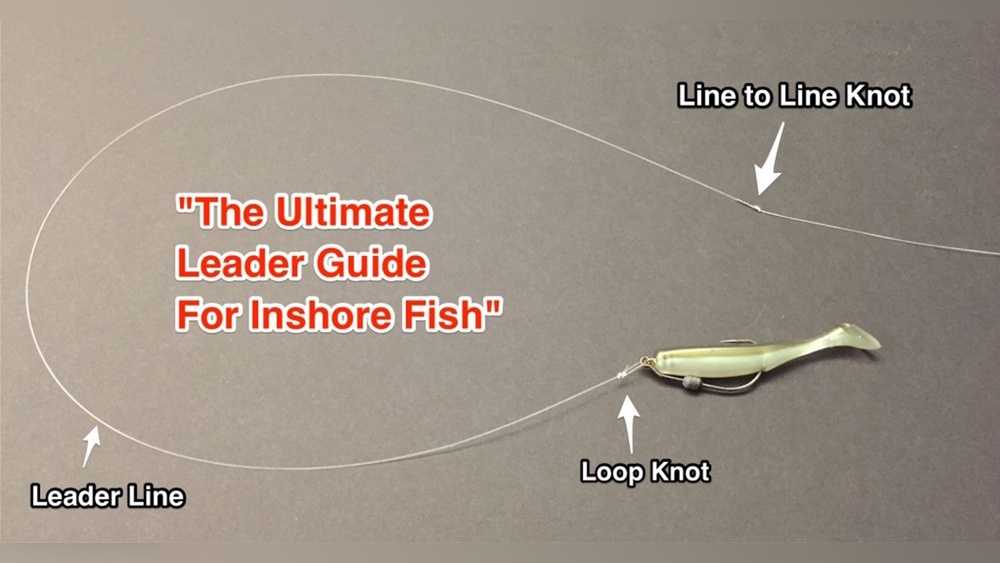
A leader line is a separate section of fishing line tied between your main line and your hook, lure, or bait. It acts as a shock absorber and a shield. In saltwater fishing, leaders are critical because of sharp rocks, abrasive fish teeth, barnacles, and the sheer size of fish you might hook. Most leaders are made from fluorocarbon or monofilament because these materials offer better abrasion resistance and invisibility in water compared to regular main line.
Saltwater species like tarpon, snook, or king mackerel can cut through weak lines in seconds. Even smaller species around piers or jetties can break you off if your leader is too short or too light. That’s why understanding leader length matters as much as choosing the right rod, reel, or bait.
Why Leader Length Matters
The length of your leader impacts more than you might think. A short leader can expose your main line to rocks or fish teeth, causing break-offs. But a leader that’s too long can reduce casting distance, make knots weaker, or even spook wary fish. The goal is to balance stealth, strength, and practicality.
Here’s why leader length is critical:
- Abrasion protection: Longer leaders protect more of your line from obstacles.
- Stealth: The right length keeps visible main lines away from the fish.
- Bait presentation: Leader length can affect how your bait or lure moves in water.
- Knot strength: The more knots, the more potential weak points. Longer leaders mean more knots but sometimes safer fish.
Many beginners overlook how leader length interacts with water clarity, fish species, and their own casting style. For example, crystal-clear water often requires longer leaders for best results.
Standard Leader Lengths In Saltwater Fishing
While no single leader length works for every situation, there are some common starting points. Most saltwater anglers use leaders from 18 inches to 6 feet (about 45 cm to 1.8 meters). Let’s look at typical leader lengths for different scenarios:
- Inshore fishing (redfish, snook, trout): 24–36 inches (60–90 cm)
- Pier/jetty fishing: 36–48 inches (90–120 cm)
- Surf fishing: 36–60 inches (90–150 cm)
- Offshore trolling: 4–6 feet (1.2–1.8 meters)
- Live bait fishing: 3–6 feet (90 cm–1.8 meters)
- Bottom fishing: 18–36 inches (45–90 cm)
These are general guidelines. Your own fishing spot and target species might require adjustments.
Factors That Affect Leader Line Length
Choosing the right leader length isn’t just about copying what works for someone else. You need to consider:
1. Target Species
Big, toothy fish like barracuda or kingfish need longer, heavier leaders than smaller, less aggressive species. Fish that are easily spooked, like bonefish or permit, may require longer, lighter leaders for stealth.
2. Water Clarity
Clear water means fish see your line more easily. In these conditions, a longer leader (often 4–6 feet) keeps your main line away from the fish’s view. In stained or murky water, you can use a shorter leader since fish rely more on smell and vibration.
3. Fishing Method
- Casting lures: Shorter leaders (18–30 inches) avoid casting issues.
- Drifting or trolling: Longer leaders (4–6 feet) give baits a more natural movement.
- Bottom fishing: Shorter leaders provide better sensitivity and control.
4. Structure And Obstructions
Are you fishing around rocks, reefs, or docks? Go longer (up to 6 feet) to protect your line. In open water, a shorter leader may work fine.
5. Bait Or Lure Type
Some lures, like topwater plugs, work best with a short leader for better action. Live bait often needs a longer leader to appear more natural.
6. Line Visibility
If your main line is braided, which is highly visible, a longer fluorocarbon leader can help hide the line from suspicious fish.
7. Knot Strength And Casting
Long leaders mean more knots. Every knot is a weak point. Also, leaders longer than your rod make casting and landing fish harder.
Practical Examples Of Leader Lengths
Let’s see how these factors play out in real-world situations.
- Flats fishing for bonefish in clear water: Use a 5–6 foot fluorocarbon leader. Bonefish are easily spooked, and water is very clear.
- Pier fishing for snook: A 3–4 foot monofilament leader protects against barnacles and dock pilings.
- Trolling for mahi-mahi offshore: A 5–6 foot leader keeps baits moving naturally and away from boat noise.
- Surf fishing for bluefish: A 3–5 foot wire or heavy mono leader resists sharp teeth.
How To Measure And Cut Leader Line
Measuring your leader is simple, but a few tips can make it easier:
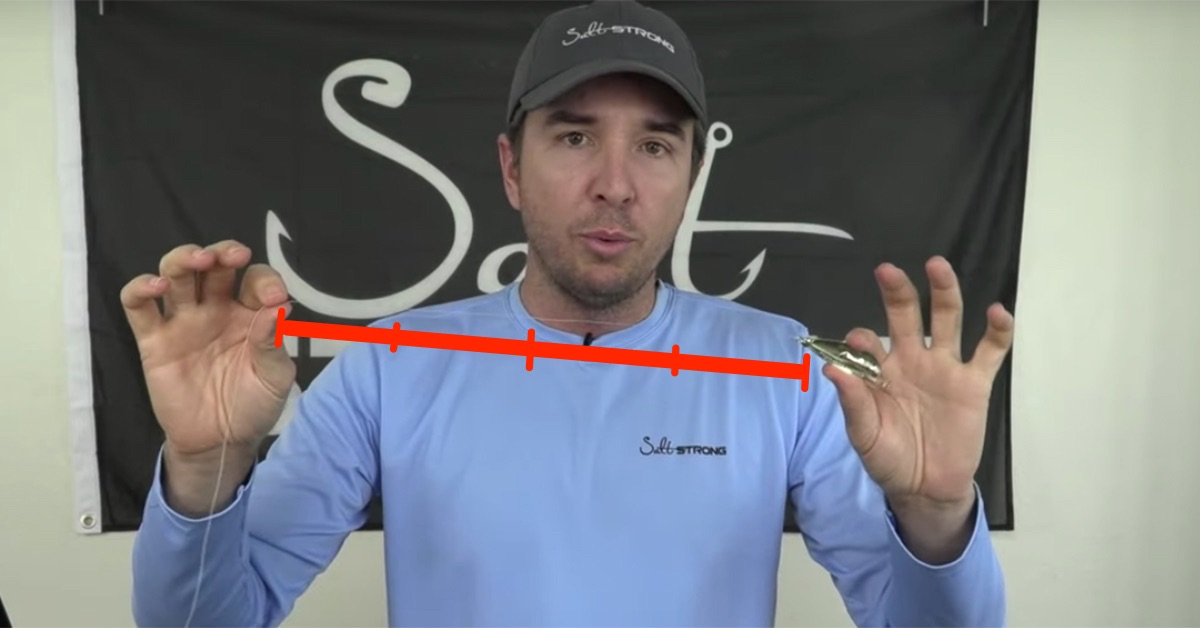
- Estimate length with arm spans: One arm span is about 3 feet (90 cm) for most adults.
- Use a tape measure: For precise leader lengths, especially for picky species.
- Mark your spools: Some anglers place tape on their leader spools for quick measuring.
Cut your leader with sharp scissors or line cutters to avoid frayed ends that weaken knots.
Credit: www.saltstrong.com
Leader Line Material: Does It Change Length?
Fluorocarbon and monofilament are the most common leader materials. Both can be used for any length, but each has strengths:
- Fluorocarbon: Nearly invisible, sinks, more abrasion-resistant, stiffer.
- Monofilament: Slightly more visible, floats, more stretch, cheaper.
For longer leaders, fluorocarbon is often preferred because its invisibility makes longer leaders less noticeable to fish.
Leader Length Vs. Leader Strength
Length and strength are related, but not the same. A long leader won’t help if it’s too weak, and a thick leader that’s too short can get cut by rocks. Always match your leader’s pound test (strength) to the fish and conditions.
Here’s a quick comparison:
| Situation | Leader Length | Leader Strength |
|---|---|---|
| Inshore trout | 24–30 inches | 10–20 lb |
| Snook around docks | 36–48 inches | 25–40 lb |
| Offshore trolling | 5–6 feet | 40–80 lb |
| Surf fishing (sharks) | 4–6 feet | 80–100 lb (wire) |
Pro tip: It’s better to go slightly heavier on leader strength for saltwater than you might for freshwater.
Leader Length For Different Saltwater Techniques
Inshore Fishing
Targeting redfish, speckled trout, or flounder? Inshore anglers often use leaders between 24 and 36 inches. This length is enough to protect against oyster beds and light structure but short enough for easy casting. If water is super clear, bump up to 4 feet.
Offshore Trolling
For species like tuna, mahi-mahi, or wahoo, use leaders from 4 to 6 feet. The longer leader keeps heavy gear and visible line away from the lure and absorbs shock from hard strikes. Fluorocarbon is common here, especially in clear blue water.
Surf Fishing
Surf anglers face waves, rocks, and sometimes toothy predators. Leaders between 36 and 60 inches are standard. For small species, stick to the lower end. For sharks or bluefish, go longer and use wire or heavy mono.
Jigging And Popping
Vertical jigging or casting poppers for tuna or amberjack? Leaders are usually 3–5 feet. Too long, and it’s hard to work the lure; too short, and you risk break-offs.
Live Bait
For drifting or slow-trolling live bait, a 4–6 foot leader allows natural movement and keeps suspicious fish from seeing the main line.
Bottom Fishing
When dropping baits to the sea floor, leaders of 18–36 inches give enough abrasion protection without reducing sensitivity. Use heavier leaders around reefs or wrecks.
Leader Length For Popular Saltwater Species
Not all fish need the same leader. Here’s a guide to common saltwater targets:
| Species | Recommended Leader Length | Notes |
|---|---|---|
| Redfish | 24–36 inches | Increase if water is clear |
| Snook | 36–48 inches | Monofilament for abrasion |
| Bonefish | 4–6 feet | Fluorocarbon for invisibility |
| Tarpon | 5–6 feet | Heavy leader, check for frays often |
| Mahi-mahi | 4–6 feet | Longer for trolling, shorter for casting |
| King mackerel | 3–4 feet | Wire leader often needed |
| Sharks | 4–6 feet | Wire or 100+ lb mono |
Common Mistakes When Choosing Leader Length
Many anglers make simple mistakes with leader length. Avoid these pitfalls:
- Using the same leader everywhere: Conditions change. Adjust leader length for each location.
- Forgetting about water clarity: Clear water almost always needs a longer leader.
- Making leaders too long: If your leader is longer than your rod, landing fish becomes awkward and you risk knot failure.
- Ignoring species’ habits: Fish that hunt by sight may need longer, lighter leaders.
- Using the wrong material for length: Very long mono leaders can stretch too much; switch to fluorocarbon when going long.
Little-known tip: Some experienced anglers carry several pre-tied leaders of different lengths and swap them as conditions change.
How To Attach The Leader: Knots And Connections
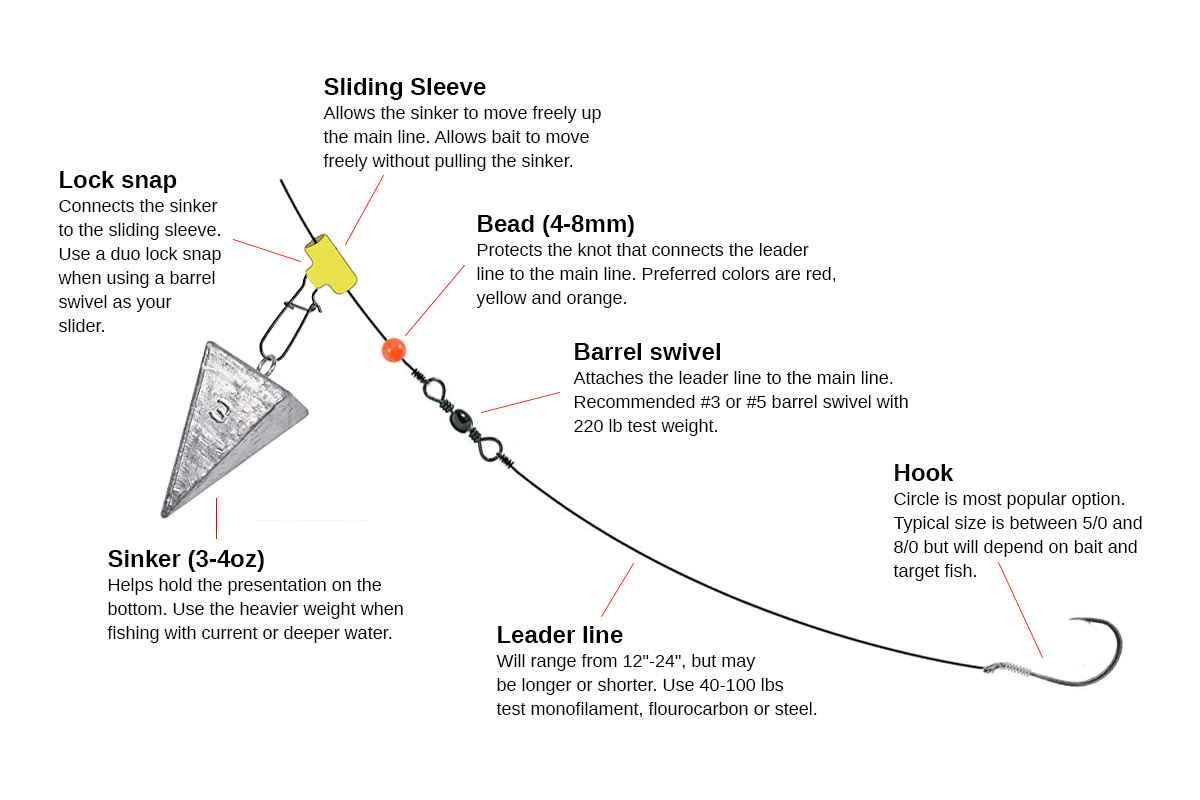
The way you connect your leader to your main line can affect how long your leader should be. Popular knots include:
- Double Uni Knot: Good for similar diameter lines.
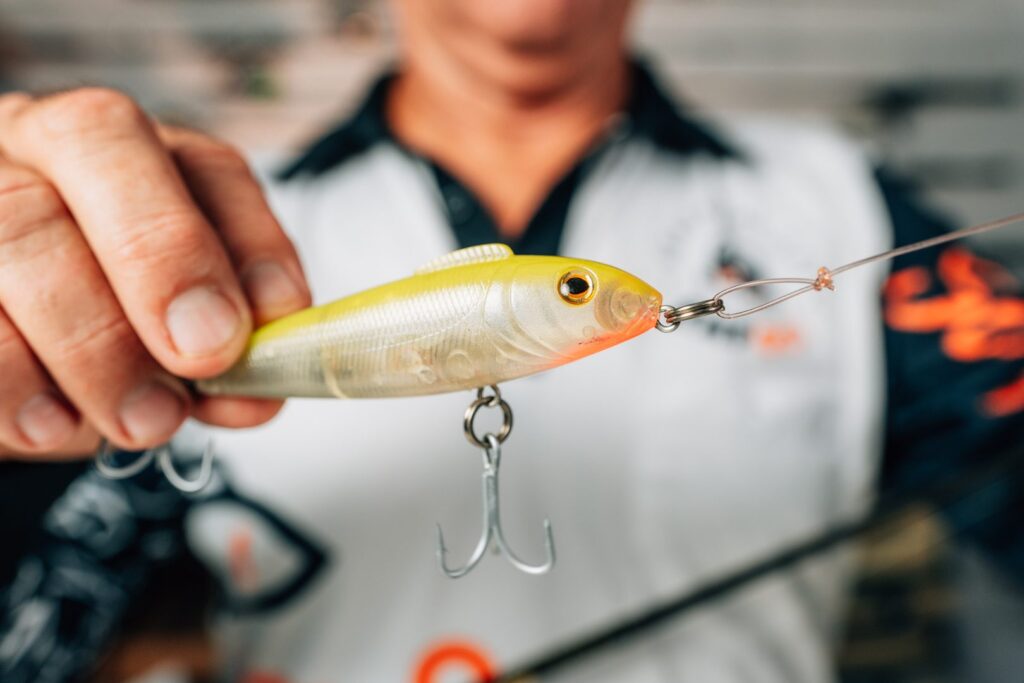
- FG Knot: Best for braid to fluorocarbon, keeps the knot slim for long leaders.
- Albright Knot: Works well for joining different materials.
For leaders longer than about 3 feet, the knot must pass through your rod guides. The FG Knot is best here because it’s slim and strong.
If you use swivels, keep the leader a bit shorter so the swivel doesn’t get stuck in the guides.
Leader Length And Knot Strength
The longer your leader, the more stress your knots will face during casting and fighting fish. Always test your knots by pulling hard before fishing. Re-tie leaders after every trip or after landing a big fish.
Overlooked detail: The knot connecting your leader to your main line often fails before the leader itself does. Practicing knot tying with the specific leader length you use will improve your results.
Leader Length And Casting Distance
Many anglers don’t realize that leader length can affect how far they cast. A leader that’s too long (especially with a heavy knot) can catch on the rod guides, reducing distance and accuracy. For long casting, keep the leader short enough that the knot sits just outside the tip when you cast.
Leader Length For Braided Main Lines
Braided lines are strong but highly visible. Most saltwater anglers use a longer leader (3–6 feet) when fishing braid, especially in clear water. The leader acts as a “shock absorber,” reducing break-offs during sudden runs.
Expert insight: Some anglers use a short leader for casting distance, then add a longer “shock leader” only when targeting large or toothy fish.
Adjusting Leader Length On The Water
Conditions can change during your fishing trip. If the water clears up, or fish start acting spooky, tie on a longer leader. If you need more casting distance, trim your leader a bit. Carry extra leader material and scissors to adjust quickly.
Leader Line Myths And Real-world Experience
Many new anglers believe you must always use a very long leader for saltwater fishing. In reality, leader length is about matching the situation. Some pro guides use only 2-foot leaders for inshore fishing because they know the water is stained and fish aren’t leader-shy.
Another myth: “Longer is always better.” This isn’t true if it weakens your knots, reduces casting, or makes landing fish difficult. Experience teaches that changing leader length as conditions change catches more fish than sticking to one standard.
Leader Length And Fish Behavior
Fish learn from experience. In high-pressure areas where they see lots of anglers, longer leaders may help. In remote spots or during feeding frenzies, leader length becomes less important. Watch how fish react to your bait or lure and adjust as needed.
Credit: norrik.com
Leader Length And Weather Conditions
Strong winds and waves can affect your casting and bait presentation. Shorter leaders are easier to cast accurately in windy conditions. In calm, clear weather, use a longer leader for stealth.
Quick Reference Guide: Leader Length Suggestions
Here’s a summary for quick reference:
| Situation | Leader Length |
|---|---|
| Clear water, spooky fish | 5–6 feet |
| Murky water, aggressive fish | 2–3 feet |
| Heavy structure (rocks, docks) | 4–5 feet |
| Long casting needed | 2–3 feet |
| Toothy species | 3–4 feet wire/heavy mono |
Expert Tips For Leader Line Success
- Carry several pre-tied leaders in different lengths and strengths.
- Replace leaders after landing big fish or if you see any fraying.
- Use fluorocarbon for long leaders in clear water, monofilament for short leaders where stretch helps.
- Practice your knots with the actual leader length you’ll fish.
- If in doubt, start with a 3-foot leader and adjust as you fish.
- Watch how the fish respond—sometimes a small change in leader length makes a big difference.
When To Break The Rules
Some situations demand you ignore the standard advice. For example, when fishing for massive tarpon around bridges, guides sometimes use leaders over 8 feet long, even though this makes landing fish harder. If nothing else is working, experiment with leader length—sometimes, that’s what triggers a bite.
Learning From Experience
Every spot, season, and fish can be different. The best anglers keep notes on what leader lengths work (and fail) in each situation. Over time, you’ll develop a feel for what works best in your waters. Don’t be afraid to ask local guides or tackle shops for advice—they often know what’s working that week.
For more on leader materials and advanced tactics, see this Sport Fishing Magazine guide.
Frequently Asked Questions
How Do I Know If My Leader Is Too Long Or Too Short?
If your leader is too long, you may notice knots catching in your rod guides, trouble landing fish, or reduced casting distance. If it’s too short, you might lose fish to break-offs near rocks or see fish ignoring your bait in clear water. Adjust until you get good hook-ups without losing fish.
Can I Use The Same Leader Length For All Saltwater Fish?
No. Different species and conditions call for different leader lengths. For example, you need a longer, heavier leader for tarpon or sharks than for sea trout. Always adjust your leader to the fish and environment.
Does Leader Color Matter In Saltwater?
Clear leaders are best for most situations, especially in bright, clear water. Some anglers use colored leaders in murky water or at night, but it’s less common. Focus more on length and material than color.
How Often Should I Replace My Leader?
Check your leader after every fish or snag. If you see nicks, frays, or stretching, replace it immediately. In saltwater, leaders wear out faster due to abrasion and UV light.
Is It Better To Use Fluorocarbon Or Monofilament For Long Leaders?
Fluorocarbon is usually preferred for long leaders in saltwater because it’s nearly invisible and abrasion-resistant. Monofilament is good for short leaders where stretch and shock absorption are helpful.
Saltwater fishing success often comes down to the small details. The right leader length is one of those details that can turn a frustrating day into a memorable one. By understanding when and why to use different leader lengths—and by making adjustments on the water—you’ll be ready for whatever the ocean throws your way.
Credit: www.ryanmoodyfishing.com