
Fishing is a passion for many people around the world. Whether you love casting from the shore, paddling in a kayak, or standing in a boat, the tools you use matter. One decision often overlooked by beginners—and even some experienced anglers—is the choice between a left-handed or right-handed fishing reel. While this might sound simple, it can make a big difference in comfort, efficiency, and even your catch rate. This choice affects not just how you fish, but how enjoyable and effective your time on the water is.
Many people choose their fishing reel based on what’s available or what friends recommend. Some don’t even realize they have a choice. But using the wrong reel for your dominant hand can lead to fatigue, slower reaction time, and missed catches.
Understanding the differences between left vs right handed fishing reels, and knowing which one fits you, is essential for every angler. Let’s dive deep into what sets these reels apart, why it matters, and how to make the best choice for your fishing style.
What Are Left And Right Handed Fishing Reels?
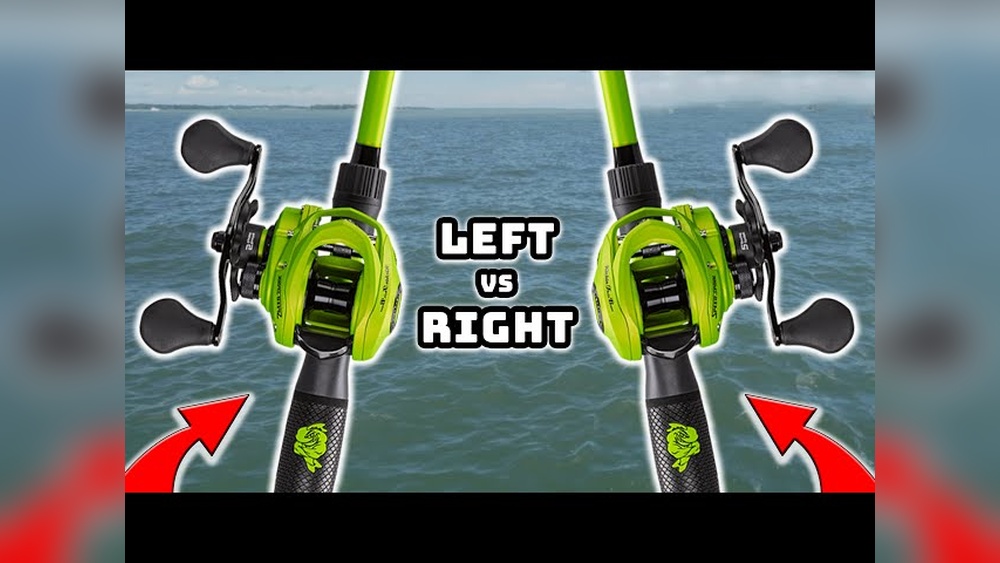
Before you decide which is best, you need to know what left-handed and right-handed fishing reels actually mean. It’s not just about whether you are left or right-handed. The terms refer to the side on which the reel’s handle is located.
- Right-handed reel: The handle is on the right side of the reel. Traditionally, this is for right-handed people who cast with their right hand and then switch the rod to their left to retrieve with their right hand.
- Left-handed reel: The handle is on the left side of the reel. This is for those who prefer to cast with their right hand and retrieve with their left, without switching hands.
The confusion often comes from old fishing habits and the way many reels were made in the past. Years ago, most reels were right-handed because that was the standard. Today, you can find both types for almost any style of fishing.
How Reel Handedness Affects Fishing
Choosing the right reel is more than just a matter of preference—it can impact your entire fishing experience.
Casting And Retrieving
Most anglers cast with their dominant hand. If you’re right-handed, you likely cast best with your right hand. But with a right-handed reel, you have to switch hands after casting to reel in the line. This switch may waste time and feel awkward, especially for beginners.
A left-handed reel lets you cast with your right and immediately start retrieving with your left. This smooth motion can be faster and more natural.
Comfort And Fatigue
Using the wrong reel can cause discomfort after a long day on the water. For example, if you’re always switching hands or using your non-dominant hand to retrieve, you may get tired faster. Over time, this can even lead to muscle strain.
Hooksets And Control
The hand you use to hold the rod is usually your strongest and most coordinated. This matters when you need to set the hook after a fish bites. If you hold the rod with your dominant hand, you have more control and can react quickly.
The reel handle’s position affects this.
History And Tradition Of Reel Handedness
Understanding why right-handed reels became standard helps explain why many people use them even if they’re not ideal. Early fishing reels, especially baitcasters, were made for right-handed retrieves. Anglers would cast with their right hand, then switch the rod to their left to reel with their right.
This pattern became a habit passed down through generations.
Spinning reels changed this tradition. They were designed with handles on the left, allowing right-handed anglers to cast and retrieve without switching hands. This design made fishing more efficient and comfortable, and slowly, left-handed options became common for all reel types.
Still, many baitcasting reels default to right-handed, and some fishing guides teach this way out of tradition. But today, anglers have more choices and can select what feels best for them.
Main Types Of Fishing Reels And Handedness
Not all fishing reels are created equal. The most popular types—spinning, baitcasting, and spincast—each handle handedness differently.
Spinning Reels
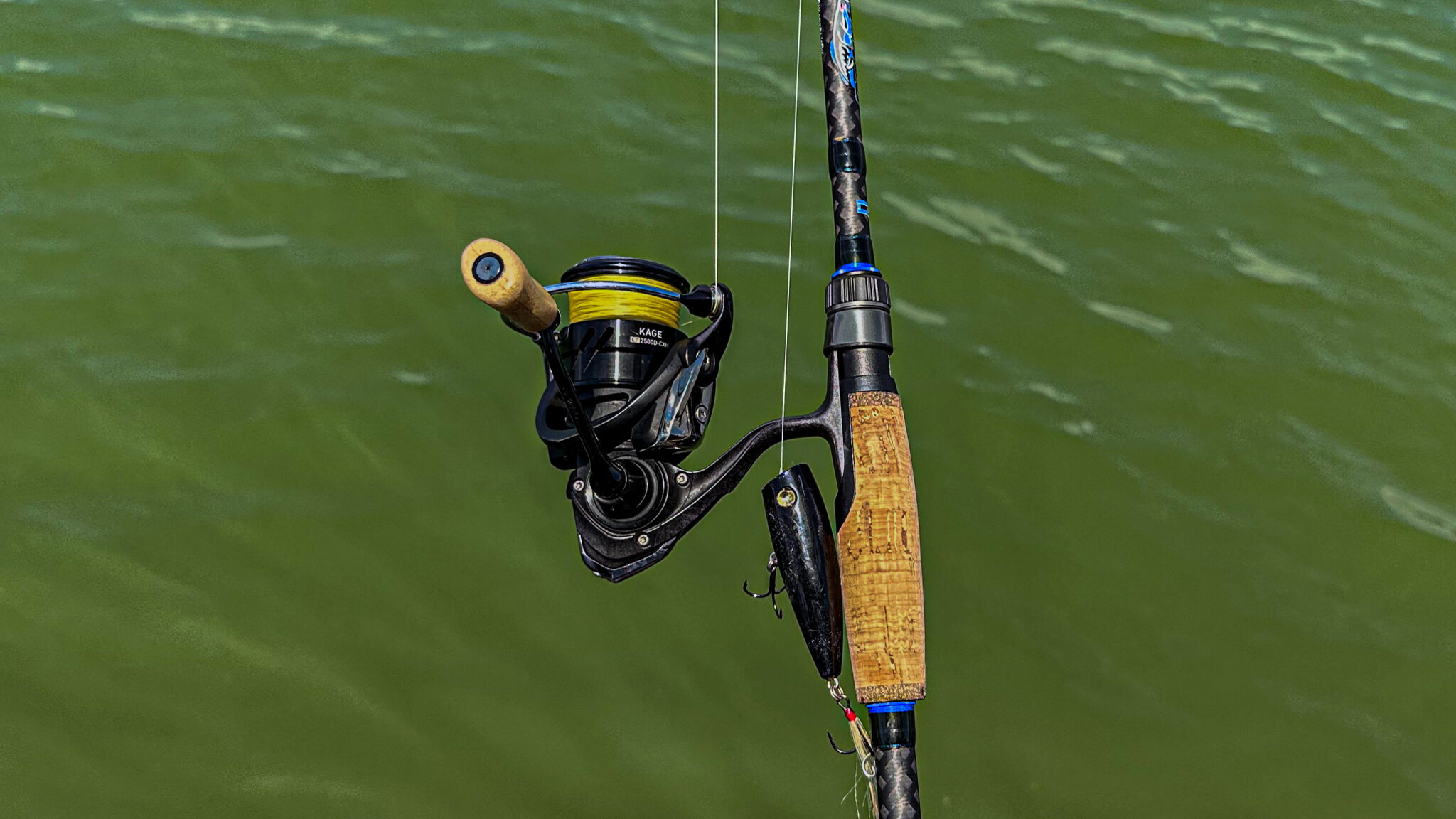
Spinning reels are the most popular for beginners. Most have handles that can switch sides. This means you can easily change from left to right handed by moving the handle. For most right-handed anglers, the handle goes on the left side.
Baitcasting Reels
Baitcasting reels are often used for heavier lures and bigger fish. Traditionally, these have fixed handles on the right side. Left-handed models now exist, but they are sometimes harder to find and may be more expensive.
Spincast Reels
Spincast reels are usually found on beginner combos. Many let you switch the handle from side to side, but not all do.
Fly Reels
Fly fishing reels can often be converted between left and right hand retrieve, but it usually requires taking the reel apart and reversing the mechanism.
Here’s a quick look at how common each type of reel is for left and right handed fishing:
| Reel Type | Left Handed Available | Right Handed Available | Switchable Handle |
|---|---|---|---|
| Spinning | Yes | Yes | Yes |
| Baitcasting | Yes (less common) | Yes | No |
| Spincast | Yes | Yes | Sometimes |
| Fly | Yes (convertible) | Yes (convertible) | No (conversion only) |
How To Choose The Right Reel For You
Making the right choice doesn’t just depend on whether you write with your left or right hand. There are several steps to finding the perfect reel for your needs.
1. Know Your Dominant Hand
Most people are right-handed, but about 10% are left-handed. Your dominant hand is usually stronger and more coordinated. Most right-handed people cast with their right hand and want to hold the rod in their right, so a left-handed reel is usually best for them.
2. Consider Your Casting Style
Some anglers prefer to switch hands after casting, especially if they learned on traditional right-handed reels. Others want to keep the rod in the same hand the whole time. Think about what feels smooth and natural for you.
3. Type Of Fishing
Certain types of fishing may require quick reactions. For example, bass fishing with baitcasters often needs fast hooksets. Using your dominant hand to hold the rod (not the reel) can improve your reaction time and control.
4. Try Both Styles
If you’re not sure, try using both types of reels before buying. Borrow a friend’s rod, or visit a tackle shop. Even a few casts can show you what feels best.
5. Look For Adjustable Reels
Some spinning and spincast reels have handles that can switch sides. If you’re new to fishing or want to share your gear, these are a flexible choice.
6. Think About Future Use
If you plan to fish for different species or in different styles, pick a reel you can adjust as your skills grow.
Pros And Cons Of Left Vs Right Handed Reels
Each style has its strengths and weaknesses. Here’s a direct comparison to help you decide:
| Feature | Left-Handed Reel | Right-Handed Reel |
|---|---|---|
| Best for Right-Handed Anglers | Yes | No (unless switching hands) |
| Switching Hands Needed | No | Yes (for righties) |
| Control and Hooksets | More natural | Less efficient for righties |
| Availability | Less common for baitcasters | Very common |
| Ease for Lefties | Not ideal | Best |
Pros Of Left-handed Reels
- No hand-switching: Cast and retrieve with different hands, saving time and energy.
- Better rod control: Keep your dominant hand on the rod for quick hooksets.
- Natural feel: For most right-handed people, retrieving with the left is more comfortable.
Cons Of Left-handed Reels
- Limited options: Especially for baitcasters, fewer models to choose from.
- May confuse traditionalists: If you learned to switch hands, this might feel strange at first.
Pros Of Right-handed Reels
- Wide availability: More choices, especially in baitcasters.
- Familiar for some: If you grew up switching hands, this feels normal.
- Ideal for left-handed anglers: Lefties can cast with their left and retrieve with their right.
Cons Of Right-handed Reels
- Switching hands required: Can slow you down and feel awkward.
- Less rod control: Your non-dominant hand holds the rod during the retrieve.
Credit: andreamotis.com
Common Mistakes When Choosing Reel Handedness
Many anglers make the same errors when picking a reel. Avoid these to get the most from your gear:
- Assuming handedness matches writing hand: Just because you write right-handed doesn’t mean you’ll prefer a right-handed reel.
- Ignoring comfort: Some stick with traditional reels even if they feel awkward, leading to tired hands or missed fish.
- Not testing before buying: A reel might look good on paper but feel wrong in your hand.
- Overlooking switchable reels: Many spinning and spincast reels offer left/right options, perfect for families or groups.
- Buying for price, not fit: Don’t just buy the cheapest reel; pick one that feels right.
Real-life Examples: Angler Experiences
To show how much this choice matters, here are a few stories from real anglers.
Case 1: The Bass Fisherman
Mike, a right-handed bass angler, grew up using traditional right-handed baitcasters. He always switched hands after casting. But after switching to a left-handed reel, he noticed he could set the hook faster and missed fewer fish. He says, “I wish I’d tried a left-handed reel years ago.
My hookup ratio went up, and my hand cramps went away. ”
Case 2: The Tournament Pro
Sara fishes tournaments and is left-handed. She uses right-handed spinning reels, so she can cast and control the rod with her left, then retrieve with her right. She says, “Finding the right reel wasn’t easy, but once I did, my efficiency on the water improved.
”
Case 3: The Family Fisher
John wanted reels for his kids. He chose spinning reels with switchable handles so everyone could use them, regardless of which hand was dominant. This saved money and made teaching easier.

Credit: www.plusinno.com
Data: Preferences Among Anglers
A 2022 survey of 2,000 anglers in the United States found:
- 68% of right-handed anglers prefer left-handed reels for spinning
- 79% of right-handed baitcaster users still use right-handed reels, mainly out of habit
- 90% of left-handed anglers use right-handed reels for spinning
- Younger anglers (under 30) are twice as likely to use left-handed baitcasters compared to older anglers
These numbers show that tradition and habit still play a big role, but more people are choosing reels that match their natural style.
Advanced Insights: What Beginners Miss
Most new anglers focus only on handedness, but there are other factors that matter.
1. Muscle Memory
Switching to a new style may feel awkward at first. Give yourself time—your muscles will adapt with practice. Try practicing in your yard or at a park before heading out.
2. Changing Hands For Different Techniques
Some advanced anglers use different reels for different techniques. For example, they might use a left-handed reel for jigging (which requires lots of quick hooksets), but a right-handed reel for trolling (where switching hands doesn’t matter as much).
3. Impact On Two-handed Techniques
If you use two hands to cast (common with surf fishing or heavy lures), the position of the reel handle can affect your grip and balance. Try both styles to see which feels more stable.
Common Questions To Ask Yourself
Before you buy, think about these questions:
- Do I want to switch hands after casting?
- Is my dominant hand stronger and more coordinated?
- Am I fishing for speed, comfort, or tradition?
- Will I share this reel with others?
- Am I open to learning a new technique?
Being honest with yourself can save you time, money, and frustration.
Comparing Popular Reel Models
Here’s a side-by-side look at three popular reels, available in left and right handed versions.
| Model | Type | Left Handed | Right Handed | Switchable Handle |
|---|---|---|---|---|
| Shimano Curado K | Baitcaster | Yes | Yes | No |
| Penn Battle III | Spinning | Yes | Yes | Yes |
| Zebco 33 | Spincast | Yes | Yes | Yes |
Choosing For Kids And Beginners
If you’re buying a reel for a child or someone new to fishing, choose comfort and simplicity over tradition. Spinning and spincast reels with switchable handles are perfect. This lets beginners experiment with both styles and develop their own preference.
Maintenance And Reel Longevity
Regardless of handedness, proper maintenance is crucial. Keep your reel clean, check the handle and gears for wear, and store it dry. If you switch the handle position, make sure all parts are tight before fishing. This prevents breakdowns and extends the life of your reel.
When To Switch Reel Handedness
Even experienced anglers sometimes realize they need to change styles. Good times to switch include:
- After an injury that makes your usual style uncomfortable
- If you’re missing hooksets or struggling with control
- When trying a new type of fishing (e.g., from freshwater to saltwater)
- If you want to improve efficiency or reduce fatigue
Be patient with yourself—the switch takes time, but the benefits can be huge.
Where To Learn More
If you want more in-depth guidance, check out resources like the Wikipedia page on Fishing Reels. You’ll find detailed histories, diagrams, and explanations of all reel types.

Credit: www.youtube.com
Frequently Asked Questions
What Does “left-handed” Or “right-handed” Mean For A Fishing Reel?
It describes which side of the reel the handle is on. A left-handed reel has the handle on the left, so you reel with your left hand and hold the rod with your right. A right-handed reel is the opposite.
Should Right-handed People Use Left-handed Reels?
Most right-handed anglers find left-handed reels easier and more comfortable because they can cast and control the rod with their right hand and reel with their left, without switching hands.
Can You Switch The Handle Side On All Reels?
No. Most spinning and some spincast reels have switchable handles, but baitcasters usually do not. Always check before buying.
Why Are Right-handed Baitcasting Reels So Common?
Tradition. Early reels were built this way, and many anglers learned to switch hands after casting. Now, left-handed models are available, but right-handed ones are still more common.
How Do I Know Which Reel Is Right For Me?
Try both types if possible. Choose the one that feels most natural and comfortable. Think about your dominant hand, fishing style, and whether you want to switch hands after casting.
Fishing is more than just catching fish—it’s about having fun and feeling confident with your gear. The right handedness for your reel can make all the difference. Take the time to find what works for you, and you’ll enjoy every cast even more.