
Catching fish with salmon eggs is a tradition that many anglers love. Salmon eggs are one of the most effective baits for trout, steelhead, and even some panfish. But using fresh salmon eggs is not always possible. The eggs spoil quickly if not preserved well, and bad eggs can ruin a fishing trip.
For this reason, learning how to preserve salmon eggs for fishing is a vital skill for anyone serious about bait fishing. This guide will take you through every step, from collecting eggs to curing, storage, and practical tips that most beginners miss.
Why Preserving Salmon Eggs Matters
Fresh salmon eggs can be hard to get unless you catch salmon yourself. Once out of the fish, they start to break down within hours. Spoiled eggs lose their color, smell, and texture—three things that attract fish. Properly preserved eggs can last for months or even a year, keeping their natural scent and bright color.
Preserved eggs are also tougher, making them stay on the hook longer in fast-moving water.
Another benefit is cost. Buying ready-cured eggs can be expensive. Preserving your own saves money and lets you control the scent, color, and firmness. This makes your bait more effective for local fish.
Getting The Right Salmon Eggs
Before you can preserve salmon eggs, you need to know how to collect and choose the right eggs. Not all eggs are the same, and starting with bad eggs makes it impossible to get good bait.
Collecting Eggs From Fresh Fish
The best eggs come from freshly caught salmon. Ideally, collect them soon after the fish is killed. Use a clean knife to open the fish’s belly. You’ll find the egg skeins—membranes filled with eggs—inside. Gently remove them without breaking the membrane.
Wash off blood or dirt with cold, clean water. If you cannot cure right away, keep eggs cold (not frozen) in a cooler with ice.
Choosing The Best Quality Eggs
Look for eggs that are:
- Firm and plump
- Bright orange or pink
- No strong smell (rotten or sour smell means they are bad)
- Membrane is intact
Avoid eggs that are mushy, pale, or cloudy. These often come from old fish or have started to spoil. Good eggs give you the best results after curing.
Buying Salmon Eggs
If you don’t catch salmon, you can buy eggs from bait shops or fish markets. Ask for roe that is fresh and not salted or flavored. Make sure the eggs are not already preserved, as some commercial cures can make eggs too hard or change their scent.

Credit: pautzke.com
Main Methods To Preserve Salmon Eggs
There are several ways to cure and preserve salmon eggs. The method you choose depends on the type of fishing, storage time, and personal preference. Here are the most effective methods:
1. Borax Cure
Borax is a natural mineral powder available in most supermarkets. It preserves eggs, toughens them, and keeps their scent.
Steps:
- Rinse the eggs gently in cold water to remove blood and slime.
- Pat dry with paper towels.
- Place eggs in a large bowl.
- Sprinkle borax evenly over the eggs, enough to coat every egg.
- Mix gently so borax touches all parts.
- Let the eggs sit for 24 hours in the fridge.
- After curing, put eggs in a container with extra borax and store in the fridge or freezer.
Pros: Easy, cheap, keeps eggs soft and natural.
Cons: Shorter shelf life than some chemical cures (about 1-2 months refrigerated, up to 6 months frozen).
2. Commercial Curing Solutions
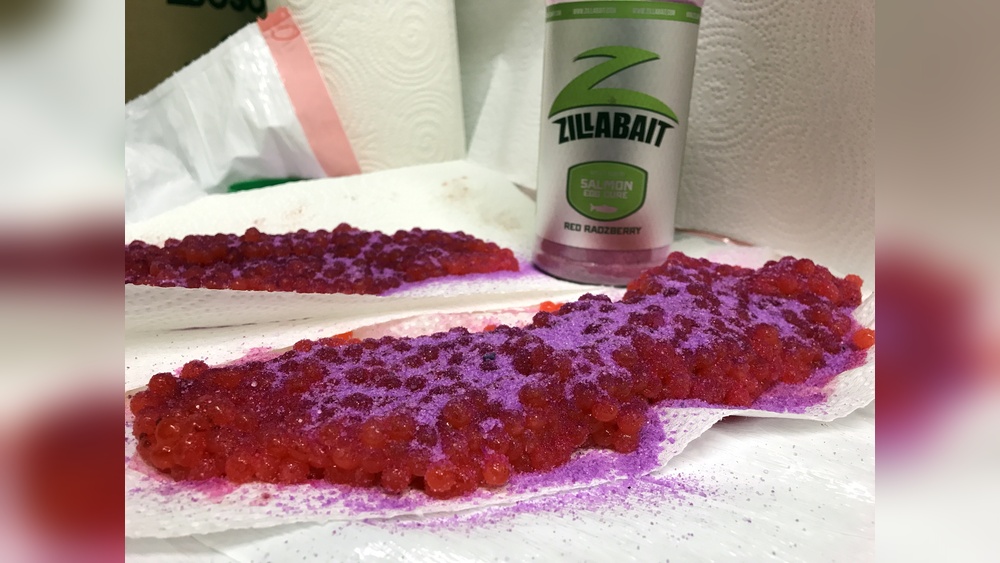
Many anglers use commercial egg cures, such as Pro-Cure, Pautzke, or Atlas-Mike’s. These often contain salt, sugar, and coloring.
Steps:
- Rinse and drain eggs.
- Place eggs in a bowl or bag.
- Sprinkle the cure powder over eggs (follow package instructions).
- Mix gently. Some cures require shaking in a bag.
- Let eggs cure for 12-24 hours in the fridge.
- Drain any extra liquid.
- Store in airtight containers.
Pros: Long shelf life, adds scent and color, tougher eggs.
Cons: Can make eggs rubbery if overcured, more expensive.
3. Salt And Sugar Cure
This old-fashioned method uses simple kitchen ingredients.
Steps:
- Mix 2 parts salt to 1 part sugar.
- Sprinkle over rinsed, drained eggs.
- Mix gently and let sit for 12 hours.
- Drain liquid, store eggs in jars.
Pros: Cheap, easy, sweet scent attracts fish.
Cons: Eggs can get too salty, shelf life is about 1 month refrigerated.
4. Brine Cure
Brining makes eggs firm and helps them last longer.
Steps:
- Dissolve 1 cup of non-iodized salt in 1 gallon of cold water.
- Place eggs in the brine for 1-2 hours.
- Remove eggs, drain well.
- Lay eggs on paper towels to dry for 1-2 hours.
- Store in jars or bags.
Pros: Makes eggs firmer, good for fast water, easy to flavor.
Cons: Takes time, not as much scent as some cures.
5. Freezing With Minimal Cure
If you want eggs as close to fresh as possible, freeze them with little or no cure.
Steps:
- Rinse and drain eggs.
- Pat dry, place in small freezer bags.
- Sprinkle a little borax or salt inside the bag.
- Squeeze out air, seal tightly.
- Store in the coldest part of the freezer.
Pros: Best for short-term storage, keeps natural scent.
Cons: Texture can get soft when thawed, freezer burn risk if not sealed well.
Step-by-step Salmon Egg Curing Process
Let’s break down the whole curing process so you know exactly what to do.
Preparing The Eggs
- Clean workspace and hands before touching eggs. Salmon eggs are delicate and spoil easily.
- Gently rinse eggs in cold water to remove blood, slime, and dirt. Too much blood can make eggs smell bad and break down faster.
- Drain and dry: Place eggs on paper towels. Pat dry carefully; don’t squeeze.
Mixing The Cure
- Choose your cure (borax, commercial cure, salt/sugar, brine).
- Sprinkle the cure evenly over the eggs in a bowl or bag.
- Mix gently with a spoon or gloved hands. Don’t smash the eggs.
Curing Time
- Let the eggs sit in the fridge for 12-24 hours. The curing time depends on the method and how firm you want the eggs.
- Check eggs after 12 hours. If they are too soft, let them cure longer.
Draining And Drying
- Drain off any liquid that forms during curing.
- Lay eggs out on a paper towel for 1-2 hours to dry the outside. This step gives the eggs a skin that helps them stay on the hook.
Storing The Cured Eggs
- Place eggs in small airtight containers or zipper bags. Store in the fridge if using soon or freeze for long-term.
- Label each container with the date and cure type so you know how old they are.
Storage Methods: Fridge Vs. Freezer
Storing salmon eggs correctly is as important as curing them. Bad storage can destroy weeks of effort in a few days.
Refrigerator Storage
- Best for eggs you will use within 1-2 months.
- Keep at 34-38°F (1-3°C).
- Store eggs in small containers to limit air exposure.
- Check for mold or sour smell every week.
Freezer Storage
- Best for long-term (up to 1 year).
- Use vacuum-sealed bags or double zipper bags to prevent freezer burn.
- Don’t thaw and refreeze eggs—this destroys texture and scent.
- To thaw: Place in the fridge overnight, never microwave.
Example Storage Comparison
Here’s a quick look at how the main cures perform in fridge and freezer:
| Cure Method | Fridge Shelf Life | Freezer Shelf Life | Texture After Thaw |
|---|---|---|---|
| Borax | 1-2 months | 6 months | Soft, slightly firmer |
| Commercial Cure | 2-3 months | Up to 1 year | Very firm, good color |
| Salt/Sugar | 1 month | 4-6 months | Medium soft, sweet scent |
Coloring And Scent: Customizing Your Bait
Some fish prefer bright eggs, others go for more natural colors. You can add dyes (egg dyes or food coloring) during the cure to make eggs stand out. Commercial cures often have color options (red, orange, pink). To add your own:
- Add a few drops of food coloring to the cure mix.
- Mix well, let eggs absorb color during curing.
Scent is another key. Add garlic powder, anise oil, or shrimp oil to the cure for extra attraction. Don’t overdo it—too much scent can drive fish away.
Common Mistakes And How To Avoid Them
Preserving salmon eggs is easy, but small mistakes can ruin your bait. Here are common errors and how to avoid them:
- Using old or spoiled eggs: Always start with fresh, firm eggs.
- Not rinsing blood out: Blood speeds up spoilage and changes the scent.
- Over-curing: Too much cure or too long in the mix makes eggs rubbery.
- Insufficient drying: Wet eggs fall off hooks. Dry after curing.
- Storing in big batches: Open only what you need for each trip. Repeated thawing and refreezing destroys eggs.
- Ignoring labels: Always mark the date and cure type.
Tips For Hooking And Using Preserved Eggs
Knowing how to put eggs on the hook can make a big difference in your catch rate.
- Use egg loops: Special knots that hold eggs on the hook.
- Skein vs. single egg: Skein chunks hold better in strong currents; single eggs work for small fish.
- Size matters: Use small clusters for finicky fish, larger clumps for aggressive fish.
- Keep eggs cool: On the river, store eggs in a small cooler with an ice pack.
Practical Insights Most Beginners Miss
- Dryness is key: After curing, always let eggs air-dry for at least an hour. This toughens the outer layer, making them stay on the hook longer.
- Rotate your stock: Use older eggs first. Newer eggs should be kept deeper in the freezer.
- Carry multiple cures: Fish preferences change. Carry two or three types of eggs with different cures and colors.
- Avoid cross-contamination: Clean everything—knives, bowls, hands—before switching between different batches or cures.
Real-world Example: Changing Cures For Different Fish
A trout fisherman in Oregon noticed that in cold water, trout hit bright red eggs cured with commercial cure, but in warmer water, they preferred natural-colored eggs with only a light borax cure. By carrying both, he doubled his catch compared to using just one type.

Credit: riptidefish.com
Advanced Preservation: Vacuum Sealing
Vacuum sealing is the gold standard for long-term storage. It removes all air, so eggs last longer and avoid freezer burn.
Steps:
- Place dried, cured eggs in small bags.
- Use a vacuum sealer to remove air and seal.
- Label bags with cure and date.
- Store flat in the freezer for easy stacking.
Vacuum-sealed eggs can last a year or more without losing quality.
Safety: Handling Salmon Eggs
Raw eggs can carry bacteria. Always:
- Use gloves when handling
- Wash hands and surfaces after
- Don’t eat raw salmon eggs meant for bait

Credit: pautzke.com
Comparing Popular Egg Cures
Here’s a comparison of popular commercial cures:
| Brand | Main Ingredients | Available Colors | Price Range (per jar) | Special Features |
|---|---|---|---|---|
| Pro-Cure | Salt, sugar, dyes, amino acids | Red, pink, orange, natural | $8–$12 | Strong scent, adds bite stimulants |
| Pautzke Fire Cure | Sodium sulfite, dyes, sugar | Red, orange, pink | $7–$10 | Long shelf life, vivid color |
| Atlas-Mike’s | Salt, borax, dyes | Red, orange, pink, chartreuse | $6–$9 | Easy to use, mild scent |
Environmental And Legal Concerns
Some states or countries have regulations on using salmon eggs as bait. Always check local fishing rules before collecting or using eggs. Using untreated eggs can spread fish diseases. Only use eggs from healthy, legal fish, and never dump unused eggs in the water.
For more on fishing regulations and safe bait use, see this guide from the U.S. Fish & Wildlife Service.
Final Thoughts
Preserving salmon eggs for fishing is a skill that makes your bait more effective and saves money. The process is simple, but attention to detail matters. Start with the freshest eggs, pick a cure that fits your fishing style, and store them properly for best results.
Over time, you’ll discover which cures and scents work best in your local waters. With practice, you’ll have perfect eggs ready whenever you fish—and that can mean more strikes, bigger fish, and better days on the water.
Frequently Asked Questions
How Long Do Preserved Salmon Eggs Last?
Properly cured and stored salmon eggs can last from 1 month in the fridge up to 1 year in the freezer. Shelf life depends on the cure used and how well you prevent air and moisture from reaching the eggs.
Can I Freeze Salmon Eggs Without Curing Them?
Yes, but it’s not recommended. Uncured eggs break down faster and lose scent and texture. Even a light borax or salt sprinkle before freezing helps preserve quality.
What Is The Best Cure For Tough Eggs That Stay On The Hook?
Commercial cures with salt and borax usually give the toughest eggs. Borax cures also work well for a natural feel. After curing, air-drying the eggs helps toughen them further.
Do I Need To Add Scent Or Dye To My Eggs?
Not always. Some fish like natural eggs, but adding scent (like anise or shrimp) and color can help in dirty water or when fish are picky. Test different types to see what works best in your area.
Are There Legal Issues With Using Salmon Eggs As Bait?
Yes, some places have rules about collecting or using salmon eggs. Always check local fishing laws before using eggs as bait to avoid fines or harming local fish populations.