
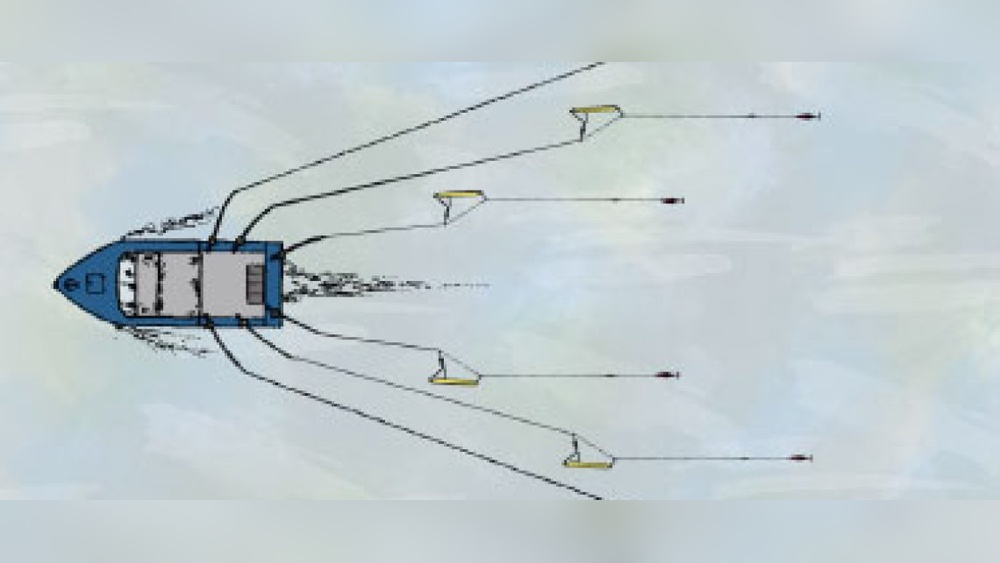
Every angler dreams of landing more fish, and often the secret is not just in what bait you use, but how you present it. Whether you’re trolling for walleye on a big lake or chasing stripers in open water, getting your lure away from the boat can make all the difference. That’s where planer boards come in. For many, these bright, oddly-shaped boards floating on the water’s surface might look confusing at first. But in reality, they’re a powerful tool for fishing smarter, not harder. Understanding what a planer board is, how it works, and why it’s used can open up a whole new world of fishing success, even for those new to the sport.
What Is A Planer Board For Fishing?
A planer board is a device used by anglers to spread fishing lines away from the side of a moving boat. It allows you to cover more water by presenting multiple baits at different distances from your boat. Think of it as an extension of your fishing rod, but floating on the surface. As your boat moves forward, the planer board pulls your fishing line out to the side, keeping your bait clear of the boat’s wake and noise. This technique is especially useful in trolling, where you want to cover a wide area and keep lures at varying depths and distances.
Planer boards are made from lightweight materials, often plastic or foam, and are designed to float. They attach to your fishing line using clips or releases. There are two main types: inline planer boards, which are attached to each individual line, and mast-style planer boards, which use a line system connected to a mast mounted on the boat.
Using planer boards can make your fishing more effective, whether you’re after salmon in freshwater lakes or mackerel in the ocean. They help you reach fish that might be spooked by your boat and let you fish more rods legally and efficiently.
How Does A Planer Board Work?
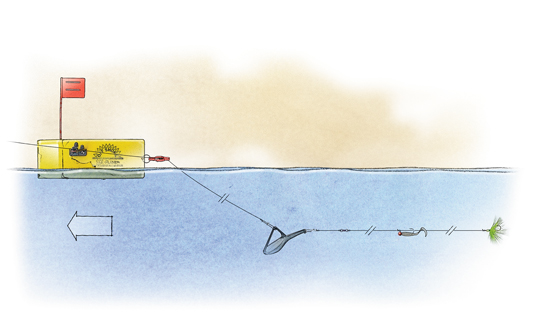
Planer boards use basic physics to move your bait away from the boat. When the boat moves forward, the water pushes against the angled face of the board. This force pulls the board—and your fishing line—out to the side. The further you let out the line, the farther from the boat the board will travel.
The fishing line runs from your rod, through a clip on the planer board, and down to your bait or lure. When a fish strikes, the board’s clip releases the line, or the board is reeled in with the fish.
This way, the fight feels just like any other fish on your rod.
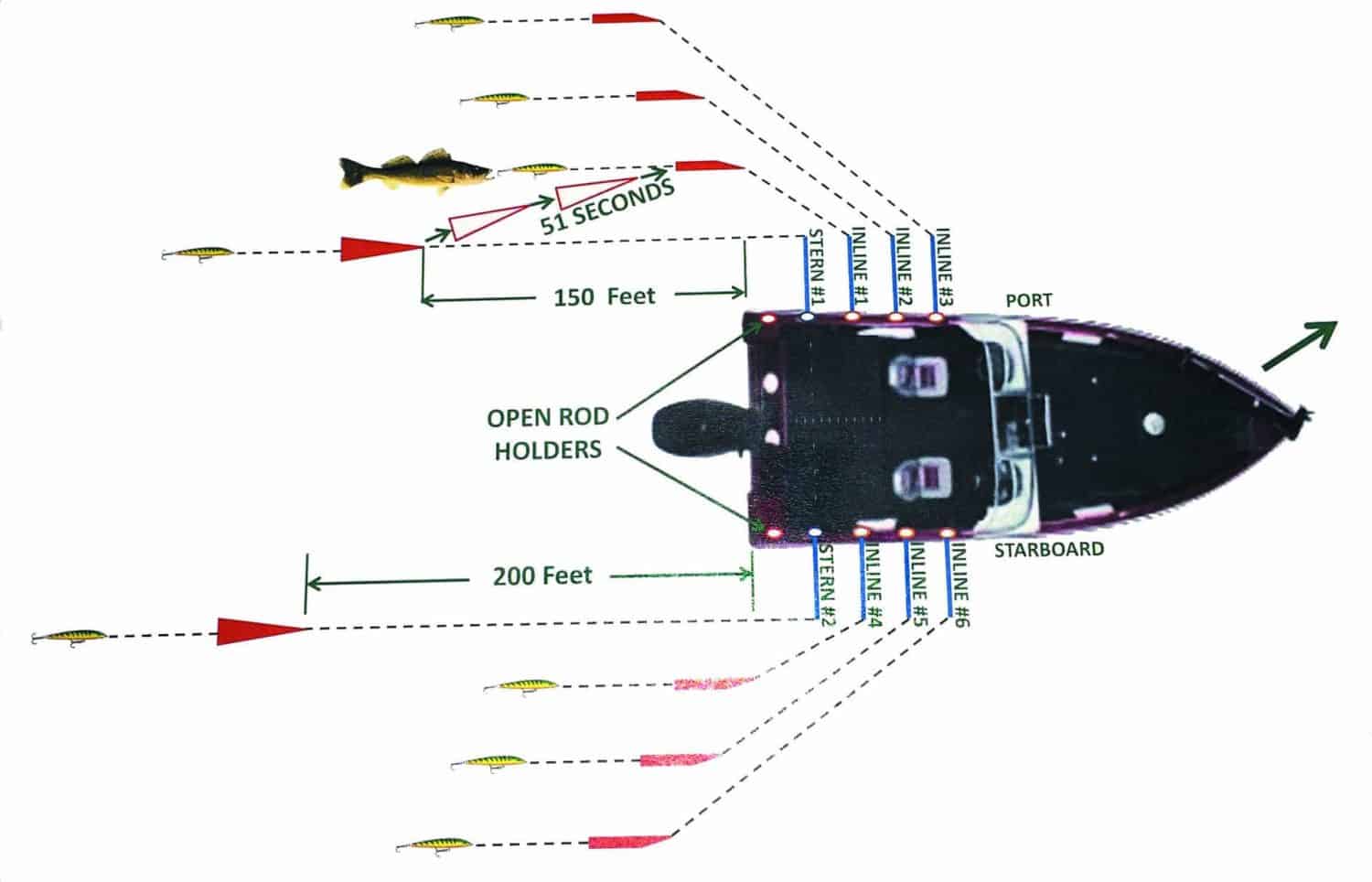
Some anglers use several boards at once, creating a wide “spread” of lines. This mimics a school of baitfish and increases your chances of a bite. It also allows you to experiment with different lures and depths at the same time.
Types Of Planer Boards
There’s no one-size-fits-all when it comes to planer boards. Choosing the right type can make your fishing trip much more successful. Here are the main types:
Inline Planer Boards
Inline planer boards attach directly to your fishing line between your rod and lure. They are small, lightweight, and easy to use. You simply clip them onto the line and let them out behind the boat. These are great for smaller boats or for anglers who want a simple setup. They are also ideal for lighter tackle and smaller fish like trout or walleye.
Mast-style Planer Boards
Mast-style planer boards use a system of lines connected to a tall mast mounted on the boat. Large boards are attached to the mast line and slide out as you let out more line. Your fishing lines are then attached to the mast line with clips. This setup allows you to run multiple lines on each side of the boat, covering a huge area. Mast boards are often used for bigger fish or in rougher water, as they can handle heavier lines and larger lures.
Dual Board Vs. Single Board
Some boards are designed to be used in pairs (one on each side of the boat), while others are single and can be swapped from side to side. Dual board systems provide better balance and cover, but single boards are more versatile for solo anglers or small boats.
Mini And Large Planer Boards
Mini planer boards are smaller and designed for light lines and small lures. They’re perfect for panfish or trout. Large planer boards can handle heavier tackle, larger baits, and rough water conditions. Selecting the right size depends on your target species and the water you’re fishing.
Key Parts Of A Planer Board
Understanding the main components of a planer board helps you use it correctly and fix problems when they arise. Here are the key parts:
- Body: The main float, usually made of plastic or foam.
- Clip or Release: Attaches the fishing line to the board. Some are adjustable for different line sizes.
- Flag: A high-visibility marker that helps you see the board from a distance. Some flags are spring-loaded and pop up when a fish strikes.
- Keel or Rudder: A fin or angled bottom that helps the board “pull” away from the boat.
- Weight: Some boards have built-in weights to help them ride upright and stable in choppy water.
These simple parts work together to create an effective fishing tool. If you’re new to planer boards, start with a basic inline model and learn how each part works before moving on to more complex setups.
Why Use A Planer Board?
Planer boards offer several unique advantages that can improve your fishing results. Here’s why many anglers swear by them:
1. Increased Coverage
With planer boards, you can fish a much wider area than with rods alone. This is especially important when fish are scattered or when you’re trolling open water. Covering more water means more chances to find active fish.
2. Stealthier Presentation
Fish can be easily spooked by boat noise or shadows. By sending your lures away from the boat with a planer board, you present your bait in undisturbed water. This often leads to more bites, especially from wary species.
3. Multiple Lines
Many fishing areas allow anglers to use more than one rod. Planer boards help you manage several lines at once without tangling. This makes your time on the water more productive and allows you to test different lures, colors, or depths.
4. Depth Control
By using different lengths of line and types of lures or weights, you can fish at various depths. Planer boards make it easy to try shallow-running baits on one side and deep-divers on the other, helping you quickly find where the fish are biting.
5. Targeting Specific Zones
Sometimes fish relate to specific areas, like weed edges, drop-offs, or temperature breaks. Planer boards let you keep your lures precisely along these lines, increasing your chances of success.
When Should You Use A Planer Board?
Planer boards are most effective in certain situations. Knowing when to use them can help you get the most out of your time on the water.
- Trolling large lakes or reservoirs: Great for walleye, salmon, trout, or striper fishing.
- Fishing for pelagic species: Planer boards shine when targeting fish that roam open water.
- Covering structure edges: Such as weed beds, rocky points, or drop-offs.
- Avoiding boat spook: When fish are sensitive to noise or shadows.
However, planer boards are less useful in heavy cover, small ponds, or very shallow water, where maneuvering is limited.
Credit: www.in-fisherman.com
How To Set Up And Use A Planer Board
If you’re new to planer boards, the setup can look complicated. But with a bit of practice, it becomes second nature. Here’s a step-by-step guide:
1. Choose The Right Board
Pick a planer board that matches your fishing style, target species, and water conditions. For small lakes and light tackle, an inline board is a good start. For big water or multiple lines, consider a mast system.
2. Attach The Board
- Let out the desired amount of fishing line from your rod, setting your lure or bait at the right depth.
- Open the board’s line clip and attach it to your main line.
- Make sure the board’s angled side faces away from the boat, so it pulls outwards.
3. Let Out The Planer Board
- Slowly lower the board into the water, letting out more line so it moves away from the boat.
- When the board is at the desired distance, close the bail on your reel.
4. Monitor The Board
- Watch the board for sudden movement, which may indicate a strike.
- Some boards have flags that pop up when a fish bites.
5. Reeling In A Fish
- If the board releases from the line, fight the fish as normal.
- If the board stays attached, reel it in until you can remove it from the line, then continue reeling in the fish.
6. Reset And Repeat
- After landing a fish, reset your line and board to keep fishing.
Practical Tips
- Keep lines organized by staggering them at different distances.
- Watch for tangles, especially when turning the boat.
- Practice with one or two boards before running a full spread.
Common Planer Board Mistakes And How To Avoid Them
Even experienced anglers can make errors with planer boards. Here are common mistakes and how to prevent them:
- Choosing the wrong size board: Too small, and the board won’t pull your line properly. Too big, and it can overpower light tackle.
- Setting the board backwards: Always face the angled side away from the boat.
- Letting out too much line at once: This can cause tangles. Let it out slowly.
- Ignoring board balance: If your board tips over, check the weight and keel alignment.
- Overloading with heavy lures: Some boards aren’t designed for big baits or deep-diving plugs.
- Not watching for strikes: If you miss the board’s movement, you might lose fish.
Learning from these mistakes can save time and frustration on the water.
Planer Board Vs. Other Spreading Techniques
Anglers often compare planer boards to other line-spreading methods like outriggers or downriggers. Here’s a simple comparison:
| Method | Main Use | Best For | Key Advantage | Common Limitation |
|---|---|---|---|---|
| Planer Board | Trolling surface/mid-depth | Lakes, rivers, coastal | Widest spread, stealth | Not for heavy cover |
| Outrigger | Open ocean trolling | Saltwater big game | Handles heavy gear | Complex setup, expensive |
| Downrigger | Deep trolling | Deep lakes/ocean | Precise depth control | Doesn’t spread lines sideways |
Planer boards stand out for their ability to cover a wide area and keep baits away from boat noise, especially in freshwater and near-shore saltwater.
Choosing The Right Planer Board
Selecting a planer board is about matching your fishing needs. Here are important factors to consider:
Target Species
Heavier boards are needed for big fish like salmon or muskie. For crappie or trout, lighter boards work fine.
Water Conditions
Rough or windy water requires boards with more weight and a stronger keel to stay upright and track well.
Line And Lure Size
Use boards that are rated for the line and lure sizes you plan to use. Overloading a board can make it flip or perform poorly.
Visibility
Bright colors and large flags are useful for tracking boards at a distance, especially in choppy or crowded waters.
Ease Of Use
Look for boards with easy-to-use clips and clear instructions if you’re a beginner.
Budget
Planer boards range from affordable to expensive. More costly models often offer better durability, tracking, and features.
Planer Board Feature Comparison
Here’s a quick comparison of popular planer board features:
| Feature | Mini Board | Standard Board | Mast System |
|---|---|---|---|
| Target Fish | Panfish, trout | Walleye, pike | Salmon, muskie |
| Line Capacity | Light | Medium | Heavy |
| Water Condition | Calm | Moderate | Rough |
| Setup Ease | Very easy | Easy | Complex |
| Cost | Low | Moderate | High |
Credit: midwestoutdoors.com
Maintenance And Care For Planer Boards
A well-maintained planer board will last for many seasons. Here’s how to care for your equipment:
- Rinse after use: Especially in saltwater, always rinse boards with fresh water.
- Check clips and releases: Make sure they grip the line properly and aren’t worn.
- Inspect for cracks or damage: Sun, impact, or rough handling can damage boards.
- Store properly: Avoid direct sunlight and extreme heat when not in use.
- Lubricate moving parts: If your board has a flag or moving mechanism, a drop of oil helps keep it working smoothly.
By taking care of your planer boards, you’ll avoid unexpected problems on your next fishing trip.
Safety Considerations When Using Planer Boards
While planer boards are safe when used correctly, it’s important to follow some basic precautions:
- Keep clear of propellers: Never let the board or line get near your boat’s propeller.
- Watch for other boats: Boards extend far from your boat and can be hard for others to see.
- Use visible flags: High-visibility flags help prevent accidents.
- Stay organized: Running many boards at once can create tangles or hazards if not managed carefully.
- Release carefully: Use clips that release easily to avoid breaking your line or losing fish.

Credit: mysterytacklebox.com
Real-world Examples: Planer Boards In Action
Many successful fishing stories involve planer boards. For instance, in the Great Lakes, anglers use mast-style boards to troll for walleye and salmon, often running six or more lines at once. This wide spread allows them to find fish faster and adjust quickly to changing conditions.
On smaller lakes, inline boards are popular with anglers targeting crappie or white bass. By spreading lines away from the boat, they can cover shallow flats without spooking fish.
Professional tournaments often allow the use of planer boards, and the top finishers frequently credit their success to covering more water and presenting baits more naturally.
Non-obvious Insights For Beginners
- Fine-tuning board balance is crucial: Many beginners ignore small adjustments to the board’s weight or keel angle. Even a little bit of extra weight or a different angle can help the board run straighter in rough water.
- Line type affects board performance: Braided line has less stretch and can transmit fish bites more clearly to the board, but it can also slip in some clips. Fluorocarbon or monofilament may grip better but stretch more. Testing different lines with your board can make a big difference.
- Planer boards can signal subtle bites: Sometimes, a fish will grab the bait without causing a dramatic movement. If you notice your board lagging, moving slower, or behaving differently, it could mean a fish is on.
- Don’t overlook lure color and distance from the board: Fish sometimes key in on subtle differences in color or how far the bait is from the board itself. Experiment with both to maximize bites.
Frequently Asked Questions
What Species Can I Catch Using Planer Boards?
You can catch many species with planer boards, including walleye, salmon, trout, pike, striped bass, and even panfish like crappie and bluegill. The key is to match the size and strength of the board to the fish you’re targeting.
Are Planer Boards Legal Everywhere?
Most areas allow planer boards, but some have restrictions on the number of lines or rods per angler. Always check your local fishing regulations before using multiple boards or rods.
How Do I Avoid Tangles When Running Multiple Planer Boards?
Stagger the lines at different distances from the boat and use boards of different sizes if possible. Pay attention when turning the boat, as inside lines can cross and tangle with outside ones. Practice and careful setup are key.
Can I Use Planer Boards From Shore?
Planer boards are designed for use from moving boats. Using them from shore is not practical, as they rely on the forward motion of the boat to pull the line out to the side.
What’s The Difference Between A Left And Right Planer Board?
Left and right planer boards are angled to pull away from the boat on their respective sides. A “left” board is used on the left (port) side, and a “right” board on the right (starboard) side. Using the correct board keeps your lines properly spread and prevents tangles.
Fishing with planer boards is a skill that opens up new possibilities for every angler. Whether you’re chasing trophies on the Great Lakes or just want to catch more fish on your local reservoir, learning to use these clever tools is well worth the effort. For more in-depth tips and history about planer boards, visit the Wikipedia Planer Board Page. With a bit of practice, you’ll soon be covering more water, catching more fish, and enjoying a richer fishing experience.