
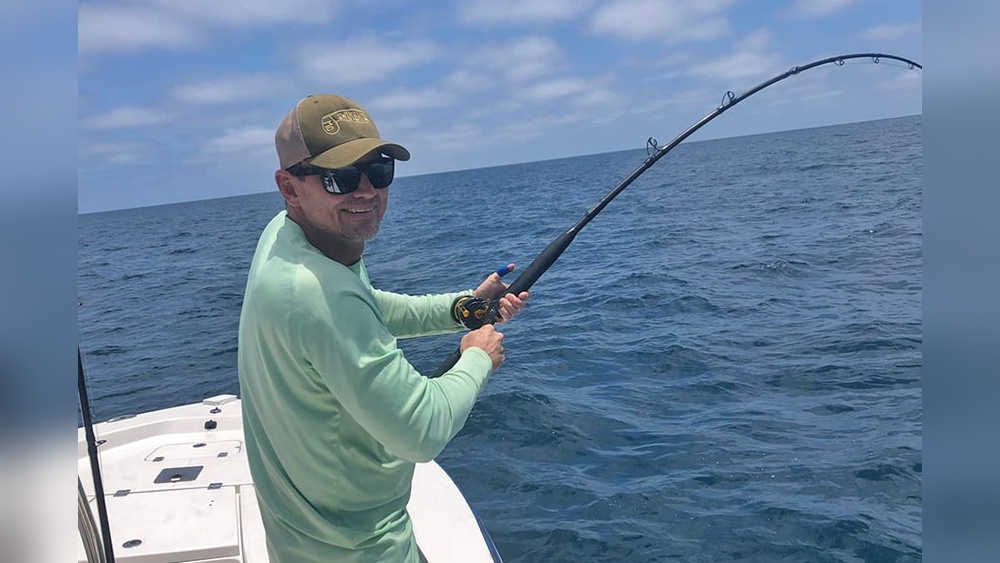
Fishing is one of those peaceful activities that lets you enjoy nature, challenge your patience, and maybe even bring home dinner. But for many beginners, the simple act of holding a fishing rod—especially right handed—can feel awkward and confusing. If you’ve ever wondered why your cast goes sideways, or your arm gets tired too fast, you’re not alone. The way you grip and handle your fishing rod affects everything: accuracy, comfort, and even your chances of landing a big fish.
This guide is for right-handed anglers who want to learn the correct techniques for holding a fishing rod. You’ll discover not just the basics, but also practical details that many skip. Whether you’re new to fishing, or you’ve fished a bit but never felt quite “right” with your rod, you’ll find step-by-step advice, common mistakes to avoid, and helpful tips to improve your skills.
By the end, holding a fishing rod right handed will feel natural—and you’ll fish with more confidence.
Understanding The Basics: Why Rod Grip Matters
It’s easy to underestimate the importance of rod grip. Many people assume you just grab the handle and start fishing. But the truth is, the way you hold your rod is as important as the rod you choose. A poor grip can cause wrist pain, reduce your casting distance, and make it harder to set the hook. Worse, you might even drop your rod during a big catch.
A correct grip helps you control the rod, feel subtle bites, and fish for longer without fatigue. Right-handed anglers have a natural advantage since most fishing gear is made with them in mind. But even so, there are details that beginners often miss.
For example, did you know that you should almost never grip the rod handle as tightly as you can? Or that your finger placement can change depending on the type of reel?
Let’s break down the key elements of holding a fishing rod right handed, so you start with a solid foundation.
Choosing The Right Rod And Reel For Right-handed Use
Before you even pick up a rod, it’s important to have gear that fits your dominant hand. Using a setup meant for left-handed people can make everything feel awkward.
Rod Selection
Most rods are ambidextrous, but some are designed for specific reel types or hand preferences. A good right-handed setup will feel balanced when you hold it in your right hand, with the guides (the rings the line passes through) facing down.
Reel Selection
Right-handed anglers usually use a right-handed reel, which means:
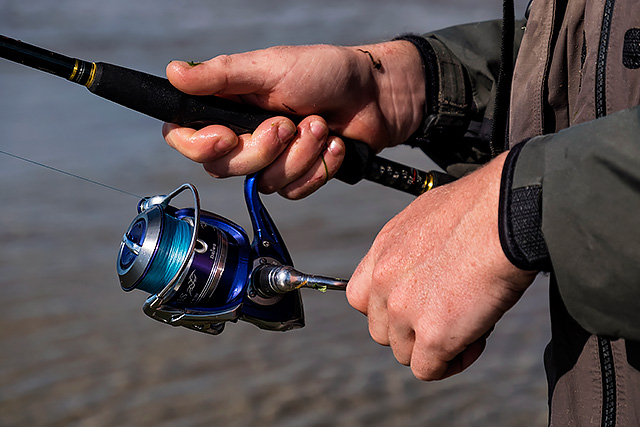
- Spinning reels: The handle is on the left. You hold the rod in your right hand and reel with your left.
- Baitcasting reels: The handle is on the right. You hold the rod in your left hand while reeling, but you cast with your right.
This can be confusing at first. Many beginners think a right-handed reel means reeling with your right hand, but the standard setup is actually the opposite for spinning reels. The logic: your dominant hand controls the rod for better casting and fish fighting.
Size And Weight
A rod that’s too heavy or long for your arm will tire you out quickly. Choose a rod that matches your strength and the type of fishing you want to do. For most adults, a rod between 6 and 7 feet is ideal for general freshwater fishing.
Quick Comparison: Spinning Vs. Baitcasting For Right-handed Anglers
Here’s a side-by-side look at the main differences for right-handed users:
| Feature | Spinning Reel | Baitcasting Reel |
|---|---|---|
| Reel Handle Position | Left | Right |
| Rod Hand | Right | Left (while reeling) |
| Ease for Beginners | High | Medium |
| Common Use | Panfish, bass, trout | Bass, pike, larger fish |
Credit: www.henry-gilbey.com
How To Hold A Fishing Rod Right Handed: Step-by-step Instructions
Now let’s get into the details. The right technique depends on the type of rod and reel you use. We’ll cover spinning and baitcasting rods, since they are the most common.
1. Holding A Spinning Rod Right Handed
Spinning rods are a favorite for beginners and casual anglers because they’re easy to use.
Step 1: Gripping The Handle
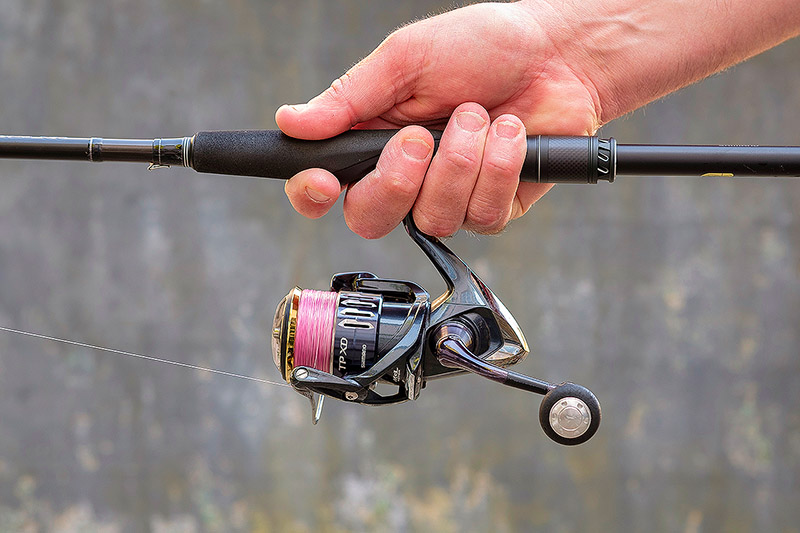
- Place your right hand on the rod handle, just above the reel seat (the part where the reel attaches).
- Your thumb rests on top of the handle, pointing toward the rod tip.
- Wrap your fingers around the handle, with your index finger just in front of the reel foot (the “neck” of the reel).
Step 2: Finger Placement
- Your index finger should be slightly extended, almost pointing along the rod.
- This gives you more control and lets you “feel” vibrations or bites through the rod.
- For extra sensitivity, some anglers rest their index and middle fingers on either side of the reel foot.
Step 3: Supporting With Your Left Hand
- Use your left hand to hold the rod butt (the end of the handle) or support it during a cast.
- While reeling, your left hand turns the reel handle, while your right hand keeps the rod steady.
Step 4: Relaxed Grip
- Don’t squeeze too tightly. A light, relaxed grip reduces fatigue and keeps your wrist flexible.
Step 5: Adjust For Comfort
- If your wrist feels strained, change your grip position slightly.
- The goal is a natural, balanced hold—no tension in your fingers or forearm.
Example Scenario
Imagine you’re fishing for bass from the shore. You hold the spinning rod in your right hand, index finger near the reel seat, and use your left hand to reel as you work a lure. You feel a subtle “tap-tap”—a fish biting—through your index finger, and set the hook with a quick upward motion of your right arm.
2. Holding A Baitcasting Rod Right Handed
Baitcasting rods are more advanced, but they offer better control for bigger fish and heavier lures.
Step 1: Gripping The Handle
- Hold the rod in your right hand above the reel.
- Your thumb rests lightly on the spool (the round part that holds the line).
- Wrap your fingers around the handle under the reel.
Step 2: Thumb On The Spool
- Your thumb acts as a brake for the spool, especially during casting.
- Keep your thumb ready to stop the line when the lure hits the water.
Step 3: Switching Hands (if Needed)
- Some anglers cast with their right hand, then switch the rod to their left to reel with their right. However, more people now use left-handed baitcasting reels to avoid switching.
Step 4: Balanced Grip
- The rod should feel balanced, not tip-heavy.
- A proper grip lets you cast accurately and fight fish without strain.
Step 5: Relaxation And Sensitivity
- Like with spinning rods, avoid gripping too tightly.
- Your palm should be in contact with the rod blank (the main shaft), not just the handle.
Example Scenario
You’re casting a heavy lure for pike. You press your thumb on the spool, snap your wrist forward, and release the thumb to let the line out. When the lure lands, you stop the spool with your thumb and start reeling, keeping your right hand steady on the handle.
3. Holding A Spincast Rod Right Handed
Spincast rods (the “push button” type) are very beginner-friendly.
- Hold the rod in your right hand with your thumb on the button.
- Grip the handle comfortably, with your fingers wrapped around and your index finger extended along the rod.
- After casting, keep your right hand on the handle, and use your left to help balance if needed.
Hand Position And Posture: Key Details For Right-handed Anglers
How you stand and move your arms makes a big difference in comfort and effectiveness.
Arm Angle
- Your right elbow should be bent at about a 90-degree angle, keeping your wrist straight.
- Don’t lock your elbow or hold your arm too far away from your body.
Wrist Position
- Keep your wrist neutral, not bent up or down.
- This reduces strain and helps you “feel” the rod better.
Body Alignment
- Stand with your feet shoulder-width apart for balance.
- Face your target (the spot you want to cast) directly.
Quick Posture Comparison
Let’s compare incorrect and correct posture for a right-handed angler:
| Posture | Common Mistake | Correct Technique |
|---|---|---|
| Elbow | Locked straight | Bent at 90 degrees |
| Wrist | Bent upward or downward | Neutral/straight |
| Grip | Gripping too tightly | Relaxed hold |
Casting Techniques For Right-handed Anglers
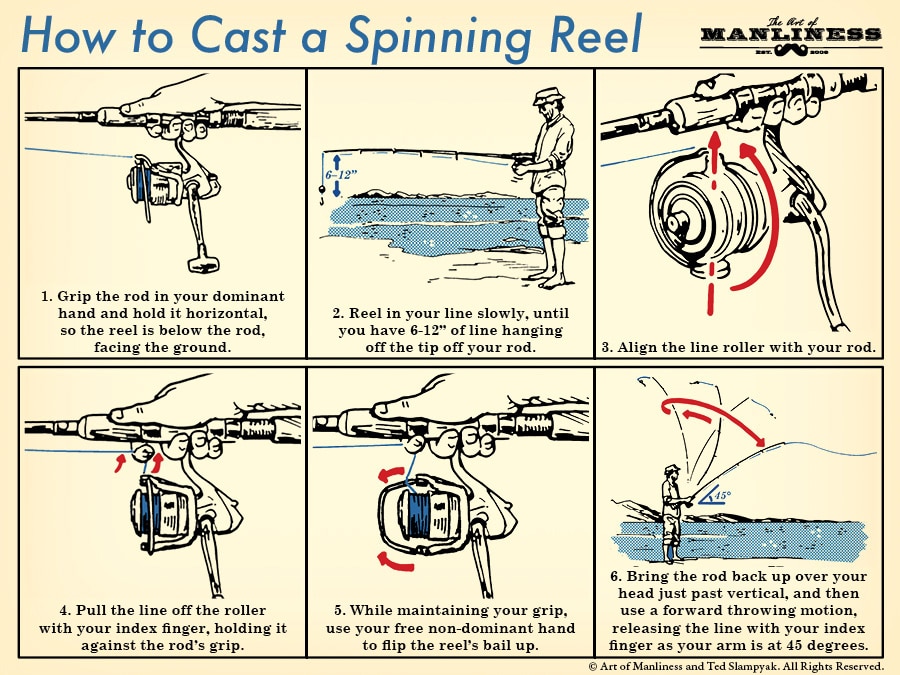
Casting is where proper rod grip really matters. There are several casting styles, but the overhead cast is the most common for right-handed fishers.
Overhead Cast
- Hold the rod with your right hand, reel below, and index finger ready.
- With your left hand, grab the rod butt for support.
- Swing the rod tip behind you, then smoothly bring it forward.
- Release the line at the right moment (with your index finger or thumb, depending on the reel type).
- Keep your wrist straight and follow through toward your target.
Sidearm Cast
- Hold the rod at your side.
- Swing the rod sideways, releasing the line as the rod passes your body.
- Useful for low, under-tree casts.
Pitching And Flipping
- Used for short, accurate casts.
- Hold the lure in your left hand, swing the rod tip up, and let go.
- Great for fishing near docks or brush.
Key Tip: Timing And Control
Don’t try to muscle the cast. Let the rod do the work, using a smooth, controlled motion. Your right hand guides the rod, while your left hand helps with power and stability.
Common Mistakes When Holding A Fishing Rod Right Handed
Even experienced anglers develop bad habits. Here are the most frequent errors—plus how to fix them.
- Gripping Too Tightly
- This causes hand fatigue and reduces sensitivity.
- Solution: Relax your grip. Imagine holding a small bird—firm but gentle.
- Holding Too Far Back or Forward
- If your hand is too far back, you lose control. Too far forward, you lose power.
- Solution: Grip just above the reel seat for spinning rods, or above the reel for baitcasters.
- Bent or Twisted Wrist
- Leads to pain and poor casting.
- Solution: Keep your wrist in a straight line with your forearm.
- Ignoring Finger Placement
- Not using your index finger for sensitivity means you’ll miss subtle bites.
- Solution: Rest your index finger along the rod blank or near the reel seat.
- Switching Hands Too Much
- Constantly changing hands after casting wastes time and can cause you to miss strikes.
- Solution: Use the correct reel type for your dominant hand to avoid unnecessary hand switching.
- Not Adjusting for Comfort
- Every angler’s hands are different. Don’t force a grip that feels wrong.
- Solution: Make small adjustments until the rod feels balanced and comfortable.
Advanced Tips For Better Rod Control
Once you master the basics, these extra techniques will help you fish like a pro.
Use Your Whole Arm, Not Just Your Wrist
Many beginners flick the rod with only their wrist. This leads to short, inaccurate casts and tired muscles. Instead, use your elbow and shoulder to drive the motion, keeping your wrist stable.
Check Your Balance
If you feel off balance, you won’t cast or fight fish well. Shift your weight slightly forward, and keep your feet planted. This gives you more power and control.
Practice Feeling The Bite
With your index finger on the rod blank, close your eyes and practice feeling gentle taps (have a friend tap the rod, or use a vibrating phone). This trains your hand to notice subtle bites.
Use Two Hands For Heavy Fish
When fighting a big fish, support the rod butt with your left hand while holding the main grip with your right. This gives you leverage and reduces fatigue.
Adjust For Different Rod Types
If you switch between spinning, baitcasting, and spincast rods, take a moment to adjust your grip and stance each time. Don’t assume one method fits all rods.
Learn From Experienced Anglers
Watch how skilled right-handed anglers hold their rods and cast. You’ll pick up small details, like how they shift their grip for different situations.
Real-world Example: Right-handed Bass Fishing
Let’s look at how these tips work in practice. You’re fishing from a boat, targeting largemouth bass with a spinning rod. You grip the rod just above the reel seat with your right hand, index finger extended. Your left hand is ready on the reel handle.
You make a smooth overhead cast, letting the rod do most of the work. As your lure lands, you keep your right hand steady, feeling for any vibrations. A bass bites—the rod tip twitches. Instantly, you set the hook by snapping your wrist upward, keeping your grip relaxed but firm.
The fish fights, but you control the rod with your right hand, using your left to reel in. When the fish runs, you support the rod butt with your left hand for extra power.
This is the kind of control and confidence you get from holding your fishing rod the right way.
How Hand Size And Strength Affect Rod Grip
Not all hands are the same. People with smaller hands may struggle with thick rod handles, while those with bigger hands need more room for comfort.
- For small hands, look for rods with slim handles. Use a grip that lets your fingers wrap fully around the handle.
- For large hands, avoid cramping by holding the handle slightly farther back or using rods with larger grips.
Strength also matters. If your hand or wrist gets tired, take breaks, or try a lighter rod. Building grip strength with simple exercises (like squeezing a tennis ball) can help over time.
Rod Material And Handle Types: What To Know
Not all fishing rods feel the same in your hand. The material and handle type can change your grip comfort and sensitivity.
Rod Materials
- Graphite rods: Lightweight, very sensitive, but can be brittle.
- Fiberglass rods: Heavier, less sensitive, but more durable.
- Composite rods: Blend of both, offering balance.
Handle Materials
- Cork handles: Comfortable and warm, but can wear out over time.
- EVA foam handles: Durable, firm grip even when wet, but can be less sensitive.
Handle Shapes
- Full grip: Runs the entire length of the rod butt. Good for two-handed casting.
- Split grip: Lighter, better for sensitivity and balance.
Choose the material and handle type that feels best in your right hand. Try holding different rods in a store before buying.
Safety And Comfort Tips For Holding A Fishing Rod
Fishing should be fun, not painful. Here are ways to protect your hands and enjoy longer days on the water.
- Wear gloves if you fish often, especially in cold weather or with heavy rods.
- Stretch your hands and wrists before and after fishing to prevent cramps.
- Keep your grip dry to avoid slipping. Use a towel if necessary.
- Switch hands or grips occasionally to rest your dominant hand.
- Use rod holders when waiting for bites, so you don’t have to grip the rod constantly.
When To Change Your Grip
There are moments when you should adjust your hold, even as a right-handed angler:
- When fighting a large fish, move your left hand to support the rod butt.
- When casting with heavy lures, use both hands for power and accuracy.
- When retrieving slowly, slide your right hand forward for extra sensitivity.
Being flexible helps you respond to changing conditions and fish more effectively.
Practice Makes Perfect: Building Muscle Memory
At first, the correct grip may feel strange. But with practice, it becomes automatic. Here’s how to speed up your progress:
- Practice at home: Hold your rod while watching TV or listening to music. Focus on finger placement and grip relaxation.
- Take short practice casts in your yard or at a park.
- Record yourself with your phone. Watch for posture errors or awkward wrist angles.
- Fish with friends and ask for feedback on your grip.
The more you practice, the more natural and comfortable holding your rod will become.
Useful Data: Handedness And Fishing Gear Preferences
A 2022 survey of recreational anglers in the United States found that about 85% are right-handed, but only 60% use standard right-handed reels. Many switch to left-handed reels for comfort or to avoid hand-switching after casting. This shows there’s no single “correct” way—what matters most is what feels best for you.
Credit: www.henry-gilbey.com
Where To Learn More
If you want to see professional demonstrations or dive deeper into fishing techniques, check out resources like Take Me Fishing, which offers detailed guides and videos for all skill levels.
Frequently Asked Questions
How Do I Know If My Fishing Rod Grip Is Correct?
A correct grip feels natural, with no pain or tension in your hand or wrist. You should be able to hold the rod for long periods without fatigue. Your index finger should rest along the rod for sensitivity, and your thumb should be placed comfortably for control.
Should I Reel With My Right Or Left Hand If I’m Right-handed?
For spinning reels, most right-handed anglers reel with their left hand and hold the rod with their right. For baitcasting reels, the standard is to reel with your right hand. However, choose the setup that feels best for you—many people use the opposite if it’s more comfortable.
What’s The Best Way To Hold A Rod When Casting?
Hold the rod in your right hand, with your index finger near the reel seat for spinning rods. For baitcasters, your thumb should rest on the spool. Use your left hand to support the rod butt for power, and keep your grip relaxed.
How Can I Avoid Hand Fatigue When Fishing For A Long Time?
Use a light, relaxed grip, and take breaks when needed. Choose a rod and handle size that fits your hand, and switch hands or grips if you feel tired. Stretch your fingers and wrists before and after fishing.
Does The Grip Change When Fighting A Big Fish?
Yes. When fighting a large fish, use your left hand to support the rod butt and add power. Keep your right hand on the main grip, and let your whole arm—not just your wrist—do the work. This gives you better control and reduces strain.
Fishing is a skill you build over time. With the right grip and a little practice, you’ll find yourself casting farther, feeling more bites, and enjoying every moment by the water. Holding a fishing rod right handed is simple once you know how—and now you do.
Happy fishing!
Credit: www.artofmanliness.com