
Shipping fishing rods can feel stressful, especially if you’re sending a prized rod or delivering products to customers. These long, often fragile items need special care so they arrive in one piece. Whether you’re a small business owner, an angler moving gear, or sending a gift, learning how to ship fishing rods safely can save you money, time, and headaches. This guide shares everything you need to know: choosing the right packaging, protecting your rod, picking the best shipping service, and practical tips only experienced shippers know. After reading, you’ll feel confident your rod will reach its destination safely—no matter how far it travels.
Understanding The Risks Of Shipping Fishing Rods
Before you start, it’s important to know why shipping fishing rods is different from other items. Fishing rods are long, thin, and often made from materials like graphite or fiberglass. These materials are strong for fishing, but can snap or crack if they are dropped or bent during shipping.
Shipping companies use conveyor belts, sorting machines, and trucks. Each step can put pressure or shock on your package. If your rod is not packed well, it can arrive broken, scratched, or with damaged guides (the rings that hold the line).
Even a small crack can ruin a rod’s value and performance.
Some carriers charge extra fees for long items, or may even refuse packages over a certain length. Knowing these rules can save you from unexpected charges or delays.
Choosing The Right Packaging
The first step to safe shipping is choosing the best packaging. You have a few main options, each with pros and cons.
Hard Tubes
Hard tubes are the gold standard for shipping fishing rods. These tubes are made from tough plastic, thick cardboard, or even metal.
Benefits:
- Excellent protection against impact and bending
- Reusable for multiple shipments
- Available in various lengths and diameters
Drawbacks:
- Heavier than other options (may increase shipping cost)
- Bulkier, harder to store after use
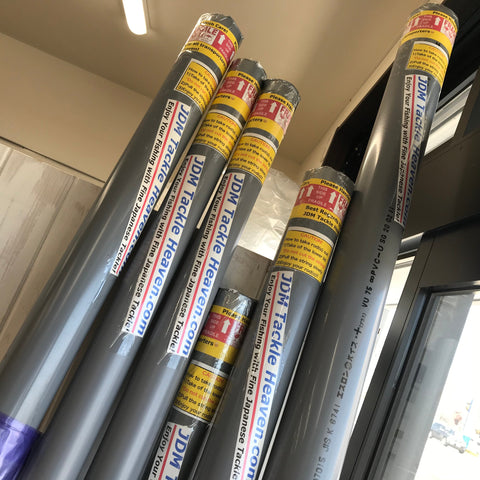
Pvc Pipe
A PVC pipe is a popular DIY choice. You can find it at hardware stores, and it’s easy to cut to size.
Benefits:
- Extremely strong and rigid
- Customizable length
- Water-resistant
Drawbacks:
- Heavier than cardboard tubes
- Must buy end caps separately
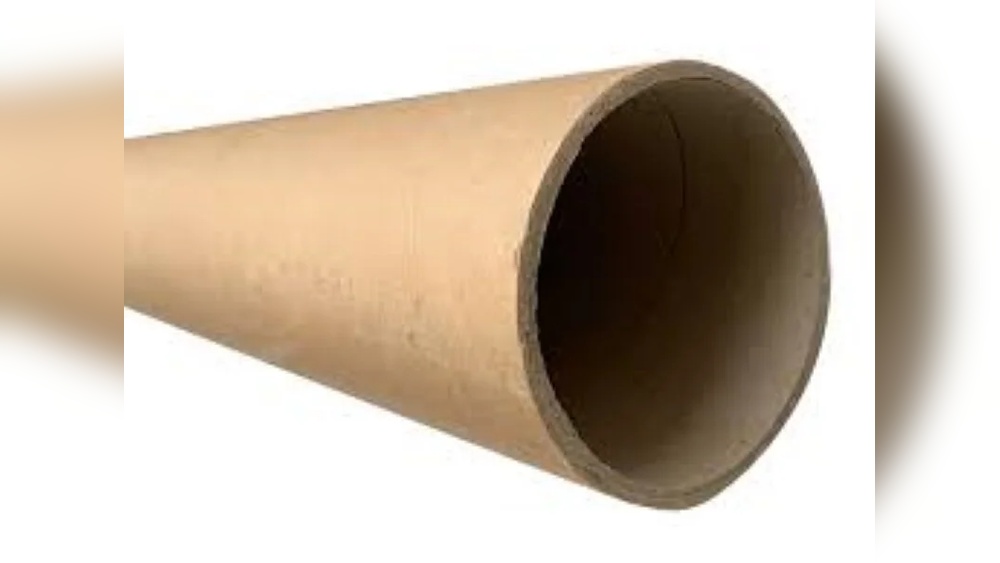
Cardboard Mailing Tubes
Cardboard tubes are lightweight and easy to find. Some postal services sell them in standard sizes.
Benefits:
- Lightweight (cheaper to ship)
- Affordable and easy to purchase
Drawbacks:
- Less protective against crushing
- Not water-resistant unless sealed
Custom-made Boxes
Some rods, especially multi-piece travel rods, can fit in rectangular boxes.
Benefits:
- Easier to fit multiple rods or accessories
- Can add extra padding
Drawbacks:
- May not offer as much strength as tubes for long, single-piece rods
How To Choose
If your rod is expensive, rare, or sentimental, always use the strongest option you can afford—usually a hard tube or PVC pipe. For cheaper rods or short trips, a thick cardboard tube may be enough. Always make sure the packaging is longer than your rod by at least 2 inches on both ends to allow for padding.
Preparing Your Fishing Rod For Shipping
Proper preparation is just as important as good packaging. Here’s how to get your rod ready:
- Clean the Rod: Dirt and salt can scratch or damage the rod during shipping. Wipe it down with a soft, damp cloth and let it dry fully.
- Disassemble (if possible): If your rod is a two-piece or multi-piece, separate the sections. This makes packing easier and reduces the risk of breaking.
- Protect the Guides: The guides are delicate. Wrap each one with bubble wrap or foam. For extra protection, use pipe insulation foam (found in hardware stores) and slide it over the rod, covering the guides.
- Secure Loose Parts: If your rod has a removable reel seat, butt cap, or other parts, pack them separately in a small bag.
- Bundle Sections Together: If you are shipping multiple sections, bundle them together with soft material (like a towel, bubble wrap, or foam), then use tape or Velcro straps to hold them. Don’t use wire or hard string, as this can scratch the finish.
- Cap Both Ends: If using a tube or pipe, make sure both ends are capped securely. For extra safety, place padding (foam, crumpled newspaper, or bubble wrap) at both ends inside the tube, so the rod cannot move.
- Label Fragile: Always mark the package with “Fragile,” “Handle with Care,” and “This End Up.” While it doesn’t guarantee gentle handling, it helps alert workers.
Non-obvious tip: When shipping telescopic rods, fully collapse the rod and wrap each section in soft cloth before bundling. Some beginners forget that telescopic rods can still move inside the tube and get scratched.
Packing Your Fishing Rod: Step-by-step
Let’s break down the packing process in detail.
1. Measure Your Rod
Measure the rod when fully disassembled or collapsed. Add at least 2 inches (5 cm) to both ends for padding. This is your minimum tube or box length.
2. Select And Prepare The Tube
Choose a tube slightly longer than your rod. If using PVC or a hard tube, check that the end caps fit tightly. If they’re loose, reinforce with duct tape.
3. Add Padding
At the bottom of the tube, place a layer of padding (foam, bubble wrap, or crumpled paper). This cushions the rod tip, which is most fragile.
4. Insert The Rod
Slide the rod (or bundle) into the tube gently. If it’s a loose fit, wrap more padding around the rod to prevent movement.
5. Pad The Top End
Before sealing, place more padding at the top. The rod should not be able to slide up or down inside the tube.
6. Seal The Ends
Secure both end caps firmly. Use strong tape—like packing tape or duct tape—across the caps and around the tube to prevent them from popping open.
7. Label And Address
Write the destination and return address clearly. Add “Fragile” and “Fishing Rod—Do Not Bend” labels on multiple sides.
Pro tip: If using cardboard tubes, reinforce the ends with extra layers of cardboard or cut pieces of plastic to create a stronger “cap.” This is where most damage happens during shipping.

Credit: www.reddit.com
Comparing Shipping Carriers And Services
Choosing the right shipping carrier can make a huge difference in cost and safety. Here’s a comparison of the major options for shipping fishing rods, especially in the US:
| Carrier | Maximum Length | Special Fees | Tracking/Insurance | Notes |
|---|---|---|---|---|
| USPS | 108 inches | Oversize charge for > 42 inches | Yes/Optional | Cheapest for short rods; limited for long tubes |
| FedEx | 119 inches | Oversize fee for > 48 inches | Yes/Yes | Good tracking; handles long tubes better |
| UPS | 108 inches | Large Package Surcharge for > 48 inches | Yes/Yes | Reliable for business shipments |
| DHL | 118 inches (intl.) | Varies by country | Yes/Yes | Best for international shipping |
Key tips:
- Always check the latest size and weight limits on the carrier’s website before shipping.
- Some carriers may not ship “fishing rods” by name, but accept “sporting goods” or “tubes.”
- Insurance is strongly recommended for expensive rods.
Calculating Shipping Costs
Shipping costs depend on length, weight, destination, and speed. Oversized packages are often charged by “dimensional weight,” not just real weight. Here’s an example comparison for a 7-foot (84-inch) rod in a PVC tube:
| Carrier | Service | Estimated Cost (US Domestic) | Delivery Time |
|---|---|---|---|
| USPS | Priority Mail | $30–$60 | 2–4 days |
| FedEx | Ground | $35–$80 | 1–5 days |
| UPS | Ground | $38–$85 | 1–5 days |
*Prices may vary based on location and fuel surcharges. For international shipping, costs can easily double or triple, especially with insurance. *
Beginner mistake: Many people use the cheapest shipping option without checking the size surcharges. Sometimes, a faster service is actually cheaper for long tubes because of better rates for “irregular” packages.
Credit: jdmtackleheaven.com
Insurance And Tracking: Are They Worth It?
When shipping a valuable fishing rod, insurance is a smart investment. Most carriers offer basic insurance (usually up to $100), but this often does not cover the full value of a quality rod, which can cost $300 or more.
- Add extra insurance to match the rod’s value, especially for custom, vintage, or high-end rods.
- Always get tracking. This helps you follow the package and handle any delivery issues quickly.
If your rod is damaged or lost, insurance only pays if you can show:
- Proof of value (receipt, photo, or appraised value)
- Proof of proper packing (photos before and after packing can help)
Non-obvious insight: Take clear photos of your rod and packaging just before sealing the box. If you need to file a claim, this evidence speeds up the process and improves your chance of a payout.
International Shipping: What To Watch Out For
Shipping a fishing rod overseas brings extra challenges:
- Customs Declarations: List the rod as “sporting goods” or “fishing equipment.” Be honest about value to avoid problems.
- Prohibited Items: Some countries limit imports of certain types of rods or natural materials (like bamboo). Check the destination country’s rules.
- Longer Transit: International shipping takes longer, increasing risk of damage. Use the strongest packaging.
- Taxes and Duties: The receiver may have to pay extra charges to collect the rod.
Pro tip: Use carriers with strong international tracking, like DHL or FedEx. They handle customs paperwork better than postal services in many countries.

Credit: www.youtube.com
Shipping Multiple Fishing Rods
If you need to send more than one rod at a time, it’s possible—but requires extra care.
- Bundle rods together with plenty of soft material between each rod, so they do not rub or bang against each other.
- Use a wider tube or a sturdy box. Make sure each rod is separated by foam or cardboard dividers.
- For mixed rods (different lengths or types), always place the thickest, strongest rod at the bottom and the most fragile on top.
Common mistake: Packing rods “tip to butt” (head to tail) with no padding between causes tips to snap during impact. Always use dividers or wrap each rod individually.
Eco-friendly Shipping Options
Many anglers are concerned about the environment. Shipping rods creates waste—especially plastic and foam. Here’s how you can reduce your impact:
- Reuse shipping tubes: Ask tackle shops or friends for used tubes.
- Use recycled materials: Cardboard tubes made from recycled fiber are available.
- Choose biodegradable padding: Paper or corrugated cardboard instead of bubble wrap.
- Ask recipients to reuse or recycle packaging.
While PVC and hard plastics are best for protection, using them for many shipments (instead of single-use) makes a big difference.
Shipping Fishing Rods Sold Online
Selling rods on eBay, Facebook Marketplace, or your own shop? Your packaging and shipping process matter for your reputation.
- State shipping costs and timing clearly in your listings.
- Double-check the buyer’s address before shipping.
- Send tracking info as soon as you ship.
- If possible, offer insurance as an optional add-on for buyers.
Beginner tip: Many sellers underestimate shipping costs for long rods and lose money on sales. Always weigh and measure the packed rod before listing, so your shipping price is accurate.
What To Do If Your Fishing Rod Arrives Damaged
Despite best efforts, accidents happen. If your rod arrives broken or damaged:
- Take photos of the package and damage immediately.
- Keep all packaging—don’t throw it away.
- Contact the carrier to start a claim. Provide photos, proof of value, and receipts.
- Contact the sender (if you are the recipient) to let them know.
Most carriers will request proof that the package was packed safely. That’s why photos and detailed descriptions help.
Pro insight: If you’re the sender, offer quick, respectful responses to buyers. A fast refund or replacement builds trust—even if the carrier is at fault.
Advanced Tips For Pro Shippers
If you ship rods often, these expert tricks can save time and money:
- Order custom-length tubes in bulk from packaging suppliers. It’s cheaper and ensures a perfect fit.
- Invest in a label printer and shipping scale. This saves trips to the post office and avoids surprise charges.
- Use “fishing rod shipping services”—some companies specialize in shipping rods and other sporting goods.
- Test your packaging: Drop your packed tube from waist height onto carpet. If the rod inside moves or rattles, add more padding.
Overlooked tip: Many rods break not from drops, but from being bent when heavy items are stacked on them. Reinforce your tube to resist crushing, not just impacts.
Real-world Example: Shipping A 9-foot Fly Rod
Imagine you need to ship a high-end 9-foot (2.7 m) fly rod, which breaks down into four sections. Here’s how an experienced shipper would handle it:
- Disassemble and wrap each section in foam pipe insulation.
- Bundle the sections together with soft cloth and tape.
- Place the bundle inside a 40-inch (102 cm) PVC tube, with foam padding at both ends.
- Seal the tube with glued and taped end caps.
- Label as fragile and list as “sporting goods” for customs.
- Ship with FedEx Ground with $400 insurance and signature required.
This process costs about $45 domestically and takes 3–4 days. The rod arrives undamaged, and the buyer leaves a positive review.
Common Mistakes To Avoid
- Using too short a tube or box (rod tips get crushed)
- Not enough padding at the ends
- Forgetting to insure expensive rods
- Ignoring carrier size limits (package gets returned or extra fees charged)
- Using only “Fragile” stickers instead of real protection
Frequently Asked Questions
How Much Does It Cost To Ship A Fishing Rod?
Shipping a fishing rod in the US usually costs between $30 and $90 depending on length, weight, and carrier. International shipping is often $100 or more. Always check size surcharges and add insurance for valuable rods.
What Is The Safest Way To Package A Fishing Rod?
The safest method is using a hard plastic or PVC tube with foam padding at both ends and around the rod. Make sure the rod can’t move inside the tube. Reinforce end caps with strong tape, and label the package as fragile.
Can I Ship Fishing Rods Internationally?
Yes, you can ship rods to most countries. Use a strong tube, declare the item as “sporting goods,” and check for any import restrictions. Carriers like DHL and FedEx are reliable for international shipping.
What Should I Do If My Fishing Rod Arrives Broken?
Take clear photos of the damaged rod and packaging. Keep all packaging materials. Contact the shipping carrier to file a claim and provide proof of value and proper packing. If you bought from a seller, contact them as well.
Are There Companies That Specialize In Shipping Fishing Rods?
Yes, some companies focus on shipping fishing gear safely. They often offer custom packaging and better insurance options. For more info, check specialized shipping providers or the TackleTour forums for recommendations.
Shipping fishing rods isn’t hard when you follow expert advice. With the right materials, preparation, and carrier, your rods will travel safely—ready for the next great catch, wherever the water takes you.