Fishing is more than just a hobby for millions around the world. For some, it’s a way to connect with nature, for others, it’s a competitive sport, and for many, it’s a vital source of food and income. But when people talk about the fishing capital of the world, the discussion goes deeper than simply counting fish. It’s about legendary waters, record-breaking catches, the variety of species, and the culture built around the sport. Different places claim the title for different reasons. So, what does it truly mean to be the fishing capital of the world? Let’s dive into the meaning, the main contenders, and what makes a place worthy of this iconic title.
What Does “fishing Capital Of The World” Mean?
The phrase fishing capital of the world is not an official title. It’s a reputation earned through a combination of factors that make a place stand out in the fishing world. These factors include:
- Species diversity: The range of fish species you can catch.
- Record catches: Places where world records are often set or broken.
- Fishing history and culture: A deep tradition of fishing that attracts anglers from around the globe.
- Accessibility: How easy it is for people to travel and fish there.
- Fishing infrastructure: Charters, guides, tackle shops, and tournaments.
- Conservation and sustainability: Healthy fish populations and responsible fishing practices.
No single place is perfect in every category, but some stand out for unique reasons. As you’ll see, the “fishing capital” depends on what kind of fishing you love.
The Main Contenders For Fishing Capital Of The World
Many places claim to be the best, but a few names consistently rise to the top. Here’s a closer look at the world’s strongest contenders, each famous for their own reasons.
Islamorada, Florida, Usa
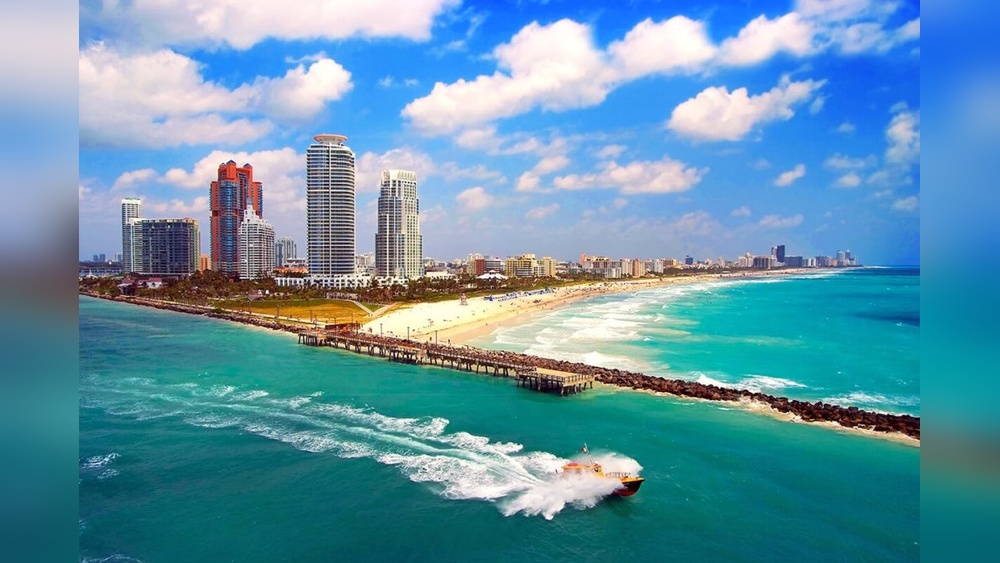
Located in the Florida Keys, Islamorada is often called the “Sportfishing Capital of the World.” This small village sits between the Atlantic Ocean and the Gulf of Mexico, offering easy access to both saltwater and backcountry fishing.
Anglers come from all over to catch tarpon, bonefish, permit, sailfish, and snook. Islamorada’s waters are famous for flats fishing, deep-sea adventures, and tournaments. The area hosts more fishing world records than almost anywhere else. The town’s economy, culture, and identity are built around fishing, with dozens of charters, guides, and bait shops.
Non-obvious insight: Islamorada’s unique geography, where shallow flats meet deep blue water, lets anglers catch trophy fish within minutes of each other—a rare advantage.
Cairns, Australia
For those who dream of catching a giant black marlin, Cairns is the ultimate destination. Situated in northern Queensland, Cairns gives access to the Great Barrier Reef and the Coral Sea.
Each year, from September to December, the world’s largest marlin gather here. The region holds multiple records for marlin over 1,000 pounds. It’s also a hotspot for other game fish, including yellowfin tuna and wahoo. The “marlin season” draws anglers and big-game fishing tournaments from every continent.
What makes Cairns stand out is the chance to catch a “grander” (a marlin over 1,000 lbs) in just a week—a probability almost unmatched anywhere else.
Prince Edward Island, Canada
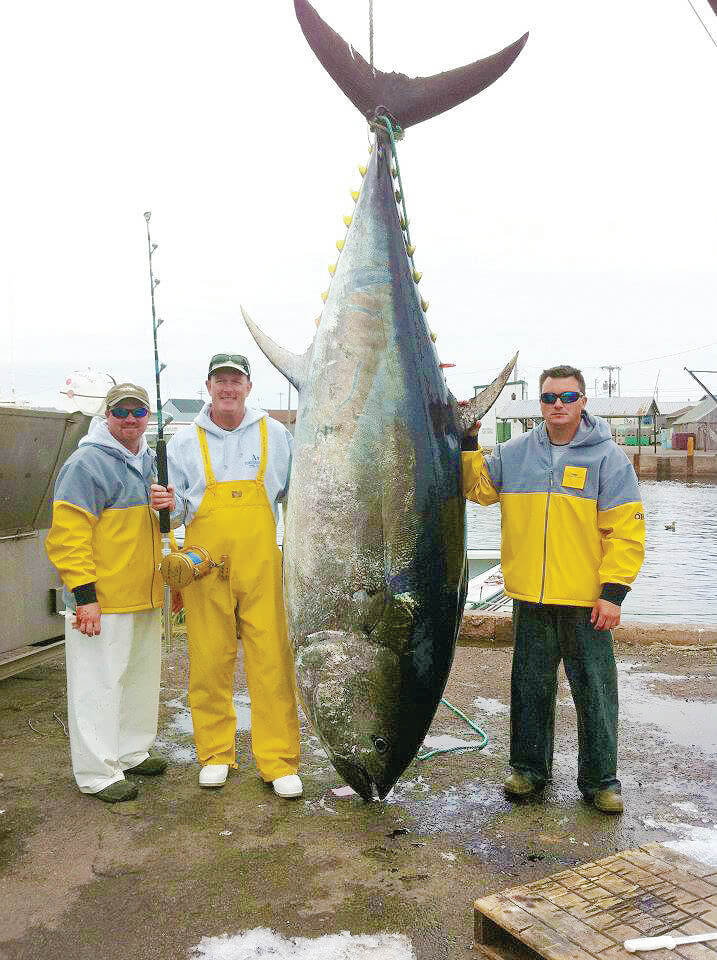
If giant bluefin tuna are on your bucket list, Prince Edward Island (PEI) in Canada is legendary. The waters off PEI produce some of the biggest bluefin ever recorded, with fish regularly exceeding 800 pounds.
PEI’s strict catch-and-release programs protect the species, while the short tuna season (usually August to October) adds to the excitement. The island’s fishing culture is strong, with local captains guiding visitors and researchers alike.
Non-obvious insight: Because of cold waters and rich feeding grounds, bluefin tuna here are often heavier and healthier than anywhere else, making PEI a hotspot for scientific research.
Amazon River Basin, Brazil
For freshwater adventure, the Amazon River Basin is in a class of its own. This vast river system is home to over 2,200 fish species, many found nowhere else on earth.
Anglers travel here hoping to catch the peacock bass, famous for its explosive strikes and vivid colors, as well as giant catfish, arapaima, and piranha. The Amazon offers a wild, remote experience—fishing here is as much about the jungle journey as the catch.
One thing beginners often miss: logistics are challenging. Reaching the best spots usually requires guided trips, bush planes, or riverboats. But the rewards are unforgettable.
Kona, Hawaii, Usa
Kona, on Hawaii’s Big Island, is another saltwater paradise. It’s world-famous for Pacific blue marlin (“ahi”) and other big game like swordfish, mahi-mahi, and yellowfin tuna.
What’s unique about Kona is how close the deep water is to shore. Within minutes of leaving the harbor, boats are in waters thousands of feet deep. This means less travel time and more fishing time—a big reason Kona is home to multiple big-money tournaments and world records.
Many anglers are surprised to learn that the volcanic seafloor creates underwater ledges that attract baitfish—and predators—right to the shoreline.
Iztapa, Guatemala
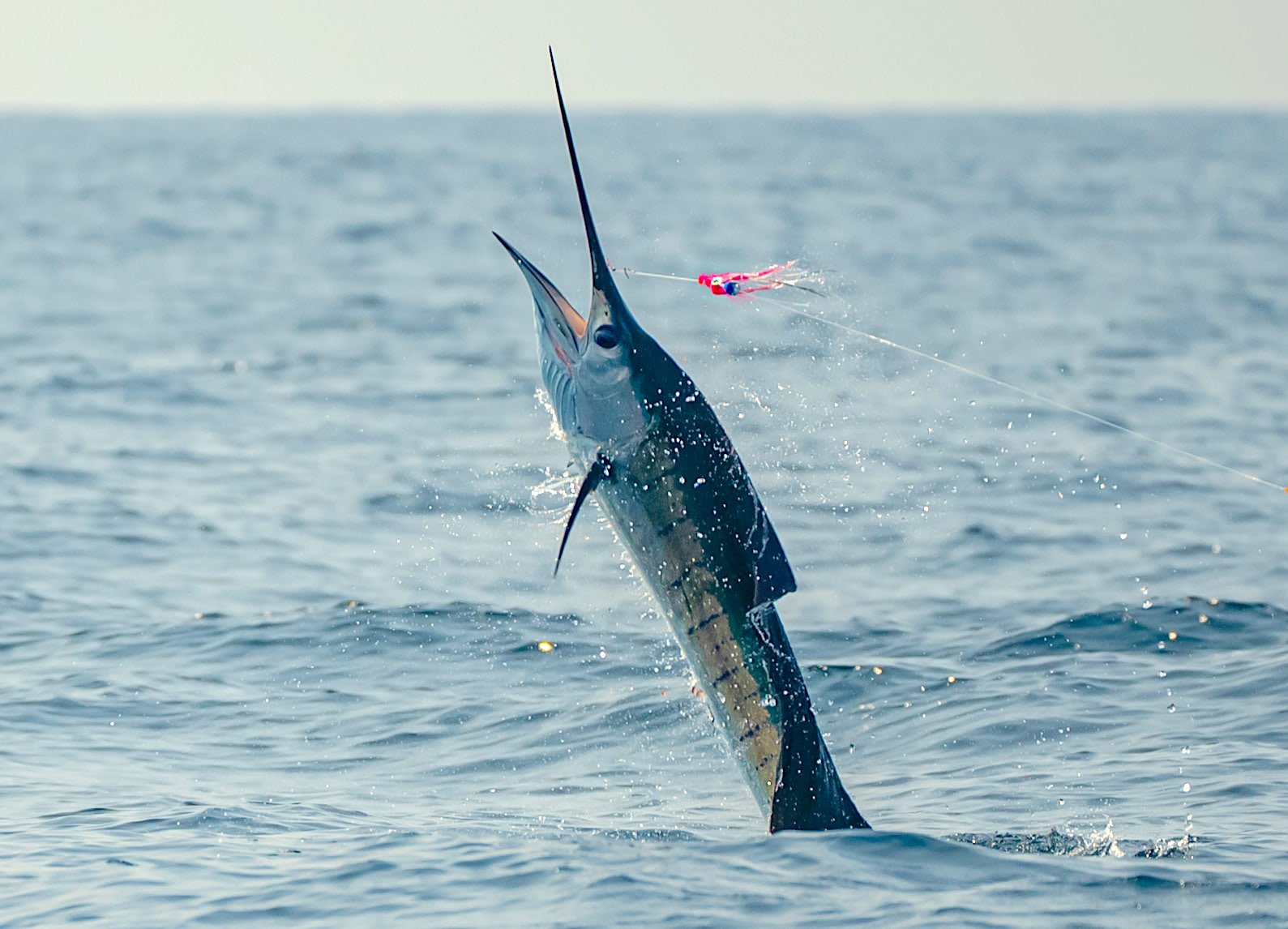
If you love billfishing, Iztapa on Guatemala’s Pacific coast is unbeatable for sailfish. Anglers can catch and release 10, 20, or even 30 sailfish in a single day during peak season (December to April).
This region is famous for the sheer numbers, not just size. The local government enforces strict conservation, with almost all sailfish released alive. Iztapa’s fishing lodges and charters are some of the best organized in Central America.
A less-known fact: Iztapa’s currents and underwater canyons concentrate baitfish, making it a year-round destination, not just for the main season.
Lake Victoria, Africa
Lake Victoria is the largest lake in Africa and the source of the Nile River. It’s best known for the Nile perch, which can grow up to 200 kg (440 lbs). Other popular species include tilapia and catfish.
Fishing supports millions of people here, making it both an economic and cultural capital for fishing in East Africa. The lake is also a prime spot for bird watching and wildlife, making fishing trips here a unique experience.
Beginners often overlook the challenges: the lake’s size brings sudden storms and navigation risks, so local guides are essential for safety and success.
Lofoten Islands, Norway
For those seeking cold-water fishing, the Lofoten Islands above the Arctic Circle offer some of the richest cod fisheries in the world. Every spring, millions of Atlantic cod migrate here to spawn.
The islands are also famous for their dramatic scenery—towering mountains rise straight from the sea. Local fishing villages have traditions going back hundreds of years. Besides cod, you can catch halibut, coalfish, and haddock.
Non-obvious insight: The “Skrei” cod that migrate here are considered the best-tasting cod in the world, prized by chefs and fishers alike.
The Maldives
The Maldives, an island nation in the Indian Ocean, is a paradise for saltwater anglers. The crystal-clear waters are home to giant trevally, tuna, wahoo, barracuda, and snapper.
Fishing is a way of life here, with both traditional handline fishing and modern big-game charters available. The Maldives is especially known for sustainable fishing—pole-and-line tuna fishing is a national tradition and recognized worldwide for its low environmental impact.
A tip for first-timers: Many resorts offer fishing excursions, but the best experiences come from joining local fishers on traditional dhoni boats.
Credit: coastalanglermag.com
Comparing The Top Fishing Capitals
To see how these destinations stack up, here’s a comparison of their most famous species and best fishing seasons:
| Destination | Signature Species | Best Season |
|---|---|---|
| Islamorada, Florida | Tarpon, Sailfish, Bonefish | Spring (Tarpon), Winter (Sailfish) |
| Cairns, Australia | Black Marlin, Tuna | September–December |
| Prince Edward Island | Bluefin Tuna | August–October |
| Amazon River Basin | Peacock Bass, Arapaima | September–February |
| Kona, Hawaii | Blue Marlin, Tuna | June–September |
| Iztapa, Guatemala | Sailfish | December–April |
| Lake Victoria | Nile Perch, Tilapia | Year-round |
| Lofoten Islands | Cod, Halibut | February–April (Cod) |
| Maldives | Giant Trevally, Tuna | November–April |
What Makes A Place The Fishing Capital?
Every contender has its strengths. But what truly sets a place apart?
Species Variety
A true fishing capital offers something for everyone. For example, Islamorada has both saltwater giants and inshore fighters, while the Amazon offers endless species for freshwater fans. Species variety attracts anglers of all skill levels and interests.
Record-breaking Catches
Places like Cairns and PEI are famous for world records, drawing big-game hunters who want a shot at the next milestone. If you want a chance at breaking records, these spots are top choices.
Rich Fishing Culture
A strong local fishing tradition means expert guides, great food, and a welcoming atmosphere. The Lofoten Islands and Lake Victoria have fished for centuries, making them more than just destinations—they’re cultural experiences.
Year-round Opportunities
Some places are seasonal, others are open all year. Kona and Lake Victoria offer fishing whenever you can travel, while Cairns and Iztapa have peak times with higher chances of big catches.
Conservation And Sustainability
The best fishing capitals protect their waters for the future. The Maldives and PEI are leaders in sustainable practices, making sure fish populations stay healthy for generations.
Comparing Travel And Accessibility
Fishing trips depend on more than just fish—you need to get there, and you need support. Here’s how the top spots compare for travel and services:
| Destination | Ease of Access | Tourism Infrastructure |
|---|---|---|
| Islamorada, Florida | Easy (Drive from Miami) | Excellent (Hotels, Charters, Tackle Shops) |
| Cairns, Australia | International Airport | Strong (Resorts, Marinas, Guides) |
| Prince Edward Island | Regional Airports, Ferries | Good (Local Charters, Hotels) |
| Amazon River Basin | Challenging (Flights, Boats) | Specialized (Jungle Lodges, Guided Tours) |
| Kona, Hawaii | Direct Flights | Excellent (Charters, Resorts) |
| Iztapa, Guatemala | Short Drive from Guatemala City | Strong (Fishing Lodges, Charters) |
| Lake Victoria | Regional Airports, Road | Basic (Local Guides, Lodges) |
| Lofoten Islands | Domestic Flights, Ferries | Moderate (Fishing Cabins, Local Guides) |
| Maldives | International Flights, Seaplanes | Excellent (Resorts, Traditional Boats) |
Famous Fishing Events And Tournaments
A real fishing capital hosts events that attract the world’s best anglers. Here are some of the most famous:
- Hemingway International Billfish Tournament (Cuba) – One of the oldest, named for the legendary writer.
- Islamorada Sailfish Tournament (Florida) – Major event in the Florida Keys with big cash prizes.
- Lizard Island Black Marlin Classic (Australia) – Attracts marlin hunters from every continent.
- World Cup Blue Marlin Championship (Hawaii and other locations) – Global, one-day event for marlin.
- Guatemala Billfish Invitational (Iztapa) – Focused on catch-and-release sailfish.
These tournaments highlight a region’s fishing quality and bring together pros, amateurs, and media.
Economic Impact Of Fishing Capitals
Fishing capitals are not just about sport—they drive local economies. Here’s how:
- Tourism revenue: Charter fees, hotels, restaurants, and gear shops.
- Job creation: Guides, boat crews, tackle makers, and hospitality workers.
- Conservation funding: Many tournaments and licenses fund research and protection.
- Cultural exchange: Anglers from different countries bring new skills and ideas.
For example, the Florida Keys see over 800,000 fishing visitors each year, contributing hundreds of millions of dollars to the local economy. In the Maldives, sustainable tuna fishing is a national industry, supporting thousands of families.
Challenges Facing Fishing Capitals
Even the top destinations face big challenges:
- Overfishing: Too many anglers or poor management can reduce fish numbers.
- Climate change: Warmer oceans, changing currents, and extreme weather affect fish habitats.
- Pollution: Runoff, plastics, and chemicals harm fish and ecosystems.
- Economic inequality: In some regions, local fishers struggle as tourism grows.
This makes conservation more important than ever. Many capitals now focus on catch-and-release fishing, size limits, and marine reserves to keep their waters healthy.

Credit: beltmag.com
How To Choose Your Ideal Fishing Capital
With so many options, how do you pick the best fishing destination for you? Consider these factors:
- Target species: Do you dream of tarpon, marlin, tuna, or something else?
- Travel budget: Some places are affordable, others require more investment.
- Adventure level: Are you after easy charters, or remote wilderness?
- Season: When do you want to go? Check the best months for your favorite fish.
- Guides and support: Beginners benefit from expert guides and organized trips.
- Conservation practices: Choose places with strong sustainability efforts.
A key tip: Many first-timers overlook the value of local guides. Even experienced anglers catch more (and have more fun) with expert help.
The Final Verdict: Is There One True Fishing Capital?
The truth is, there’s no single answer. Islamorada is a top pick for saltwater variety and records. Cairns is unbeatable for giant marlin. Prince Edward Island rules for bluefin tuna. The Amazon offers a wild, unmatched freshwater adventure. Iztapa is the best for sailfish numbers. Each has its own claim, depending on what you want.
Anglers worldwide often agree on one thing: the best fishing capital is the one that matches your passion, skill, and dream catch. Whether you’re chasing a world record or just a peaceful day on the water, these legendary places offer memories that last a lifetime.
If you want to explore even more fishing capitals and records, check out the Wikipedia page on the world’s largest fish.
Credit: midcurrent.com
Frequently Asked Questions
What Is The Fishing Capital Of The World?
There’s no single official “fishing capital of the world.” Places like Islamorada, Cairns, Prince Edward Island, and the Amazon are top contenders, each famous for different types of fishing and record catches.
Why Is Islamorada Called The Sportfishing Capital?
Islamorada gets this name because of its unique location between the Atlantic and the Gulf of Mexico, offering easy access to many species like tarpon, sailfish, and bonefish. It also holds more fishing world records than almost any other town.
Which Fishing Capital Is Best For Beginners?
Islamorada and Kona, Hawaii are great for beginners because they have lots of experienced guides, easy charters, and a wide variety of fish. Both offer year-round opportunities and strong tourism support.
What’s The Best Fishing Capital For Big-game Fish?
If you want to catch giant marlin, Cairns, Australia is the top spot. For bluefin tuna, Prince Edward Island is legendary. Both are famous for world-record catches and expert guides.
Are Fishing Capitals Safe For Travelers?
Most major fishing capitals have strong tourism safety standards, especially places like Florida, Hawaii, and Australia. In remote areas like the Amazon or Lake Victoria, it’s essential to travel with reputable guides for safety and the best experience.