
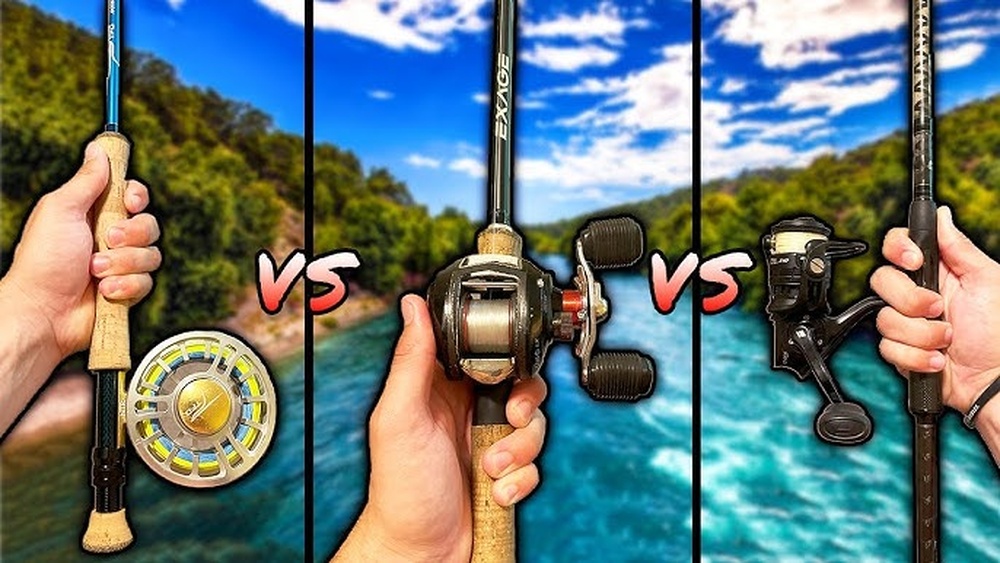
Fly Fishing Vs Bait Fishing: Which Method Should You Choose?
Fishing is more than a hobby for many people—it’s a way to relax, connect with nature, and even challenge oneself. But when you start exploring the world of fishing, you quickly discover there’s no single way to fish. Two of the most popular methods are fly fishing and bait fishing. Although both share the same goal—to catch fish—the techniques, gear, and experience are quite different. Understanding these differences can help you choose the right style for your needs, skill level, and location.
Whether you are a beginner or an angler with some experience, knowing the strengths and weaknesses of each method will make your fishing trips more enjoyable. Let’s dive into what makes fly fishing and bait fishing unique, compare their key aspects, and provide practical tips to help you decide which is best for you.
What Is Fly Fishing?
Fly fishing is a specialized form of fishing where the angler uses a lightweight lure, called a fly, to attract fish. The fly is designed to look like insects or other small creatures that fish eat. Instead of relying on the weight of the lure, fly fishers use a specially designed line that is heavier, allowing them to cast the nearly weightless fly.
The technique involves a unique casting motion, often seen as an art form. It requires practice to master. Many people are drawn to fly fishing for its elegance and the challenge of fooling wary fish with delicate presentations. Fly fishing is especially popular in rivers and streams, targeting species like trout, salmon, and sometimes bass.
Key Features Of Fly Fishing
- Lightweight flies: The lure is almost weightless and often hand-tied.
- Special rods and reels: Longer, flexible rods and large arbor reels are common.
- Unique casting technique: Uses the line’s weight, not the lure’s, to cast.
- Visual experience: Often involves watching fish rise and casting to visible targets.
- Focus on presentation: The way the fly lands and moves is critical.
What Is Bait Fishing?
Bait fishing, sometimes called conventional fishing, uses natural or artificial bait to catch fish. The bait can be worms, minnows, dough balls, or pre-made lures designed to mimic prey. The setup is usually simpler, and the technique is easier to learn for most beginners.
In bait fishing, you cast your bait and wait for a fish to bite, then reel it in. This method works in almost any water body—lakes, rivers, ponds, and even the ocean. It is effective for catching a wide variety of species, from panfish to catfish, bass, and even large saltwater fish.
Key Features Of Bait Fishing
- Natural or artificial bait: Uses food or lures to attract fish.
- Simple gear: Standard rods, reels, and lines.
- Passive or active: Can involve waiting or more active lure retrieval.
- Wide species range: Works for many types of fish.
- Accessible locations: Effective in fresh and saltwater.
Essential Gear: Fly Fishing Vs Bait Fishing
One of the most noticeable differences is the gear. The tools you use can affect your success, comfort, and enjoyment.
| Equipment | Fly Fishing | Bait Fishing |
|---|---|---|
| Rod | Long (7-10 ft), flexible, lightweight | Shorter (5-7 ft), stiffer, heavier |
| Reel | Large arbor, simple design, holds fly line | Spinning or baitcasting reel, more complex |
| Line | Thick, weighted, floating/sinking | Thin, monofilament or braided |
| Lure/Bait | Artificial flies (imitate insects) | Natural bait or lures (worms, minnows, plastics) |
| Other | Leaders, tippets, fly boxes, waders | Sinkers, bobbers, hooks, tackle box |
Practical insight: Fly fishing gear is often more expensive and specialized. Bait fishing gear is usually cheaper and easier to find in stores.
The Technique: How Each Method Works
The way you fish is very different between fly fishing and bait fishing. These differences shape the experience and skill needed.
Fly Fishing Technique
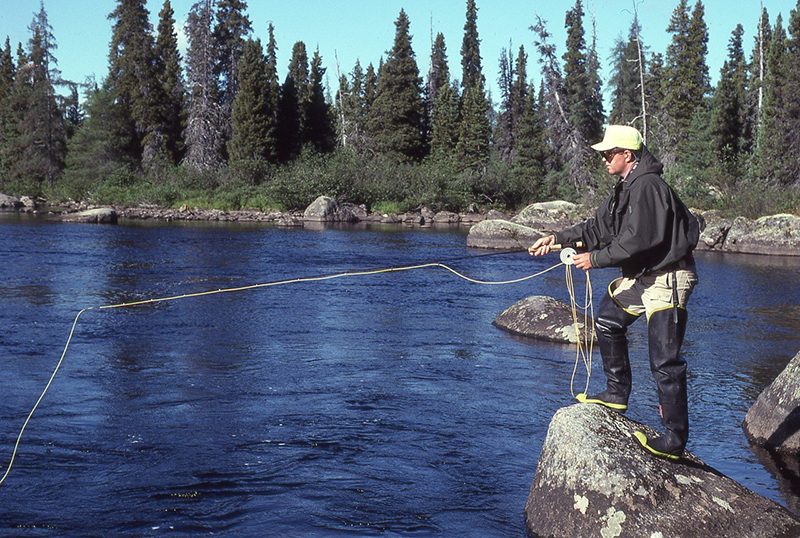
Fly fishing is about casting the fly accurately and presenting it naturally. The movement of the rod and line is smooth and rhythmic. Instead of casting the fly with weight, you use the line’s weight. This lets you land the fly gently on the water, often in front of a visible fish. You might need to change your casting style depending on wind, obstacles, or how far you want to cast.
Once the fly is on the water, you control how it moves. Sometimes you let it drift naturally, or you might twitch the rod to imitate a bug. Most of the time, you watch the water closely for signs of fish.
Bait Fishing Technique
Bait fishing is often more straightforward. You attach bait to your hook, cast it out, and wait. The bait’s smell, movement, or appearance attracts fish. You might use a bobber to keep the bait off the bottom or a weight to get it deeper. Some bait anglers use lures and actively retrieve them to mimic swimming prey.
Bait fishing can be as simple as sitting on a riverbank, watching your rod tip for bites. Or, it can be fast-paced if you are casting and retrieving lures. The learning curve is generally shorter than fly fishing.
Non-obvious insight: Many beginners overlook the importance of matching bait size and hook size to the fish species. Using the wrong size can mean fewer bites.
Target Species: What Can You Catch?
Different fish respond better to different methods. The choice may depend on what you hope to catch.
| Species | Best Method | Notes |
|---|---|---|
| Trout | Fly Fishing | Very responsive to insect flies, especially in streams. |
| Bass | Bait Fishing/Fly Fishing | Both work, but bait is easier for beginners. |
| Catfish | Bait Fishing | Prefer smelly, natural baits. |
| Salmon | Fly Fishing/Bait Fishing | Fly fishing popular in rivers; bait works in lakes/estuaries. |
| Panfish (Bluegill, Crappie) | Bait Fishing | Live bait is very effective. |
| Pike/Muskie | Bait Fishing | Large lures or live bait preferred. |
| Saltwater species (Tarpon, Bonefish) | Fly Fishing/Bait Fishing | Fly fishing is a challenge; bait is more common for beginners. |
Pro tip: Fly fishing shines when fish are feeding on the surface. Bait fishing is often better for bottom-feeding species.
Learning Curve And Skill Required
How quickly can you learn each style? Which is easier for beginners?
Fly Fishing
Fly fishing is considered harder to learn, mainly because of the casting technique and the need to read water and insects. Beginners often struggle to control their casts and choose the right fly. It takes time, patience, and often some instruction to improve.
However, many anglers find this challenge rewarding. The process of learning is part of the appeal. Mastering fly fishing can feel like a major achievement.
Bait Fishing
Bait fishing is easier to pick up. Most people can learn the basics in a few hours. Casting, baiting hooks, and waiting for bites are simple skills. You can catch fish your first day.
Over time, you can learn advanced techniques, like working lures or targeting specific species. But the basics are accessible for everyone.
Beginner’s mistake: Many new anglers in both styles overlook the importance of patience. Fishing often means waiting, watching, and being prepared for slow days.
Credit: www.takemefishing.org
Cost Comparison: Fly Fishing Vs Bait Fishing
Fishing can be as cheap or expensive as you make it, but there are real differences in cost.
Fly Fishing Costs
- Rod and reel: Quality combos can cost $150–$500 or more.
- Fly line: $30–$100.
- Flies: $2–$5 each, and you need several types.
- Waders/boots: $100–$300 if fishing in rivers.
- Accessories: Forceps, tippet, fly box, net.
Starting out, you might spend $300–$800 for a complete setup.
Bait Fishing Costs
- Rod and reel: Basic combos start at $30–$100.
- Line: $5–$20.
- Hooks, sinkers, bobbers: $10–$30 for a starter kit.
- Bait: $3–$10 per trip.
- Tackle box: $15–$50.
A beginner can start bait fishing for under $100.
Hidden cost: Fly fishing often requires travel to good streams or rivers, which can add expenses. Bait fishing can be done almost anywhere, even in local ponds.
Accessibility And Fishing Locations
Where you fish can influence the method you use.
Fly Fishing Locations
Fly fishing is most popular in moving water like rivers and streams. It’s ideal for places with clear water, visible fish, and active insect life. Many famous fly fishing spots are in remote or scenic locations, which can add to the adventure.
Bait Fishing Locations
Bait fishing works almost everywhere—lakes, ponds, rivers, and oceans. You can fish from shore, a dock, or a boat. It’s also easier to do in crowded or urban places where fly casting is not possible.
Non-obvious insight: Some urban parks allow only bait fishing, while certain rivers may have fly fishing-only regulations. Always check local rules before you go.

Credit: troutbitten.com
Challenge And Satisfaction
People often debate which method is more “sporting” or satisfying.
Fly Fishing
Fly fishing is often seen as more challenging. The casting, the need to “match the hatch” (choosing the right fly to mimic local insects), and the focus on skill over luck make it rewarding for many. Landing a wary trout on a hand-tied fly can feel like a real achievement.
Bait Fishing
Bait fishing can be just as satisfying, especially when targeting large or difficult fish. The thrill of a big catfish or bass taking your bait is memorable. It’s also more relaxed, perfect for those who want to enjoy nature without as much focus on technique.
Interesting fact: Studies show fly anglers often catch fewer fish per hour than bait fishers, but they report higher satisfaction from the challenge.
Environmental Impact
Fishing methods can affect the environment and fish populations differently.
Fly Fishing Impact
Fly fishing usually uses artificial flies and single, barbless hooks, which can reduce harm to fish. Catch-and-release is common, and the light gear is less likely to snag on the bottom.
Bait Fishing Impact
Bait fishing often uses natural bait, which can introduce non-native species if not careful. It’s easier for fish to swallow bait deeply, making release harder and increasing fish mortality.
Practical tip: Use circle hooks when bait fishing to reduce gut hooking. Always follow local regulations for ethical fishing.
Social And Cultural Aspects
Fishing is not just about catching fish—it’s a social and sometimes even cultural activity.
Fly Fishing Community
Fly fishing has a strong culture, with clubs, events, and conservation projects. Many people are passionate about protecting rivers and fish habitats. There’s a tradition of sharing knowledge and teaching newcomers.
Bait Fishing Community
Bait fishing is more common and family-friendly. It’s a favorite at picnics, lakes, and with children. The community is larger, and you’re likely to meet anglers of all ages and backgrounds.
Cultural insight: In some regions, fly fishing is seen as more “elite,” while bait fishing is viewed as more accessible. This perception is changing as more people discover both styles.
Weather, Seasons, And Timing
The best times to fish can depend on the method.
Fly Fishing
Fly fishing is most productive during insect hatches, which happen in spring, summer, and fall. Weather matters—a windy day can make casting hard. Many fly anglers pay close attention to temperature, water clarity, and sunlight.
Bait Fishing
Bait fishing is less affected by weather and works year-round. You can fish in rain, wind, or even ice fish in winter. Different baits and rigs can target fish in any condition.
Common mistake: Many beginners give up after a few slow trips without realizing how much timing and weather affect fish behavior.

Credit: www.youtube.com
Pros And Cons: A Direct Comparison
Here’s a side-by-side look at the main advantages and disadvantages of each method.
| Fly Fishing | Bait Fishing | |
|---|---|---|
| Pros |
|
|
| Cons |
|
|
How To Choose: Fly Fishing Or Bait Fishing?
Still not sure which is right for you? Consider these key questions:
- What fish do you want to catch? If you dream of wild trout in mountain streams, fly fishing may be best. For bass, catfish, or panfish, bait fishing is easier.
- Where will you fish? Small rivers and clear streams favor fly fishing. Local ponds, lakes, or saltwater are great for bait fishing.
- How much do you want to spend? Fly fishing requires more upfront investment. Bait fishing is budget-friendly.
- Do you enjoy learning new skills? Fly fishing offers a steeper but rewarding learning curve.
- Are you fishing for relaxation or challenge? Bait fishing is more relaxed. Fly fishing is more technical.
- Will you fish alone or with others? Bait fishing is easy to share with kids and friends. Fly fishing communities are welcoming but more specialized.
Unique advice: Try both methods before investing heavily in gear. Many anglers enjoy switching styles depending on the season or location.
Frequently Asked Questions
What Is The Main Difference Between Fly Fishing And Bait Fishing?
The main difference is in the gear and technique. Fly fishing uses lightweight artificial flies and relies on a special casting method, while bait fishing uses natural or artificial bait, with simpler casting and waiting for fish to bite.
Is Fly Fishing Better Than Bait Fishing For Beginners?
For most beginners, bait fishing is easier to learn and requires less expensive gear. Fly fishing has a steeper learning curve but is very rewarding once mastered.
Can You Catch The Same Fish With Both Methods?
Yes, you can catch many species with both methods. However, some fish are more likely to bite certain presentations. For example, trout often respond better to flies, while catfish prefer live or cut bait.
What Is More Environmentally Friendly: Fly Fishing Or Bait Fishing?
Generally, fly fishing is less harmful to fish because of single, barbless hooks and the use of artificial flies. Bait fishing can increase fish mortality if fish swallow the bait deeply.
Where Can I Learn More About Fishing Techniques?
A good place to start is reading guides from experts and checking resources like the Wikipedia page on fishing techniques for in-depth explanations and history.
Fishing is a journey, not just a destination. Whether you choose fly fishing, bait fishing, or both, the key is to enjoy the process and respect the water and fish. Try each method, ask questions, and remember that every angler was once a beginner.
The more you fish, the more you’ll discover what you love—and that’s what really matters.