
Raising fishing worms at home is a smart move for anglers and gardeners alike. Whether you want a steady supply of bait worms or you’re interested in making your own organic fertilizer (vermicompost), worm farming is practical, low-cost, and surprisingly simple. Many people buy worms again and again, not realizing they could easily raise hundreds or even thousands right at home. With a bit of knowledge and the right setup, you can build a thriving worm colony that meets your fishing or gardening needs all year round.
This guide walks you through everything you need to know about raising fishing worms. From choosing the best worm types to setting up a worm bin, feeding, breeding, common mistakes, and troubleshooting, you’ll get the full picture. By the end, you’ll see why many experts call worm farming one of the easiest and most rewarding home projects for beginners.
Let’s dig in.
Why Raise Fishing Worms?
There are several good reasons to raise your own fishing worms. First, you save money—buying worms from a bait shop can quickly get expensive, especially for regular anglers. Second, home-raised worms are often healthier and more active, making them more attractive to fish.
Third, worms help recycle kitchen waste into valuable compost, so you create less garbage and get free fertilizer for your plants.
Some people start worm farming for bait and end up using it as a fun science project with their kids, or even turning it into a small business. Once you understand the basics, worm farming can grow with your needs.
Choosing The Best Worms For Fishing
Not all worms are equally good for fishing. The main types to consider are:
1. Red Wigglers (eisenia Fetida)
Red wigglers are small, reddish-brown worms often used for composting. They reproduce quickly and thrive in bins, making them easy to manage. While they’re smaller than nightcrawlers, many anglers use them for panfish, trout, and other small species.
2. European Nightcrawlers (eisenia Hortensis)
These worms are larger than red wigglers—usually 3-6 inches long—and are a top choice for fishing bait. They are strong, lively, and stay active on the hook. European nightcrawlers adapt well to bin environments and can tolerate a wider range of temperatures.
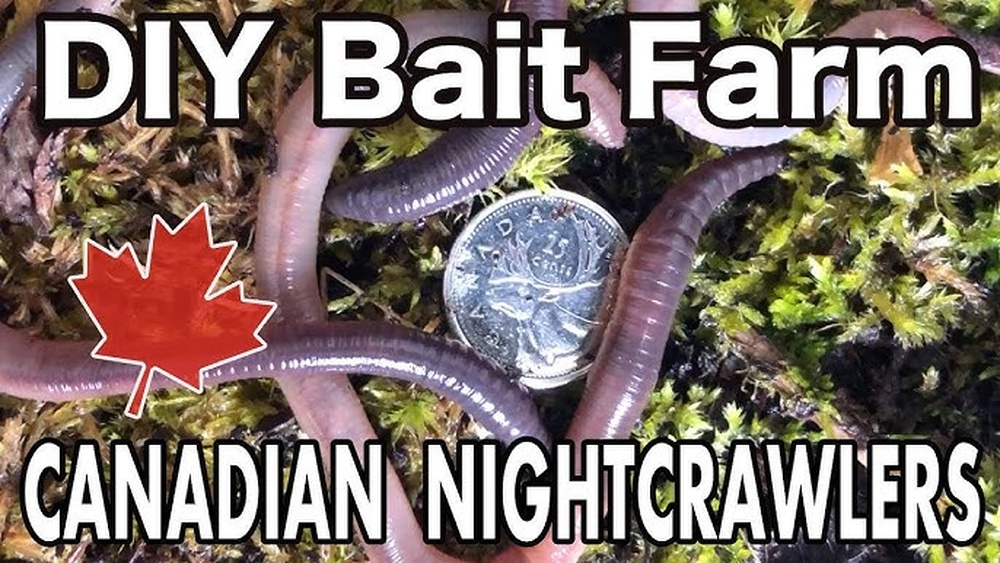
3. Canadian Nightcrawlers (lumbricus Terrestris)
The classic “big worm” many fishermen use, Canadian nightcrawlers are large and tough. However, they prefer cooler temperatures and need more space, so they’re harder to raise in small bins. Most home worm farmers stick with red wigglers or European nightcrawlers, but you can try Canadians if you have a cool, dark area and more patience.
4. Alabama Jumpers (amynthas Gracilis)
Known for their ability to “jump” when disturbed, these worms are tough and work well in outdoor bins or native soil. They’re less common in commercial worm farms but are excellent for fishing and soil improvement.
Setting Up Your Worm Bin
A good worm bin is essential for healthy, productive worms. You don’t need anything fancy—many people use plastic storage containers, wooden boxes, or even repurposed buckets. The key is to create a safe, moist, and dark environment where worms can eat, breed, and grow.
Container Choices
- Plastic bins: Easy to find, cheap, and don’t rot. Choose a bin that’s at least 10–14 inches deep and has a tight-fitting lid.
- Wooden boxes: Allow more air flow but can rot over time. Use untreated wood to avoid chemicals.
- Commercial worm farms: These are stackable trays sold online or at garden centers and are designed for easy harvesting.
Size Recommendations
- For a small family, a bin of 10–20 gallons is enough.
- Serious anglers or gardeners may want two or more bins.
Bin Placement
Worms prefer temperatures between 55–77°F (13–25°C). Place your bin in a cool, shaded area—basement, garage, shed, or under a porch. Avoid direct sunlight, which can overheat the bin and kill the worms.
Airflow And Drainage
Worms need oxygen. Drill 8–12 small holes in the sides and lid of your bin for airflow. Also, drill several small holes in the bottom for drainage—worms can drown in standing water.
Place a tray or newspaper under the bin to catch any liquid (called worm tea), which makes an excellent fertilizer.
Making The Perfect Worm Bedding
Worm bedding is more than just dirt. It creates a safe, moist space for worms to live and breed. Bedding should be soft, absorbent, and free of chemicals.
Good Bedding Materials
- Shredded newspaper (avoid colored or glossy paper)
- Coconut coir
- Peat moss
- Cardboard pieces (plain, not waxed or colored)
- Decaying leaves (make sure they’re pesticide-free)
How To Prepare Bedding
- Moisten the bedding until it’s as wet as a wrung-out sponge—damp, not dripping.
- Fill your bin about 2/3 full with the bedding mix.
- Fluff it up to create air pockets. Worms need to breathe!
Bedding Tips
- Avoid using soil from your garden, as it may contain pests or chemicals.
- Bedding needs to be refreshed every 4–6 weeks as it breaks down into compost.
Credit: wormbucket.com
Adding Your Worms
Once your bin is ready, it’s time to introduce your worms. Start with at least 500–1,000 worms for a new bin (about 1 pound of worms). Gently place them on top of the bedding—they will burrow down by themselves to escape the light.
Worms take a few days to settle in. During this time, keep the bin dark and avoid overfeeding.
Feeding Your Fishing Worms
Worms eat a wide range of organic waste, but some foods are better than others. The right diet helps worms grow faster, stay healthy, and reproduce more.
What To Feed
- Fruit and vegetable scraps (peels, cores, ends)
- Coffee grounds and filters
- Crushed eggshells (adds calcium)
- Shredded paper or cardboard
- Tea bags (staple-free)
What To Avoid
- Meat, fish, or dairy
- Oily or greasy foods
- Citrus and spicy foods (onion, garlic, hot peppers)
- Salty foods
- Large amounts of bread or cooked pasta (can mold quickly)
Feeding Schedule
Feed your worms once or twice a week. Start slow—add a cup or two of food scraps, then wait until most is eaten before adding more. Overfeeding causes smells and attracts pests.
Non-obvious Feeding Insight
Many beginners forget that worms also eat the bedding. If your bedding is breaking down quickly, it means the worms need more food or the bedding needs refreshing.
Maintaining The Right Conditions
Healthy worms need the right moisture, temperature, and pH.
Moisture
The bedding should always feel like a wrung-out sponge. Too dry and worms may die; too wet and they can drown or suffocate. If it’s drying out, spray with water. If it’s too wet, add more dry bedding.
Temperature
Ideal temperature is 55–77°F (13–25°C). In hot climates, keep the bin in the shade and never let it sit in direct sunlight. In cold climates, insulate the bin or keep it indoors during winter.
Ph Balance
Worms like a pH between 6. 0 and 7. 0. If bedding gets too acidic (from citrus or too much coffee), add a small amount of crushed eggshell or garden lime.
Light
Worms hate light. Always keep the lid closed except when feeding or checking on them.
Breeding And Multiplying Your Worms
Fishing worms reproduce quickly under good conditions. Here’s how the process works:
- Worms are hermaphrodites, meaning each one has both male and female organs.
- Two worms mate by joining together and exchanging sperm.
- Each worm produces cocoons (tiny lemon-shaped eggs), which hatch into baby worms after 3–4 weeks.
Under ideal conditions, your worm population can double every 60–90 days.
Tips For Faster Breeding
- Keep the bedding moist and fluffy.
- Feed a variety of food scraps (not just one type).
- Avoid sudden temperature changes.
- Gently stir the bedding every week to add air and prevent clumping.
Non-obvious Breeding Insight
Harvest some mature worms regularly for bait or compost. If the bin gets too crowded, breeding can slow down because worms sense there isn’t enough space or food.
Harvesting Worms For Fishing
Harvesting worms is simple but can be messy. There are a few methods to get worms out without taking all the bedding.
Hand-picking
The easiest method—dig through the bin and pick out worms by hand. It’s slow but works for small amounts.
Light Migration
Worms avoid light. Dump the contents onto a sheet or table under a bright light. Worms will burrow down, so you can scrape off the top layer of compost and repeat until mostly worms remain.
Bait Ball Method
Push food scraps to one side of the bin. Wait a day or two. Most worms will gather under the food, making them easy to scoop out.
Sifting
Pour the bin through a large mesh screen. Compost and small worms fall through, leaving big worms on top.
Table: Harvesting Methods Comparison
| Method | Best For | Effort Level | Speed |
|---|---|---|---|
| Hand-Picking | Small harvests | Low | Slow |
| Light Migration | Large harvests | Medium | Medium |
| Bait Ball | Quick access | Low | Fast |
| Sifting | Bulk harvests | High | Fast |
Using Worm Castings (compost)
Besides bait, worm bins produce worm castings (vermicompost), a powerful organic fertilizer. Sprinkle castings on your garden, houseplants, or mix into potting soil. It improves plant health, boosts yields, and helps soil hold water.
Many worm farmers find they value the compost as much as the worms themselves.

Credit: www.youtube.com
Preventing And Fixing Common Problems
Even with the best setup, problems sometimes arise. Here are solutions to common issues:
Smelly Bin
A healthy bin smells earthy, not rotten. Bad smells usually mean overfeeding, too much moisture, or not enough airflow. Remove uneaten food, add dry bedding, and check for clogged drainage.
Worms Crawling Out
If worms try to escape, conditions aren’t right—often too wet, too acidic, or too hot. Check moisture, pH, and temperature. Give them fresh bedding if needed.
Fruit Flies Or Pests
Fruit flies can be a nuisance. Bury food scraps deeper in the bedding and cover with a layer of damp newspaper. If you see ants, move the bin to a different spot and keep bedding slightly drier.
Bin Too Wet Or Dry
Adjust by adding dry bedding to soak up moisture, or spray with water if too dry.
Table: Quick Problem Solver
| Problem | Cause | Solution |
|---|---|---|
| Smell | Overfeeding, too wet | Remove food, add bedding |
| Escaping worms | Wrong conditions | Check moisture, pH, temp |
| Fruit flies | Food on surface | Bury food, use newspaper cover |
| Too wet | Poor drainage | Add dry bedding, fix drainage |
Outdoor Vs. Indoor Worm Farming
You can raise worms indoors or outdoors. Each has its pros and cons:
Indoor Worm Bins
- Easy to control temperature and moisture.
- No risk of pests or predators.
- Can be kept in basements, closets, or laundry rooms.
Outdoor Worm Beds
- Can handle larger worm populations.
- More natural, but weather can be a problem—rain can flood the bed, sun can overheat it.
- Birds, rodents, or ants may try to eat your worms.
Table: Indoor Vs. Outdoor Comparison
| Factor | Indoor | Outdoor |
|---|---|---|
| Temperature Control | Easy | Difficult |
| Space Needed | Small | Large |
| Pest Risk | Low | High |
| Worm Capacity | Moderate | High |
Scaling Up: From Hobby To Small Business
Some worm farmers start selling extra worms to local bait shops or gardeners. If you have the space, you can add more bins or larger outdoor beds and turn worm farming into a side business. People are often surprised at the demand for healthy, lively worms and quality worm castings.
Tips if you want to scale up:
- Keep detailed records of worm growth and sales.
- Separate bins by age or size for easier harvesting.
- Check local laws—some places require permits for commercial bait.
Safety And Hygiene
Worm bins are safe, but basic hygiene is important:
- Wash hands after handling worms or bedding.
- Use gloves if you have sensitive skin.
- Keep bins out of reach of pets and small children.
Advanced Tips For Experienced Worm Farmers
Once you’re comfortable, you can experiment with:
- Mixing worm species for better performance (e.g., red wigglers and European nightcrawlers together).
- Using food “recipes” to boost worm growth—try a mix of coffee grounds, eggshells, and shredded leaves.
- Harvesting worm cocoons and moving them to starter bins for faster population growth.
Additional Resources
If you want to learn more, check out the Wikipedia page on vermicomposting for deeper science and methods. There are also many local worm farming clubs and forums where you can ask questions and share experiences.
Credit: wormbucket.com
Frequently Asked Questions
What Is The Best Worm Type For Fishing Bait?
The best worms for fishing are European nightcrawlers and Canadian nightcrawlers. They are large, strong, and stay alive longer on the hook. Red wigglers are also good for smaller fish.
How Long Does It Take To Grow Fishing Worms From Scratch?
If you start with 1 pound (about 1,000 worms), you can double your population in 2–3 months under the right conditions. It takes about 3–4 weeks for worm cocoons to hatch.
Can I Use Garden Soil For Worm Bedding?
It’s better not to use garden soil. Soil can contain pests, diseases, or chemicals that harm worms. Instead, use shredded newspaper, coconut coir, or peat moss.
How Often Should I Harvest Worms For Fishing?
You can harvest worms every 2–4 weeks. It’s best to take only mature worms and leave the smaller ones to grow. Regular harvesting helps prevent overcrowding.
What Should I Do If My Worms Are Dying?
Check for common problems: Is the bin too wet or dry? Is there enough air? Are you feeding the right foods? Make sure the temperature is not too hot or cold. Remove any bad food and add fresh bedding.
Raising fishing worms is both simple and rewarding. With the right setup and a little attention, you’ll have a steady supply of lively bait and rich compost. Whether you fish every weekend or just want to recycle kitchen scraps, worm farming fits almost any home.
Give it a try and see how easy—and fun—it can be to raise your own fishing worms.