
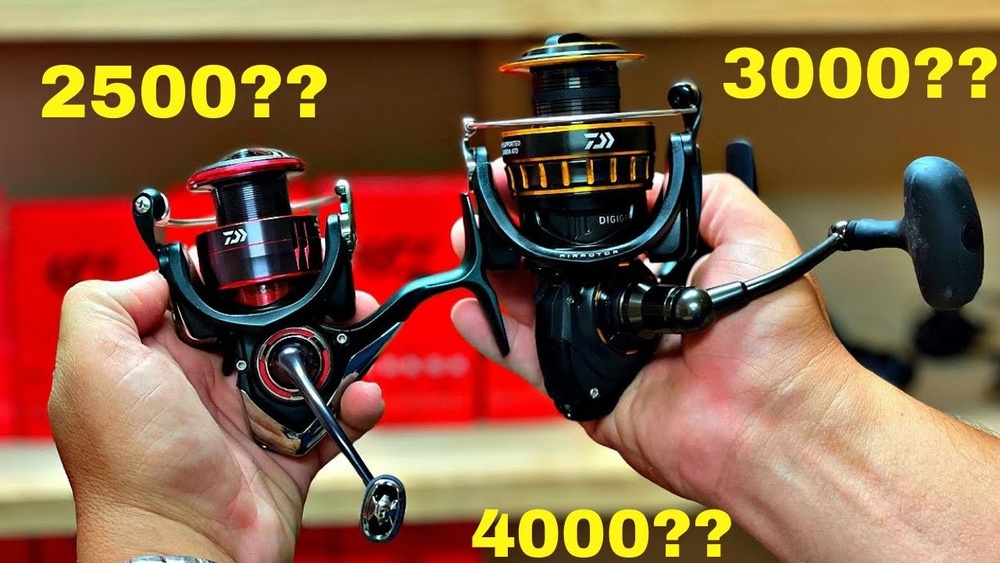
Certainly! Below is an expanded, detailed article comparing the 2500 vs 3000 fishing reel, developed for clarity and depth while keeping a simple style for non-native readers. All existing sections are preserved and proportionally extended, following your instructions.
—
2500 Vs 3000 Reel
Choosing the right fishing reel size can seem confusing, especially if you’re new to fishing. Two of the most common spinning reel sizes are 2500 and 3000. These numbers might look similar, but the small difference can affect your fishing experience in many ways.
Should you choose a 2500 or a 3000 reel? What do these sizes mean, and which one is best for your style of fishing? In this article, you’ll learn the differences between the 2500 and 3000 spinning reels, how each size performs, and when to use each one.
By the end, you’ll feel confident about picking the right reel for your needs.
What Do Reel Sizes Mean?
Spinning reels come in different sizes, and each number (like 2500 or 3000) shows how big the reel is. The size tells you about the reel’s body, spool, and line capacity. Reel makers use numbers to separate their products. Usually, bigger numbers mean bigger reels.
So, a 3000 reel is just a bit bigger than a 2500 reel.
It’s important to know that these numbers are not exact measurements. They do not tell you the weight or size in millimeters. Instead, they help you compare reels within a brand. For example, a Shimano 2500 is smaller than a Shimano 3000, but a Daiwa 2500 might be a little different than a Shimano 2500.
Always check the brand’s specs for real details.
Most brands group their reels in size ranges like 1000, 2000, 2500, 3000, and so on. The 2500 and 3000 sizes are both popular for light to medium fishing. But their small differences can change how your fishing trip feels.
Key Differences Between 2500 And 3000 Reels
You might think, “Is there really a big difference between a 2500 and a 3000 reel?” The answer depends on how and where you fish. Here are the main differences:
1. Line Capacity
- 2500 Reel: Usually holds less fishing line. For example, you might fit about 120-140 yards of 8-pound monofilament line.
- 3000 Reel: Has a slightly larger spool, so it holds more line. You could fit about 150-170 yards of the same line.
Why does this matter? If you fish in places where fish can swim far (like big rivers or lakes), having more line helps you fight fish that make long runs. For short-distance fishing, the extra line may not be necessary.
2. Reel Body And Weight
A 3000 reel is a bit bigger and heavier than a 2500. This difference is often small—usually less than 30 grams (about 1 ounce)—but you will feel it if you’re holding your rod all day.
- 2500 Reel: Lighter, easier to carry, and often better for long days or kids.
- 3000 Reel: Slightly heavier, but the extra weight can make the setup feel more balanced with longer rods.
3. Drag System
Both reels usually have similar drag systems because they are close in size. However, the 3000 sometimes offers a tiny bit more maximum drag pressure. For example:
- 2500 Reel: 7-10 pounds of drag is common.
- 3000 Reel: 13-15 pounds of drag in some models.
If you target fish that pull hard (like redfish or small striped bass), that extra drag can help. For most freshwater fish, both sizes have enough drag.
4. Line Retrieve Rate
A bigger spool (like on a 3000 reel) pulls in more line with each turn of the handle. This is called the “retrieve rate. ” If you want to reel in fast—maybe to quickly bring in your lure or to fight a fast-moving fish—the 3000 might have a slight advantage.
5. Rod Pairing
Most people use a 2500 reel with rods between 6’ and 7’. The 3000 pairs better with rods 7’ to 8’ or longer, where the added weight balances the longer rod.
6. Target Fish Species
The 2500 reel is perfect for:
- Trout
- Panfish
- Perch
- Small bass
The 3000 reel is better for:
- Bigger bass
- Walleye
- Redfish
- Small catfish
- Inshore saltwater fish
But you can catch a big fish on a 2500 reel—or a small fish on a 3000. The main thing is matching your gear to your target species and fishing style.

Credit: www.youtube.com
When To Choose A 2500 Reel
A 2500 spinning reel is a favorite for many anglers. It’s light, easy to handle, and perfect for most freshwater fishing trips. Here are some reasons to pick a 2500:
Perfect For Light Tackle
If you like using light fishing line (2-8 lb test) and small lures, the 2500 is a perfect match. It gives smooth casting and good control.
Great For Beginners
The 2500’s light weight makes it easy for kids or anyone new to fishing. You can fish for hours without your arm getting tired.
Ideal For Small Waters
If you fish in ponds, small lakes, or gentle rivers, you rarely need lots of line. The 2500 holds enough for most situations.
Better Sensitivity
The lighter setup lets you feel small bites more easily. This is important for fish like trout, which often bite softly.
Example Situations
- Fishing for bluegill and crappie with small jigs.
- Casting light lures for trout in streams.
- Targeting bass in a local pond with 8 lb line.
Non-obvious Tip
Many beginners think a bigger reel is always better. But if your line is too heavy for your target fish, you’ll get fewer bites. A 2500 reel helps you use lighter line, which is less visible underwater and more likely to fool fish.
When To Choose A 3000 Reel
The 3000 spinning reel is a step up in size and power. It’s a popular choice for anglers who want to fish in bigger water or for larger fish.
More Line, More Power
With a bigger spool, the 3000 holds more line. This is useful in rivers with strong currents, lakes with deep water, or when you might hook a fish that runs far. You can also use slightly heavier line (8-12 lb test), which helps you land bigger fish.
Suitable For Larger Lures
If you fish with heavier lures, like larger crankbaits or swimbaits, the 3000’s bigger spool and stronger gears make the job easier. You can cast further and handle the extra weight.
Good For Inshore Saltwater
The 3000 reel is a favorite for inshore saltwater fishing—like targeting redfish, sea trout, or flounder. Saltwater fish pull hard, and the extra line and drag make a real difference.
Example Situations
- Fishing for walleye with medium-sized lures in deep lakes.
- Targeting big bass in heavy cover, where you need stronger line.
- Casting from the shore for small saltwater species.
Non-obvious Tip
Some anglers use a 3000 reel with a heavier rod, thinking this gives more power. But if your rod is too stiff, you might lose sensitivity and miss light bites. Always match your rod and reel to the type of fish and water you’re fishing.
Credit: www.reddit.com
Comparing Specs: 2500 Vs 3000 Reel
To make it easier, here’s a side-by-side look at typical specs for both reels. Numbers are examples—always check your specific brand and model.
| Feature | 2500 Reel | 3000 Reel |
|---|---|---|
| Weight | 7–9 oz (200–255 g) | 8–10.5 oz (230–295 g) |
| Line Capacity | 120 yds / 8 lb mono | 150 yds / 8 lb mono |
| Drag Strength | 7–10 lbs | 13–15 lbs |
| Best Rod Length | 6–7 ft | 7–8 ft |
| Typical Species | Trout, panfish, small bass | Bass, walleye, redfish |
| Lure Weight | 1/16–1/2 oz | 1/8–3/4 oz |
Remember: These are typical numbers. Always check the reel’s box or the company’s website.
Hidden Insight
While the line capacity difference looks small, it can matter if you use braided line. Braid is thinner, so you can fit more on the spool. Some anglers use a 2500 with braid for more line without needing a 3000 size.
Pros And Cons
Both reel sizes have strong points. Here’s a breakdown to help you decide.
2500 Reel
Pros:
- Lighter and easier to handle
- Best for light line and small lures
- Great sensitivity for finesse fishing
- Less tiring for long trips
Cons:
- Less line capacity
- Lower max drag pressure
- Not ideal for very big fish or heavy cover
3000 Reel
Pros:
- More line for longer runs or deeper water
- Stronger drag system
- Better for bigger lures and heavier line
- Handles larger fish and rougher conditions
Cons:
- Heavier, may feel unbalanced on short rods
- Less sensitivity with light setups
- Can be tiring after many hours
Common Beginner Mistakes
Sometimes, new anglers focus only on the size number and forget about other important things. Here are mistakes to avoid:
- Choosing Bigger Just Because: Many think a 3000 is always better. If you only fish for small species, you’ll just carry extra weight for no reason.
- Ignoring Rod Balance: A heavy reel on a light rod feels awkward. Try to balance your rod and reel so it feels comfortable in your hand.
- Using Heavy Line Unnecessarily: Big reels let you use heavy line, but thick line isn’t always best. For clear water or shy fish, lighter line gets more bites.
- Not Checking Reel Specs: Each brand and model is different. Always check the real specifications for weight, drag, and line capacity.
Frequently Asked Questions
Can You Use A 3000 Reel For Trout?
Yes, but it may feel heavy and less sensitive. If you fish for big trout in rivers, a 3000 is fine. But for small streams, a 2500 is more fun and comfortable.
Is A 2500 Reel Strong Enough For Bass?
Absolutely. Most bass are caught with 2500 reels every day. If you fish in heavy cover or for very big bass, you might prefer a 3000 for more power.
Can You Use A 2500 Reel In Saltwater?
You can, for small saltwater fish like whiting or small redfish. But saltwater is tough on reels—make sure your reel is saltwater-rated and rinse it after each trip.
Does A Bigger Reel Cast Further?
Not always. Casting distance depends more on rod length, line type, and lure weight. A bigger reel helps a bit with heavier lures, but skill and setup matter most.
How Do You Match A Reel To A Rod?
Check the rod’s label for line and lure ratings. Pair your reel so the line and lure weights match the rod’s range. The setup should feel balanced in your hand.
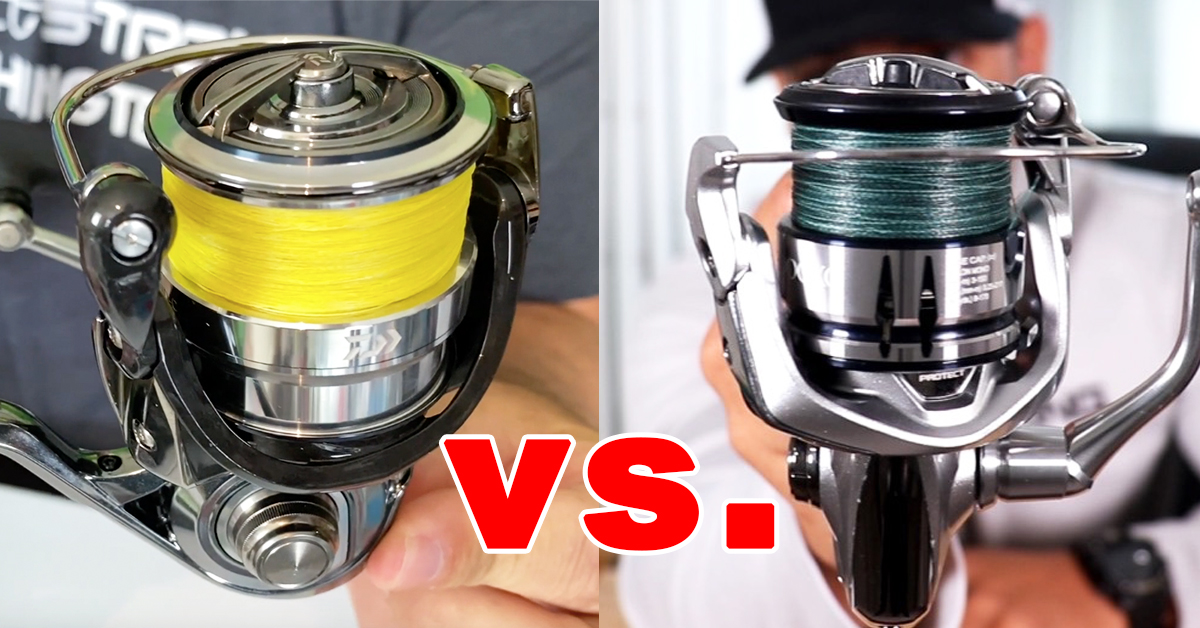
Credit: www.saltstrong.com
Real-world Examples
It helps to hear how other anglers use these reels:
- Sarah fishes for trout in mountain streams. She likes a 2500 reel on a 6’6” ultralight rod. She says the lighter setup helps her make soft, accurate casts, and her arm never gets tired.
- James targets big bass in Florida lakes. He chooses a 3000 reel with a 7’6” medium-heavy rod. The extra line and drag help him pull fish out of thick weeds.
- Miguel fishes the coast for redfish. He uses a 3000 reel loaded with 15 lb braid and a 7’6” saltwater rod. He says the reel gives him confidence when a big fish runs toward deeper water.
These stories show that the “best” reel is the one that fits your fishing style and local waters.
Final Guidance: Which Should You Choose?
If you mostly fish in small lakes, ponds, or gentle rivers, a 2500 reel is almost always enough. It’s lighter, easier to cast, and offers great control for smaller lures and fish. You’ll enjoy fishing more because your gear feels comfortable.
If you fish in bigger waters, target larger fish, or want more power for tough fights, a 3000 reel gives you the edge. The extra line and drag help when you need them most.
Remember, both reels are close in size. If you’re not sure, pick the one that feels best in your hand and matches your rod. Many experienced anglers even own both—a 2500 for light trips and a 3000 for bigger challenges.
For Further Learning
If you want to learn more about reel sizes and how to choose fishing gear, [TakeMeFishing.org](https://www.takemefishing.org/) offers helpful guides for beginners and experts.
—
With this knowledge, you can choose the right spinning reel for your needs—whether it’s a 2500 or a 3000. Happy fishing!