
Fishing is not just about patience and luck. Many anglers believe the right gear can make a big difference, especially when it comes to seeing what’s happening below the water’s surface. One tool that often comes up in fishing conversations is fishing glasses. You might have heard claims that these special glasses help you spot fish, reduce glare, and protect your eyes. But do fishing glasses actually work, or are they just another fishing gadget that sounds better than it performs? Let’s explore the science, real-world results, and practical tips to see if fishing glasses deserve a spot in your tackle box.
What Are Fishing Glasses?
Fishing glasses, often called polarized sunglasses, are eyewear designed for anglers. Unlike normal sunglasses, they have a special coating that blocks certain light waves. This helps reduce the intense glare that bounces off water surfaces. The main goal is to make it easier to see into the water, spot fish, and move safely along slippery banks or boats.
Most fishing glasses are made with polarized lenses. These lenses filter out horizontal light waves, which are responsible for glare. The result is clearer, crisper vision with less eye strain. Some models also offer UV protection, scratch resistance, and even color-enhancing features.
The Science Behind Polarized Lenses
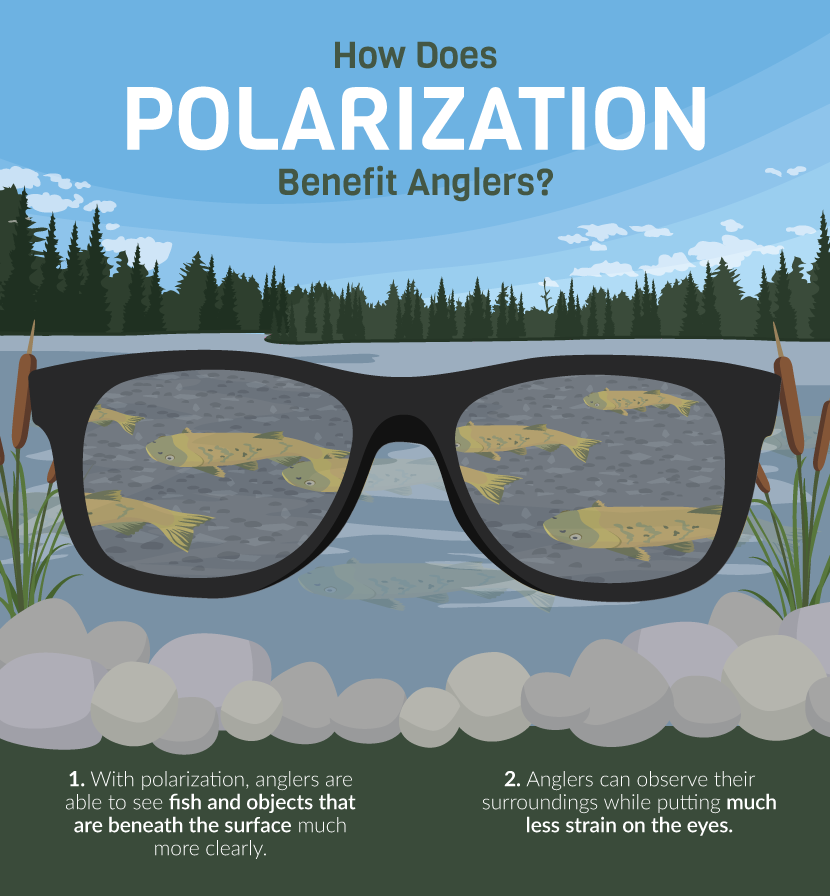
To understand if fishing glasses work, it helps to know how polarization works. When sunlight hits a flat surface like water, it reflects in many directions. The most intense reflection is usually horizontal, causing a strong glare. Polarized lenses have a special chemical film that absorbs horizontal light, letting only vertical light pass through.
This means that with polarized glasses, the blinding glare from the water is greatly reduced. You can see below the surface more easily, notice fish movements, and spot obstacles.
Studies back this up. According to research published in the *Journal of the Optical Society of America*, polarized lenses can reduce glare by up to 90% compared to regular sunglasses. This isn’t just a small improvement—it’s a game changer for anyone who spends hours near water.
Credit: everestkitchennc.com
Benefits Of Fishing Glasses For Anglers
Many anglers swear by their polarized fishing glasses. Here’s how they can help:
- Better Fish Spotting: The most obvious benefit is being able to see fish below the water surface, especially in clear, shallow waters. This gives you a real advantage when casting and choosing the right spot.
- Reduced Eye Strain: Hours of fishing under the sun can cause tired, sore eyes. Polarized glasses help reduce this by cutting glare and making it easier to focus.
- Improved Safety: Slippery rocks, hidden logs, and uneven ground are common hazards. With reduced glare, you can see underwater obstacles and avoid accidents.
- UV Protection: Many fishing glasses also block 100% of UVA and UVB rays, helping to protect your eyes from long-term sun damage.
- Enhanced Color Perception: Some lenses are designed to boost certain colors, making it easier to spot bait, lures, or fish against different backgrounds.
When Fishing Glasses Make A Real Difference
Fishing glasses are not just for show. Anglers notice the biggest improvements in certain situations:
- Bright sunny days: The glare is strongest, so the benefits are most obvious.
- Shallow, clear water: You can see fish, rocks, and plants that are otherwise hidden.
- Sight fishing: When you need to locate fish before you cast, polarized lenses give you a clear advantage.
- Boat fishing: Glare from the water can be blinding, making polarized glasses almost essential.
Even in cloudy or overcast weather, glare still exists, though it’s less intense. Many users report that fishing glasses still help, but the effect is not as dramatic as on sunny days.
Limitations And When Fishing Glasses Don’t Work Well
Despite the benefits, fishing glasses are not magic. There are times when they help less:
- Very muddy or murky water: If you can’t see into the water with your naked eye, polarized lenses won’t reveal what’s hidden.
- Low light (dawn or dusk): Polarized lenses can make things look darker, which is not ideal when there’s little sunlight.
- Deep offshore fishing: In very deep water, seeing fish below the surface is not usually possible, so the glasses only help with comfort and eye protection.
A common beginner mistake is expecting fishing glasses to let you see through any water, at any time, in any light. The truth is, the right conditions make all the difference.
Comparing Fishing Glasses To Regular Sunglasses
Some people wonder if their normal sunglasses are good enough for fishing. Here’s a direct comparison:
| Feature | Fishing Glasses (Polarized) | Regular Sunglasses |
|---|---|---|
| Glare Reduction | Excellent (up to 90%) | Moderate to Poor |
| Water Visibility | High | Low |
| UV Protection | Usually included | Varies |
| Color Enhancement | Available in some models | Rare |
| Cost | Mid to High | Low to High |
The biggest difference is polarization. Regular sunglasses may reduce brightness, but they can’t cut glare from water surfaces in the same way.
Types Of Polarized Fishing Glasses
Not all fishing glasses are created equal. Here are the main types you’ll find:
1. Glass Vs. Plastic Lenses
- Glass lenses: Offer the sharpest optics and are very scratch resistant, but they are heavier and can break.
- Plastic lenses: Lighter and more impact-resistant, but may scratch more easily. Most modern fishing glasses use high-quality plastics like polycarbonate.
2. Lens Colors
Lens color affects how well you see in different conditions:
- Gray: Good for bright sun, reduces overall brightness without changing colors.
- Amber/Brown: Enhances contrast and depth, great for sight fishing in shallow water.
- Copper: Similar to amber, often preferred for rivers and lakes.
- Yellow: Best for low light or cloudy days.
- Green Mirror: Popular for inshore fishing.
Choosing the right lens color can make a surprising difference. For example, amber or copper lenses often help you see more detail when fishing in rivers.
3. Frame Styles
- Wraparound: Offers better side protection from glare and wind.
- Standard: Look more like normal sunglasses but may let in more stray light.
- Prescription: Available for those who need vision correction.
How To Choose The Best Fishing Glasses
With so many choices, picking the right fishing glasses can be confusing. Here are some key factors to help you decide:
- Check for True Polarization: Not all sunglasses labeled “polarized” are equal. Look for trusted brands and test them (many stores let you check with a special card or screen).
- Fit and Comfort: Glasses should fit snugly but not pinch. A good fit is especially important if you’ll wear them all day.
- Lens Color for Your Conditions: Think about where and when you fish most. Amber and copper are good all-rounders.
- UV Protection: Make sure the glasses block 100% of UVA and UVB rays.
- Durability: If you’re rough on gear, look for scratch-resistant and shatterproof materials.
- Anti-Reflective Coating: Some models add coatings to further reduce reflections from behind the lens.
- Price vs. Quality: You don’t need to spend a fortune, but extremely cheap glasses often have weak polarization or poor optics.
Here’s a quick comparison of popular lens colors and when to use them:
| Lens Color | Best Conditions | Key Benefit |
|---|---|---|
| Gray | Bright, sunny days | Natural color, overall glare reduction |
| Amber/Brown | Variable light, shallow water | Contrast and depth perception |
| Copper | Rivers, lakes, mixed light | Color enhancement |
| Yellow | Early morning, dusk, cloudy | Brightens low light |
| Green Mirror | Inshore, saltwater | Reduces glare, good contrast |
Real-world Experiences: Anglers’ Opinions
Most experienced anglers agree that fishing glasses are worth it. Many say it’s hard to go back to regular sunglasses or bare eyes after using polarized lenses. For example, fly fishers trying to spot trout in a stream often rely on fishing glasses to see through the surface glare.
Some beginners, however, are disappointed if they expect to see every fish in any water. It takes practice to “read” the water and use the glasses effectively. Sometimes, tilting your head or changing your viewing angle helps you spot fish.
This is a small but important skill that many newcomers overlook.
Another non-obvious tip: cleaning your glasses regularly is crucial. Water spots, sunscreen, and fingerprints can undo the benefits of even the best lenses.
Are Expensive Fishing Glasses Worth The Money?
Prices for fishing glasses range from less than $20 to several hundred dollars. Is it worth paying more? Here’s what matters:
- Quality of polarization: Cheaper models may have weaker polarization or a coating that wears off quickly.
- Lens clarity: Premium glasses often have sharper optics and better color accuracy.
- Durability: Higher-end models use better materials for frames and lenses, making them last longer.
However, you don’t always need the most expensive pair. Many mid-priced glasses offer excellent performance. What’s most important is matching the glasses to your needs and fishing style.
Credit: www.sportrx.com
Common Mistakes When Using Fishing Glasses
Many beginners make simple mistakes that reduce the effectiveness of fishing glasses:
- Not cleaning the lenses: Dirt or water spots can make even the best lenses useless.
- Choosing the wrong lens color: Using gray lenses in low light or amber on the ocean can reduce visibility.
- Not fitting them properly: Loose glasses let in side glare; too tight is uncomfortable.
- Expecting to see through muddy water: No glasses can fix poor water clarity.
- Forgetting about lens scratches: Scratched lenses can cause distortion and eye fatigue.
Learning how to care for and use your fishing glasses properly is just as important as the glasses themselves.
Extra Benefits: Eye Health And Safety
Many people overlook the long-term health benefits of good fishing glasses. UV rays can damage your eyes over time, increasing the risk of cataracts and other problems. Polarized glasses with strong UV protection help prevent this. They also shield your eyes from wind, flying hooks, and debris—essential for safety, especially if you fish in groups or in windy conditions.
Another overlooked point: reflections from water can cause “snow blindness” (photokeratitis), a painful condition where the sun burns your cornea. Proper fishing glasses help prevent this, especially on long days outdoors.
Alternatives And Complementary Gear
Some anglers use clip-on polarized lenses over prescription glasses. These can work, but they often don’t fit as well or block side glare. Prescription polarized fishing glasses are a better choice if you need vision correction.
Another option is wearing a wide-brimmed hat or visor along with your fishing glasses. This reduces the amount of sunlight hitting your eyes from above and behind, making your glasses more effective.
A side note: not all “fishing glasses” sold online are truly polarized. Look for reputable brands and check reviews before buying.
Popular Brands And What To Look For
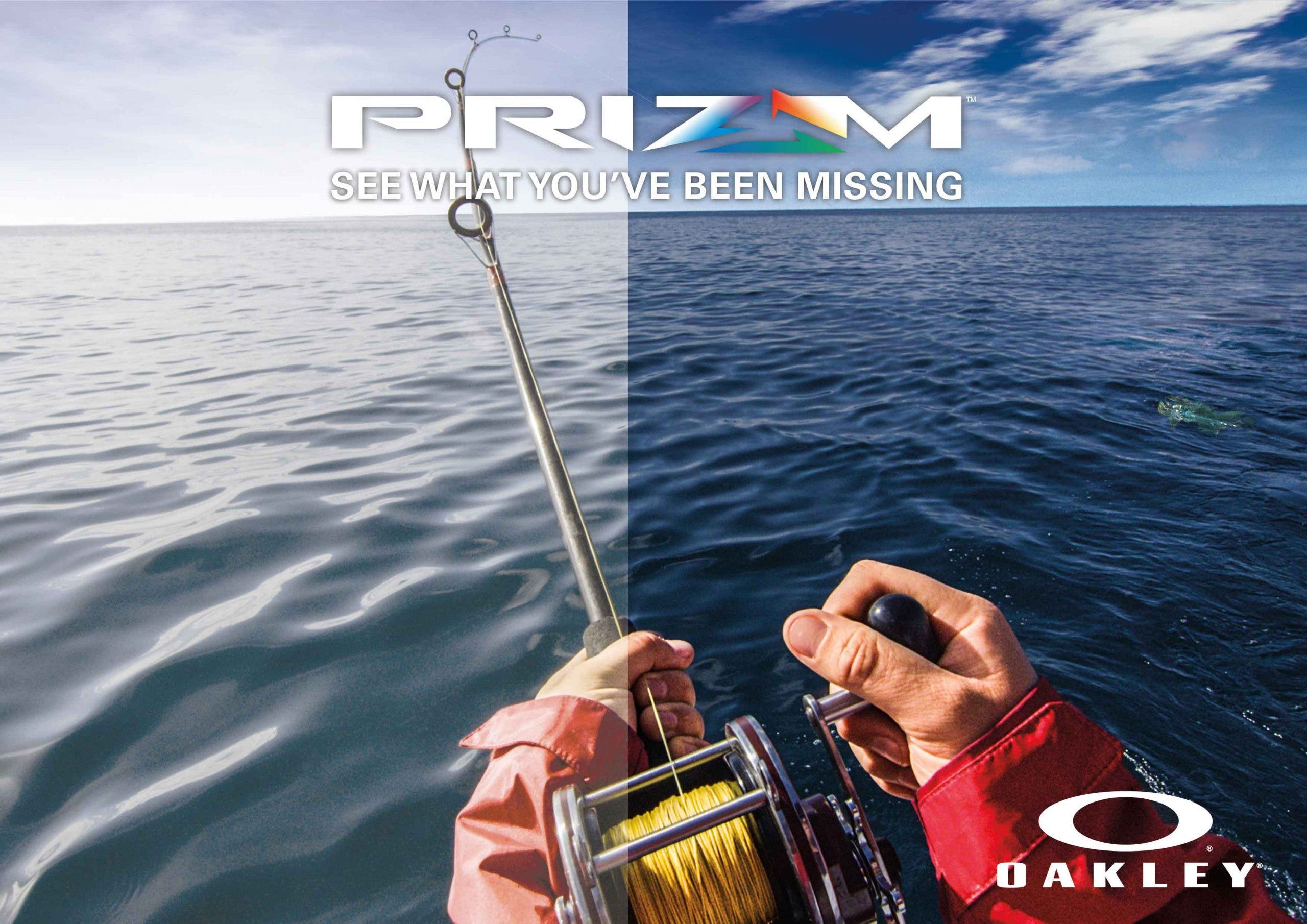
Some well-known brands in the world of fishing glasses include Costa Del Mar, Oakley, Maui Jim, and Smith Optics. These brands are known for their quality polarization and durability.
When shopping, consider:
- Warranty: Good brands offer replacement or repair for defects.
- Customer reviews: See what real users say about comfort and performance.
- Try before you buy: If possible, test glasses outside near water to see the difference.
Data: How Much Do Fishing Glasses Improve Catch Rates?
There is limited scientific data on exact catch rate improvements, but surveys and anecdotal reports are telling. In a survey by In-Fisherman Magazine, over 75% of experienced anglers said they caught more fish when using polarized glasses, especially for sight fishing.
While glasses alone won’t make you an expert, they can make a real difference in certain styles of fishing, like stalking trout in clear streams or spotting bass beds in lakes.
Environmental Considerations
Some fishing glasses are now made with recycled materials or biodegradable frames. Choosing eco-friendly models helps reduce your impact on the environment, especially important for those who enjoy the outdoors.
Where Science And Experience Meet
Both scientific studies and real-world fishing experience point to the same answer: fishing glasses do work—but their effectiveness depends on how, when, and where you use them. They are not a miracle tool, but for most anglers, they’re a reliable way to see more, fish smarter, and protect your eyes.
For more detailed information on how polarized lenses work, you can visit the Wikipedia article on Polarizers.
Frequently Asked Questions
What’s The Difference Between Polarized And Non-polarized Fishing Glasses?
Polarized fishing glasses block horizontal light waves that cause glare, making it easier to see into water. Non-polarized glasses only reduce brightness and don’t cut glare, so they’re less effective for fishing.
Can Fishing Glasses Help In Cloudy Or Rainy Weather?
Yes, but the effect is weaker. Glare still exists on cloudy days, but it’s less intense. Some anglers use amber or yellow lenses in low light to maximize visibility.
Are Fishing Glasses Necessary For Deep Sea Or Offshore Fishing?
They are helpful for comfort and eye protection, but you won’t be able to see fish deep below the surface. They’re more useful for spotting surface activity, floating debris, and reducing eye fatigue.
How Can I Test If My Fishing Glasses Are Truly Polarized?
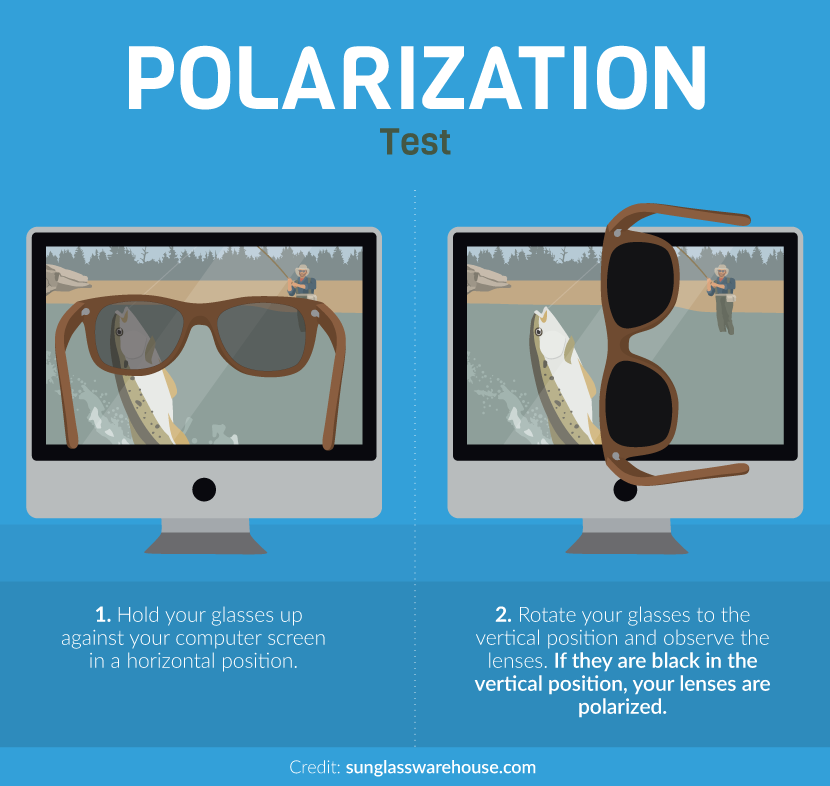
Hold the glasses up to a computer or phone screen and rotate them. If the lenses are polarized, the screen will appear to darken or change color at certain angles. Some stores offer polarization testers as well.
Do Prescription Fishing Glasses Exist?
Yes, many brands make prescription polarized fishing glasses. These are the best choice if you need vision correction, as they combine clear sight and glare reduction in one pair.
Fishing glasses are a useful tool for any angler who wants to see more and fish smarter. By choosing the right pair, using them correctly, and understanding their limitations, you can enjoy clearer vision, safer days, and maybe even more fish in your net.
Credit: www.fix.com