
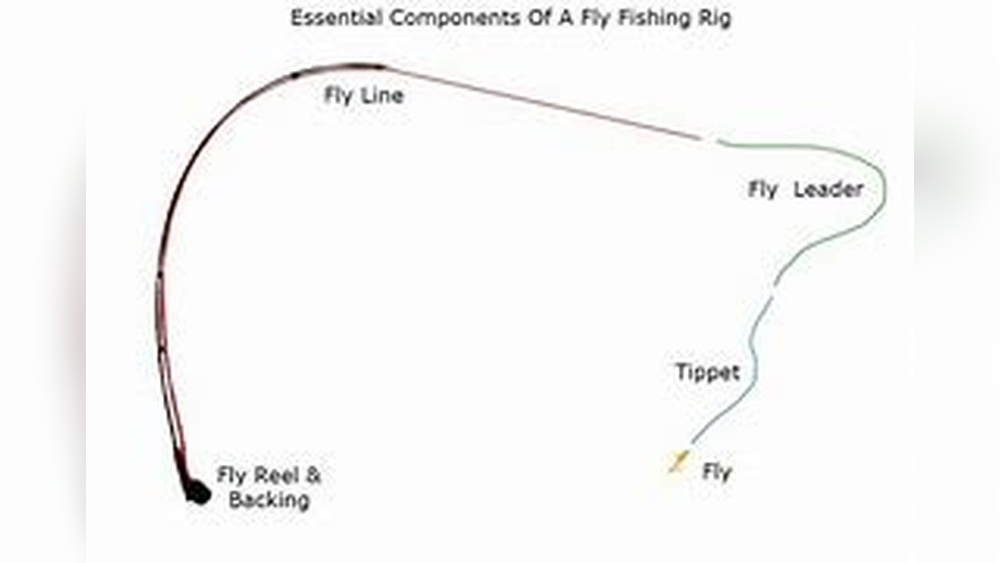
Fly fishing is a sport filled with unique gear and language. For those new to it, two words can be especially confusing: leader and tippet. You’ll hear experienced anglers talk about both, sometimes in the same sentence, and it’s easy to wonder—are they the same thing? Do you need both? Does one replace the other? Understanding the difference between a fly fishing leader and a tippet is not just about using the right words; it’s about fishing smarter and getting better results on the water.
This guide will clear up the confusion. You’ll learn what each part is, why they matter, and how to use them to catch more fish. We’ll break down their roles, materials, sizing, and how they affect your casting and presentation.
Whether you’re new to fly fishing or want to fix common mistakes, this article will help you set up your line the right way.
What Is A Fly Fishing Leader?
A fly fishing leader is the clear line that connects your thick, colorful fly line to your tippet or directly to your fly. It’s usually 7.5 to 12 feet long and tapers from thick to thin. This design helps transfer energy from your cast and makes your fly land softly on the water.
Main Functions Of A Leader
- Energy Transfer: The leader turns over the fly, making your cast accurate and smooth.
- Stealth: Because it’s clear, fish don’t see the leader as easily as the main fly line.
- Abrasion Protection: The thick butt section helps protect against rocks, sticks, and fish teeth.
Construction And Materials
Most leaders are made from nylon or fluorocarbon. Nylon is flexible and floats well, while fluorocarbon is nearly invisible underwater and sinks faster. Leaders can be knotless (tapered in one piece) or hand-tied (built from several pieces of line with knots).
Leader Length And Taper
- Short leaders (7.5 ft): Good for small streams and windy days.
- Medium (9 ft): Most common, good for general trout fishing.
- Long (12+ ft): For spooky fish and clear water.
The taper means the leader starts thick and gets thinner toward the end. This helps your cast unfurl smoothly.
Leader Strength
Leaders come in different breaking strengths, often measured in pounds or X sizes (like 4X, 5X). The butt section (thickest part) must be strong enough to turn over the fly but still be subtle enough to avoid scaring fish.
What Is A Tippet?
A tippet is the final, thinnest section of clear line at the end of your leader. It’s where you tie your fly. You can think of it as an extension or replacement for the end of your leader. The tippet is typically 18 inches to 4 feet long.
Main Functions Of A Tippet
- Stealth: Tippet is very thin and nearly invisible, so fish don’t notice it.
- Presentation: The thinness lets your fly drift naturally, matching the movement of insects.
- Flexibility: You can easily change tippet sizes to match different fly sizes or fishing conditions.
Tippet Materials
Like leaders, tippet material comes in nylon and fluorocarbon. Fluorocarbon is more invisible underwater and doesn’t absorb water, but it costs more. Nylon floats better and is easier to knot.
Tippet Sizing
Tippet is sized by the X system (like 5X, 6X), which measures the diameter. The higher the number, the thinner the tippet.
- 3X–4X: For big flies and strong fish.
- 5X–6X: For most trout fishing.
- 7X and thinner: For tiny flies and cautious fish.
Tippet strength also appears in pounds on packaging, but diameter is usually the key factor.
Leader Vs Tippet: The Core Differences
Understanding the difference between leader and tippet helps you set up your fly rig correctly and avoid mistakes that can cost you fish.
| Feature | Leader | Tippet |
|---|---|---|
| Position in Setup | Connects fly line to tippet/fly | Connects leader to fly |
| Length | 7.5–12+ ft | 1.5–4 ft |
| Taper | Thick to thin | Uniform thinness |
| Main Purpose | Transfer energy, protect, camouflage | Stealth, fly presentation |
| Replacement Frequency | Occasional (when worn out) | Often (after changing flies) |
Key insight: The leader is the main connection and energy transfer system, while the tippet is the replaceable, delicate part right before the fly.
Why Both Are Needed In Fly Fishing
Some beginners wonder, “Can I use only a leader or just a tippet?” In most fishing, you need both for best results.
- The leader gives structure and helps your cast land where you want.
- The tippet provides the final invisibility and flexibility for your fly.
If you only use a leader, it gets shorter every time you change flies or break off, losing its taper and power. If you only use tippet, you lose casting accuracy and risk spooking fish.
Example Scenario
You buy a 9-foot, 5X leader. After a few fly changes and snags, you have only 7 feet left, and the end is now thicker than 5X. By adding 2 feet of 5X tippet, you restore the leader’s original length and thinness, helping your fly drift naturally and increasing your chances with cautious trout.
How To Choose The Right Leader
Picking the right leader depends on where and what you’re fishing for. Here’s how to make a smart choice.
Water Type And Clarity
- Clear, slow water: Use longer, thinner leaders (9–12+ ft, 5X or thinner).
- Fast, choppy water: Use shorter, stronger leaders (7.5–9 ft, 3X–5X).
Target Fish Species
- Trout: 9 ft, 4X–6X is standard.
- Bass: Shorter, thicker leaders (7.5 ft, 0X–2X).
- Pike or musky: Heavy leaders with wire bite guards.
Fly Size
- Big flies: Use thicker leaders (2X–4X).
- Tiny flies: Use thinner leaders (5X–7X).
Practical Tip
Always match your leader’s butt section to your fly line thickness. If your leader is too thin, it won’t “turn over” the fly well.
How To Choose The Right Tippet
The tippet is easy to change, so you can adjust it for different flies and conditions.
Matching Tippet To Fly Size
A good rule: Divide the fly size by 3 to get the right tippet size.
- Size 12 fly: 12 ÷ 3 = 4X tippet
- Size 18 fly: 18 ÷ 3 = 6X tippet
Fish Species And Strength
- For strong fish, go with a thicker tippet.
- For small, wary fish, use the thinnest tippet you can get away with.
Water Conditions
- Clear water: Thinner tippet (5X–7X).
- Murky water: Thicker tippet is fine.
Non-obvious Insight
Many beginners only use the tippet that came with their leader. This leads to lost fish, especially after several fly changes. Always carry extra spools of tippet in different sizes.

Credit: news.orvis.com
How To Connect Leader And Tippet
To get the best performance, you need to connect leader and tippet the right way. The most common knot is the double surgeon’s knot or the blood knot.
Step-by-step: Double Surgeon’s Knot
- Overlap 6 inches of leader and tippet.
- Tie a simple overhand knot with both lines together.
- Repeat the overhand knot with the same two lines.
- Wet the knot and pull all four ends tight.
This knot is strong and easy to tie, even with cold hands.
Pro Tip
Always use tippet that is equal to or thinner than the end of your leader. If you tie thick tippet to a thinner leader, the knot will be weak.
Common Mistakes With Leader And Tippet
Even experienced anglers make errors with their leader and tippet. Here are some to avoid:
- Never adding tippet: This shortens your leader and ruins its taper. Always add fresh tippet after several fly changes.
- Wrong size match: Too thick or too thin tippet for your fly leads to poor casting and lost fish.
- Old material: Sunlight and age weaken both leader and tippet. Replace them at the start of the season.
- Too many knots: Extra knots create weak spots. Use the fewest possible connections.
- Mismatched materials: Don’t mix nylon and fluorocarbon in the same leader-tippet connection. Stick with one material for best knot strength.

Credit: drifthook.com
Leader And Tippet For Different Fly Fishing Styles
The right combination changes based on your style of fishing. Here’s how leaders and tippets are used in different situations.
Dry Fly Fishing
- Long, thin leaders (9–12 ft, 5X–7X)
- Thin tippet for natural drift
- Fluorocarbon tippet can sink the fly; nylon is better for floating
Nymph Fishing
- Shorter, stronger leaders (7.5–9 ft, 3X–5X)
- Heavier tippet to handle weight and strong takes
- Use fluorocarbon for better sinking
Streamer Fishing
- Short, thick leaders (4–7 ft, 0X–3X)
- Strong tippet to avoid break-offs
Saltwater Fly Fishing
- Very strong, abrasion-resistant leaders
- Heavy tippet to handle powerful fish
How Leader And Tippet Affect Your Fishing Success
A good setup with the right leader and tippet makes a huge difference. Here’s how:
- Better presentations: The fly lands softly and drifts naturally, fooling more fish.
- Fewer break-offs: The right strength prevents lost fish.
- Easy fly changes: Replace tippet, not the whole leader, saving time and money.
- Adapting to conditions: Switch tippet sizes for different flies or spooky fish.
Real-world Example
On a clear spring creek, a 12-foot leader with 2 feet of 6X tippet can mean the difference between catching fish and spooking them. On a fast mountain stream, a 7. 5-foot leader and 4X tippet handle heavy currents and bigger flies.
When To Replace Your Leader Or Tippet
Knowing when to change your leader or tippet keeps your setup working its best.
Replace Your Leader When:
- It’s shorter than recommended (after many tippet additions)
- The butt section is abraded or kinked
- You see visible nicks or damage
Replace Your Tippet When:
- It’s less than 12–18 inches long
- It feels rough or frayed
- You catch several fish or change flies multiple times
Tip: Always check your tippet after catching a fish or snagging. Weak spots can cost you the next big one.
Leader And Tippet Materials: Nylon Vs. Fluorocarbon
Choosing between nylon and fluorocarbon affects your fishing experience.
| Feature | Nylon | Fluorocarbon |
|---|---|---|
| Visibility | Less invisible underwater | Nearly invisible underwater |
| Floatation | Floats better (good for dry flies) | Sinks (good for nymphs) |
| Cost | Less expensive | More expensive |
| Abrasion Resistance | Good | Very good |
| Knot Strength | Excellent | Very good (but can slip if not tied well) |
Non-obvious insight: Many anglers use nylon for their main leader and add a fluorocarbon tippet for stealth and abrasion resistance.

Credit: guiderecommended.com
Leader And Tippet Size Chart
Matching fly size to tippet size is important. Here’s a quick reference:
| Fly Size | Tippet Size (X) | Typical Use |
|---|---|---|
| 8–12 | 3X–4X | Large nymphs, streamers |
| 12–16 | 4X–5X | General trout flies |
| 16–22 | 5X–7X | Small dries, tiny nymphs |
If in doubt, go thinner for wary fish in clear water, thicker for strong fish or rough conditions.
Environmental And Ethical Considerations
Both leader and tippet materials can impact the environment. Monofilament and fluorocarbon take hundreds of years to break down. Always pack out used pieces and dispose of them properly.
Tip: Some brands now offer biodegradable options. While not as durable, they are better for the environment.
Leader And Tippet In Competition And Advanced Techniques
In fly fishing competitions, anglers often use very long leaders (up to 20 feet) with ultra-thin tippets (7X–10X). This allows for delicate presentations but requires excellent casting skill.
Advanced insight: For European nymphing, long leaders and short, heavy tippets keep the flies in the strike zone and reduce drag.
How Leader And Tippet Evolve With Experience
As you gain skill, you’ll:
- Carry multiple leader and tippet sizes for different waters
- Learn to build custom leaders for unique situations
- Use specialty tippets (like shock tippets for toothy fish)
Pro’s tip: Experienced anglers inspect their leader and tippet after every fish or snag, replacing parts before problems happen.
Frequently Asked Questions
What’s The Main Difference Between A Leader And A Tippet In Fly Fishing?
The leader is the full, tapered section that connects your fly line to the fly (or tippet), while the tippet is the thin, final piece attached to the end of the leader where you tie the fly. The leader provides strength and energy transfer; the tippet offers stealth and easy replacement.
Can I Tie My Fly Directly To The Leader Without Tippet?
Yes, you can, especially when your leader is new and the correct size. However, after a few fly changes, the leader gets shorter and thicker at the end. Adding tippet restores the proper length and thinness, making your presentation better.
Should I Use Nylon Or Fluorocarbon For My Leader And Tippet?
Nylon is cheaper and floats well, making it good for dry fly fishing. Fluorocarbon is nearly invisible underwater and sinks, making it best for nymphs and clear water. Many anglers mix both: nylon leader with fluorocarbon tippet.
How Do I Know What Tippet Size To Use For My Fly?
Divide your fly’s size by 3 to get the correct tippet size (for example, size 18 fly works best with 6X tippet). Adjust up or down if you need more strength or stealth, or if you’re fishing in tough conditions.
How Often Should I Replace My Leader And Tippet?
Replace your leader when it’s short, damaged, or doesn’t turn over well. Replace tippet after several fly changes, fish caught, or if it feels rough or weak. Always check your setup after each fish or snag.
Fly fishing is more than casting; it’s about understanding your gear and making smart choices. The difference between leader and tippet is simple but powerful. By knowing what each does, how to choose them, and how to combine them, you’ll enjoy more success and fewer frustrations on the water. For more advanced reading, visit the Wikipedia page on fly fishing.
With the right leader and tippet, your fly will drift naturally, your knots will hold strong, and the next fish you hook might just be your best yet.