
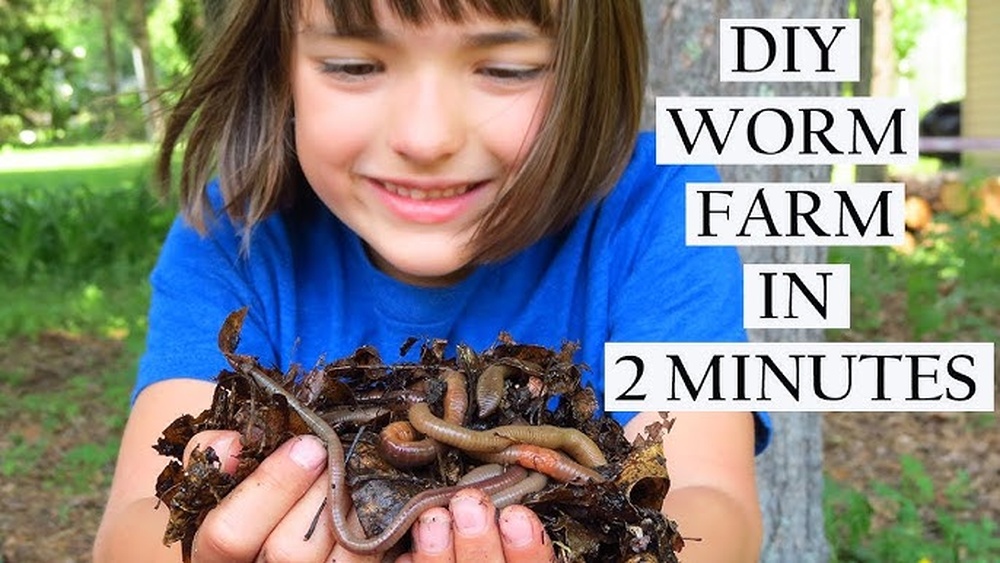
Raising earthworms for fishing is more than just a backyard hobby—it’s a way to always have fresh, lively bait and to create rich compost for your garden. If you’re tired of buying worms that seem weak or expensive, growing your own is a smart, rewarding solution.
Many anglers discover that homegrown worms are healthier and more active, which means better results on the water. But starting a worm farm isn’t just about tossing a few worms into the dirt. It takes planning, the right setup, and daily care to keep your worms multiplying and ready for your next fishing trip.
This article will guide you step by step, from choosing the best worms to keeping your colony thriving year-round.
Why Grow Earthworms For Fishing?
Fishing with live bait is often more effective than artificial lures, especially for beginners or casual anglers. Earthworms wiggle and smell natural, attracting fish of many species. But store-bought worms can be expensive and sometimes die quickly if not stored well. By growing your own:
- You control the quality and health of your worms.
- You save money over time.
- You always have bait ready, even on short notice.
- You reduce waste by recycling kitchen scraps into worm food.
- You produce nutrient-rich compost for plants.
If you fish regularly or want to start a side business selling worms, a home worm farm gives you freedom and consistency that shops can’t match.
Choosing The Right Earthworm Species
Not all worms are equal for fishing or for farming. The three main types used for bait are:
- Red Wigglers (Eisenia fetida) – Great for composting and small bait. Thrive in bins and reproduce quickly. Their size is suitable for panfish and small trout.
- European Nightcrawlers (Eisenia hortensis) – Larger than red wigglers. Tough, active, and popular for fishing due to their size and durability on the hook.
- Canadian Nightcrawlers (Lumbricus terrestris) – The biggest and most famous bait worm. They’re preferred for large fish like bass and catfish but require cooler conditions and don’t reproduce well in bins.
Here’s a quick comparison:
| Species | Size | Best For | Reproduction Rate | Temperature Range (°C) |
|---|---|---|---|---|
| Red Wigglers | Small | Composting, small fish | Fast | 15–27 |
| European Nightcrawlers | Medium | Fishing, composting | Moderate | 10–25 |
| Canadian Nightcrawlers | Large | Fishing (big fish) | Slow | 5–18 |
For most home growers, European Nightcrawlers offer the best balance of bait size, durability, and ease of care. Red wigglers are great if you want more compost, but they’re smaller.
Setting Up Your Worm Farm
Starting a worm farm doesn’t require fancy equipment. You can use simple containers and materials found at home. But the setup must provide the right environment for worms to thrive.
Choosing A Container
Worms need a dark, moist, and airy space. Here are good options:
- Plastic storage bins (opaque, 10-20 gallons)
- Wooden boxes (untreated wood)
- Old bathtubs or barrels (with drainage)
Make sure your container:
- Is at least 8–12 inches deep
- Has a tight-fitting lid to keep out pests and light
- Includes air holes for ventilation (small holes in the sides and lid)
- Has drainage holes at the bottom to prevent waterlogging
Creating Bedding
Worm bedding acts as both a living space and food source. The best bedding materials are:
- Shredded newspaper (avoid glossy paper)
- Coconut coir (soaked in water)
- Peat moss (lightly moistened)
- Aged leaves (free from pesticides)
- Cardboard (torn into small pieces)
Mix bedding materials to a depth of 6–8 inches. Bedding should be as damp as a wrung-out sponge—not soaking wet. Add a handful of clean garden soil or crushed eggshells to provide grit, which helps worms digest food.
Placing The Worm Bin
Put your worm bin in a cool, shady area. Indoors works well (basements, laundry rooms, garages) if you have space. Outdoors is fine if you keep bins out of direct sunlight and protect from heavy rain or freezing temperatures.
Ideal temperature for worms is 15–25°C (59–77°F). Too hot or too cold, and worms slow down or die.
Starting Your Worm Colony
After your bin is ready, it’s time to add worms. Start with at least 500 worms (about ½ pound or 225 grams) for a standard-size bin. This gives a healthy population to grow from.
- Gently place worms on top of the bedding.
- Leave the bin open for a few minutes; worms will burrow down to escape the light.
- Do not feed them right away. Let them settle for 24–48 hours.
Sourcing Healthy Worms
Buy worms from reputable bait shops, garden centers, or certified online sellers. Avoid collecting worms from polluted soils or unknown places—they may carry diseases or pesticides harmful to your colony and to fish.

Credit: www.wikihow.com
Feeding Your Worms
Earthworms eat organic matter and turn it into castings (rich compost). Feeding them well is key to healthy, fast-growing worms for fishing.
What To Feed
Feed worms a balanced diet of:
- Vegetable scraps: Carrot peels, potato skins, lettuce, spinach
- Fruit scraps: Apple cores, banana peels (in small amounts, as they attract fruit flies)
- Coffee grounds and tea bags
- Crushed eggshells (helps with digestion)
- Shredded paper or cardboard
What To Avoid
Some items harm worms or smell bad:
- Dairy and meat (rot and attract pests)
- Citrus fruits (acidic; worms dislike them)
- Oily or salty foods
- Onions and garlic (strong odor)
- Large amounts of bread or pasta (can mold quickly)
How Much And How Often
- Start by feeding a small handful every 2–3 days.
- Only add more food when the last batch is almost gone.
- Overfeeding causes odors and attracts pests.
Bury food in different spots each time to prevent mold and keep worms moving.
A Simple Feeding Schedule
| Day | Action |
|---|---|
| Day 1 | Bury a small handful of food in one corner |
| Day 4 | Check if food is mostly eaten; add more in a different spot |
| Day 7 | Remove any uneaten, moldy food; repeat cycle |
Remember, worms eat about half their body weight in food per day. If you have 500g of worms, aim for 250g of scraps daily, but start with less and increase as they multiply.
Water And Moisture Control
Worms need a moist environment to breathe and move. But too much water leads to drowning, while too little dries them out.
- Bedding should always feel like a damp sponge.
- If it’s dry, spray with water using a spray bottle.
- If it’s soggy, add more dry bedding and improve drainage.
- Avoid standing water at the bottom.
Check moisture levels every few days, especially during hot or dry weather.
Harvesting Worms For Fishing
When your worm colony is healthy, you can start harvesting worms for bait. Here’s how to do it without harming your population.
When To Harvest
- Wait at least 2–3 months after starting your bin.
- Harvest when you see many mature worms (thicker bodies, visible clitellum—a ring near the head).
- Only take up to 30–40% of the population at once to let the rest recover and multiply.
Harvesting Methods
- Hand Picking: Move bedding aside and pick out worms for fishing. This is slow but simple.
- Light Method: Dump the bin contents onto a sheet under a bright light. Worms move away from the light, so you can scrape off the top layers and collect worms as they dig down.
- Bait Ball: Place food (like bread soaked in milk) in a mesh bag and leave it in the bin overnight. In the morning, many worms will gather in the bag, making them easy to collect.
Storing Worms Before Fishing
- Place harvested worms in a small container with moist bedding.
- Keep them cool (not freezing) and shaded until you head out.
- Don’t overcrowd the container; worms need air.
If you need to store worms for several days, refrigerate them in bedding at 5–10°C (41–50°F), and feed them a little bit of food.
Maintaining Your Worm Bin
Worm farming is not a “set and forget” project. Regular care keeps your worms healthy and productive.
Weekly Checks
- Inspect moisture and bedding depth.
- Remove any uneaten or moldy food.
- Add fresh bedding if the level drops.
Monthly Tasks
- Gently stir the top few inches of bedding to prevent compaction.
- Check for pests (mites, flies) and remove them if found.
- Harvest castings (worm compost) every 3–6 months by moving worms to one side and collecting the finished compost.
Preventing Common Problems
- Bad smells: Usually caused by overfeeding or poor drainage. Remove rotting food and dry out the bedding.
- Fruit flies: Bury food deeper and cover with bedding.
- Pests (ants, beetles): Keep the bin off the ground and seal any gaps.
A healthy worm bin is nearly odorless and full of lively, active worms.
Credit: wormbucket.com
Expanding Or Selling Your Worms
As your worm colony grows, you may have more worms than you need. Here’s how to expand or start selling:
- Split your colony into two bins when it becomes crowded.
- Offer extra worms to friends, bait shops, or local anglers.
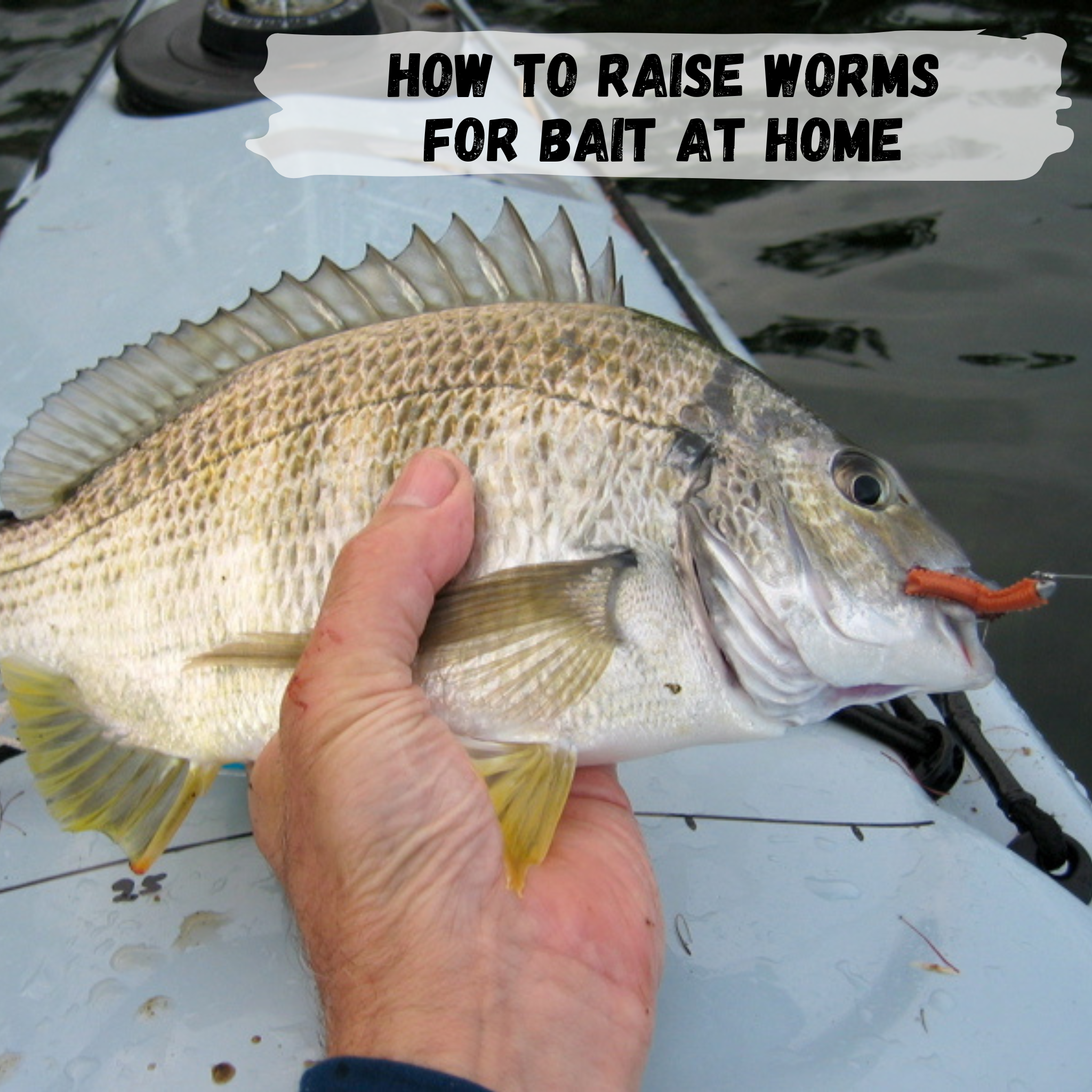
- Sell worms at farmer’s markets or online. A standard bait cup holds about 25–30 medium worms.
Tip: Always use clean containers and provide moist bedding for worms you give or sell.
Advanced Tips For Bigger, Healthier Worms
Many beginners overlook small details that make a big difference in worm growth and health:
- Add mineral grit: Sprinkle a mix of crushed eggshells or agricultural lime once a month. This helps worms digest food and lay more eggs.
- Rotate feeding spots: Don’t feed in the same place every time. Rotating food encourages worms to move and spread throughout the bin.
- Ventilation matters: Too little air causes slow growth and more pests. If the bin smells “earthy” and not sour, you have enough airflow.
- Seasonal care: In hot summers, move bins to cooler spots. In winter, insulate bins with straw or move them indoors.
- Observe castings: If worm castings (compost) build up too much, worms slow down. Harvest compost regularly to keep bedding fresh.
These small steps can double your worm output and keep your colony strong year after year.
Credit: unclejimswormfarm.com
Common Mistakes To Avoid
Even experienced growers can run into trouble if they don’t watch out for these common pitfalls:
- Overfeeding: Too much food leads to rot, bad smells, and dying worms. Always wait until most food is gone before adding more.
- Letting the bin dry out: Dry bedding kills worms quickly. Check moisture every few days.
- Not enough bedding: As worms eat bedding, add more shredded paper or leaves to keep depth at 6–8 inches.
- Ignoring pests: Ants, mites, and flies can take over if not controlled early.
- Using pesticides or chemicals: Never use treated wood, chemical cleaners, or non-organic scraps in your bin.
Learning from these mistakes will keep your worm farm running smoothly.
Real-world Example: A Family Worm Farm
The Martinez family in Texas started a small worm bin with 1,000 European nightcrawlers. After six months, they were harvesting worms every week for fishing trips and giving extra worms to neighbors. They even sold a few dozen cups at a local market, earning $50 in one month.
By following a simple routine—checking moisture, rotating food, and harvesting castings—they avoided common problems and grew their colony to 4,000 worms within a year.
This example shows that anyone, even with no previous experience, can succeed with a little care and attention.
Benefits Beyond Fishing
Growing earthworms isn’t just about bait. Worm castings are one of the best natural fertilizers, rich in nutrients and microbes. Adding castings to your garden soil:
- Improves plant growth and yield
- Helps soil hold water better
- Makes plants more resistant to disease
Some growers use extra worms to start new bins or teach children about biology and recycling. A worm farm can become a valuable part of a sustainable home.
Frequently Asked Questions
How Long Does It Take For Worms To Multiply?
Worms usually double their population every 2–3 months if conditions are good. Each adult worm can lay an egg capsule every week, with 2–5 baby worms inside. Temperature, food quality, and moisture all affect growth speed.
What Is The Best Bedding For Starting A Worm Bin?
Shredded newspaper mixed with coconut coir or peat moss works best for beginners. It’s cheap, easy to find, and holds moisture well. Avoid using only one material; a mix keeps bedding from becoming too dense or wet.
Can I Use Garden Worms From My Backyard?
It’s better not to. Many garden worms (like common nightcrawlers) don’t thrive in bins and may carry diseases or pesticides. Buy worms from a reliable source that specializes in bait or composting worms.
How Do I Keep My Worm Bin From Smelling Bad?
A healthy worm bin should smell like damp earth. If it smells sour or rotten, check for overfeeding, poor drainage, or too little bedding. Remove any rotting food, add dry material, and stir the bedding.
How Can I Tell If My Worms Are Healthy?
Healthy worms are active, plump, and have a shiny, moist appearance. They should burrow quickly when exposed to light. If worms seem sluggish, thin, or have a foul smell, check your feeding and moisture levels.
For more detailed information on worm biology and care, visit the Vermicomposting Wikipedia page.
Creating your own earthworm supply for fishing is a rewarding project that pays off in many ways. With careful setup, regular care, and a few insider tips, you’ll have a steady supply of healthy, lively bait all year. Whether you fish for fun, want to save money, or just like the idea of a sustainable home, growing earthworms is an easy step anyone can take.