
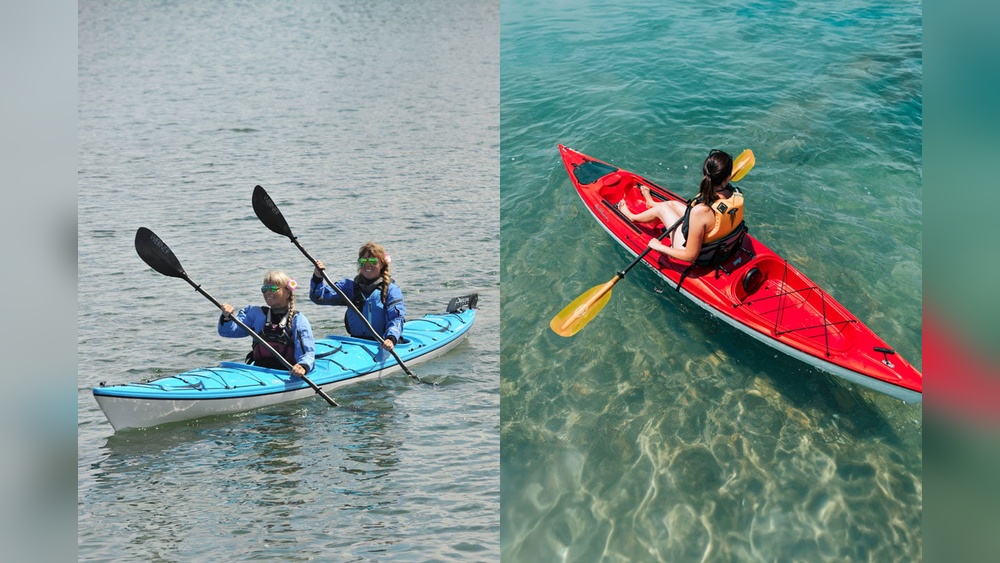
Fishing from a kayak is a dream for many outdoor lovers. It lets you sneak up on fish, reach quiet spots, and enjoy nature in a simple, peaceful way. But before you buy your first fishing kayak, there’s a big choice you need to make: sit-on-top or sit-in? Both types are popular, but they offer very different experiences. If you pick the wrong kind, you might end up wet, uncomfortable, or even unsafe. But if you choose the right one, you’ll fish more often and have a lot more fun.
Let’s look closely at both styles to help you decide what’s best for your fishing trips. You’ll learn about comfort, stability, safety, price, and more. You’ll also see some facts that even experienced anglers sometimes miss. By the end, you’ll know exactly which kayak is right for your fishing style.
What Is A Sit-on-top Kayak?
A sit-on-top kayak (SOT) is easy to spot. The seat is on top of the deck, not inside a cockpit. Your legs and feet are exposed, not covered. These kayaks are made with a sealed hull, which means water won’t get inside the body.
SOT kayaks are very popular for fishing. They are usually wider, making them stable and less likely to tip. If you fall off, you can climb back on easily—even in deep water. Most SOT kayaks have scupper holes to drain water that splashes inside.
Key features:
- Open deck: No cockpit to squeeze into
- Self-bailing: Water drains through scupper holes
- Wide hull: Designed for stability
- Easy access: Simple to get on and off, even from the water
- Customizable: Many places for fishing gear, rod holders, and crates
You’ll often see SOT kayaks at lakes, rivers, and even the ocean. They’re designed for people who want comfort, safety, and lots of space for fishing equipment.
What Is A Sit-in Kayak?
A sit-in kayak (SIK) has a cockpit where you sit inside the hull. Your lower body is protected from wind and water by the deck and cockpit rim. This is the classic kayak design you see in racing, touring, or whitewater sports.
Sit-in kayaks are usually narrower and lighter than SOTs. They are less exposed to the weather and can be faster on the water. Some anglers prefer SIKs for cold-weather fishing or for longer trips where speed and efficiency matter.
Key features:
- Enclosed cockpit: Protects your legs from sun, wind, and spray
- Lower center of gravity: Feels stable when paddling fast
- Lighter weight: Often easier to carry and paddle
- Less storage on deck: Most gear is stored inside the kayak
For fishing, SIKs are less common but still useful, especially on rivers or in cold conditions where staying dry is important.
Comparing Sit-on-top Vs Sit-in Kayaks For Fishing
To choose the right fishing kayak, you need to look at several important factors. Here’s a head-to-head comparison to help you spot the differences that matter.
| Feature | Sit-on-Top Kayak | Sit-in Kayak |
|---|---|---|
| Stability | Very stable, can stand to fish | Stable, but harder to stand |
| Comfort | Easy entry/exit, open seating | Protected from wind, less splash |
| Storage | Large open areas, easy to reach gear | More dry storage inside hull |
| Safety | Easy to re-enter if you fall out | Harder to get back in on water |
| Weather Protection | Exposed to sun and water | Better wind and splash protection |
| Weight | Usually heavier | Often lighter |
| Customization | Many mount points for gear | Less room for add-ons |
| Typical Price | Wide price range, many budget options | Usually less expensive for basic models |
Let’s go deeper into each factor, so you can see which kayak fits your fishing needs best.
Stability: The Foundation For Fishing
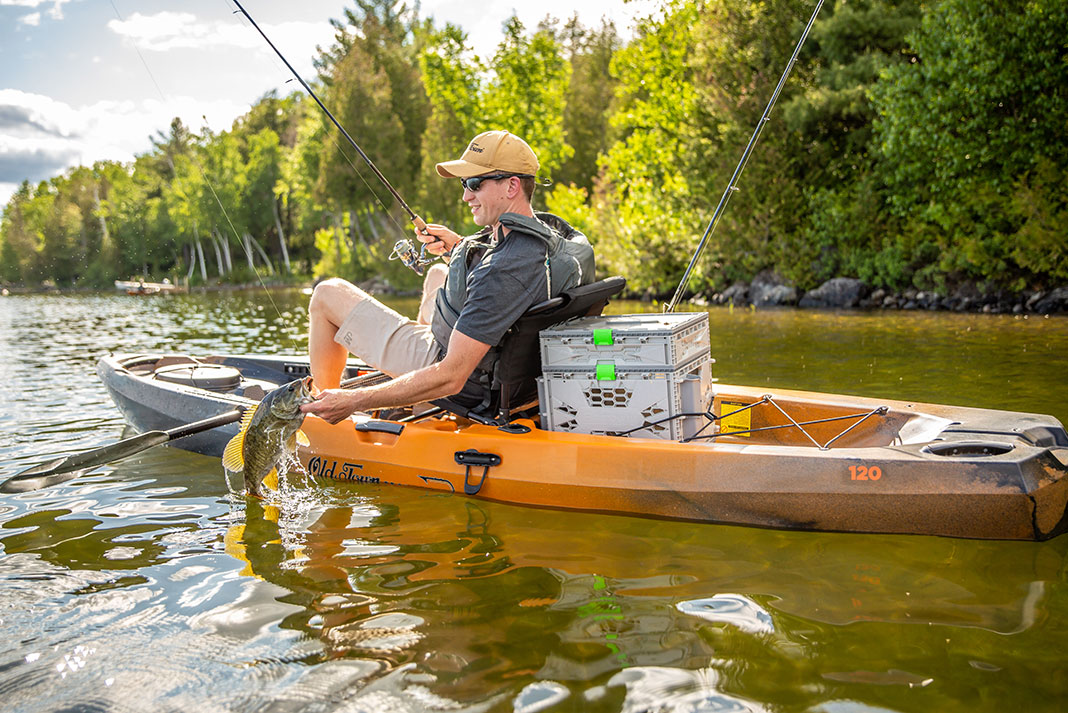
Most anglers need stability for casting, reeling, and sometimes standing up to fight big fish. Sit-on-top kayaks are famous for being stable. Many models are built wide and flat, so you can stand and cast without fear of tipping over. This is a huge advantage, especially for beginners.
Sit-in kayaks, on the other hand, often feel more “tippy” at first, especially narrow ones. They are built for speed, not stability. While you can fish from a SIK, it’s rare to stand up in one. If you like moving around or changing position while fishing, a sit-on-top is safer.
Non-obvious insight: Some anglers forget that extra stability can mean slower paddling. Wide kayaks track slower, so if you need to cover a lot of water, balance stability with speed.
Credit: kayakanglermag.com
Comfort: How Long Will You Stay On The Water?
Fishing trips can last all day. Comfort becomes important after a few hours. Sit-on-top kayaks have open seating, with plenty of room to stretch your legs. Many SOTs have adjustable seats with high backs, so you can sit upright or recline.
Sit-in kayaks protect your lower body from wind and splash. This is great for cold weather. Some SIKs have padded seats and foot braces for extra comfort. But the cockpit can feel cramped if you’re tall or have big fishing boots.
Practical tip: Try sitting in both styles at the store before you buy. Bring your fishing shoes and see which feels best after 20 minutes.
Storage And Gear Access
Modern fishing means carrying rods, tackle boxes, nets, and maybe even a cooler. Storage can make or break a kayak fishing trip.
Sit-on-top kayaks win here. They have open decks with bungee cords, gear tracks, and big hatches. You can reach most of your equipment easily. Many SOTs let you customize with crates, rod holders, and even fish finders.
Sit-in kayaks have less open storage. Most gear must fit inside the hull, which is harder to reach while fishing. However, this keeps gear dry. If you fish in rough water or rain, inside storage can be a plus.
Non-obvious insight: Some SOTs have waterproof hatches, but they are not always 100% dry. Use dry bags for valuables, even in a sit-on-top.
Safety And Re-entry
Safety is a big concern, especially if you fish alone or far from shore. Falling off a kayak does happen, even to experienced anglers. Sit-on-top kayaks are much easier to climb back onto in deep water. You just pull yourself up and keep going.
With a sit-in kayak, re-entry is harder. If you capsize, the kayak can fill with water, and you may need to swim it to shore. Re-entering a SIK on open water is a special skill and takes practice. For beginners, this is a key reason why SOTs are safer.
Pro tip: Always wear a life jacket, no matter which style you choose. Practice re-entry at a safe place before your first fishing trip.
Weather And Water Conditions
Your local weather and water play a big role in kayak choice. Sit-on-top kayaks leave you exposed to sun, wind, and water spray. In warm climates, this feels good. In cold places, it means you’ll need waterproof clothing.
Sit-in kayaks protect your legs and lower body. In windy or cold places, you’ll stay warmer and drier. A spray skirt can keep even more water out.
Example: In the Pacific Northwest, many anglers use sit-in kayaks for salmon fishing in cold rivers. In Florida, most fishers choose SOTs because the weather is hot and the water is warm.

Credit: www.youtube.com
Weight And Portability
Getting your kayak to the water matters. Sit-on-top kayaks are often heavier and bulkier. This is due to their wide, stable build and extra gear mounts. If you need to carry your kayak far or lift it onto a car, check the weight before you buy.
Sit-in kayaks are usually lighter and easier to carry. Their narrow shape makes them fit better on roof racks or in small storage spaces.
Non-obvious insight: Some SOTs now use lightweight materials, but these can cost much more. If you fish alone, make sure you can handle the kayak by yourself.
Customization: Rigging For Fishing
Most fishing kayaks are designed to be customized. Sit-on-top kayaks have the edge here. Their open decks let you add rod holders, electronics, anchor trolleys, and more. Many brands offer models with gear rails and mounting plates.
Sit-in kayaks offer fewer options for mounting gear. You can still add rod holders or a fish finder, but space is limited. Most modifications need to be done before you hit the water.
Pro tip: If you love gadgets and custom setups, a sit-on-top will make your life easier.

Credit: www.aquabound.com
Price And Value
Fishing kayaks come in all price ranges. Basic sit-on-top kayaks start around $350-$500, but high-end models with pedals or motors can cost $2,000 or more. The extra features—like comfy seats and gear mounts—add to the price.
Sit-in kayaks are often cheaper for simple models, starting at $300. But once you add fishing features, prices are similar. For most anglers, a good sit-on-top offers the best value for the money because of its extra features.
Example: The popular Perception Pescador Pro 12 SOT costs about $900, while a basic sit-in kayak with fishing add-ons might reach $850.
Real-world Performance: Sit-on-top Vs Sit-in For Fishing
It’s helpful to see how each type performs in real fishing situations. Here’s a side-by-side look at the most common fishing environments.
| Fishing Environment | Sit-on-Top Kayak | Sit-in Kayak |
|---|---|---|
| Lakes & Ponds | Excellent: Stable for casting & standing | Good: Fast, easy to paddle, but less standing room |
| Rivers | Good: Stable, but bulkier in tight spots | Excellent: Maneuverable, protects from splash |
| Ocean/Bays | Excellent: Handles waves, easy re-entry | Fair: Can swamp if capsized, harder exit/entry |
| Cold Weather | Fair: Exposed, need dry clothing | Excellent: Stays warmer, can use spray skirt |
| Hot Weather | Excellent: Cools you off, open deck | Fair: Can get hot inside cockpit |
Common Mistakes When Choosing A Fishing Kayak
Many beginners make simple mistakes that ruin their first kayak fishing experience. Here’s what to avoid:
- Ignoring weight and size: A kayak that’s too heavy or long is hard to move and store. Check specs before you buy.
- Buying on price alone: Cheap kayaks often lack comfort and stability. Invest in a good seat and safe design.
- Not testing before buying: Always try sitting in the kayak first. Some shops even let you paddle before you buy.
- Forgetting about re-entry: If you plan to fish alone, practice getting back into your kayak from deep water.
- Overloading with gear: Less is more. Too much gear can make any kayak unstable.
Which Kayak Is Best For You?
Here’s how to match your needs to the right type:
- Pick a sit-on-top kayak if you want stability, easy re-entry, lots of gear options, and fish mostly in warm places.
- Pick a sit-in kayak if you want to stay dry, paddle in cold weather, or need a lighter, faster boat for rivers.
Remember, no kayak is perfect for all situations. Many experienced anglers own both types for different trips.
Key Questions To Ask Before You Buy
- Where do you fish most often? Lakes, rivers, or the ocean?
- How often do you stand to cast or fight fish?
- Will you fish in cold, windy, or wet weather?
- How much gear do you really need to bring?
- Can you lift and transport the kayak by yourself?
Answering these questions will help you avoid common regrets and get more from your kayak fishing adventures.
Non-obvious Insights For Serious Anglers
- Scupper holes aren’t always perfect: While they drain water, in rough waves they can let water in. Bring plugs for choppy conditions.
- Speed matters for long trips: If your fishing spots are far apart, a sit-in kayak might save you a lot of paddling energy.
- Standing is a learned skill: Even in stable SOTs, standing takes practice. Start in shallow water and use a paddle or pole for balance.
The Real-world Experiences: Stories From Anglers
Many anglers start with a sit-in kayak because it’s cheaper and easy to find. But after a season, they switch to a sit-on-top for the comfort and safety. One experienced fisher said, “I never thought I’d stand up to cast, but after a few months with my SOT, I can’t imagine fishing any other way.
”
Another fisherman in Maine uses a sit-in kayak year-round. He says, “The water here is cold even in summer. The enclosed cockpit keeps my legs warm, and I can fish longer without freezing. ”
These stories show that your location and fishing style matter more than the kayak’s brand or price.
Environmental Considerations
Kayak fishing is more eco-friendly than motorboats. Both SOT and SIK kayaks use lightweight plastics like polyethylene. Some brands now make kayaks from recycled materials, which helps reduce waste.
When fishing from any kayak, avoid dragging it over rocks or sharp shells, which can damage the hull and harm nature. Use a kayak cart for easy transport and longer kayak life.
If you want more information about the environmental impact of kayak materials, the Nature Conservancy has helpful resources.
Maintenance And Durability
Sit-on-top and sit-in kayaks are both easy to care for. Rinse your kayak after use, especially in saltwater. Check for cracks or dents each season. Store your kayak out of the sun to prevent fading and warping.
Sit-on-top kayaks often last longer because their sealed hulls resist leaks. Sit-in kayaks need you to check the cockpit rim and hatch seals for wear.
Frequently Asked Questions
What’s Safer For Beginners: Sit-on-top Or Sit-in Kayak?
For most beginners, a sit-on-top kayak is safer. It’s easier to get back on if you fall off, and it’s less likely to fill with water. The open design also makes it simple to move around and reach your fishing gear.
Can You Use A Sit-in Kayak For Fishing In The Ocean?
You can, but it’s less common. If a sit-in kayak capsizes, it can fill with water and be hard to re-enter. Most ocean anglers choose a sit-on-top kayak for safety and easier re-entry in waves.
Do Sit-on-top Kayaks Tip Over Easily?
No, most sit-on-top kayaks are designed to be very stable, especially fishing models. Their wide shape and flat bottom make them hard to tip. But, like any small boat, rough water or standing up carelessly can cause a capsize.
Which Is Better For Cold Weather Fishing?
A sit-in kayak is usually better for cold weather. The enclosed cockpit protects your lower body from wind and spray. You can also use a spray skirt to keep water out, which helps you stay warm.
Can I Stand And Fish From A Sit-in Kayak?
It’s rare. Most sit-in kayaks are not stable enough for standing. If standing is important, look for a wide, flat-bottomed sit-on-top kayak that’s built for this purpose.
Kayak fishing opens up a world of adventure. Whether you choose a sit-on-top or sit-in kayak, the best boat is one that fits your fishing spots, your body, and your style. Try before you buy, invest in comfort and safety, and get ready for unforgettable days on the water.