
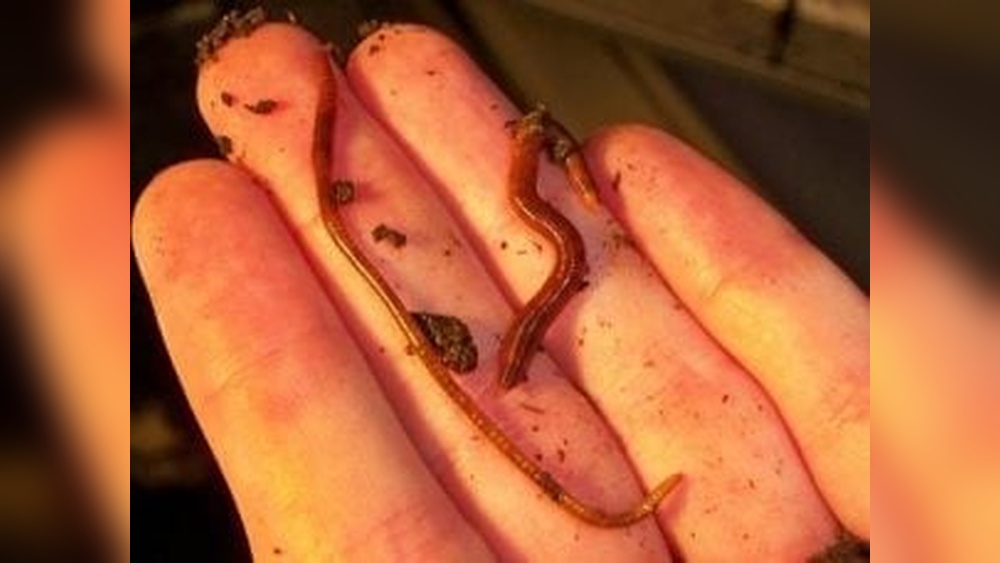
If you love fishing, you probably know that choosing the right bait can make all the difference. For many anglers around the world, red worms are a classic choice. Maybe you’ve seen them for sale at bait shops, or you’ve dug them out of your own compost pile. But are red worms really good for fishing? Or is their reputation just tradition? This article takes a close look at red worms as fishing bait. You’ll learn what makes them unique, why some fish go crazy for them, when they work best, and even a few secrets that many beginners overlook. If you want to boost your catch rate or simply understand more about your bait, keep reading—there’s more to these little worms than meets the eye.
What Are Red Worms?
Red worms are small, reddish-brown earthworms that thrive in decaying organic matter. Their scientific name is Eisenia fetida, but you might hear them called red wigglers, compost worms, or manure worms. They usually grow 2 to 4 inches long and have a slightly segmented body. Unlike their larger cousins, nightcrawlers, red worms are thinner and more active.
These worms are commonly raised for composting because they break down kitchen waste quickly. But their lively movement and tough skin also make them popular bait for fishing. Anglers use them in freshwater and sometimes even in brackish waters. Their size and behavior set them apart from other bait options, and that’s just the beginning.
Why Do Anglers Use Red Worms?
There are several reasons why red worms are a favorite among fishermen:
- Availability: Red worms are easy to raise at home or find in bait shops. They reproduce quickly, so you always have a fresh supply.
- Resilience: They stay alive longer on the hook than some other worms, especially in warm weather.
- Movement: Red worms wiggle a lot, even underwater. This movement catches the attention of fish, making them more likely to bite.
- Versatility: You can use red worms in many types of fishing—lakes, rivers, ponds, and streams.
- Cost-effective: Raising red worms at home can save you money, especially if you fish often.
Not all worms are created equal when it comes to fishing. Red worms offer unique qualities that fit the needs of both beginners and experienced anglers.
How Do Red Worms Compare To Other Fishing Worms?
To understand the value of red worms, it helps to compare them to other popular bait worms. Here’s a side-by-side look:
| Bait Type | Size | Movement | Durability on Hook | Best For |
|---|---|---|---|---|
| Red Worms | 2-4 inches | Very active | Moderate | Panfish, trout, small catfish |
| Nightcrawlers | 6-8 inches | Less active | High | Bass, catfish, large trout |
| Mealworms | 1-1.5 inches | Moderate | Low | Perch, bluegill, small trout |
| Waxworms | 0.5-1 inch | Low | Low | Panfish, ice fishing |
From the table, you can see that red worms are smaller than nightcrawlers but more lively. This makes them great for attracting smaller fish that might ignore a big, slow worm. Their durability is moderate, which means they last well enough for most fishing trips but can be outperformed by thick-skinned nightcrawlers in strong currents.
Which Fish Like Red Worms The Most?
Red worms are especially good for catching panfish. This group includes bluegill, sunfish, perch, and crappie—species that love small, wiggly prey. But red worms can also attract:
- Trout: They find red worms irresistible, especially in streams and rivers.
- Catfish: Smaller red worms are perfect for young channel cats.
- Bass: Largemouth and smallmouth bass sometimes bite red worms, especially when they are feeding on insects or smaller prey.
- Carp: These fish often take worms, though they may prefer larger pieces.
- Other freshwater species: Suckers, bullhead, and small walleye can be tempted by a juicy red worm.
Fish are sensitive to movement and smell. Red worms give off a mild scent and never stop wiggling, making them easy for fish to spot and hard to resist.
When Are Red Worms The Best Choice?
Red worms are not always the best bait. Their true strength comes out in certain situations:
- Spring and summer: When fish are active and feeding near the surface, red worms can draw lots of bites.
- Shallow waters: Their small size and movement work well in ponds, creeks, and near the shore.
- Light tackle: Red worms fit perfectly on small hooks and work well with ultralight fishing gear.
- When targeting small or medium-sized fish: If your goal is to catch panfish or trout for fun or food, red worms are an excellent pick.
But if you’re after trophy-sized catfish or bass, you might need a larger worm or a different bait. Knowing when to use red worms can improve your catch rate and save you time.
How To Hook Red Worms For Fishing
One beginner mistake is hooking red worms in a way that kills them quickly or hides their movement. Here are some tips for hooking red worms:
- Thread the worm: Insert the hook through the head and thread it along the body, leaving the tail free to wiggle.
- Hook in the middle: You can also hook the worm in the center so both ends move in the water.
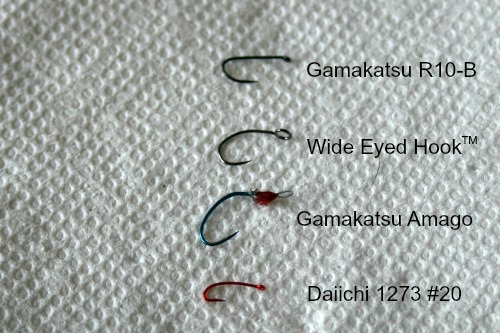
- Use a small hook: Size 8 to 12 hooks work best for red worms. Too large, and the worm won’t move naturally.
Leaving part of the worm dangling off the hook increases its movement, attracting more fish. But be careful—tiny fish may nip at the ends, sometimes stealing your bait.

Credit: memesworms.com
Red Worms For Different Fishing Techniques
Red worms work for more than one style of fishing. Here’s how they fit into common methods:
Float Fishing
In float fishing, you suspend the worm under a bobber. The worm drifts with the current, and its movement attracts fish. This is perfect for ponds and slow-moving streams.
Bottom Fishing
With a sinker, you can keep red worms near the bottom where catfish or carp feed. Use enough weight to hold the bait down but not so much that it smashes the worm.
Fly Fishing
Some anglers use red worm imitations as flies, but real red worms can also be drifted through the current for trout. This works best in clear streams where fish are used to seeing worms.
Ice Fishing
Red worms stay lively in cold water, making them a favorite for ice fishing. They are small enough to fit on tiny ice fishing hooks, attracting perch and sunfish.
Storing And Caring For Red Worms
Red worms are easy to keep alive with a little care. Here’s how:
- Keep them cool: Store worms in a container with moist bedding, like shredded newspaper or peat moss, at 50–60°F (10–16°C).
- Avoid standing water: Worms drown if the bedding is too wet. It should feel like a wrung-out sponge.
- Feed them: If you keep worms for more than a week, add a little vegetable scrap, coffee ground, or crushed eggshell.
- Change bedding regularly: Fresh bedding keeps worms healthy and reduces smell.
A healthy worm is more attractive to fish. Sick or dying worms move less and may even repel fish.
Raising Your Own Red Worms For Fishing
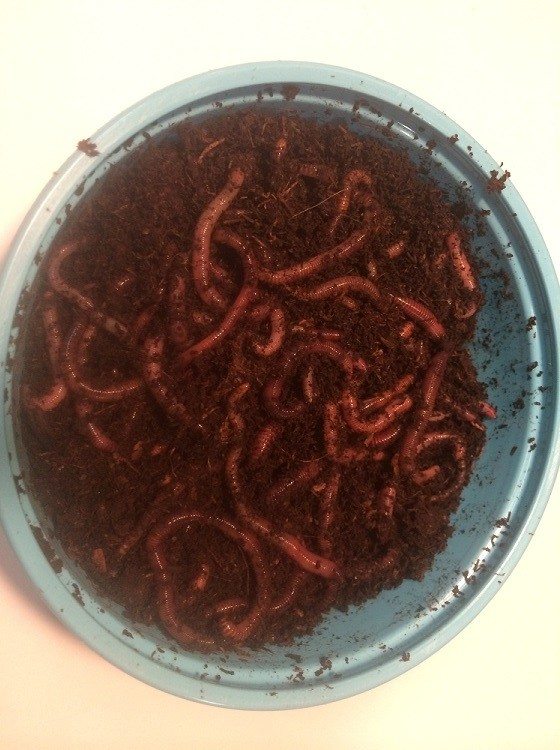
Many anglers start their own worm bins at home. This is cheaper than buying worms each trip and gives you a steady supply.
Here’s a basic setup:
- Choose a container: A plastic or wooden box with air holes works well.
- Add bedding: Use damp newspaper, cardboard, or coconut coir.
- Introduce worms: Start with at least 500 red worms for quick growth.
- Feed regularly: Give them small amounts of fruit and vegetable scraps, but avoid meat, dairy, and oily foods.
- Harvest gently: Scoop out worms as needed for fishing, but leave enough to keep the colony growing.
Over time, your worm bin becomes both a bait source and a compost producer—a win-win for anglers who garden.
Common Mistakes When Using Red Worms
Even experienced anglers make mistakes with red worms. Here are a few to avoid:
- Using the wrong hook size: Large hooks make it hard for small fish to bite.
- Letting worms dry out: In hot weather, worms can die quickly if not kept moist.
- Baiting too much worm: Overloading the hook with worm can look unnatural and scare off fish.
- Storing worms in sunlight: Direct sun will kill worms within minutes.
- Not checking local regulations: Some areas restrict live bait to prevent the spread of invasive worms.
Avoiding these mistakes helps you get the most out of your red worms and increases your chances of success.
Credit: www.tenkarabum.com
Are Red Worms Good For Saltwater Fishing?
Red worms are mostly used in freshwater. They don’t survive well in salty water, and their scent isn’t as strong as some saltwater baits. However, they can catch small saltwater fish near the shore, especially in brackish areas where rivers meet the ocean.
For serious saltwater fishing, baits like shrimp, squid, or larger marine worms are more effective. But if you’re fishing in mixed waters or just want to experiment, red worms can surprise you.
The Science Behind Why Fish Like Red Worms
Fish are attracted to red worms for two main reasons: movement and smell. Red worms produce a mild, earthy scent as they move through water. Their constant wiggling makes them look like easy prey.
Studies show that many fish detect prey through vibrations and chemical signals. Red worms hit both senses. In fact, research from the University of Minnesota found that panfish respond faster to live, moving bait than to still or artificial lures.
Another insight: red worms have a slightly bitter taste compared to other worms. For some fish, this is appealing because it signals a high-protein meal. However, this is also why some larger, older fish may ignore red worms in favor of larger, sweeter-tasting worms like nightcrawlers.
Red Worms Vs. Artificial Baits
Many modern anglers use plastic worms, spinners, or scented lures. How do red worms stack up?
| Feature | Red Worms | Artificial Baits |
|---|---|---|
| Natural Scent | Yes | Sometimes (added scent) |
| Movement | High (live) | Low to none |
| Price | Low (if raised at home) | High (one-time purchase, reusable) |
| Convenience | Needs care | Easy to store, always ready |
| Fish Selectivity | Attracts most species | Some fish ignore artificial lures |
Red worms are hard to beat for their natural appeal. They work especially well when fish are picky or the water is clear. Artificial lures win for convenience but sometimes can’t match the catch rate of a live, moving worm.
Environmental Benefits Of Using Red Worms
One overlooked benefit is the environmental impact. Red worms are composting champions. When you raise or buy red worms, you support an eco-friendly cycle. They break down food waste, reduce landfill use, and their castings make excellent fertilizer for gardens.
Unlike plastic baits that can pollute waters if lost, red worms are biodegradable. They won’t harm native species if used responsibly and never released into wild habitats where they are not native.
Expert Tips For Fishing With Red Worms
Want to catch more fish with red worms? Here are some expert tips:
- Match the hatch: Use smaller red worms in early spring when fish feed on insect larvae. In summer, try larger, fatter worms.
- Split the worm: If fish are shy, pinch the worm in half. The scent of the broken worm can trigger more bites.
- Use scent boost: Add a drop of fish attractant to your worm container for extra appeal.
- Fish near cover: Drop your bait near weeds, fallen trees, or rocks. That’s where fish hunt for worms in nature.
- Change bait often: Replace tired or dead worms every 20–30 minutes for best results.
A little attention to detail can turn an average day into a great one.
Real-world Experiences: Anglers Share Their Stories
Many experienced anglers have stories about red worms saving a fishing trip. For example, in small-town lakes across the Midwest, kids and adults alike catch bluegill and sunfish with nothing but a cane pole and a red worm. In trout streams of the Appalachians, red worms often outperform expensive lures, especially after a rain when natural worms wash into the water.
One angler shared how, during a tough fishing tournament, switching from plastic baits to red worms produced three times as many bites in the last hour. Stories like these show that sometimes, simple baits work best—even when everyone else is using fancy gear.
Credit: www.dicksmithslivebait.com
Are There Downsides To Using Red Worms?
Red worms are not perfect for every situation. Here are a few potential drawbacks:
- Not ideal for very large fish: Big predators might ignore small worms.
- Less effective in fast currents: They can wash off the hook.
- Require care: Live worms need cool, moist storage—artificial baits are easier to manage.
- Can attract small “nuisance” fish: If you’re after trophy-sized catches, smaller fish may get to your bait first.
Still, for most freshwater fishing and for introducing kids or beginners to the sport, red worms are nearly always a good bet.
Are Red Worms Good For Beginners?
Absolutely. Red worms are forgiving bait. They are easy to handle, don’t bite, and are less slippery than nightcrawlers. They are also less intimidating for children or people new to fishing. Because they attract many common species, beginners are more likely to catch something, which builds confidence.
Starting with red worms also teaches you about fish behavior, hook size, and bait presentation—skills you’ll use as you progress in the sport.
Legal And Conservation Considerations
Before using red worms, check your local fishing regulations. Some areas restrict live bait to control the spread of invasive species. Never release unused worms into the wild, especially in protected waters. Dispose of leftovers in the trash or compost them at home.
Fishing responsibly helps protect native ecosystems. For more information, consult your local wildlife agency or visit resources like Wikipedia on live bait.
Frequently Asked Questions
What Is The Best Way To Store Red Worms Before A Fishing Trip?
Keep red worms in a cool, moist environment such as a container with damp bedding. Avoid direct sunlight and extreme temperatures. Store them in a refrigerator set to 50–60°F (10–16°C) if possible, but don’t let them freeze.
Can I Use Red Worms For Ice Fishing?
Yes, red worms are excellent for ice fishing. They remain active in cold water and fit well on small hooks used for perch, sunfish, and other winter species.
Are Red Worms Better Than Nightcrawlers?
Red worms are better for small to medium fish and when using light tackle. Nightcrawlers work best for larger fish. The choice depends on your target species and fishing environment.
How Many Red Worms Should I Use Per Hook?
Usually, one worm is enough. For very small hooks, use half a worm. For larger hooks, you can thread two worms together, but make sure some part is left to wiggle freely.
Can I Raise Red Worms At Home For Fishing?
Yes, red worms are easy to raise in a worm bin with moist bedding and kitchen scraps. This gives you a steady, cost-effective supply for fishing and helps with composting.
Red worms have proven their worth as fishing bait for generations. They are lively, easy to manage, and attract a wide range of fish. Whether you are a seasoned angler or just starting out, red worms deserve a spot in your tackle box.
With a little care and the right technique, these humble creatures can turn any fishing trip into a success.