
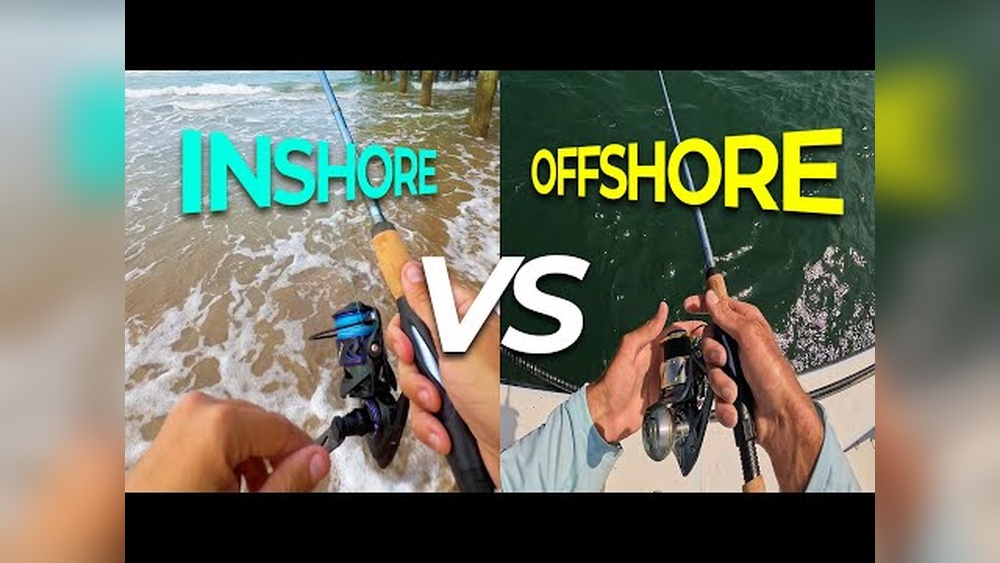
When you stand on a salty shoreline or ride a boat far from land, fishing feels different. The gear you use, especially your fishing rod, can make or break your day. Many anglers hear about inshore and offshore fishing rods, but choosing between them is not as simple as picking a bigger or smaller stick. Each type is designed for a unique experience, different fish, and special conditions. If you want to catch more, break fewer rods, and enjoy fishing, you need to understand these differences. Let’s dive into the details, bust myths, and help you make the right choice for your next adventure.
What Is Inshore Fishing?
Inshore fishing means fishing in waters close to the land—usually within a few miles of the coast. These areas include bays, estuaries, flats, and mangroves. The water is shallower (often less than 30 meters), and the conditions are milder compared to offshore.
Fish species you might target inshore include:
- Redfish
- Snook
- Sea trout
- Flounder
- Sheepshead
Most of these fish are smaller than those caught offshore, but they can still put up a fun fight.
Inshore Fishing Rod Characteristics
Inshore rods are built for lighter lines and smaller lures. You’ll notice:
- Rod length: Usually 6 to 7.5 feet.
- Power: Light to medium.
- Action: Fast or extra-fast for quick hooksets.
- Material: Graphite or composite for sensitivity and lightness.
- Guides: Corrosion-resistant, but lighter than offshore rods.
These rods help you feel the smallest bites and cast with precision around structures like docks or mangroves.
What Is Offshore Fishing?
Offshore fishing (sometimes called deep-sea fishing) happens in deeper waters, often many miles from land. You need a boat to get there. The water depth can range from 30 meters to several hundred meters.
Common offshore species include:
- Tuna
- Marlin
- Mahi-mahi
- Grouper
- Amberjack
- Shark
These fish are much bigger and stronger than most inshore species. Offshore conditions are also rougher, with bigger waves and stronger currents.
Offshore Fishing Rod Characteristics
Offshore rods are built to handle massive fish and harsh conditions. They usually feature:
- Rod length: 5.5 to 7 feet (shorter rods for leverage).
- Power: Medium-heavy to extra-heavy.
- Action: Moderate to fast (for powerful hooksets and fighting big fish).
- Material: Composite (graphite and fiberglass) for strength and flexibility.
- Guides: Heavy-duty, corrosion-resistant (often with roller guides for big game).
These rods work with heavier lines and larger reels. They’re not about finesse—they’re about power and durability.
Side-by-side Comparison: Inshore Vs Offshore Fishing Rods
To help you visualize the differences, here’s a comparison:
| Feature | Inshore Rods | Offshore Rods |
|---|---|---|
| Typical Length | 6–7.5 feet | 5.5–7 feet |
| Rod Power | Light to Medium | Medium-Heavy to Extra-Heavy |
| Action | Fast/Extra-Fast | Moderate/Fast |
| Material | Graphite/Composite | Composite/Fiberglass |
| Line Weight | 6–20 lb | 20–130+ lb |
| Target Fish | Redfish, Snook, Trout | Tuna, Marlin, Shark |
| Price Range | $50–$250 | $100–$600+ |
Why Rod Choice Matters: Real-world Examples
Imagine you’re standing on a shallow flat, aiming for a spooky redfish with light tackle. A heavy offshore rod will make it impossible to feel the bite or cast accurately. The rod is too stiff, your lure lands with a splash, and the fish swims away.
Now, picture yourself far offshore, hooked into a 100-pound tuna. If you use a light inshore rod, it might snap, the reel could break, and you’ll lose the fish (and maybe your gear).
Matching your rod to your fishing environment is not just about comfort—it’s about catching fish and protecting your investment.

Credit: www.reelcoquinafishing.com
Key Differences Explained In Detail
1. Rod Power And Action
- Power is the rod’s strength—how much force it takes to bend. Inshore rods use light to medium power for smaller fish and lighter lines. Offshore rods need heavy power to fight large, strong fish.
- Action is where the rod bends. Fast-action rods bend near the tip, giving quick sensitivity. Inshore fishing often needs this for quick bites. Offshore rods sometimes use moderate action for better shock absorption when fighting big fish.
2. Length And Casting Distance
Inshore anglers often need longer rods for casting distance and accuracy. You might be casting to a school of trout 50 feet away. Offshore rods are usually shorter for more leverage in a fight—distance matters less when you’re dropping bait straight down.
3. Materials And Durability
Graphite rods are sensitive and light, which is great for feeling inshore bites. Offshore rods often use fiberglass or composites, which are heavier but much tougher. This difference helps them handle giant fish and rough conditions.
4. Guides And Hardware
Saltwater corrodes metal quickly. Both rod types use corrosion-resistant guides, but offshore rods may have roller guides for heavy line and big reels. Inshore rods use lighter guides for better sensitivity.
5. Reel Seats And Handles
Offshore rods have strong, reinforced reel seats and thick handles, sometimes made of EVA foam or even aluminum. Inshore rods use lighter, comfortable handles, often cork or foam, for all-day casting.
Specialized Rod Types Within Inshore And Offshore Categories
Not all inshore or offshore rods are the same. There are special designs for certain methods or species.
Inshore Specializations
- Popping rods: For surface lures; sensitive and fast.
- Jigging rods: Shorter, with quick action for working jigs.
- Live bait rods: Slightly slower action for natural presentation.
Offshore Specializations
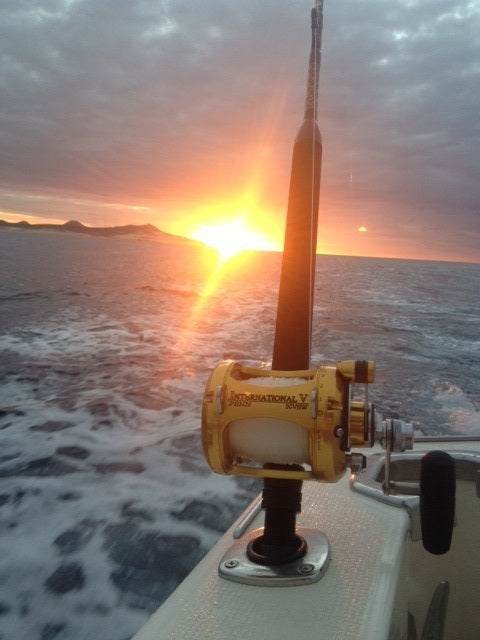
- Trolling rods: Built for dragging lures behind the boat, often with roller guides.
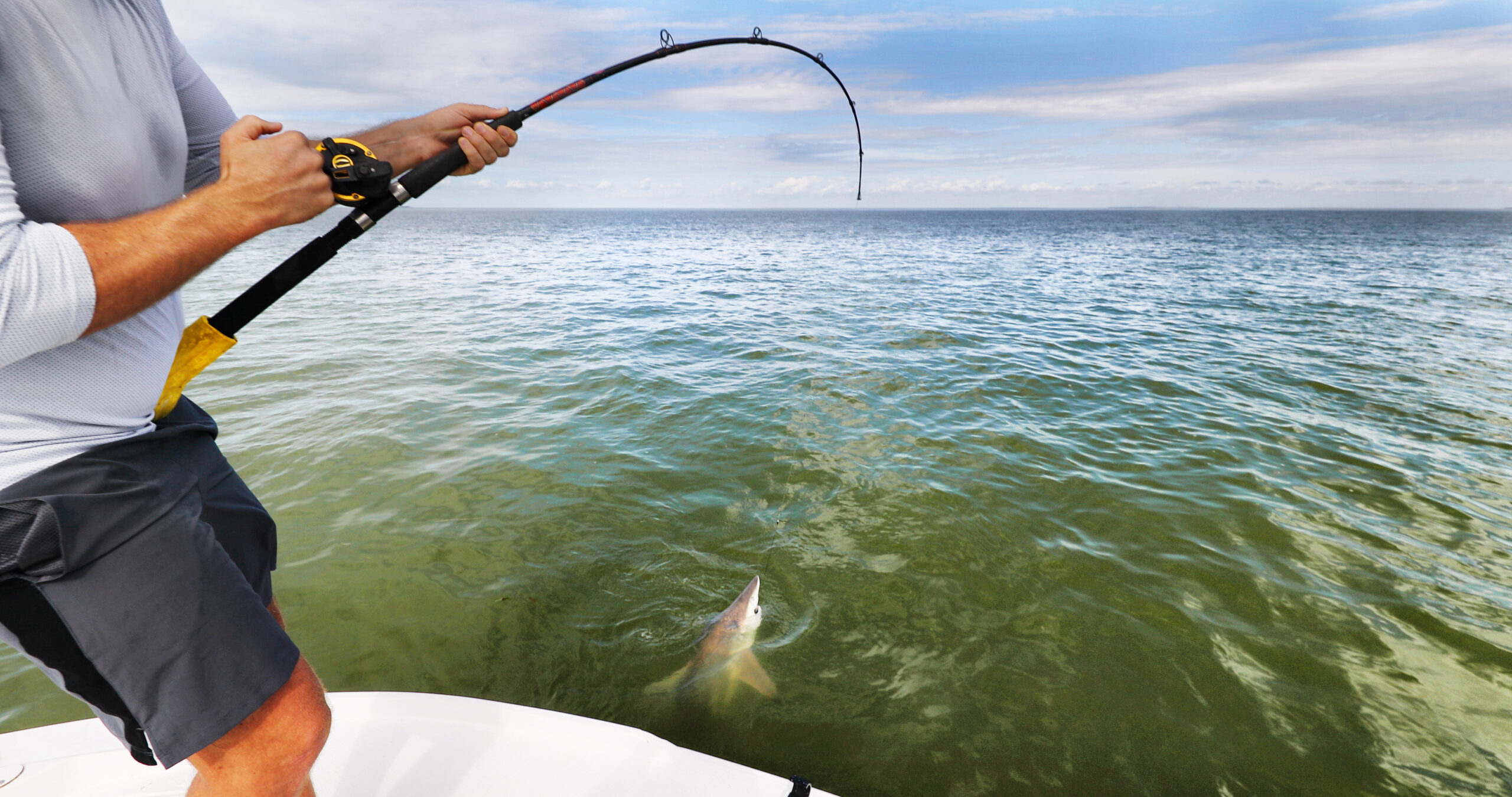
- Stand-up rods: Short, powerful rods for fighting big fish while standing.
- Deep-drop rods: Extra strong, for dropping heavy weights into deep water.
Choosing a specialized rod can make your trip more successful, especially if you focus on one style of fishing.
Credit: texasoutdoorsnetwork.com
How To Choose: Factors That Matter
When picking between inshore and offshore rods, think about:
- Target species: Bigger fish need bigger rods.
- Fishing location: Shallow, calm water vs. deep, rough seas.
- Lure and bait size: Heavy lures need heavy rods.
- Line strength: Use a rod rated for your line.
- Casting distance: Inshore usually needs longer rods.
- Budget: Offshore rods often cost more.
Common Mistakes When Choosing
- Using an inshore rod offshore: It may break under big fish.
- Using an offshore rod inshore: Too heavy, less sensitive, poor casting.
- Ignoring corrosion: Cheap rods may rust quickly in saltwater.
- Not matching rod to reel: Heavy reels on light rods (or vice versa) cause problems.
Inshore And Offshore Rods: Breaking Down Performance
Let’s look at how these rods perform in real fishing situations.
| Scenario | Inshore Rod | Offshore Rod |
|---|---|---|
| Casting to structure (docks, mangroves) | Excellent accuracy and sensitivity | Poor accuracy, too heavy for subtle presentation |
| Fighting a 100-lb tuna | Will likely break | Handles stress, designed for big fish |
| All-day casting | Lightweight, less fatigue | Heavy, may tire angler quickly |
| Bottom fishing in deep water | Not enough strength for big fish | Ideal for dropping heavy baits |
These examples show why the right rod matters. Even experienced anglers sometimes overlook these performance details.
Price And Value: What Should You Spend?
Inshore rods are usually less expensive. Good quality options start around $60 and can go up to $250 for advanced models. Offshore rods start at about $100 and can easily reach $600 or more, especially for big-game fishing.
Why the price difference? Offshore rods use more material, stronger hardware, and are built for bigger challenges. However, don’t assume price is everything—a well-chosen inshore rod can outperform an expensive offshore rod if matched to the right situation.
Non-obvious Tip: Don’t Overpay For Features You Don’t Need
Many new anglers buy rods with extra features—roller guides, heavy-duty reel seats, or fancy materials—because they look impressive. If you only fish inshore, you’ll never use these. Focus on what you actually need for your style of fishing.
Rod Maintenance: Inshore Vs Offshore
Both types of rods need cleaning and care, but offshore rods usually need more attention. Salt, sun, and heavy use wear down even the best rods.
Tips for both types:
- Rinse after every trip: Use fresh water, especially on guides and reel seats.
- Check for rust: Even corrosion-resistant parts can fail over time.
- Store dry: Don’t leave rods wet or in direct sunlight.
- Inspect for cracks: Before every trip, check for damage, especially after fighting a big fish.
Offshore rods, with their complex guides and hardware, need extra cleaning. If you use a roller guide rod, make sure the rollers spin freely.
Can You Use One Rod For Both Inshore And Offshore?
Many beginners want a “one size fits all” rod. In reality, this is risky. An inshore rod offshore is likely to break. An offshore rod inshore will feel clumsy and make fishing less fun.
However, if you fish in “nearshore” waters (just outside the inshore zone), there are hybrid rods. These are medium power, 7-foot rods with corrosion-resistant parts. They’re a compromise: not perfect for either extreme, but good for mixed fishing.
Still, if you’re serious about either style, investing in the right rod pays off in the long run.
How Technology Is Changing Rod Design
Modern rods are lighter, stronger, and more durable than ever. Companies use carbon fiber, nano-resins, and advanced composites. This means some inshore rods today can handle bigger fish than old offshore rods from 20 years ago.
Some brands now offer modular rods—you can swap out tips or butts for different fishing situations. These are handy for travelers but usually not as specialized as dedicated inshore or offshore rods.
One non-obvious trend: high-end rods now use titanium guides, which are lighter and nearly rust-proof. This is especially useful for saltwater anglers who fish often.
For more about how fishing gear is evolving, the Wikipedia page on fishing rods gives a detailed history and explanation.
Credit: fishermenssource.com
Environmental Considerations
Many anglers now look for eco-friendly rods. Some brands use recycled materials or sustainable cork. These options are becoming more common, especially in inshore rods where lightness is key.
Another tip: Avoid leaving broken rods in the water or on the shore. They can harm wildlife. Most rod parts are not biodegradable, so dispose of them properly or recycle if possible.
Tips For Beginners Choosing Their First Rod
- Start simple: Don’t buy the most expensive rod. Quality mid-range rods are fine for learning.
- Ask local experts: Tackle shops know what works in your area.
- Try before you buy: If possible, borrow or rent different rods to see what feels right.
- Match rod and reel: Make sure your reel fits the rod’s seat and is balanced.
- Check comfort: Handle grip and weight matter, especially for long trips.
- Read reviews: Look for real-world feedback from other anglers.
A common beginner mistake is ignoring rod action. Fast-action rods are more sensitive and better for lures. Moderate action rods are better for live bait. Choose based on your fishing style, not just the rod’s power.
Frequently Asked Questions
What Happens If I Use An Offshore Rod For Inshore Fishing?
Offshore rods are heavier, less sensitive, and designed for big fish. If you use them inshore, you’ll have trouble feeling small bites and casting accurately. Your fishing will be less enjoyable and less successful.
Can I Use An Inshore Rod For Offshore Fishing In An Emergency?
While you can try, it’s risky. Inshore rods are not built for large fish or heavy lines. You may break your rod or lose a big fish. Only use an inshore rod offshore if you’re targeting small species close to the boat.
How Do I Know What Rod Power To Choose?
Rod power depends on the size of fish and the type of lure or bait. For inshore, light to medium power works for most species. For offshore, choose medium-heavy to heavy power rods. Always check the rod’s line and lure ratings, usually printed on the blank.
What’s The Difference Between Rod Action And Power?
Power is the rod’s overall strength (light, medium, heavy). Action is where and how the rod bends (fast, moderate, slow). Fast-action rods bend near the tip, while moderate-action rods bend more through the blank. Both affect casting, sensitivity, and how you fight fish.
Do I Need A Special Reel For Offshore Rods?
Yes. Offshore rods need large, strong reels that hold heavy line and handle big fish. Inshore reels are smaller and lighter. Always match your reel to your rod’s rating for best performance and safety.
Fishing is about more than just the rod, but the right rod makes every cast better. Whether you’re stalking redfish in the shallows or battling tuna in the deep, knowing the difference between inshore and offshore fishing rods means more fun, fewer mistakes, and more memorable catches. Don’t let marketing hype or myths confuse you—choose the rod that matches your water and target, maintain it well, and you’ll enjoy fishing for years to come.