
Ice fishing is both a test of patience and skill. For many anglers, technology has made the search for fish beneath thick ice much easier. Two of the most popular tools today are the ice fishing flasher and the sonar (often called a fish finder). If you’re new to ice fishing or looking to upgrade your gear, you may wonder which one is the better choice. Both have their strengths and their weaknesses, and understanding these differences is important before you invest your money. Let’s dive deep into how flashers and sonars work, what sets them apart, and which one might suit your style and needs best.
What Is An Ice Fishing Flasher?
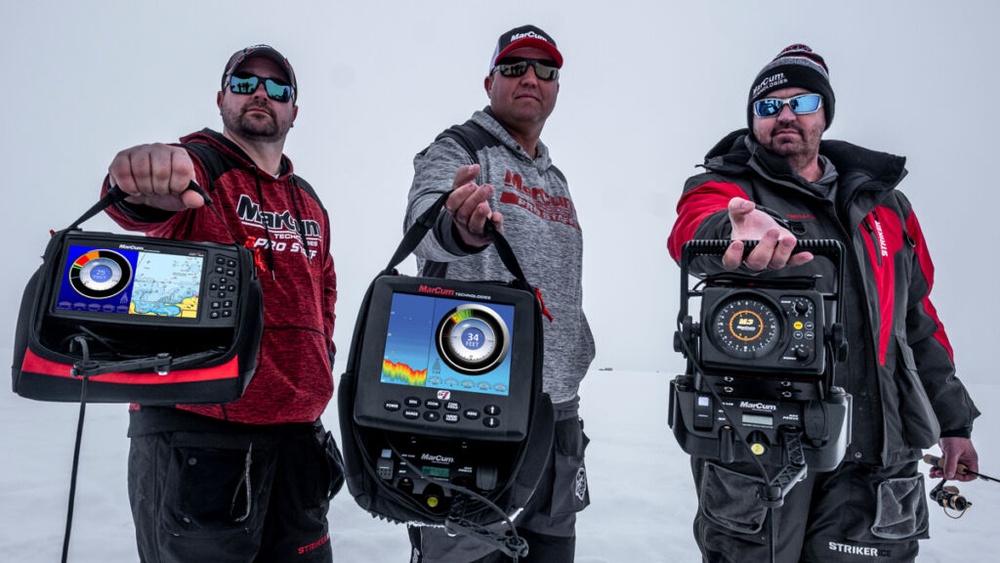
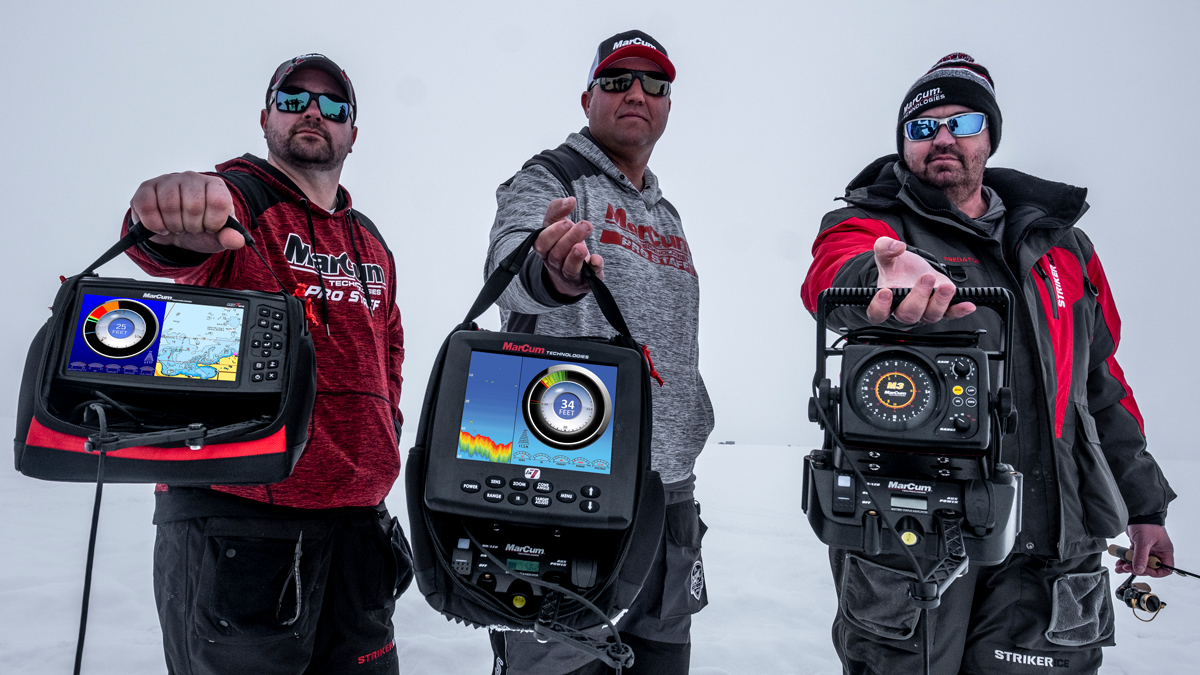
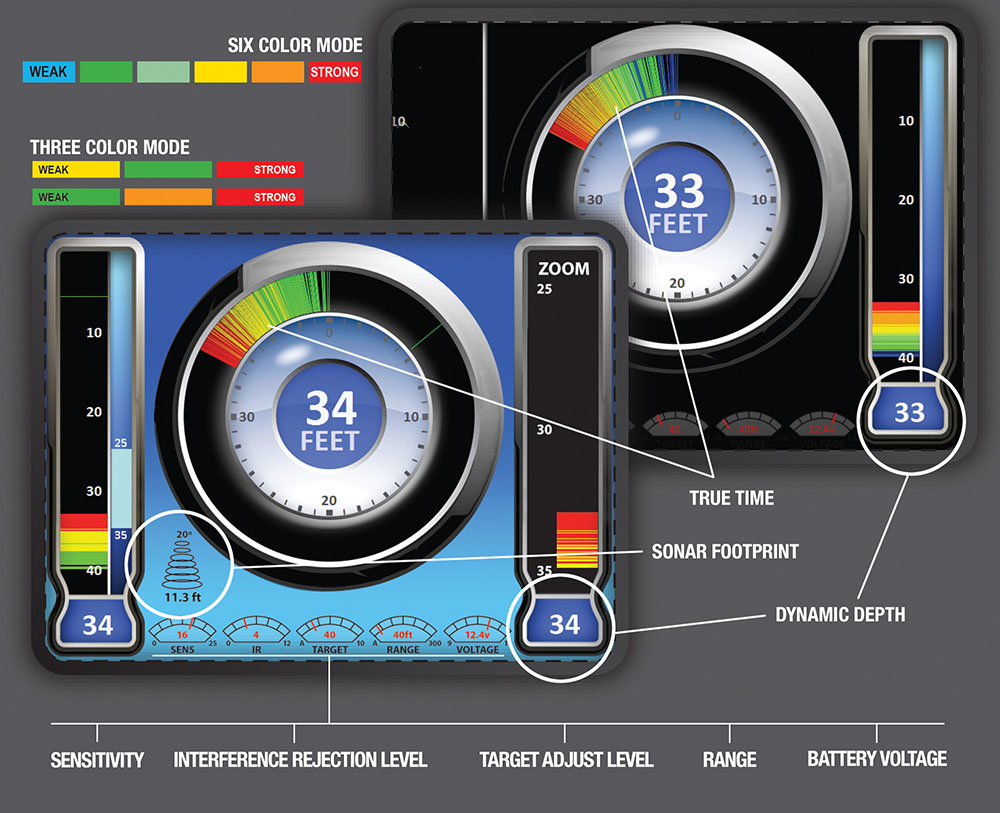
An ice fishing flasher is a specialized sonar device designed for vertical fishing through ice holes. Unlike traditional sonars, flashers show real-time movements of fish, your lure, and even small objects in the water column. This is shown on a circular, color-coded display, which can look confusing at first but is very powerful once you learn to read it.
Flashers use a transducer that sits in your ice hole and sends sonar waves downward. When these waves hit something (a fish, your lure, or the bottom), they bounce back and are displayed as colored marks on the flasher’s dial.
The colors indicate the strength of the return signal, so a strong return (like the bottom or a large fish) will show as red, while weaker signals might show as green or yellow.
One of the key strengths of flashers is real-time feedback. You can watch as a fish moves closer to your bait and see exactly how it reacts. This instant response helps you adjust your lure action and improve your catch rate.
What Is A Sonar Fish Finder?
A sonar fish finder, often just called a sonar, uses similar technology but displays information differently. Instead of a circular dial, most sonars use a digital screen to show a scrolling image of what’s beneath the ice. This can look like a graph or chart, where the bottom appears as a solid line and fish show up as arches or dots.
Sonars are more common in open-water fishing but have become popular for ice fishing too. Many modern ice fishing sonars offer features like GPS mapping, history recall, and even side-scanning abilities. This makes them more versatile, especially if you fish both in summer and winter.
Unlike flashers, sonars don’t always show real-time movement as clearly. There’s usually a small delay because the image scrolls from right to left as new data comes in. However, they offer a bigger, brighter display and can store more data for later review.
Credit: marcumtech.com
Key Differences: Flasher Vs Sonar
Choosing between a flasher and a sonar is not just about the display. Each device affects your fishing experience in unique ways. Here are the main differences explained:
| Feature | Ice Fishing Flasher | Sonar Fish Finder |
|---|---|---|
| Display Type | Real-time circular dial | Scrolling digital screen |
| Response Time | Instant | Slight delay |
| Ease of Use | Steep learning curve | User-friendly interface |
| Battery Life | Longer (less power use) | Shorter (more features) |
| Portability | Very portable | Can be bulkier |
| Versatility | Mainly for ice fishing | Year-round use |
| Target ID | Shows lure and fish as colored lines | Shows arches or dots |
Flashers are very focused on vertical fishing through ice. They’re built for fast, clear feedback and battery life. Sonars, by contrast, are often more powerful and flexible, but not as “instant” in their feedback.
How Ice Fishing Flashers Work
Flashers use pulse sonar technology. The transducer sends out quick bursts of sound waves into the water. When these waves hit something (like the bottom or a fish), they bounce back. The flasher measures how long it takes for the signal to return. Because everything is so close under the ice, this feedback is almost instant.
The flasher’s display is a circle that’s divided into depths. As the transducer detects objects, it lights up the dial at the depth where the object is found. The color and thickness of the line tell you how strong the signal is.
For example, a red mark at 10 feet means something solid (maybe a big fish or the bottom) is right there.
A non-obvious insight: Many beginners don’t realize that flashers can detect your lure even if it’s tiny. This helps you see not only fish but also how your own actions (jigging, pausing) affect fish behavior in real time.
Another thing to note: Flashers work best in vertical lines. If your transducer is tilted or off-center, the readings can become less accurate. Always make sure it sits straight in the ice hole.
How Sonar Fish Finders Work
Sonars send out a continuous beam of sound waves. These waves travel through the water and reflect off anything in their path—fish, vegetation, or the lake bottom. The signal returns to the transducer, which the fish finder interprets and shows on the screen.
Sonars display a history of what has passed under the transducer. The newest data appears on the right side, and older data scrolls left. You see the bottom as a thick line and fish as arches or marks above it. Some advanced sonars can even show water temperature and bottom hardness.
A detail beginners often miss: Most sonars have sensitivity and filtering settings. If set too high, you’ll see too much clutter; too low, and you might miss fish. Learning to adjust these settings for your water and target species is key.
Sonars can also be used in open water, making them a year-round investment. Many can be upgraded with GPS, mapping, and even Wi-Fi to connect with your phone or tablet.
Advantages Of Ice Fishing Flashers
- Real-time feedback: Instantly see every movement of fish and your lure, so you can react fast.
- Long battery life: Flashers use less power, which is important in the cold where batteries drain quickly.
- Simple and durable: Built for tough ice conditions. Less likely to break or malfunction in freezing temperatures.
- High sensitivity: Can detect small jigs and even subtle fish movements.
- No need for scrolling: The dial shows everything happening under your hole right now.
- Easy to transport: Most flashers are compact and come in protective cases.
Many expert ice anglers prefer flashers for their speed and precision. If you like to “sight fish” or move from hole to hole, a flasher is hard to beat.
Advantages Of Sonar Fish Finders
- Bigger, brighter screens: Easier to read in low light or for those with poor eyesight.
- Historical data: You can review what happened over the past few minutes—helpful if you missed a bite.
- More features: GPS, mapping, and sometimes camera integration.
- Year-round use: Works for both ice fishing and open-water fishing.
- Multiple views: Some models show the whole water column or even side views.
- Customizable display: You can adjust colors, zoom in on certain depths, or filter out clutter.
Sonars are ideal for people who want a multi-purpose tool, especially if they fish from a boat in summer. They’re also useful for scouting larger areas under the ice.
Disadvantages Of Ice Fishing Flashers
- Steep learning curve: The circular display takes time to master. Beginners might find it confusing at first.
- Limited features: Most flashers don’t have GPS, mapping, or storage for waypoints.
- Mainly for vertical fishing: Not as useful in open water or for trolling.
- No record keeping: Once a fish moves off the display, it’s gone forever—no way to review.
- Basic design: Some users may find the screen old-fashioned.
A non-obvious downside: Flashers can “interfere” with each other if multiple anglers use them close together. You may need to adjust the interference rejection settings to avoid cross-talk.
Disadvantages Of Sonar Fish Finders
- Small delay: There’s a lag between what’s happening and what you see. You might miss fast-moving fish.
- Shorter battery life: Color screens and extra features use more power, which can be a problem on long trips.
- Bulkier size: Some models are heavy and take up more space in your sled.
- Too much information: The screen can get cluttered, making it hard to focus on your lure and fish.
- Expensive: Top-end models with full features can be costly.
A practical tip: Always check if the sonar’s transducer is designed for ice. Some open-water transducers don’t work well in freezing temperatures.
Ideal Users: Who Should Choose What?
| Angler Type | Best Choice | Why |
|---|---|---|
| Ice-only angler | Flasher | Real-time feedback, long battery life, easy to transport |
| Year-round angler | Sonar Fish Finder | Works in both ice and open water, more features |
| Beginner | Sonar Fish Finder | User-friendly screen, easy to understand |
| Expert | Flasher | Precise control, sees every movement |
| Group fishing | Sonar (with interference rejection) | Less interference when multiple units are close |
If you like to move fast, drill many holes, and focus on the moment, a flasher will suit you. If you prefer to plan, use maps, or fish all year, a sonar fish finder is the better investment.
Real-world Examples
Let’s say you’re targeting crappie in 18 feet of water. With a flasher, you can see your tiny jig dropping, spot fish moving up or down, and even see them react if you pause or twitch the lure. You’ll notice when a fish comes in, follows, or turns away. This feedback lets you change your technique instantly.
Now, imagine you’re using a sonar fish finder. The jig and fish appear as marks or arches. You can see if there was any fish activity in the last few minutes, and you can even use GPS to mark the productive spot for later.
However, you might not see the fish react in real time, especially if they move quickly.
If you fish large lakes and like to explore, a sonar with mapping will show you drop-offs, weed beds, and even record your favorite spots. This is less practical with a flasher.
Key Features To Look For
When buying either device, consider these important features:
- Transducer cone angle: Wider angles cover more area but can be less accurate; narrow cones are better for deep water.
- Display brightness: Outdoor screens need to be readable in bright sun and at night.
- Battery type and life: Lithium batteries last longer in the cold.
- Portability: Weight and size matter if you move a lot.
- Interference rejection: Reduces cross-talk when fishing near others.
- Depth range: Make sure it works for the waters you fish.
- Ease of use: Simple controls are better for beginners.
- Durability: Look for rugged designs that can handle ice and snow.
- Updates and support: Some brands offer firmware updates and good customer service.
- Price: Higher price doesn’t always mean better performance for your needs.
A mistake beginners make is buying the most expensive model thinking it’s always best. In reality, the best device is the one you understand and will actually use.
Credit: windrider.com
Cost Comparison
Generally, flashers are more affordable, with reliable units starting around $200 and going up to $500 for advanced models. Sonar fish finders can start at $150 for entry-level units but range up to $1,000 or more for models with GPS, mapping, and cameras.
Don’t forget to budget for extras like batteries, cases, or mounts. Sometimes these are sold separately.
Modern Technology Trends
Recent years have brought big changes in both flashers and sonars:
- Many flashers now offer digital displays, customizable colors, and wireless connections to smartphones.
- Sonar fish finders can connect to your phone or tablet, allowing for bigger displays and easier sharing of maps or waypoints.
- Some brands combine flasher and sonar modes in the same device, offering the best of both worlds.
- Lithium batteries are replacing older lead-acid types, giving longer life and lighter weight.
A non-obvious insight: Some modern units allow you to record your fishing session and replay it later. This is great for learning and improving your technique.
Credit: marcumtech.com
Ice Fishing Flasher Vs Sonar: Common Myths
- Flashers are outdated. Not true—many pros still rely on them for instant feedback.
- Sonars are only for boats. Most new sonars have ice-specific transducers and settings.
- Only expensive models work well. Many mid-priced units are more than enough for most anglers.
- Bigger screens mean better fishing. Sometimes a simple, clear display is easier to read in bright sunlight.
- You need all the features. Focus on what you’ll actually use, not just what’s advertised.
Practical Tips For Choosing
- Try before you buy. If you have friends with gear, ask to test their flasher or sonar on the ice.
- Watch videos or read reviews by real ice anglers, not just manufacturer ads.
- Think about your fishing style. Do you stay in one spot or move often? Do you fish alone or in groups?
- If you fish all year, a sonar fish finder might be a better long-term investment.
- If you’re just starting, don’t be afraid to buy used gear. Many anglers upgrade often, so good deals are available.
Extra Insights Most Beginners Miss
- Transducer placement matters. Always keep it vertical and in the center of the hole for accurate readings.
- Interference is real. Both flashers and sonars can “talk” to each other and create noise. Learn to use interference rejection settings.
- Keep your batteries warm. Cold kills battery life, especially in color-screen sonars. Use insulated cases or keep a spare battery.
- Practice reading the display in a bucket of water at home before going on the ice. This will build confidence and save you time later.
Environmental Impact
Both flashers and sonars are considered low-impact compared to gas augers or noisy generators. However, always pick up your trash, keep batteries out of the snow, and avoid leaving electronics unattended on the ice.
Which One Should You Buy?
If you want real-time action, long battery life, and portability, go for a flasher. If you prefer a larger screen, more features, and year-round use, a sonar fish finder is your best bet.
There’s no single “right” answer. The best device is the one that fits your fishing style, budget, and comfort level. Many experienced anglers even carry both—a flasher for jigging and a sonar for scouting.
To learn more about the science behind sonar and flashers, check out this detailed guide on Wikipedia.
Frequently Asked Questions
What Is The Main Difference Between A Flasher And A Sonar?
The main difference is the display and response time. A flasher shows real-time data on a circular dial, while a sonar fish finder uses a scrolling digital screen with a slight delay. Flashers are better for instant feedback; sonars offer more features and history.
Can I Use A Sonar Fish Finder For Open-water Fishing?
Yes, most modern sonar fish finders are designed for both ice and open water. Just make sure you have the right transducer for each season, as some are specific to cold or warm water.
Are Flashers Better For Beginners?
Not always. Flashers have a steep learning curve because of the circular display. Many beginners find digital sonars easier to understand, but with practice, flashers become very effective.
How Long Does The Battery Last On These Devices?
Flashers typically last longer (up to 20 hours or more per charge) because they use less power. Sonar fish finders with color screens and extra features may last 6–10 hours, especially in cold weather. Using lithium batteries can improve battery life for both.
Can I Use Both A Flasher And A Sonar At The Same Time?
Yes, you can use both, but be aware of interference if they’re close together. Most devices have settings to reduce cross-talk, but it’s good practice to keep them a few feet apart and adjust the interference rejection features.
Ice fishing technology keeps evolving, but the basics of finding and catching fish remain the same. Whether you choose a flasher, a sonar, or both, the real thrill is feeling that tug on the line and seeing what’s under the ice.
The right tool will make your ice fishing experience more fun, more productive, and a little less mysterious.