
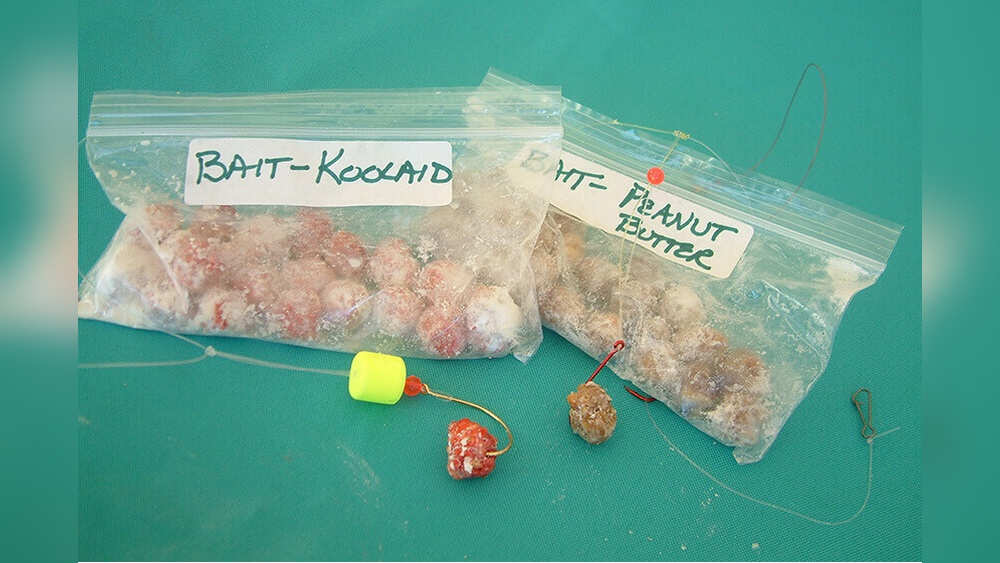
Making your own dough ball for fishing is a simple yet powerful skill every angler should know. Whether you’re targeting carp in a quiet pond or chasing catfish in a local river, a well-made dough ball can often out-fish expensive store baits. The beauty of dough bait is that you control every ingredient, adjust texture and flavor, and make it fresh for every trip. Many beginners think making dough balls is tricky, but with the right guidance and a little practice, you’ll be catching fish in no time.
In this guide, you’ll learn everything you need to make perfect dough balls for fishing. We’ll cover not only the classic recipes, but also the science behind bait attraction, how to adjust your dough for different fish species, and common mistakes to avoid.
You’ll see how to store your dough balls, boost their effectiveness with add-ins, and even compare them to other popular fishing baits. By the end, you’ll feel confident making your own fishing dough balls – and you may never want to buy commercial bait again.
What Is A Dough Ball For Fishing?
A dough ball is a soft, round bait made from flour, water, and other ingredients. Anglers have used dough balls for generations because they’re cheap, easy to make, and highly effective for many freshwater fish. Unlike hard baits or lures, dough balls slowly release scent and flavor into the water, attracting fish from a distance.
Dough balls can be as simple as flour and water, or as complex as multi-ingredient recipes with sweeteners, scents, and colors. The main goal is to create a bait that holds on the hook but is soft enough for fish to bite.
Why Use Dough Balls For Fishing?
Many anglers underestimate the power of dough balls. Here’s why they’re so popular:
- Low cost: Most recipes use basic kitchen ingredients.
- Customizable: You control taste, scent, and color.
- Effective for many species: Especially carp, catfish, bluegill, and tilapia.
- Easy to make in large batches: Great for long fishing sessions or sharing with friends.
Dough balls often work when artificial lures or commercial baits fail. Fish respond to the natural scents and soft texture, making dough balls a reliable choice in both clear and muddy waters.
Essential Ingredients For Fishing Dough Balls
The best dough balls start with the right ingredients. Here’s what you’ll need:
- Base flour – All-purpose wheat flour is most common, but cornmeal, bread flour, or instant potato flakes are also used.
- Liquid – Usually water, but milk, juice, or syrup can enhance scent and stickiness.
- Binders – Ingredients like eggs, corn syrup, or gelatin help hold the dough together underwater.
- Sweeteners – Sugar, honey, or molasses attract fish, especially carp and panfish.
- Scent and flavor – Vanilla, anise extract, garlic powder, or commercial fish attractants boost effectiveness.
- Color (optional) – Food coloring or natural options like turmeric can make dough balls more visible.
One non-obvious tip: using a combination of flours (e.g., wheat plus cornmeal) often improves dough strength and texture. Another is that a pinch of salt helps the dough stay fresh and improves taste for some species.
Classic Basic Dough Ball Recipe
Here is a simple, proven recipe for fishing dough balls that works for most freshwater species.
Ingredients:
- 1 cup all-purpose flour
- 1 cup cornmeal
- 1/2 cup water
- 2 tablespoons sugar
- 1 tablespoon honey or corn syrup
- 1/2 teaspoon salt
Instructions:
- Mix flour, cornmeal, sugar, and salt in a bowl.
- Heat water and honey (or corn syrup) in a small saucepan until just warm.
- Gradually pour the warm liquid into the dry ingredients, stirring until a dough forms.
- Knead the dough for 3-5 minutes until smooth and elastic.
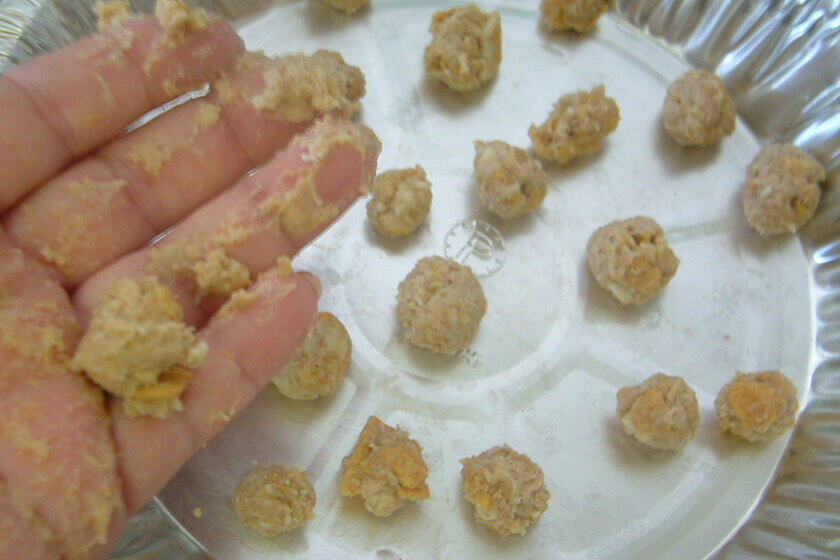
- Roll the dough into balls about the size of a marble (1–2 cm diameter).
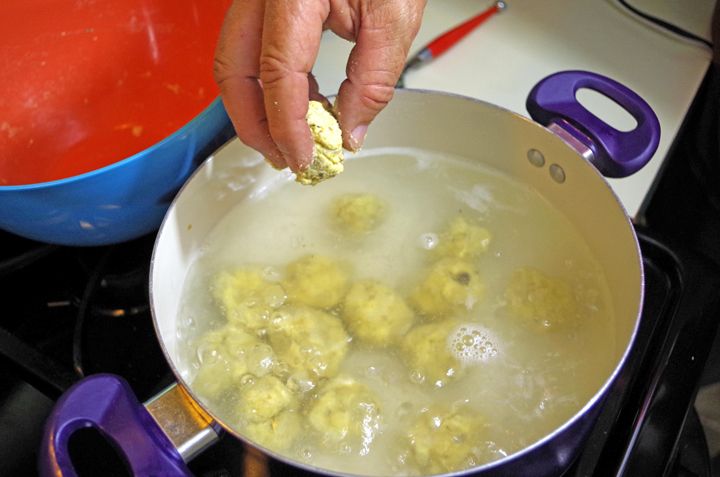
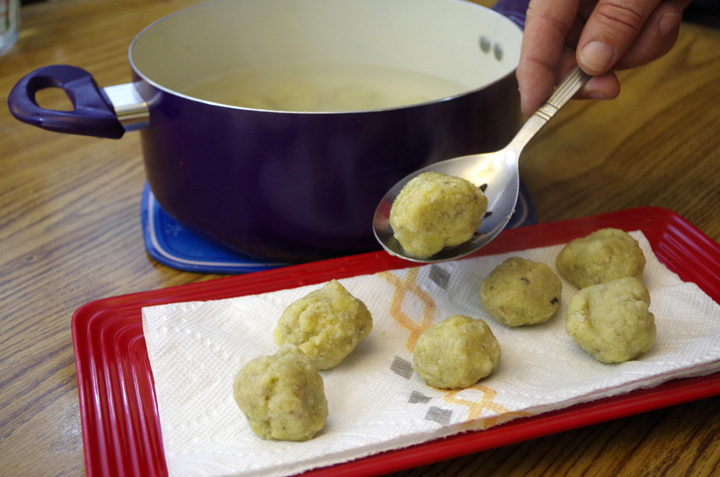
- For extra toughness, simmer the dough balls in gently boiling water for 2–3 minutes, then cool.
- Store in an airtight container until ready to fish.
Serving size: Makes about 20–30 dough balls.
Prep time: 10 minutes
Cook time: 5 minutes
Practical tip: If your dough is too sticky, add more flour. If too dry, add a few drops of water. The perfect dough holds its shape but doesn’t crumble or stick to your hands.
Credit: www.gameandfishmag.com
Advanced Dough Ball Recipes And Variations
Once you master the basic dough ball, you can experiment with different recipes to target specific fish or adjust for water conditions.
Sweet Corn Dough Balls
Carp and tilapia love sweet corn flavor. Here’s a specialized recipe:
- 1 cup cornmeal
- 1/2 cup flour
- 1/2 cup creamed corn (from a can)
- 1 tablespoon sugar
- 1 teaspoon vanilla extract
Mix all ingredients until a soft dough forms. If needed, adjust with more flour or cornmeal for consistency.
Garlic Dough Balls
Catfish and some carp respond well to garlic-scented dough balls:
- 1 cup flour
- 1 cup cornmeal
- 1/2 cup water
- 2 tablespoons garlic powder or 2 crushed garlic cloves
- 1 tablespoon molasses
Combine as with the basic recipe. For extra scent, store dough balls overnight in a sealed bag with sliced garlic.
Cheese Dough Balls
Channel catfish and carp often strike cheese-flavored baits:
- 1 cup flour
- 1/2 cup grated cheddar cheese
- 1/2 cup cornmeal
- 1/2 cup water
Melt cheese into the water before mixing with dry ingredients. Knead until smooth.
High-protein Dough Balls
For larger fish, add protein:
- 1 cup flour
- 1/2 cup soy flour or powdered milk
- 1/2 cup cornmeal
- 2 tablespoons peanut butter
- 1/2 cup warm water
Mix as usual. This dough has a strong scent and holds well.
Expert tip: Combining sweet (sugar/honey) and savory (cheese/garlic) can sometimes double your bites, especially in competitive fishing spots.
Step-by-step Guide: Making The Perfect Dough Ball
Even simple recipes can go wrong if the process isn’t right. Follow these steps for perfect dough balls every time.
1. Prepare Your Work Area
Clean your counter and gather all ingredients and tools: bowl, measuring cups, spoon, small saucepan, and plastic wrap or airtight container for storage.
2. Mix Dry Ingredients First
Mixing flour, cornmeal, and any dry flavors (sugar, spices) first prevents lumps and ensures even flavor.
3. Add Wet Ingredients Slowly
Warm water and syrups blend better and help activate starches for a smoother dough. Pour liquid in gradually, mixing as you go.
4. Knead Thoroughly
Kneading for 3–5 minutes develops gluten, making the dough elastic and less likely to fall apart on the hook.
5. Test Consistency
Pinch a small piece and roll it between your fingers. If it crumbles, add a few drops of water. If it’s sticky, sprinkle a bit more flour.
6. Shape And Size
Roll dough into balls sized for your hook and target fish. Marble-sized is a good starting point. For smaller fish, make smaller balls.
7. (optional) Boil For Extra Toughness
For strong currents or long casts, simmer dough balls in water for 2–3 minutes. This forms a thin “skin” that helps them stay on the hook.
8. Cool And Store
Let dough balls cool completely before storing in an airtight container. Refrigerate if not using within a day.
How Dough Balls Attract Fish
Many anglers underestimate the science behind dough balls. Here’s how they work:
- Scent release: As dough balls sit in water, oils, sugars, and flavors dissolve, spreading a scent trail.
- Soft texture: Fish can easily bite and swallow, but the dough stays on the hook long enough for a strike.
- Color and visibility: Bright dough balls are easier for fish to spot, especially in murky water.
- Taste: Sweet, savory, or umami flavors trigger feeding instincts.
A non-obvious insight: temperature changes how dough balls release scent. In cold water, use stronger scents or softer dough to maintain attraction.
Adjusting Dough Balls For Different Fish Species
Different fish have different preferences. Adjust your dough balls for better results:
- Carp: Love sweet, soft dough balls with corn, vanilla, or fruit flavors.
- Catfish: Respond to strong, savory scents like cheese, garlic, or meat extracts.
- Bluegill/Sunfish: Prefer smaller, slightly firmer dough balls, often with sweet scents.
- Tilapia: Go for mild, sweet doughs, sometimes with bread or corn as the main base.
For each species, experiment with color. For example, bright yellow or orange often works best for carp and tilapia.
Credit: www.floridasportsman.com
Common Mistakes And How To Avoid Them
Many beginners make simple mistakes that reduce their catch rate.
- Dough too sticky: Add more flour or cornmeal until workable.
- Dough crumbles or falls off the hook: Knead longer or add a binder like egg or syrup.
- Bait not attracting fish: Try stronger scents, more sugar, or a different color.
- Dough balls dry out: Always store in airtight containers and avoid direct sun.
- Too large or too small: Match dough ball size to your hook and target species for best results.
A less-known mistake: using only cold water can make the dough tough and less effective. Warm liquids create a smoother, more attractive bait.
Storage And Preservation Of Dough Balls
Dough balls spoil quickly if not stored properly. Here’s how to keep them fresh:
- Short-term: Store in an airtight container at room temperature for up to 1 day.
- Medium-term: Refrigerate for up to 1 week.
- Long-term: Freeze dough balls in zip-top bags for up to 1–2 months. Thaw in the fridge overnight before use.
If using eggs or dairy, always refrigerate to avoid spoilage. For extra moisture, wrap dough balls in damp paper towel inside the container.
Boosting Effectiveness: Add-ins And Attractants
You can “supercharge” your dough balls with special add-ins:
- Commercial fish attractants: Add a few drops of liquid attractant to the dough.
- Oils: Anise, garlic, or shrimp oils boost scent.
- Powdered flavors: Jell-O powder, instant pudding mix, or Kool-Aid for color and taste.
- Seeds and grains: Crushed birdseed, oats, or breadcrumbs add texture and slow scent release.
- Natural scents: Mashed banana, strawberry syrup, or molasses for variety.
Always test a small batch with new add-ins before making a full batch for fishing.
Dough Balls Vs. Other Bait Types
How do dough balls compare to other common fishing baits? The following table highlights key differences:
| Bait Type | Cost | Ease of Use | Target Fish | Scent Release |
|---|---|---|---|---|
| Dough Balls | Very Low | Easy | Carp, Catfish, Panfish | High |
| Worms | Low | Medium | Most Freshwater Fish | Medium |
| Artificial Lures | Medium–High | Harder | Predatory Fish | Low |
| Corn Kernels | Low | Easy | Carp, Panfish | Medium |
As you can see, dough balls offer high scent release and low cost, making them a smart choice for many fishing trips.
Credit: www.gameandfishmag.com
Matching Dough Ball Texture To Water Conditions
The water you fish in affects how your dough bait performs.
| Water Condition | Recommended Dough Texture | Why |
|---|---|---|
| Fast-moving river | Firm, slightly boiled | Stays on hook in current |
| Still pond/lake | Softer, unboiled | More scent release, easier bite |
| Cold water | Softer with strong scent | Fish are sluggish, need more attraction |
| Warm water | Normal or firmer | Fish are active, but dough may dissolve faster |
Adjust your dough recipe based on where and when you fish for best results.
How To Attach Dough Balls To Hooks
Attaching dough balls correctly ensures they stay on and attract fish.
- Choose a hook size that matches your dough ball and target fish. For small fish, use size 8–12 hooks; for larger carp or catfish, use size 2–6.
- Pinch off a small piece of dough and roll into a ball.
- Press the dough ball onto the hook, covering the point but leaving the tip exposed. This improves hook-up rates.
- For stronger attachment, squeeze the dough onto the bend and shank of the hook.
- Avoid compressing too tightly, or the dough won’t release scent.
Pro tip: Some anglers use hair rigs or bait springs for carp. These let you present a dough ball just off the hook, improving bites.
Safety And Environmental Considerations
Homemade dough balls are generally safe for fish and the environment. However, keep these points in mind:
- Use only natural, food-safe ingredients (no soap, toxins, or dyes not meant for food).
- Remove leftover bait and packaging from water and shore.
- Avoid feeding wildlife with leftover dough balls – they’re for fishing, not birds or turtles.
- In some areas, specific scents or attractants may be banned. Check local regulations.
If you’re fishing in a protected area, always follow “leave no trace” practices.
Troubleshooting: When Dough Balls Don’t Work
Even the best dough balls sometimes don’t produce bites. Here’s how to troubleshoot:
- If fish are present but not biting: Try smaller dough balls, a different scent, or a brighter color.
- If dough falls off hook quickly: Boil dough balls longer or add a binder like egg or gelatin.
- If you get short strikes or missed bites: Make dough balls softer or use a smaller hook.
- If fish ignore your bait: Watch what they’re feeding on naturally (e.g., bread, corn, seeds) and adjust your recipe.
Patience and observation are key. Sometimes, small adjustments make a big difference.
Real-life Examples And Success Stories
Many experienced anglers have stories about dough balls saving a slow fishing day. One example: during a local carp tournament, most competitors used store-bought baits. A beginner brought homemade vanilla-scented dough balls, caught three big carp, and won second place. The secret was the fresh, sweet scent and soft texture.
Another example: A father and child fishing for bluegill in a city pond tried worms with little luck. Switching to pea-sized dough balls with strawberry Jell-O powder led to fast bites and a happy fishing memory.
Don’t be afraid to experiment. Sometimes your own homemade bait works better than anything you can buy.
Useful Resources For Dough Ball Recipes And Fishing Techniques
Want to dive deeper into dough baits and fishing methods? Check out Wikipedia: Fishing Bait for a wide overview of bait types, history, and more advanced techniques.
Frequently Asked Questions
How Long Do Homemade Dough Balls Last?
Homemade dough balls last up to 1 day at room temperature, up to a week in the fridge, and about 1–2 months in the freezer. Always store in an airtight container and avoid moisture loss.
Can I Use Bread Instead Of Flour In Dough Balls?
Yes, bread can be used as a base for dough balls. Tear bread into small pieces, add a little water, and knead until smooth. Bread-based dough is especially popular for carp and tilapia.
Are Dough Balls Good For Saltwater Fishing?
Dough balls are mainly used for freshwater fishing. In saltwater, they dissolve faster, but you can try firmer recipes for small species like mullet or bream in calm water.
What’s The Best Scent For Carp Dough Balls?
Carp love sweet scents like vanilla, strawberry, and honey. Adding corn, fruit extracts, or commercial carp attractants can boost effectiveness.
Why Do My Dough Balls Fall Off The Hook?
Common reasons are dough too soft, not kneaded enough, or too much liquid. Add more flour or a binder, knead longer, or boil the dough balls briefly for extra toughness.
Making your own fishing dough balls is both fun and effective. With just a few common ingredients and simple steps, you can create bait that catches more fish and saves money. Try different recipes, adjust based on your fishing spot, and enjoy the satisfaction of landing fish on bait you made yourself.