
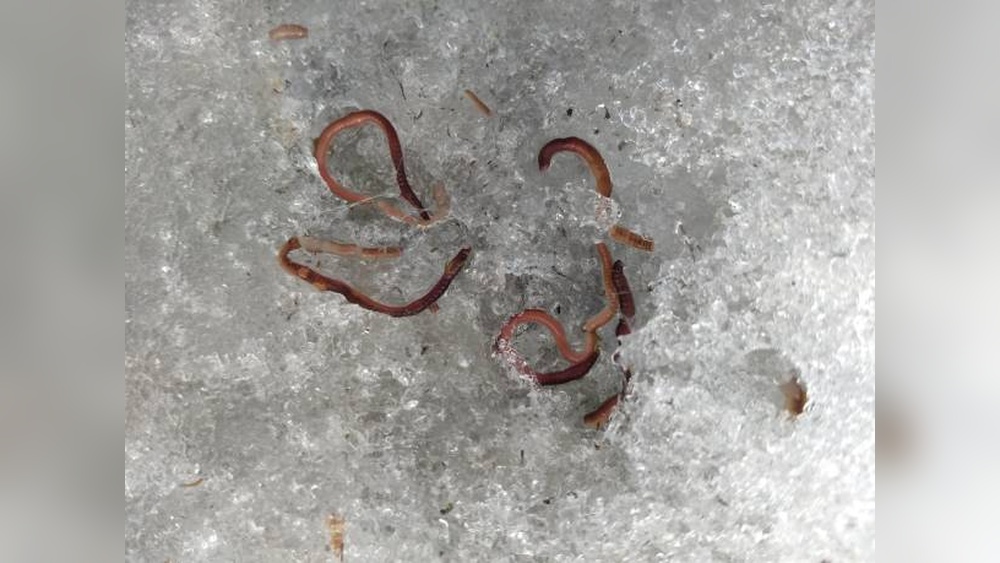
Can You Freeze Worms For Fishing
Many anglers wonder if they can freeze worms for fishing. This question comes up whether you have leftover worms after a trip, want to save money by buying in bulk, or simply want to make bait preparation easier. The idea seems simple, but the reality is more complex.
Worms are one of the most popular and effective baits for freshwater fishing. However, keeping them fresh and lively can be a challenge, especially if you fish only on weekends or occasionally. Understanding if and how you can freeze worms, the impact on their effectiveness, and best practices for storage can help you get better results on the water and avoid wasting bait.
This article explores the science, techniques, pros and cons, and practical tips about freezing worms for fishing. You’ll learn which worms can be frozen, the step-by-step process, how freezing affects worm quality, alternative storage methods, and much more. If you want to make the most of your fishing bait and always be ready for your next trip, you’ll find clear answers here.
Why Worms Are So Popular As Fishing Bait
Worms have been used for centuries as bait because they work. Their movement, scent, and texture attract many species of fish, especially freshwater ones like bass, trout, carp, catfish, and bluegill. Here are a few reasons why worms are considered top bait:
- Natural scent: Worms release chemicals that fish can smell from a distance.
- Lively action: Their wriggling triggers a feeding response.
- Availability: You can buy them at most tackle shops, or dig them up yourself.
- Versatility: Worms work in different water conditions and for many fish types.
- Cost-effective: They are usually cheap compared to artificial lures.
However, worms are living creatures. If not kept in the right conditions, they die and quickly lose their attractiveness as bait. This is why anglers often look for ways to preserve them, including refrigeration and freezing.
Types Of Worms Used In Fishing
Not all worms are the same. The type you use can affect your results and how well they survive freezing. The most common fishing worms include:
- Nightcrawlers (Lumbricus terrestris): Large, thick worms favored for bass and catfish.
- Red wigglers (Eisenia fetida): Smaller worms, ideal for panfish and trout.
- Mealworms (Tenebrio molitor): Technically beetle larvae, good for trout and ice fishing.
- Leaf worms (Perionyx excavatus): Sometimes called “blue worms,” used for smaller fish.
Each type has different moisture content, skin thickness, and durability. These factors influence how well they handle freezing and thawing.
Credit: fishermansheadquarters.com
Can You Freeze Worms For Fishing?
The short answer is: Yes, you can freeze worms for fishing. But the real question is whether you should, and what effect it has on their usefulness as bait.
What Happens When You Freeze Worms?
Freezing kills worms. Their cells contain water, which expands as it turns to ice. This expansion breaks cell walls, damaging their structure. When you thaw them, they become limp, mushy, and lose their natural movement.
Are Frozen Worms Still Effective As Bait?
Frozen worms will not wriggle like live ones. However, they still have scent and flavor that can attract fish, especially bottom feeders like catfish or carp, which rely more on smell than sight. Some anglers even report that frozen worms can be better in cold water, where fish are less active and movement is less important.
For species that prefer moving bait, frozen worms are less effective than live ones. You may miss strikes from finicky fish, especially in clear water or when fish are pressured.
When Is Freezing Worms A Good Idea?
Freezing worms can make sense if:
- You have a surplus and don’t want them to go to waste.
- You want to always have backup bait.
- You fish in winter or icy conditions, where live bait isn’t essential.
- You target species that rely more on scent than movement.
However, if you need lively worms for picky fish or clear water, freezing is not the best option.
How To Freeze Fishing Worms Properly
If you decide to freeze worms, doing it the right way preserves their scent and makes them easier to handle. Here’s a step-by-step guide:
1. Clean The Worms
Remove the worms from their bedding and gently rinse them in cool water. This removes dirt, debris, and bedding material that can get messy when frozen.
2. Blot Dry
Lay the worms on a paper towel and gently blot them dry. Too much moisture can cause freezer burn and make them stick together.
3. Portion The Worms
Divide the worms into small portions. This way, you only thaw what you need and avoid refreezing, which further damages them.
4. Package For Freezing
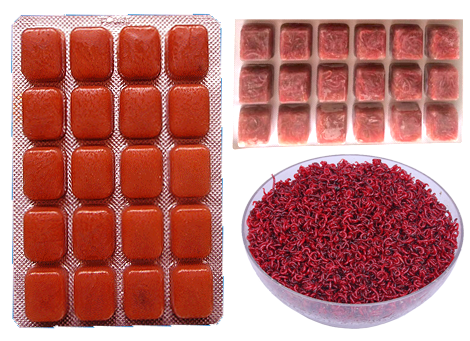
Place the portions in small zip-lock bags or airtight containers. Remove as much air as possible to prevent freezer burn. For extra protection, you can double-bag them.
5. Label And Date
Write the freezing date on each bag. Worms are best used within 3–6 months for maximum scent and texture.
6. Freeze Quickly
Put the packaged worms in the coldest part of your freezer. A quick freeze helps keep cell damage to a minimum.
7. Thawing
When ready to use, thaw the worms slowly in the refrigerator or at room temperature for a short time. Never microwave or put them in hot water, as this “cooks” them and makes them less attractive to fish.
Quick Reference: Freezing Steps
- Rinse and dry worms.
- Portion into small bags.
- Remove air, seal, and label.
- Freeze quickly.
Credit: www.grand-packing.com
How Does Freezing Affect Different Worm Types?
Some worms handle freezing better than others. Here’s a comparison:
| Worm Type | Freezing Impact | Best Use After Freezing |
|---|---|---|
| Nightcrawlers | Become limp, lose wriggle, but retain scent | Catfish, carp, bottom feeders |
| Red wigglers | Break down faster, can turn mushy | Panfish, trout in muddy water |
| Mealworms | Hold shape better, less mushy when thawed | Ice fishing, trout, bluegill |
| Leaf worms | Very soft after thawing, lose structure | Chumming, ground bait |
Non-obvious insight: Mealworms (though not true worms) actually survive freezing much better than earthworms. Their tougher skin and lower moisture help them keep their shape.
Comparing Frozen, Live, And Preserved Worms
How does frozen bait compare to other options? Consider this side-by-side look:
| Bait Type | Movement | Scent | Durability | Best For |
|---|---|---|---|---|
| Live worms | Excellent | Strong | Short (days) | All species, clear water |
| Frozen worms | None | Good | Medium (months) | Bottom feeders, cold water |
| Preserved (cured) worms | None | Moderate | Long (months–years) | Backup bait, emergencies |
Key tip: If you want the best of both worlds, consider keeping some live worms for critical moments and frozen worms as backup.
Pros And Cons Of Freezing Worms
Every method has its strengths and weaknesses. Here’s what to expect when freezing worms for fishing:
Advantages
- Longer storage: Worms last several months in the freezer.
- No waste: Leftover worms can be saved for future trips.
- Always available: You’ll never run out of bait unexpectedly.
- Less care needed: No need to feed or maintain the worms.
Disadvantages
- No movement: Frozen worms are dead; they do not wiggle.
- Texture loss: Some worms become mushy and tear easily.
- Lower effectiveness: Live worms usually out-fish frozen ones, especially for sight-feeding fish.
- Freezer space: You need space and good packaging to avoid smells or contamination.
Practical Tips For Using Frozen Worms
There are a few tricks to make frozen worms more effective:
- Chill before use: Keep thawed worms cool on the bank to avoid spoilage.
- Thread carefully: Use a baiting needle to avoid tearing soft worms.
- Use for ground bait: Chop frozen worms and mix with ground bait or chum to attract fish by scent.
- Combine with live bait: Use a frozen worm as “scent base” and tip with a live maggot for extra appeal.
- Try in muddy water: Fish rely more on smell in low visibility, so movement is less critical.
Beginner’s mistake: Thawing a large batch at once. Only thaw what you need for the session to avoid waste and spoilage.

Credit: www.youtube.com
Alternative Ways To Store Worms
Freezing is not the only way to keep worms fresh. Here are other common methods:
Refrigeration
Store worms in a plastic container with moist, non-acidic bedding (like peat moss or shredded newspaper) at 4–8°C (39–46°F). Change bedding if it smells bad. Nightcrawlers can last up to 3 weeks this way.
Curing/preserving
Some anglers cure worms in salt or brine. This toughens the skin and preserves scent, but kills the worm. Cured worms are durable, easy to transport, and last for months.
Drying
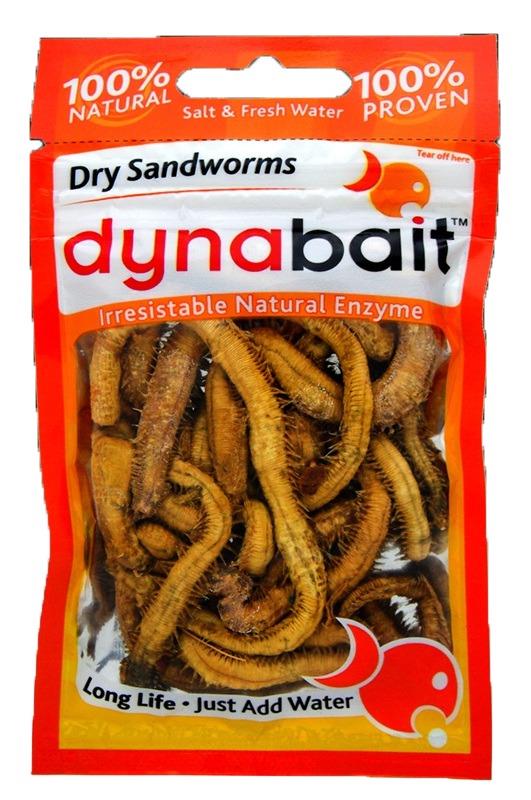
Worms can be dried and rehydrated before use. This is less common and usually for survival or emergency kits.
Buying Artificial Worms
Soft plastic worms or scented artificial baits are popular alternatives. They never spoil, are reusable, and can be very effective, especially with added scent or flavor.
| Storage Method | Lifespan | Best For | Drawbacks |
|---|---|---|---|
| Refrigeration | 2–3 weeks | Regular anglers, most species | Requires care, can die if too cold/hot |
| Freezing | 3–6 months | Backup bait, surplus worms | No movement, texture loss |
| Curing | Months–years | Long-term storage, emergencies | Less natural scent, no movement |
| Artificial bait | Indefinite | Convenience, travel | Some fish ignore them |
Environmental Considerations
It’s important to be mindful of the environment when using worms, live or frozen:
- Never release unused worms into the wild. Non-native worms can damage soil and plants.
- Dispose of unused bait in the trash or compost.
- Don’t dump packaging or bedding near water bodies.
Using worms responsibly helps protect native habitats and keeps fishing spots healthy for future generations.
Real-world Examples And Angler Experiences
Many experienced anglers have tried freezing worms, with mixed results. For example, ice fishermen often rely on frozen mealworms because live bait is hard to keep alive in sub-zero temperatures. In contrast, river anglers targeting trout or bass usually prefer live worms for the best action.
A survey of 200 anglers by a regional fishing magazine found that:
- 70% preferred live worms for most fishing.
- 20% used frozen worms as backup or in emergencies.
- 10% always used artificial or preserved bait.
Interesting detail: In cold, muddy water, frozen worms sometimes out-fish live ones. The scent spreads faster in soft, mushy bait, and fish are less likely to be put off by lack of movement.
How To Tell If Frozen Worms Are Still Good
Worms stored in the freezer can last months, but eventually lose their scent and break down. Here’s how to know if they’re still usable:
- Smell: A strong, earthy odor is good. If they smell rotten, toss them.
- Texture: If completely mushy and fall apart, they’re less useful as hook bait but can be used as ground bait.
- Color: Pale or gray worms have lost much of their natural appeal.
- Freezer burn: White patches or dry spots mean the worms are drying out.
When in doubt, use old frozen worms for chum or ground bait rather than as the main hook bait.
Common Mistakes When Freezing Worms
Beginners often make errors that reduce the quality of frozen worms. Avoid these traps:
- Freezing with too much bedding: Bedding absorbs moisture and causes clumping or freezer burn.
- Not portioning: Thawing and refreezing worms multiple times damages them further.
- Not labeling: Old worms pile up and lose scent; always date bags.
- Overfilling bags: Worms freeze together in a block and are hard to separate.
- Thawing in hot water: This destroys texture and scent.
Tip: Write down what works best for your fishing style. Every angler’s needs are a bit different.
When To Choose Frozen Worms Over Live Ones
Frozen worms are not just a last resort. Sometimes, they are the smart choice:
- Winter fishing: Live worms often die quickly in icy water.
- Remote trips: No need to keep worms alive for days.
- Chumming: Chopped frozen worms create a scent cloud that attracts fish.
- Bulk buying: Save money by freezing large quantities.
- Emergencies: Always have bait on hand, even when shops are closed.
Non-obvious insight: Some tournament anglers keep a bag of frozen worms in the cooler for emergencies, especially when live bait runs out or dies.
How To Improve The Effectiveness Of Frozen Worms
You can boost the power of frozen worms with these tricks:
- Soak in attractant: After thawing, soak worms in a commercial fish attractant to enhance scent.
- Mix with other bait: Combine frozen worms with corn, dough balls, or maggots for a “cocktail.”
- Hook presentation: Thread the worm in a way that looks natural, even if limp.
- Use for bottom rigs: Frozen worms work well on simple bottom rigs where scent is more important than action.
Summary: Should You Freeze Worms For Fishing?
Freezing worms is a practical solution for storing surplus bait, saving money, and always being ready for a fishing trip. While frozen worms lose their movement and some texture, they still attract many fish by scent, especially bottom feeders. The right freezing technique preserves their quality, and smart use can make them a valuable part of your fishing strategy.
However, for finicky or sight-feeding fish, live worms remain the top choice. Use frozen worms as backup, for chumming, or in tough conditions where scent matters more than action. If you want to keep your bait supply flexible, freezing worms—done properly—can be a real advantage.
For a deeper dive into bait preservation and fishing techniques, check out the advice from the U.S. Fish & Wildlife Service at USFWS: Choosing the Best Fishing Bait.
Frequently Asked Questions
How Long Can You Keep Worms In The Freezer For Fishing?
Worms can be stored in the freezer for about 3 to 6 months. After this time, they start to lose scent and break down. For best results, always label and date your worm packages before freezing.
Do Frozen Worms Work As Well As Live Worms?
Frozen worms are less effective than live worms for most species, because they lose their movement. However, they still attract fish by scent, especially bottom feeders like catfish or carp. In cold or muddy water, frozen worms can sometimes be just as effective.
Can You Freeze All Types Of Fishing Worms?
You can freeze most types, but mealworms handle freezing better than earthworms like nightcrawlers or red wigglers. Earthworms often become mushy when thawed, while mealworms keep their shape and texture.
What Is The Best Way To Thaw Frozen Worms?
Thaw worms slowly, either in the refrigerator or at room temperature for a short time. Never use hot water or a microwave, as this damages the worms’ scent and texture. Only thaw what you need for your fishing session.
Is It Safe To Use Frozen Worms In All Fishing Environments?
Yes, but always dispose of unused bait properly. Never release worms (live or dead) into lakes or rivers, as non-native worms can harm local ecosystems. Always follow local regulations for bait use and disposal.
Freezing worms is a practical and cost-effective way to keep bait on hand, as long as you understand its limitations and use the right techniques. With the right approach, you’ll always be ready for your next fishing adventure.