
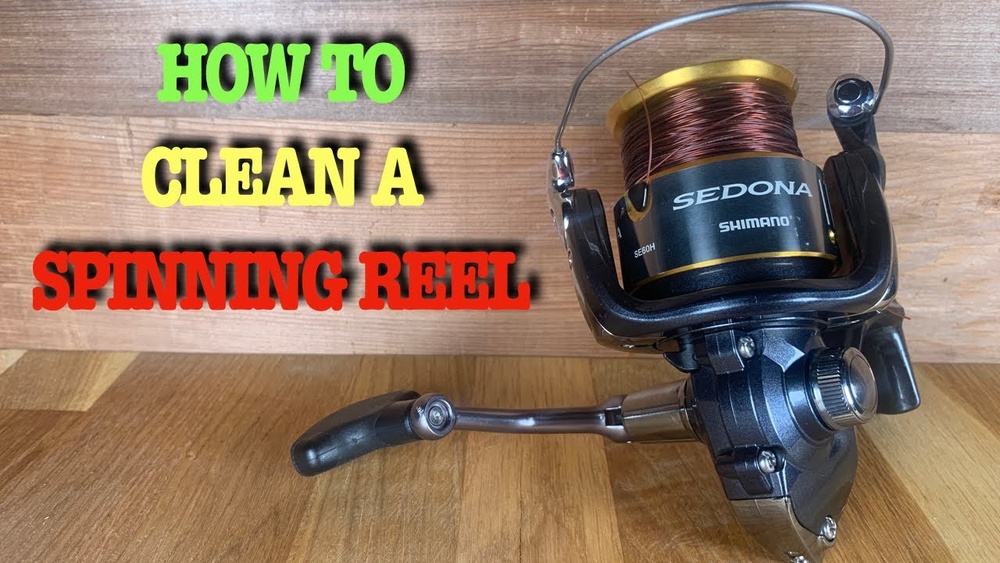
Cleaning sand out of a fishing reel is a crucial skill for anyone who spends time fishing by the beach, riverbanks, or anywhere sand is common. Even a small amount of sand can quickly damage your reel, causing it to grind, jam, or even stop working completely.
If you love fishing, you know how important it is to protect your gear. But cleaning a reel filled with sand can seem difficult, especially if you are new to fishing maintenance or worried about making mistakes. The good news is, with patience and the right steps, you can safely remove sand and keep your reel working smoothly for years.
This guide will walk you through the full process of how to clean sand out of a fishing reel. You will learn not only the basic steps, but also expert tips and little-known warnings that many beginners miss. Whether you use spinning reels, baitcasters, or spincasters, the steps here will help you avoid expensive repairs and keep your gear performing at its best.
Why Sand Is So Harmful To Fishing Reels
Sand might look small and harmless, but it is one of the worst enemies for fishing equipment. When sand gets inside a reel, it acts like tiny pieces of glass, scratching and grinding against the metal and plastic parts. This causes several problems:
- Friction: Sand increases resistance inside the reel, making it harder to turn the handle and cast smoothly.
- Wear and Tear: Gears, bearings, and other moving parts wear out much faster when sand is present.
- Corrosion: Sand often carries saltwater, which can cause rust or corrosion, especially if not cleaned quickly.
- Jamming: In the worst cases, sand can clog the mechanism, making the reel unusable.
Many anglers underestimate how quickly sand can damage a reel. Even a few grains can ruin smooth performance. That’s why regular cleaning is not just a recommendation—it’s a must for anyone who fishes near sand.
Signs That Sand Is Inside Your Reel
Before you start cleaning, it helps to recognize the symptoms of sand inside your fishing reel. Look for these warning signs:
- Grinding or rough feeling when you turn the handle
- Unusual noises such as clicking or scraping
- Difficulty casting or reeling in
- Handle feels stiff or stuck
- Visible grains of sand near the spool or handle
Sometimes, sand can get inside even if you don’t drop your reel. Wind, waves, or simply laying the reel on the ground can allow fine sand to enter. If you notice any of these signs, don’t ignore them—quick action can save your reel from lasting damage.
What You’ll Need: Tools And Supplies
Cleaning sand out of a fishing reel requires some basic tools. Having the right items ready will make the process faster and safer.
- Soft-bristle toothbrush or small paintbrush
- Microfiber cloth or lint-free towel
- Cotton swabs
- Tweezers or toothpick (for hard-to-reach places)
- Small flathead screwdriver (if your reel has screws)
- Reel oil and grease (choose products made for fishing reels)
- Mild dish soap
- Warm water
- Compressed air can (optional, but helps blow out sand)
- Clean workspace (a tray or towel to catch small parts)
Tip: Keep a small bowl or tray for screws and small pieces so nothing gets lost.
Step-by-step Guide: How To Clean Sand Out Of A Fishing Reel
Let’s break down the process so even beginners can follow confidently. These steps work for most types of reels, but always check your reel’s user manual if you have one.
1. Prepare Your Workspace
Find a clean, flat surface with plenty of light. Lay down a towel or tray to catch any small parts that might roll away. Make sure your tools and cleaning supplies are nearby.
2. Rinse Off Loose Sand
Start by gently rinsing the outside of the reel with fresh water. Never use high-pressure water, as this can push sand deeper inside. Instead, let a gentle stream of water run over the reel to wash away loose grains.
- Do not soak the reel unless the manufacturer says it is fully waterproof.
- Avoid hot water, which can damage seals.
3. Remove The Spool And Handle
Most sand gets trapped under the spool or around the handle. Unscrew and carefully remove these parts. Pay attention to how they fit together, or take photos as you go—this will help you reassemble the reel correctly.
- Place all small parts in your tray or bowl.
- Be gentle to avoid stripping threads or breaking delicate parts.
4. Inspect For Sand
Look closely at all the exposed areas. Use a flashlight if needed. Focus on:
- The area under the spool
- The handle mechanism
- Line roller (for spinning reels)
- Gears and bearings
If you see any sand, do not try to wipe it away dry. Dry wiping can grind sand into the metal. Instead, proceed to the next step.
5. Remove Sand From Main Parts
Use a soft brush or toothbrush to gently sweep away sand. For tight spots, a toothpick or tweezers can help lift grains out.
- Use compressed air to blow out hidden sand (hold the can upright and use short bursts).
- For sticky or stubborn grains, dip a cotton swab in fresh water and gently dab the area.
Never use oil or grease at this stage—these can trap sand and make things worse.
6. Clean Smaller Parts
Soak small non-electrical parts (like the spool, handle, drag knob) in a bowl of warm, soapy water for a few minutes. Gently brush off any remaining sand. Rinse with clean water and dry completely with a microfiber cloth.
- Don’t soak the main reel body unless it’s fully waterproof.
- Avoid getting water inside the body if your reel is not sealed.
7. Dry All Parts Carefully
Use a dry microfiber cloth to pat all parts dry. Let them air dry for a few more minutes. Moisture left inside the reel can cause rust.
Pro tip: Use compressed air to remove water from tiny crevices.
8. Inspect And Lubricate
Once everything is dry, inspect each part for damage. Scratches or rough spots may mean sand was grinding inside. Replace any parts if needed.
Apply reel oil to bearings and moving parts, and reel grease to gears. Use only a small amount—too much can attract dirt.
9. Reassemble The Reel
Carefully put the reel back together, following your photos or manual. Make sure all screws are tight but not over-tightened. Test the reel by turning the handle. It should feel smooth and quiet.
10. Final Check And Test
Once reassembled, wipe down the reel with a clean cloth. Test all functions: drag, handle, spool, and line roller. If anything still feels rough, repeat the cleaning steps.

Credit: www.reddit.com
Table: Common Reel Parts And Where Sand Hides
Here’s a quick overview of where sand usually collects inside various reels:
| Reel Part | Why Sand Gets Trapped | Cleaning Tip |
|---|---|---|
| Under Spool | Wide opening, sand falls in during casting or spooling | Remove spool and brush gently |
| Handle Assembly | Sand enters through gaps around handle | Disassemble and clean with brush and swab |
| Line Roller | Sand sticks to wet line and rolls in | Use tweezers and oil after cleaning |
| Gearbox | Fine sand gets inside via cracks | Carefully open and clean, re-grease |
| Drag System | Sand enters through drag knob or cap | Remove knob, clean, and dry fully |
Tips To Prevent Sand From Entering Your Reel
Keeping sand out in the first place is easier than cleaning it later. Here are proven strategies to protect your gear:
- Keep reels off the ground: Always place your rod on a rack or holder, not directly on sand.
- Use reel covers: These soft covers keep sand out when transporting or storing your reel.
- Rinse after every trip: A quick rinse with fresh water removes salt and sand before it causes problems.
- Avoid opening your reel outdoors: If you must take it apart, do it at home or in your vehicle, not on the beach.
- Be careful with wind: Strong winds can blow sand into open reels quickly.
- Check your hands: Wipe off sand from your hands before touching the reel.
- Regular maintenance: Clean and oil your reel every few trips, not just when you see a problem.
How Often Should You Clean Your Reel?
Many beginners only clean their reel when something feels wrong, but that’s a mistake. Sand can cause damage long before you notice symptoms. Here’s a simple cleaning frequency guide:
| Fishing Environment | Recommended Cleaning | Why |
|---|---|---|
| Saltwater Beach | After every use | Sand and salt are most damaging here |
| River Bank (Sandy) | Every 1-2 trips | Less salt, but sand still a risk |
| Freshwater Lake (No Sand) | Monthly or after long trips | Minimal sand exposure |
Advanced Tips For Deep Cleaning
Sometimes, especially after a bad drop in the sand, you need a deep clean. This means taking apart more of the reel and cleaning inside the body. It’s not hard, but it requires patience.
- Take photos at every step. This is the best way to remember how parts fit together.
- Work slowly. Forcing parts can break them.
- Use the right lubricant. Only use reel-specific oils and greases. Household oils can damage seals.
- Replace worn bearings. If a bearing is gritty after cleaning, it’s best to replace it.
- Check for salt crystals. Salt can look like sand but is white and powdery. Remove it with fresh water.
If you are unsure, check the manual or find a video for your reel model. Some fishing shops also offer cleaning services if you need help.
Non-obvious Insights Most Anglers Miss
- Sand can get trapped under stickers or decals on some reels. If your reel has decorative stickers, check under the edges for hidden sand.
- Reel foot and mounting area are often ignored. Sand here can scratch your rod or make the reel seat loose.
- Don’t over-lubricate. Too much oil or grease can attract sand and dirt, making the problem worse. Use only a drop or thin layer.
- Use a magnifier for inspection. Even tiny grains can cause big problems; a small magnifying glass helps spot hidden sand.
- Check the line. If your fishing line has sand on it, it can pull more sand into the reel every cast. Wipe it clean or replace if needed.
Mistakes To Avoid When Cleaning Sand Out Of Your Reel
Cleaning a fishing reel is not hard, but there are a few common errors that can make things worse:
- Using high-pressure water: This can push sand deeper, instead of washing it away.
- Skipping lubrication: After cleaning, always add a little oil or grease, or your reel will wear out faster.
- Losing parts: Some reel components are very small and easy to lose. Keep them in a safe tray or bowl.
- Forgetting to dry fully: Moisture left inside the reel can cause rust, especially in saltwater environments.
- Using the wrong tools: Household cleaners, rough brushes, or sharp tools can scratch or damage your reel.
Credit: flyfishinglapland.com
When To Seek Professional Help
If you have cleaned your reel and it still feels rough, or if you find broken parts, it may be time to visit a professional. Some fishing shops offer deep cleaning and repair services. This is especially useful for high-end reels or if you are not comfortable with disassembly.
A professional service can also help if your reel has electronic components, or if you are worried about losing small parts.
Table: Home Cleaning Vs. Professional Reel Service
To help you decide, here’s a quick comparison:
| Aspect | Home Cleaning | Professional Service |
|---|---|---|
| Cost | Free (DIY) | Paid (varies by service) |
| Time | 30 minutes to 2 hours | Usually 1-3 days |
| Depth of Cleaning | Basic to moderate | Deep, includes bearing replacement and calibration |
| Skill Required | Beginner to intermediate | Expert |
| Risk of Damage | Possible if not careful | Minimal (professional) |

Credit: www.reddit.com
Frequently Asked Questions
How Often Should I Clean My Fishing Reel If I Fish On Sandy Beaches?
For sandy beaches, it’s best to clean your reel after every use. Sand and salt can cause damage quickly, and a simple rinse and wipe-down after each trip can prevent big problems later.
Can I Use Wd-40 Or Household Oil On My Fishing Reel?
No, avoid using WD-40 or household oils. These can damage seals and attract more dirt. Always use lubricants made specifically for fishing reels.
What Should I Do If Sand Gets Inside The Drag System?
Remove the drag knob and any washers. Clean them gently with fresh water and dry completely before reassembling. Any sand left inside the drag can affect performance and wear out the system.
Is It Okay To Fully Submerge My Reel In Water To Clean It?
Usually, you should not fully submerge your reel unless the manufacturer says it is sealed and waterproof. Most reels are not designed for soaking, and water can get trapped inside.
Where Can I Find Professional Fishing Reel Cleaning Services?
Many tackle shops and fishing stores offer cleaning services. You can also find online resources and videos for do-it-yourself cleaning. For more information on fishing reel maintenance, the Pure Fishing Maintenance Tips page is a helpful resource.
Taking good care of your fishing reel protects your investment and makes every fishing trip smoother. With regular cleaning and a little attention to detail, you can keep sand out and enjoy years of reliable fishing adventures.