
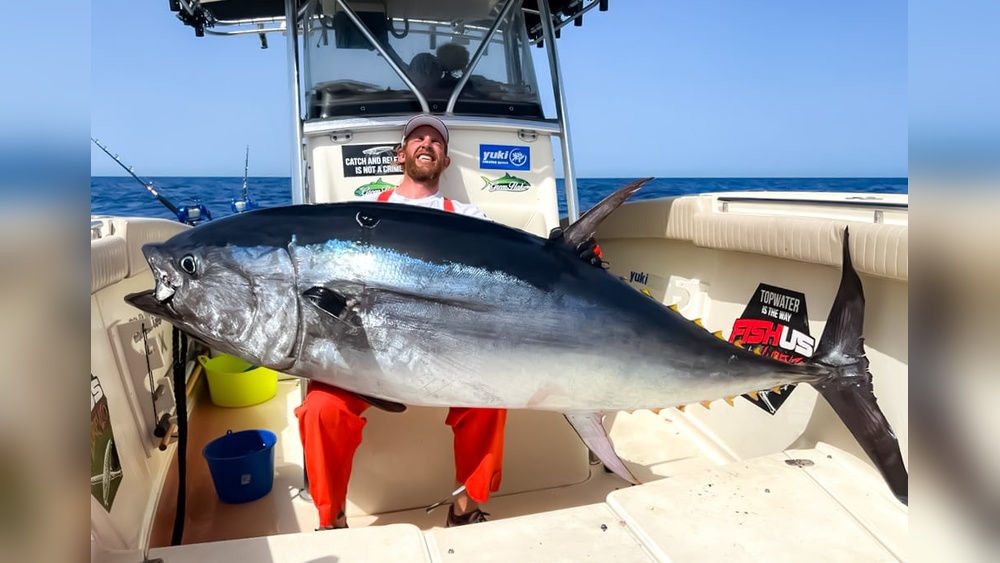
Tuna fishing is not just a hobby—it’s an adventure that attracts both passionate anglers and curious beginners. With stories of massive bluefin tuna and the thrill of battling a fish that can weigh hundreds of pounds, it’s easy to see the appeal.
But before you grab your gear and head out to sea, it’s important to understand what you’re really signing up for, especially when it comes to cost. Tuna fishing is exciting, but it can also be expensive. The price depends on many factors, from your location to the type of trip you choose.
If you’re wondering, “How much does it cost to go tuna fishing? ” this guide will break down every detail, so there are no surprises when you start your own tuna adventure.
Main Factors Affecting Tuna Fishing Costs
Many people are surprised by how much the total expense can vary. Several important factors shape the final price, and knowing them will help you plan better.
1. Type Of Tuna Fishing Trip
There are different ways to go tuna fishing, and each comes with its own cost structure.
- Charter trips: You pay a captain and crew for a private or shared trip.
- DIY (Do-It-Yourself): You use your own boat and gear.
- Party boats: You join a group on a larger vessel, paying per person.
Charter trips are usually the most expensive, but they offer full service and expertise. DIY fishing can be cheaper if you already have equipment, but startup costs are high. Party boats are more affordable, but less personal.
2. Location And Season
Where and when you fish makes a big difference.
- East Coast USA: States like Massachusetts and North Carolina are famous for bluefin tuna.
- West Coast USA: California is popular for yellowfin and bluefin.
- Other countries: Japan, Australia, and the Mediterranean offer unique experiences.
Peak season (when tuna are most active) usually means higher prices for charters and travel.
3. Length Of Trip
You can book tuna trips for a few hours or several days.
- Half-day (4-6 hours)
- Full-day (8-12 hours)
- Overnight or multi-day
Longer trips cost more, but they increase your chances of catching bigger tuna.
4. Group Size
Charters often have a base price for up to 4-6 people, with extra charges for each additional guest. Larger groups can split costs, making some trips more affordable per person.
5. Gear And Bait
Tuna fishing needs strong rods, reels, lines, and special bait. Some charters include everything. DIY fishers must buy or rent gear, which adds to the total cost.
6. Travel And Accommodation
If you don’t live near a tuna hotspot, you’ll need to budget for travel and lodging. Flights, hotels, meals, and transportation can sometimes cost more than the fishing trip itself.
7. Licenses And Permits
Most regions require a fishing license and, for tuna, sometimes an extra permit. Fees vary by state or country.
8. Tipping And Extras
It’s standard to tip the captain and crew (usually 15-20% of the trip cost). Also, factor in food, drinks, fish cleaning, and optional extras like photos or video.
Typical Tuna Charter Prices
To give you a clearer idea, let’s look at average prices for popular tuna charter trips in the United States.
| Trip Length | East Coast (USD) | West Coast (USD) | Group Size |
|---|---|---|---|
| Half-Day | $900 – $1,500 | $700 – $1,200 | Up to 6 people |
| Full-Day | $1,500 – $2,500 | $1,200 – $2,000 | Up to 6 people |
| Overnight | $2,500 – $5,000 | $2,000 – $4,000 | Up to 6 people |
These prices usually include the captain, crew, fuel, tackle, and bait, but not tips or fish cleaning. Multi-day trips (2-3 nights) can go beyond $7,000, especially in top locations or during prime season.
Cost Breakdown For A Tuna Fishing Trip
Understanding the details behind the total price will help you budget. Here’s a breakdown using a typical full-day charter for 4 people on the East Coast:
| Item | Estimated Cost (USD) |
|---|---|
| Charter Fee | $2,000 |
| Fishing License (per person) | $20 |
| Tuna Permit (per boat) | $50 |
| Tips (15%) | $300 |
| Travel & Hotel (per person, 1 night) | $250 |
| Meals & Drinks (per person) | $30 |
| Fish Cleaning (per fish) | $50 |
For a group of four, the total cost could be around $3,200–$3,500 for a one-day trip, including all the basics.
Gear And Equipment Costs
If you’re not using a charter’s gear, you’ll need to consider equipment costs. Tuna are strong fish, and you need tough gear.
Rods And Reels
- Heavy-duty rod: $150 – $400
- High-capacity reel: $200 – $800
Line And Leaders
- Braided line (500+ yards): $50 – $100
- Fluorocarbon leader: $25 – $60
Lures And Bait
- Artificial lures: $20 – $50 each
- Live bait: $20 – $100 per trip
Safety Gear
- Life jackets, harnesses: $50 – $200 each
Electronics (optional)
- Fish finder, GPS: $300 – $2,000
Outfitting just one person for DIY tuna fishing can easily reach $1,000–$2,500, and that does not include the boat.
Diy Tuna Fishing: True Costs
Some anglers want the full experience and try to fish for tuna on their own boat. This can save money in the long run, but the startup cost is high.
Boat Costs
- Used fishing boat: $20,000 – $100,000+
- Maintenance, fuel, insurance: $2,000 – $10,000 per year
Docking And Storage
- Marina fees: $2,000 – $8,000 per year, depending on location
Gear And Permits
- As covered above, $1,000+ for gear, plus permits and licenses.
If you only fish a few times a year, chartering is usually cheaper. Owning a boat makes sense for regular, passionate anglers.
Regional Differences In Tuna Fishing Costs
The price of tuna fishing changes depending on where you go.
United States (east Coast)
States like Massachusetts and North Carolina are famous for bluefin tuna. Charters here often cost more during summer. Expect $1,500–$3,000 for full-day trips.
United States (west Coast)
San Diego and other California cities are known for yellowfin, bluefin, and albacore tuna. Prices are similar to the East Coast, but there are more shared trips and party boats, which cost less per person.
Canada
In Prince Edward Island, giant bluefin tuna trips are special experiences, sometimes costing $2,500–$5,000 per day.
Australia And New Zealand
Charters in Portland (Australia) and Bay of Islands (New Zealand) can range from $1,200–$3,000 per day. Local rules sometimes restrict keeping the fish.
Mediterranean And Japan
Italy, Spain, and Japan have their own tuna seasons and pricing. Day trips usually start at $1,000 and can go higher, especially for trophy bluefin.
Tropical Destinations
Places like Mexico and Costa Rica offer yellowfin tuna trips. Prices are often lower ($800–$2,000 per day), but add travel costs.

Credit: lancefisherfishing.com
Party Boats And Shared Trips
If you want to save money, party boats and shared charters are a good option. Instead of booking the whole boat, you pay for a spot.
- Cost per person: $200 – $400 for a full day
- Group size: 10-30+ people onboard
You’ll share the boat with others, which means less fishing time per person and smaller chances of catching a trophy tuna. However, it’s a great way to try tuna fishing without a big investment.
Hidden And Unexpected Costs
Many beginners forget some costs that can add up quickly.
1. Fuel Surcharges
If fuel prices rise, some charters add a fee on top of the quoted price.
2. Fish Shipping
Catching a big tuna is exciting, but if you want to ship the meat home, it can cost $200 or more depending on size and distance.
3. Extra Bait And Tackle
Some charters include basic bait and tackle, but charge extra for special lures or live bait. Ask before you book.
4. Fish Mounting And Photos
Mounting a trophy tuna for your wall can cost $500–$2,000. Professional photos or video are also extra.
Tuna Fishing For Beginners: Saving Money
You don’t need to spend a fortune to try tuna fishing. Here’s how to save:
- Join a party boat: Great for first-timers; all gear is included.
- Book in groups: Split the cost with friends or family.
- Go during off-peak: Charters may be cheaper in shoulder seasons.
- Use local charters: Less travel means lower hotel and transport costs.
- Bring your own food and drinks: Some charters allow this, saving extra charges.
- Ask about included services: Make sure you know what’s covered (licenses, fish cleaning, tackle).
- Rent gear: If you want to try DIY, rent equipment instead of buying everything.
Is Tuna Fishing Worth The Cost?
This is a question many people ask after seeing the numbers. For most, the answer depends on their goals.
- If you love fishing and want to catch a powerful, prized fish, a tuna trip can be a once-in-a-lifetime memory.
- If you only care about bringing home cheap fish meat, buying tuna at the market is far less expensive.
- For those seeking adventure and a true test of skill, the price can be justified.
One non-obvious insight: Many charters practice catch and release, especially for large bluefin, due to regulations. Always ask if you can keep your catch before booking—rules change by region and season.
Another tip: Some charters offer “split” trips, where they match solo anglers with others. This way, you get a charter experience for less money.
Tuna Fishing Cost Comparison: Charter Vs. Diy
To help you see the difference between hiring a charter and doing it yourself, here’s a side-by-side look.
| Expense | Charter Trip | DIY (Own Boat) |
|---|---|---|
| Boat Purchase | Included | $20,000–$100,000+ |
| Captain/Crew | Included | N/A (your time) |
| Gear & Tackle | Included | $1,000–$2,500 |
| Fuel & Maintenance | Included | $2,000–$10,000/year |
| Licenses/Permits | $20–$70 | $20–$70 |
| Tips | 15–20% | N/A |
| Total (per trip) | $1,500–$3,500 | Highly variable |
Real-world Examples
Example 1: Group Charter In Massachusetts
- 5 anglers book a full-day bluefin trip in Cape Cod for $2,250.
- Licenses and gear are included.
- They tip the crew $350.
- Each stays one night in a hotel ($120 per person).
- Final cost per person: About $560.
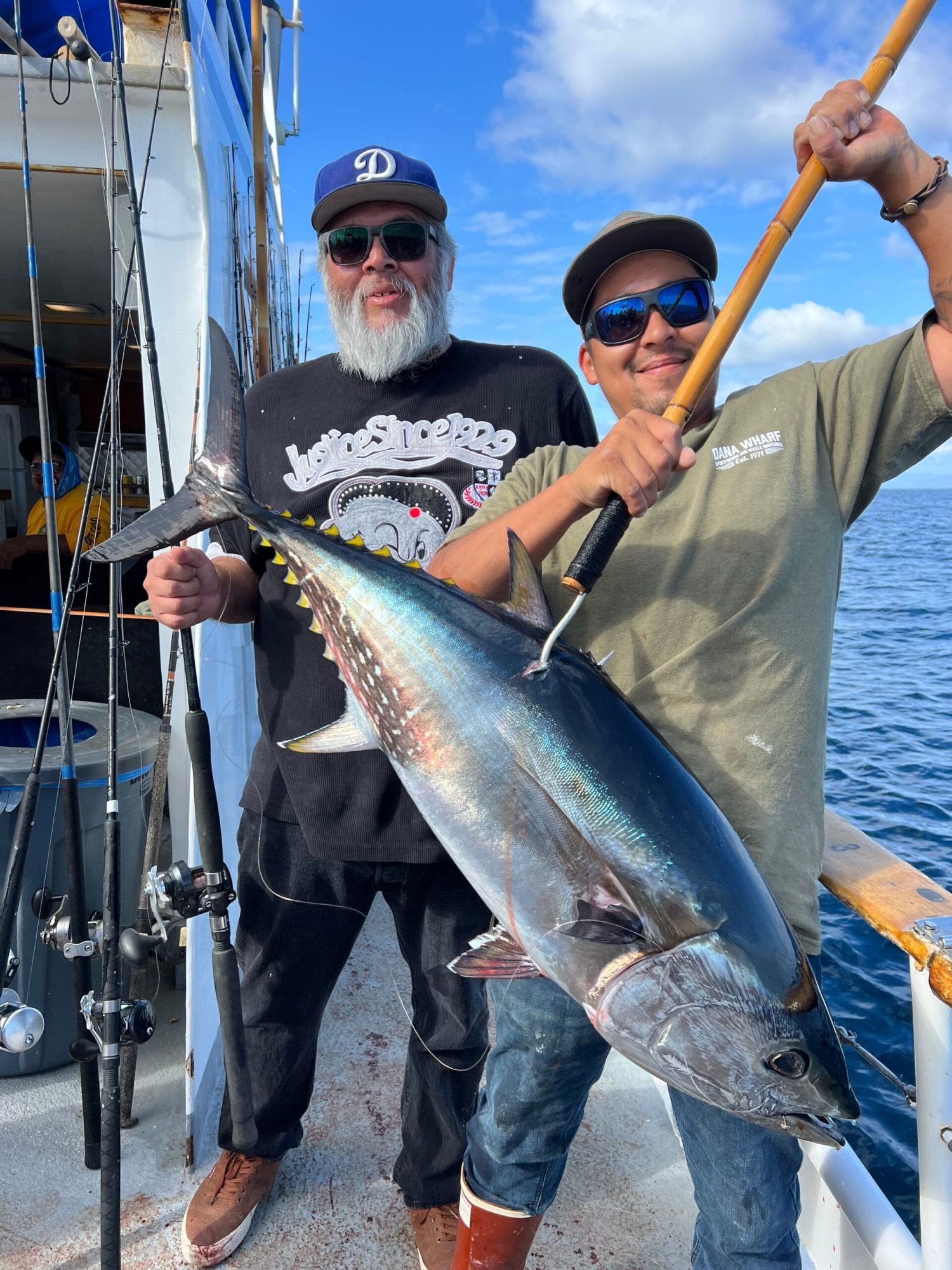
Example 2: Party Boat In California
- Solo angler pays $300 for a 12-hour trip out of San Diego.
- All gear, bait, and tackle included.
- No hotel needed; local angler.
- Total cost: $300 plus optional tip.
Example 3: Diy Tuna Fishing, Own Boat
- Angler owns a 25-foot boat (used, $35,000).
- Yearly marina/storage: $3,000.
- Gear: $1,800.
- Fuel per trip: $200.
- Trip cost is lower over time, but upfront investment is very high.
Credit: danawharf.com
Common Mistakes When Budgeting For Tuna Fishing
Many first-timers underestimate the costs. Here are mistakes to avoid:
- Ignoring tips: Crew tips are not optional; factor them into your budget.
- Forgetting travel and hotel: These can double the price if you’re coming from far away.
- Not checking what’s included: Some charters charge extra for gear, fish cleaning, or bait.
- Overestimating fish to take home: Many regions have strict limits, and large bluefin are often released.
- Thinking DIY is always cheaper: If you only fish a few times a year, charters are usually less expensive.
How To Choose The Right Tuna Fishing Trip
Picking the right trip depends on your budget, experience, and goals.
Ask These Questions:
- What type of tuna do you want to catch?
- How many people are in your group?
- Do you want a private or shared experience?
- Are you comfortable with rough seas and long days?
- Do you want to keep the fish or practice catch-and-release?
Pro Tips
- Read reviews of the charter company.
- Book early for prime dates and better prices.
- Confirm all fees and what’s included before sending a deposit.
Frequently Asked Questions
How Much Does It Cost To Go On A Tuna Fishing Charter?
A typical full-day tuna fishing charter in the U.S. costs between $1,500 and $2,500 for the boat, not per person. Shorter trips are less, and longer or multi-day trips can be more. Always ask what’s included in the price.
Can You Keep The Tuna You Catch?
In many places, you can keep tuna under certain rules, but some species (like large bluefin) may be catch-and-release only. Limits change by region and season. Always check with your charter and local laws before your trip.
Is It Cheaper To Join A Party Boat For Tuna Fishing?
Yes, joining a party boat or shared charter is much cheaper than booking a private charter. These trips usually cost $200–$400 per person and include all basic gear and bait.
Do I Need A Special License For Tuna Fishing?
Most regions require a fishing license, and some require a special tuna permit. These can cost $20–$70 per person or per boat. Many charters include permits in their price, but not always.
What Is The Best Time Of Year For Tuna Fishing?
The best time depends on location and tuna species. In the U.S., summer and early fall are peak seasons. For example, East Coast bluefin tuna run from June to October. Always ask your charter about peak times for your target species.
For more details on fishing regulations and seasons, you can check the official NOAA Recreational Fishing website.
Final Thoughts
Tuna fishing is a thrilling experience, but it’s important to go in with clear expectations about costs. Whether you’re booking a luxury charter, joining a party boat, or heading out on your own, plan your budget carefully. Remember to include all fees, tips, travel, and gear.
For most people, a charter trip offers the best mix of adventure and value, especially for beginners. If you fall in love with the sport, you can always invest in your own boat and equipment down the road. No matter what you choose, the thrill of hooking a powerful tuna will be a memory you never forget.

Credit: www.coastalfishing.com