
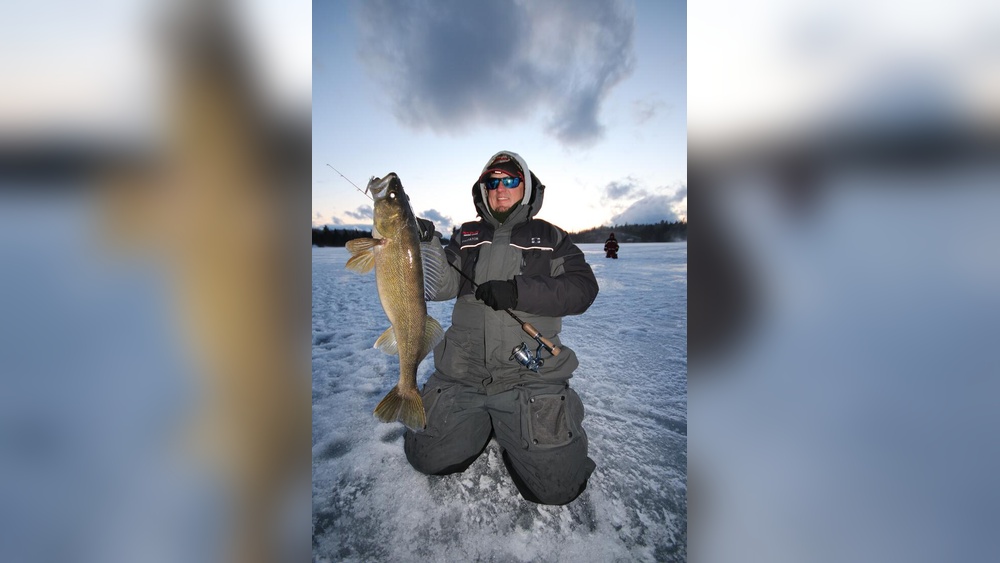
Walleye ice fishing is more than just a winter pastime; it’s a thrilling challenge that draws anglers to frozen lakes across North America. The excitement comes from both the fight of the fish and the puzzle of finding their hiding spots beneath the ice. Many new and even experienced anglers wonder: where exactly do you find walleye under ice? Knowing the answer can turn a cold, quiet day into a memory you’ll want to repeat every year.
Walleye are not random wanderers during the winter months. They follow clear patterns that change as the season moves from early to late ice. If you know where to look, you can dramatically increase your chances of catching these prized fish.
This article will guide you through the best locations, explain why walleye gather in certain places, and share tips that go beyond the basics. Whether you fish in Minnesota, Canada, or your local lake, you’ll find practical advice here to help you locate more walleye through the ice.
Understanding Walleye Behavior Under Ice
To find walleye, you need to think like a walleye. In winter, their world is darker, colder, and quieter. Walleye slow down, but they still need to eat and stay safe from predators. They follow food sources and use underwater structures for shelter.
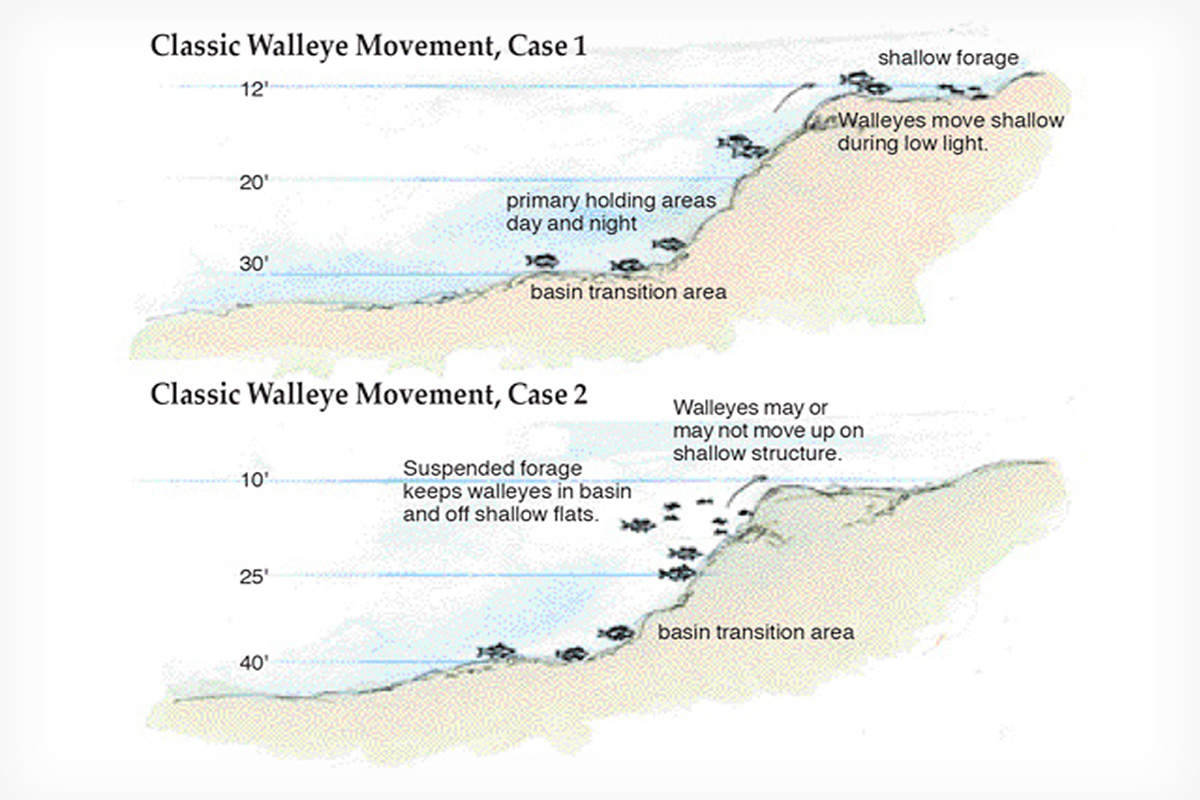
Walleye are often called “edge” fish. They like transitions—where one type of bottom changes to another, or where shallow water drops off into the deep. These areas attract baitfish, and walleye are never far behind. Early in the ice season, walleye are more active and often hunt in shallower water.
As winter deepens, they may move deeper or become more selective about when and where they feed.
Key Ice Fishing Locations For Walleye
Every lake is different, but some spots consistently produce walleye. Here’s what to look for:
1. Points
Points are pieces of land or rock that jut out into the water. Under the ice, these areas create natural highways for walleye. The change in depth attracts baitfish, and walleye move along these points, especially at dawn and dusk.
Look for points with a steep drop-off for the best results.
2. Underwater Humps And Reefs
Humps and reefs are higher spots on the lake bottom, often made of rock or gravel. Walleye use these as feeding grounds. The best humps are those surrounded by deeper water. During low light periods, walleye move up onto the top of the hump.
As the sun rises, they often drop back to the edges or base.
3. Breaklines And Drop-offs
A breakline is where the depth changes quickly. This could be a sharp slope from 10 feet down to 25 feet, for example. These are prime travel routes for walleye. They move up and down the break, hunting for minnows and other prey.
Early and late ice periods are the best times to fish these spots.
4. Weed Beds And Weed Edges
While many weeds die back in winter, some survive, especially in clear lakes. The edges of healthy weed beds can hold both baitfish and walleye. Early in the ice season, these spots are even more productive. Focus on the outside edge of the weeds, where the hard bottom meets softer mud.
5. River Channels
Many lakes have old river or creek channels running through them. These channels are deeper and often have softer bottoms. Walleye use them as highways, especially in the middle of winter when they seek out deeper, stable water. Look for bends in the channel or intersections with other structures.
6. Flats
Flats are large, relatively level areas of the lake bottom. Walleye often roam these areas at night, searching for food. The best flats are those close to deeper water or with a hard bottom like sand or gravel. Set up at the edge during daylight and move onto the flat at dusk.
7. Rock Piles
Rocks attract crayfish, minnows, and other walleye food. Even in winter, small rock piles on the lake bottom can be hotspots, especially if they’re near a drop-off or point. Use your electronics to find these hidden gems.
8. Mid-lake Structures
Some of the best walleye spots are far from shore. Underwater islands, saddles (low spots between two humps), and mid-lake reefs can be overlooked by casual anglers. These require a longer walk or snowmobile ride but often hold bigger, less-pressured fish.
9. Mud Bottoms
In late winter, walleye often shift to mud-bottom areas. These spots are rich with insects and larvae, an important winter food source. Mud flats near deeper water or at the base of a breakline are good places to try, especially during midday.
10. Inflow And Outflow Areas
Where streams or rivers enter or leave a lake, the moving water brings in oxygen and sometimes warms the area slightly. These spots can be walleye magnets, especially if the current is not too strong and the area is safe for ice travel.
Always check ice thickness carefully near moving water.
Early Ice Vs. Late Ice: How Location Changes
The first few weeks after freeze-up are known as “early ice. ” Walleye are hungry after the fall, and the oxygen levels are high throughout the lake. They’re more likely to be in shallower water, especially at dawn and dusk.
Focus on weed edges, points, and the tops of humps.
As winter goes on, the ice thickens, oxygen levels drop, and walleye activity slows. They may move deeper and become more selective about feeding. In late ice—just before the ice melts—the bite can pick up again. Walleye move back to shallower spawning areas and mud flats.
Understanding these movements helps you stay one step ahead.
Using Electronics To Find Walleye
Modern ice anglers have powerful tools. Fish finders and GPS units allow you to see the lake bottom and mark productive spots. Many units show depth changes, fish, and even the hardness of the bottom. If you’re serious about walleye fishing, learning to use these tools is a game changer.
Tip: Don’t just drill one hole and hope. Drill several holes along a break or point, checking each one for fish or bait activity. Move until you see signs of life, then settle in.
Example: Reading A Fish Finder
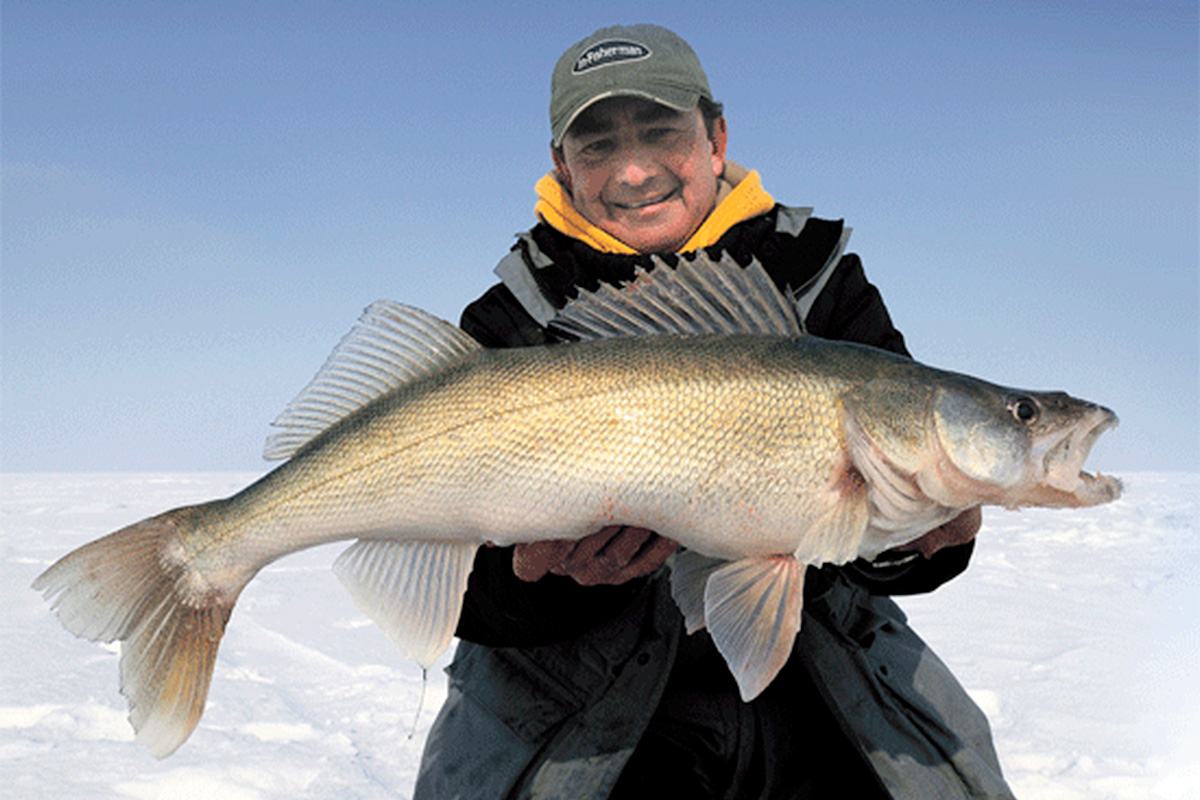
If your screen shows a hard bottom with small marks just above it, those could be walleye. If you see “arches” higher in the water column, those are often active fish. Watch for clouds of baitfish—walleye are usually close by.
Credit: www.in-fisherman.com
Best Walleye Ice Fishing Lakes In North America
Certain lakes stand out for their walleye populations and ice fishing opportunities. Here are a few top destinations:
1. Lake Of The Woods (minnesota/ontario/manitoba)
Known for huge numbers of walleye and easy access, this massive lake offers classic structure: points, reefs, and flats.
2. Mille Lacs Lake (minnesota)
Famous for its mid-lake humps and reefs, Mille Lacs is a top choice for consistent action and trophy fish.
3. Lake Erie (ohio/pennsylvania/new York/ontario)
The western basin is a walleye factory, with giant fish and plenty of room to spread out.
4. Green Bay (wisconsin)
This part of Lake Michigan freezes solid and offers world-class walleye fishing, especially on shallow reefs.
5. Devils Lake (north Dakota)
With flooded timber, structure, and active fish, Devils Lake is a must-visit for serious ice anglers.
6. Bay Of Quinte (ontario)
Known for big walleye, the Bay is a late-season hotspot with deep water and mud flats.
7. Winnipeg River System (manitoba)
This river-lake system produces big numbers and big fish, especially near current areas.
Walleye Depth Guide By Season
To help you target the right depth, here’s a quick reference for walleye location throughout the ice fishing season:
| Season | Best Depth (ft) | Prime Locations |
|---|---|---|
| Early Ice | 8-15 | Weed edges, points, shallow flats |
| Mid-Winter | 18-30 | Breaklines, humps, deeper reefs |
| Late Ice | 10-18 | Mud flats, near spawning areas |
Credit: www.in-fisherman.com
How To Identify Prime Walleye Spots On A New Lake
If you’re fishing a new lake, it can be hard to know where to start. Here are steps to quickly narrow down the search:
1. Get A Lake Map
Look for maps that show depth contours. Mark areas where the depth changes quickly, and note any mid-lake humps or channels.
2. Talk To Locals
Bait shops and local anglers know the current hot spots. Don’t be shy—ask for advice.
3. Check Recent Reports
Many fishing forums and websites post weekly ice conditions and bite reports.
4. Drill Test Holes
Don’t sit in one spot all day. Move around, checking different depths and structures until you find fish.
5. Watch For Pressure
If you see several groups of anglers in one area, they’re probably onto something. But don’t crowd them—give space and try nearby structures.
Weather, Ice Safety, And Walleye Location
Weather has a big impact on walleye location and activity. Here’s what to watch for:
- Stable Weather: Consistent weather patterns often lead to more predictable fishing. Walleye stay in regular locations and feed at expected times.
- Cold Fronts: After a sharp drop in temperature, walleye may become less active and move deeper.
- Snow Cover: Thick snow blocks sunlight, which can push walleye deeper. If the ice is clear, they might stay shallower during the day.
- Ice Thickness: Early ice is usually safer in bays and shallows, but always check thickness. Stay off rivers and inflows until you’re sure of the ice.
Insight: In very clear lakes, walleye may avoid shallow water during bright days. Fish deeper or during low light. In stained or murky water, they often stay shallower all day.
Credit: www.mossyoak.com
How Structure And Bottom Type Affect Walleye
Walleye are drawn to certain bottom types for food and comfort. Here’s a look at how different lake features help you find more fish:
| Bottom Type | Why Walleye Like It | Best Time to Fish |
|---|---|---|
| Rock/Gravel | Holds baitfish, crayfish, and has structure | Early and late ice |
| Sand | Good for night feeding, often near drop-offs | Night, early ice |
| Mud | Insects and larvae; walleye move here in late winter | Late ice, midday |
Non-obvious Tips For Locating More Walleye
Many anglers overlook these advanced tactics:
- Check Secondary Breaks: Most people fish the main drop-off. But the second, more subtle break farther out often holds bigger, less-pressured fish.
- Look for Isolated Rocks or Weeds: One lone rock or patch of green weeds on a flat can attract a surprising number of walleye.
- Fish the Windblown Side: Before freeze-up, wind pushes baitfish to one side of the lake. Walleye often stay close to these areas all winter.
- Move Often: If you don’t get bites in 30 minutes, try another nearby spot. Walleye rarely come to you—you must find them.
Common Mistakes When Searching For Walleye
Even experienced ice anglers make these errors:
- Ignoring Subtle Structure: Not every productive spot is marked by a big reef or point. Use your electronics to find small changes in depth or bottom hardness.
- Fishing Too Shallow or Deep: In mid-winter, many anglers either stay too shallow or go too deep. Walleye may be in-between, right on the breakline.
- Not Adjusting to Light Conditions: Walleye move shallower at dusk and dawn. If you fish only during bright hours, you’ll miss the best bite.
- Using Old Data: Lake conditions change. Last year’s hotspot may be dead this year. Always scout for current fish locations.
- Not Checking Ice Safety: Moving water, springs, or pressure ridges can make ice unsafe—even if other parts of the lake are solid. Always check as you go.
Local And Regional Differences
Not all lakes are the same. In the northern U. S. and Canada, deep, clear lakes often have classic walleye structure—points, reefs, and steep breaks. In more southern or stained-water lakes, walleye may stay shallower and relate more to weeds or wood.
River systems are a special case. Walleye in rivers use current breaks, eddies, and deeper holes. They often gather below dams or at the mouths of tributaries. The best river ice fishing happens where the current slows but still brings in fresh oxygen and food.
Day Vs. Night: When And Where To Fish
Walleye are known as low-light feeders. The best times are usually right before sunrise and just after sunset. However, they can be caught during the day—especially in cloudy, snowy weather or in stained water. At night, focus on shallower flats and weed edges.
During the day, concentrate on deeper structure.
Practical tip: Bring a headlamp or lantern for night fishing, but keep lights low to avoid spooking the fish.
Comparing Popular Walleye Spots
Here’s a quick comparison of three classic walleye ice fishing spots:
| Spot | Best Time | Depth Range (ft) | Key Reason |
|---|---|---|---|
| Point | Dawn, dusk | 10-20 | Travel route, baitfish |
| Hump/Reef | Early morning, late afternoon | 15-30 | Feeding area, structure |
| Mud Flat | Midday, late winter | 12-20 | Bug hatches, larvae |
How To Stay Safe While Searching For Walleye
Never put your catch ahead of your safety. Always check ice thickness—at least 4 inches for foot traffic, 5-7 for snowmobiles or ATVs. Wear ice picks and carry a rope. Stay away from pressure cracks, springs, and moving water.
Insider tip: Early and late ice periods are especially risky. Always fish with a partner, and have a floatation device close by.
Linking To More Resources
To learn more about walleye habits and ice fishing safety, consider visiting the official Minnesota DNR Walleye page, which offers up-to-date information on regulations and conservation.
Frequently Asked Questions
What Is The Best Depth To Find Walleye Under Ice?
Walleye often start shallow (8-15 feet) in early ice and move deeper (18-30 feet) as winter progresses. In late ice, they return to shallower areas, especially mud flats near spawning grounds.
Can You Catch Walleye During The Day Or Only At Dawn And Dusk?
While dawn and dusk are the best times, you can catch walleye during the day—especially in stained water or on cloudy, snowy days. In clear lakes, try deeper water during daylight.
Are Electronics Necessary For Finding Walleye While Ice Fishing?
Electronics like fish finders are not required, but they dramatically improve your chances. They help you see depth changes, spot fish, and find bait. Even a basic sonar unit can make a big difference.
Is It Safe To Fish Near River Inflows And Outflows?
These areas can hold more walleye, but ice can be thinner and less stable. Always check ice thickness and avoid fast current areas unless you are experienced and sure about the safety.
How Do I Know If I’m On A Good Walleye Spot?
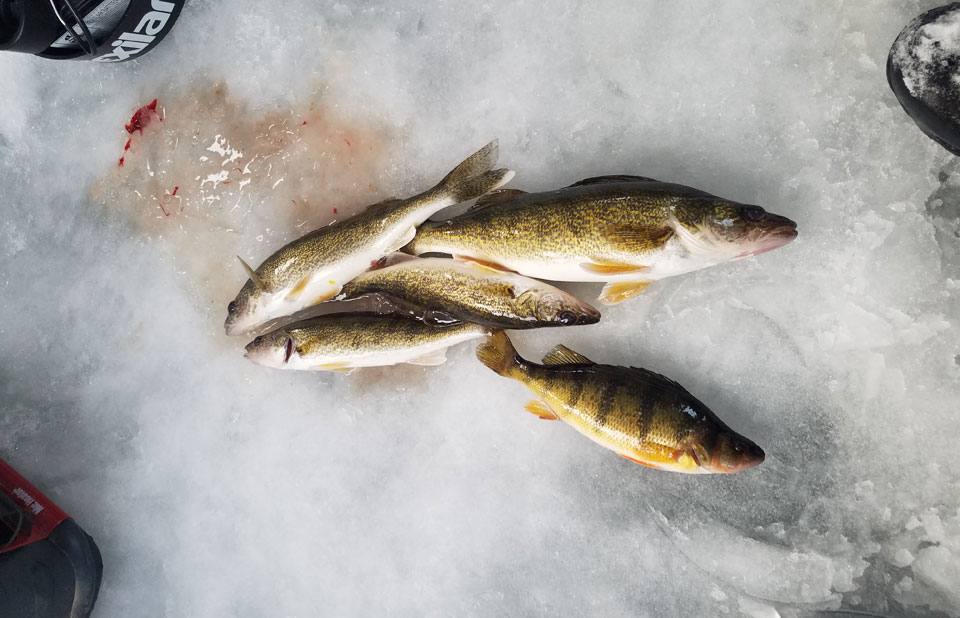
Signs of a good spot include seeing baitfish on your sonar, catching perch or smaller fish, or noticing fish marks near the bottom. If you don’t see signs after 30-45 minutes, move to a new location.
Ice fishing for walleye is a blend of skill, knowledge, and adaptability. By understanding how these fish move and where they like to hide, you can enjoy more success—and bigger catches—on the ice. Stay safe, keep learning, and every trip can teach you something new about finding walleye under the ice.