Braided Fishing Line Vs Monofilament: A Complete Guide For Anglers
Choosing the right fishing line can change everything about your fishing day. Many anglers—both beginners and experienced—often ask the same question: Should I use braided line or monofilament? The answer isn’t simple, because both types have strengths, weaknesses, and unique uses. If you’ve ever wondered which fishing line works best for your needs, this guide will give you everything you need to know, even if you’re just starting out.
Both lines have been around for decades and have strong supporters. Some anglers refuse to use anything but monofilament for certain fish, while others swear by braid for tough battles. But what really matters isn’t tradition—it’s how each line performs, where you fish, and how you like to fish. Understanding the real differences, not just the marketing, helps you avoid wasted money and missed catches.
Let’s break down the facts, bust the myths, and help you choose the right line for your next fishing adventure.
What Is Monofilament Fishing Line?
Monofilament, often called “mono,” is one single, continuous strand of nylon or similar polymer. It’s been the most popular line for decades, especially in freshwater fishing.
Key features:
- Affordable: Usually cheaper than braid or fluorocarbon
- Stretches: Absorbs shock from hard-hitting fish
- Easy to tie knots: Knots hold well and are less likely to slip
- Floats: Good for topwater lures
Common uses:
- Bass, trout, walleye, panfish
- Topwater and floating lures
- Fishing in clear or lightly stained water
Monofilament is known for its versatility and forgiveness, especially for beginners. If you’re just starting to fish, it’s hard to go wrong with mono.
What Is Braided Fishing Line?
Braided line is made from several strands of synthetic fibers, like Dyneema or Spectra, woven together. This makes a super-strong, thin line.
Key features:
- Higher strength: Much stronger than mono of the same diameter
- Very low stretch: Almost no give, so you feel everything
- Thin diameter: Lets you put more line on your reel
- Lasts long: Resistant to sun and water damage
Common uses:
- Heavy cover, thick weeds, or deep water
- Saltwater fishing
- Targeting big fish like pike, muskie, or offshore species
Braided line is popular for advanced anglers who need extra power, sensitivity, and line capacity.
Main Differences Between Braided And Monofilament Line
Let’s get straight to what makes these two lines different. Here are the most important factors you should know:
| Feature | Monofilament | Braided Line |
|---|---|---|
| Material | Nylon or similar polymer | Woven synthetic fibers |
| Stretch | High (15-25%) | Very low (<3%) |
| Diameter (20lb test) | 0.38 mm (typical) | 0.23 mm (typical) |
| Visibility | Low (clear in water) | High (easily seen by fish) |
| Buoyancy | Floats | Sinks slowly |
| Cost | Low | Medium to high |
| Knot strength | Very good | Can slip, needs special knots |
| Durability | Can weaken with UV, absorbs water | Resists UV, water, abrasion |
Strength And Durability
Breaking Strength
Braided line is famous for its high breaking strength compared to monofilament of the same thickness. For example, a 20lb braided line may have the same diameter as 6lb monofilament. This lets you spool more line or use heavier line without losing casting distance.
Monofilament has lower breaking strength but is more forgiving. It stretches when a fish surges, which can prevent the line from snapping.
Abrasion Resistance
This is where things get tricky. Many people think braid is always tougher, but it’s not so simple. Monofilament can handle rough rocks, wood, and other underwater obstacles better than you might expect. Braided line is strong but can be cut quickly by sharp objects if it rubs against them under tension.
Non-obvious insight: In heavy cover (like lily pads), braid slices through vegetation better. But around barnacles, rocks, or sharp metal, mono can sometimes outlast braid.
Longevity
Braided line lasts much longer than monofilament. Monofilament weakens when exposed to sunlight (UV) and water over time. Braid keeps its strength for years if you store it properly.
Sensitivity And Stretch
Sensitivity
Braided line has almost no stretch. This means you can feel every nibble, bump, or tap on your bait. If you fish deep water or need to feel the bottom, braid gives you the best feedback.
Monofilament stretches a lot. That means you might miss light bites, especially at long distances. However, the stretch can help you keep a fish hooked if it makes a sudden run.
Shock Absorption
Monofilament’s stretch acts as a shock absorber. If a big fish hits hard, the line stretches instead of snapping or pulling the hook out. This is why many anglers use mono when casting lures to aggressive fish.
Braided line has almost no give. If you set the hook too hard or a fish makes a sudden move, the line can snap or pull the hook free unless your drag is set perfectly.
Non-obvious insight: Some anglers use a short piece of monofilament or fluorocarbon leader with braid to add shock absorption and reduce visibility.
Visibility In Water
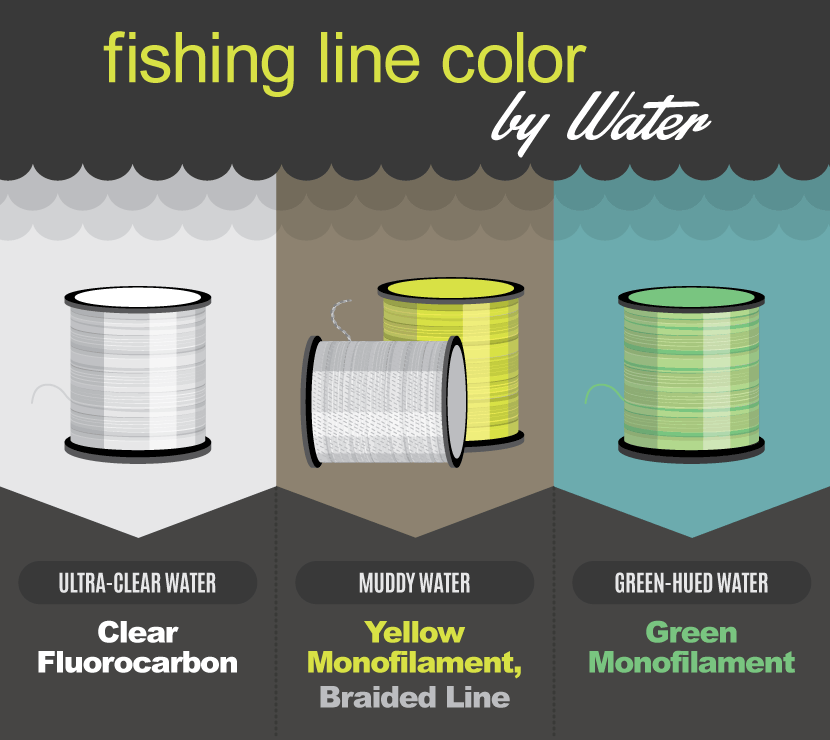
Monofilament is usually clear or lightly colored, making it hard for fish to see. This is useful in clear water where fish are shy.
Braided line is much more visible. Even “low-vis green” or “smoke” braid stands out underwater, especially in clear lakes or rivers. Fish can spot it, which may reduce bites from cautious species.
Tip: If you want the power of braid but need to hide your line, tie on a monofilament or fluorocarbon leader. This way, fish only see the nearly invisible leader near your bait.
Knot Tying And Knot Strength
Monofilament is easy to knot. Standard knots like the improved clinch, Palomar, or uni knot work well and hold strong. The stretch and texture of mono “bite” into itself, making knots less likely to slip.
Braided line is slick and smooth. Regular knots can slip or come undone if not tied correctly. Braided line works best with knots like the double Palomar or the Berkley Braid Knot. Pull knots tight and check them carefully before casting.
Pro tip: Always wet your knots before tightening to reduce friction and prevent damage to the line.
Casting Distance And Performance
Braided line’s thin diameter means less friction on the reel and guides. This usually results in longer casts, especially with lighter lures. You can cast farther and reach deeper water easily.
Monofilament is thicker and heavier for the same strength, which can slightly reduce your casting distance. But for many fishing situations, this difference is small unless you’re making long casts or using tiny lures.
Practical example: Surf anglers often prefer braid for longer casts. Bank and pier anglers may not notice the difference unless casting to distant structure.
Line Memory And Handling
Monofilament develops “memory,” meaning it holds the shape of your reel spool, especially if left on for a long time. This can cause loops, tangles, and “bird’s nests. ”
Braided line has almost zero memory, so it comes off the spool smoothly and resists tangling. However, if it does tangle, knots can be harder to pick out compared to mono.
Tip: If you notice coils in your monofilament, stretch out the line or replace it to prevent tangles.
Buoyancy And Sinking Rate
Monofilament floats, making it perfect for topwater lures, bobbers, or fishing just below the surface. It’s also useful for live bait fishing where you don’t want the bait to sink quickly.
Braided line usually sinks slowly. It’s good for deep-water fishing, bottom rigs, or fishing with heavy lures. If you need your bait to sink fast, braid is a better choice.
Non-obvious insight: If you want a sinking line with more invisibility, fluorocarbon is sometimes used as a leader or main line.
Cost And Value
Monofilament is the most affordable fishing line. A 300-yard spool can cost less than $10 for most brands. This makes it easy to replace often, which is important because mono weakens with time.
Braided line is more expensive—sometimes double or triple the price of mono for the same length. However, it lasts much longer, so you might save money in the long run.
Practical tip: Many anglers fill most of the reel with cheap monofilament “backing” and put 50–100 yards of braid on top. This saves money while giving you the benefits of braid.
When To Use Monofilament
Monofilament is best when you need:
- Shock absorption: Fighting fast, hard-hitting fish
- Stealth: Fishing in clear water for shy fish
- Floating lures: Topwater plugs or bobbers
- Easy knot tying: Beginners or quick rig changes
- Low cost: If you change line often
Common fish and situations:
- Bass fishing with topwater lures
- Trout fishing in clear streams
- Walleye and panfish in lakes
- Beginners learning to cast and tie knots
When To Use Braided Line
Braided line is best when you want:
- Maximum strength: Pulling fish out of heavy weeds or cover
- High sensitivity: Feeling light bites or bottom structure
- Long casts: Thin diameter means more distance
- Small reels, big fish: More line fits on the spool
- Durability: Fishing saltwater or heavy use
Typical uses:
- Heavy cover bass fishing (frogs, jigs)
- Saltwater inshore and offshore fishing
- Deep water fishing (vertical jigging, bottom fishing)
- Surf casting for maximum distance
Practical Examples
Bass Fishing In Heavy Cover
Anglers often face thick lily pads or submerged timber. In these spots, bass can wrap your line around obstacles. Braided line (50–65lb) cuts through weeds and gives you the power to pull fish out. If you use mono, it might snap or stretch too much, letting the fish escape.
Trout Fishing In Clear Streams
Trout are known for their sharp eyesight and cautious behavior. Monofilament (4–8lb) is nearly invisible and stretches to absorb sudden runs. Braided line is too visible and may spook these fish.
Surf Fishing For Distance
Casting a heavy lure or bait from the beach requires reaching sandbars or deeper water. Braided line (20–30lb) is thin, so you can cast farther and hold more line. You can also feel bites at long distances.
Catfish And Big Game
Fighting large catfish or saltwater species demands strong, abrasion-resistant line. Many anglers use braided line for power but add a monofilament leader to reduce visibility and add shock absorption.
Credit: www.reelcoquinafishing.com
Common Mistakes To Avoid
- Using braid without a leader in clear water: Fish may see the line and refuse to bite. Always use a clear leader.
- Tying the wrong knot with braid: Standard knots can slip; learn braid-specific knots.
- Ignoring drag settings: With braid, a tight drag can snap the line or pull hooks. Adjust your drag for the no-stretch line.
- Not replacing monofilament often: Old mono weakens quickly. Change it every few months, especially if exposed to sun or water.
- Filling the spool with only braid: Braid can slip on a bare spool. Use a few wraps of mono as backing to prevent slipping.
Environmental And Maintenance Considerations
Environmental Impact
Monofilament takes hundreds of years to break down and can be dangerous to wildlife if left in the water. Always dispose of old line properly.
Braided line is also not biodegradable, but because it lasts longer, you may use less over time. Both types should be recycled when possible.
Maintenance
- Monofilament: Replace often, especially after heavy use or exposure to sunlight.
- Braided line: Check for fraying or color loss. It can last for years, but always check for weak spots after catching big fish.
Credit: www.northlandtackle.com
Popular Brands And Product Examples
Some brands have built their reputations on quality fishing line. Here are a few examples:
- Monofilament: Berkley Trilene, Stren Original, Sufix Elite
- Braided line: PowerPro, Sufix 832, SpiderWire Stealth
Each brand offers different strengths, colors, and spool sizes. Try a few to find what works best for your style of fishing.
Real-world Data Comparison
To help you see the numbers, here’s a side-by-side look at common 20lb lines:
| Brand | Type | Diameter (mm) | Breaking Strength (lb) | Average Cost (300 yards) |
|---|---|---|---|---|
| Berkley Trilene XL | Monofilament | 0.41 | 20 | $9 |
| PowerPro | Braided | 0.23 | 20 | $19 |
| Sufix Elite | Monofilament | 0.40 | 20 | $10 |
| Sufix 832 | Braided | 0.20 | 20 | $21 |
As you can see, braid is thinner and more expensive for the same strength.

Credit: www.youtube.com
Making The Right Choice For You
Choosing between braided fishing line and monofilament is not just about the numbers. It’s about your fishing style, target species, and the water you fish. Here’s a quick guide:
- Beginners: Start with monofilament. It’s easier to handle, tie, and less expensive.
- Heavy cover or big fish: Use braid with a leader. You need strength and sensitivity.
- Clear water: Mono or braid with a long mono leader helps fool wary fish.
- Topwater lures: Mono floats and absorbs shock, making it ideal.
- Deep water or long casts: Braid offers better sensitivity and distance.
If you fish often, you’ll probably use both lines in different situations. Many experienced anglers keep two rods ready—one with braid, one with mono—so they’re prepared for anything.
Frequently Asked Questions
What Is The Main Advantage Of Braided Line Over Monofilament?
The biggest advantage of braided line is its high strength and sensitivity for a thin diameter. You can fit more line on your reel and feel every bite or bottom change. This is especially useful for fishing in heavy cover or deep water.
Does Monofilament Or Braid Cast Farther?
In most cases, braided line casts farther than monofilament. Its thinner diameter creates less friction with the guides and air, helping your lure go further. However, casting skill, rod, and lure weight also play important roles.
Which Line Is Better For Beginners?
Monofilament is better for most beginners. It’s easier to tie knots, less likely to slip, and forgiving if you make mistakes. It also costs less, so you can replace it often while learning.
Is Braided Line More Visible To Fish?
Yes, braided line is usually more visible underwater, especially in clear water. To reduce visibility, use a clear monofilament or fluorocarbon leader between your braid and the hook.
How Often Should I Replace My Fishing Line?
Replace monofilament every 3–6 months if you fish often, or at least once a year. Braided line can last 2–3 years if you check for fraying or damage. Always replace your line if it feels rough or looks faded.
For more technical details on fishing lines, visit the Wikipedia Fishing Line page.
Choosing the right line is a key skill for every angler. Now, you have the facts and practical advice to pick the line that matches your fishing style. Enjoy your time on the water—and may your next fish be your best yet!