Fly fishing is often seen as an art, a tradition passed down through generations, and a unique way to connect with nature. But beyond the romance, many people ask a simple question: Is fly fishing more effective than other fishing methods? If you are new to fishing or curious about why some anglers swear by fly fishing, you probably want a clear answer—not just opinions or myths.
This guide will give you a deep look at the effectiveness of fly fishing. You’ll learn what makes this technique special, how it compares to other popular fishing styles, and when it truly shines. We’ll cover the science, the practical realities, and the common mistakes people make when judging fly fishing.
By the end, you’ll have a clear, balanced view on whether fly fishing is the right choice for your fishing goals.
What Is Fly Fishing?
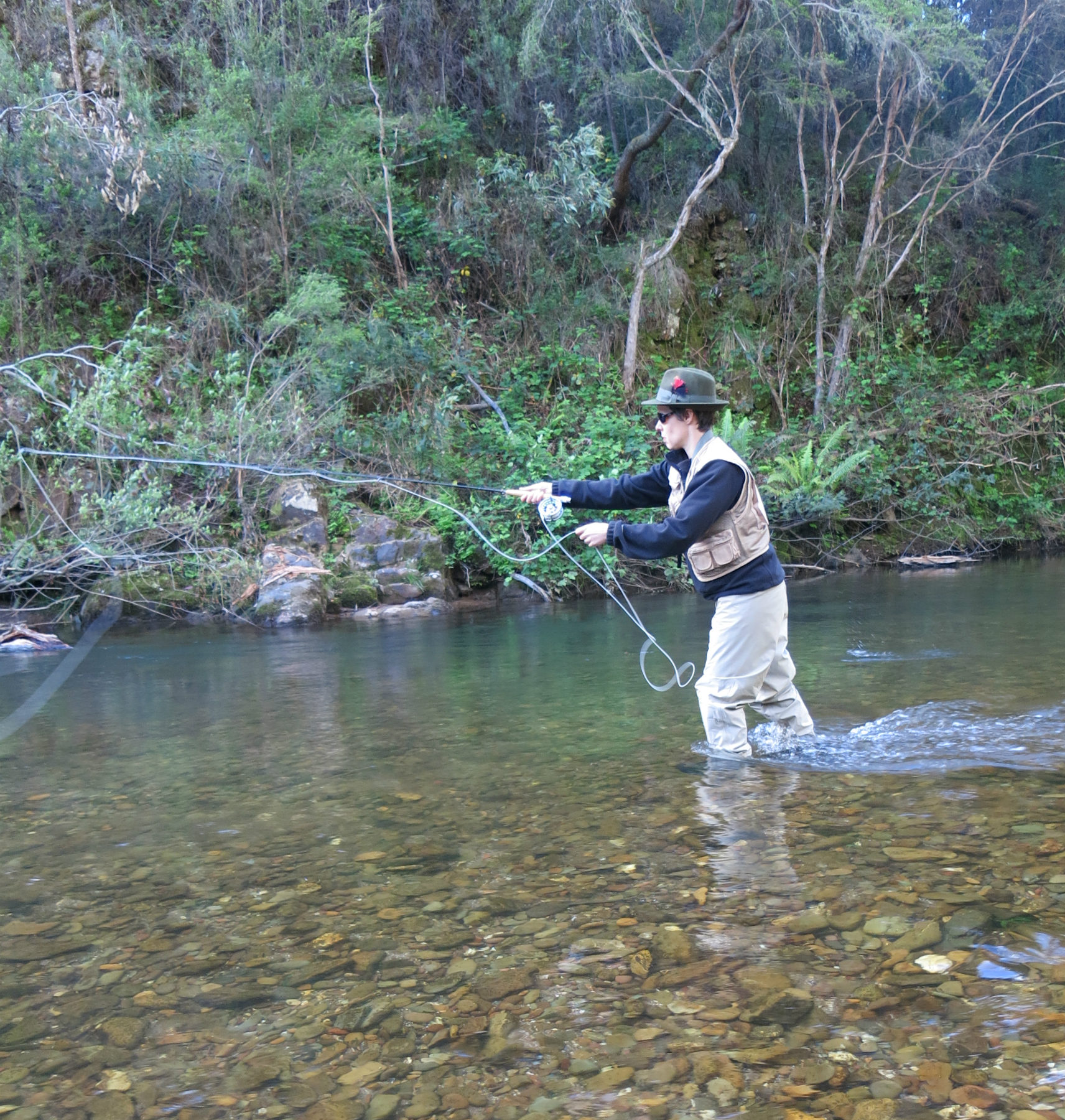
Fly fishing uses a lightweight artificial fly as bait, a special flexible rod, and a unique casting technique. Unlike traditional fishing, the fly is almost weightless. The weight of the line, not the lure, is used to cast the fly. This method allows anglers to present very small, delicate flies on the water, mimicking insects or small creatures that fish naturally eat.
Fly fishing can be done in both freshwater and saltwater. It is commonly used for trout, salmon, bass, and even some saltwater species like bonefish and tarpon.
The Science Behind Fly Fishing Effectiveness
Most people think fly fishing is only about tradition or style, but there’s real science supporting its effectiveness in certain situations.
- Fish Feeding Habits: Many fish, especially trout and salmon, feed on insects that live on or near the water’s surface. Fly fishing allows you to closely imitate these insects, triggering natural feeding behavior.
- Presentation: A fly lands softly on the water, avoiding spooking fish. This gentle presentation often convinces cautious fish to bite.
- Versatility: With different fly patterns, you can imitate insects, small fish, or even crustaceans. This flexibility lets you adjust to changing fish diets.
Scientific studies show that matching the hatch (using flies that mimic current insect activity) can increase catch rates by up to 30% compared to using random baits. Fly anglers also report higher success in clear, slow-moving waters where fish are easily scared.
Comparing Fly Fishing To Other Methods
To really understand if fly fishing is more effective, it helps to compare it to other common fishing styles. Each method has strengths and weaknesses.
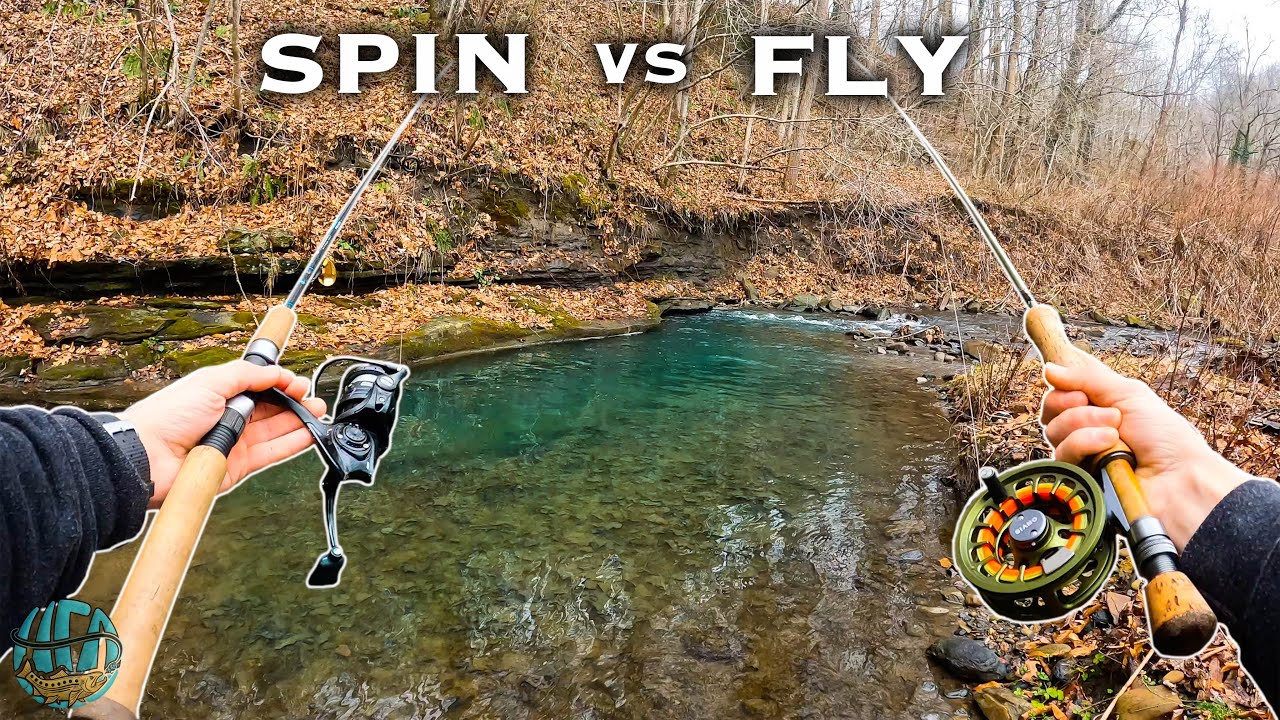
Fly Fishing Vs. Spin Fishing
Spin fishing uses a spinning reel and heavier lures. It is the most popular fishing style worldwide.
| Feature | Fly Fishing | Spin Fishing |
|---|---|---|
| Best for | Surface-feeding, cautious fish | Wide range of species, deeper water |
| Presentation | Delicate, natural | Louder, splashier |
| Learning curve | High | Low |
| Distance | Short to medium | Medium to long |
Key insight: In clear, shallow, or heavily fished waters, fly fishing often outperforms spinning. In deep or murky water, spinning may catch more fish.
Fly Fishing Vs. Bait Fishing
Bait fishing uses live or dead natural bait. It is especially popular for beginners.
| Feature | Fly Fishing | Bait Fishing |
|---|---|---|
| Target species | Trout, salmon, bass, some saltwater | Almost all fish species |
| Cost | Higher (gear & flies) | Lower (simple gear) |
| Messiness | Clean | Messy (live bait) |
| Catch rate | High for selective fish | High for hungry or less selective fish |
Key insight: If you’re fishing for species that eat small insects or are “picky,” fly fishing can outperform bait. For fish that eat anything, bait fishing is hard to beat.
Fly Fishing Vs. Trolling
Trolling involves dragging lures behind a moving boat. It’s common in large lakes and saltwater.
- Coverage: Trolling covers more water, better for big, open spaces.
- Species: Best for larger, open-water fish like salmon, pike, or walleye.
- Skill: Less active, more about boat control.
Key insight: Fly fishing is not as effective in deep or open water where fish are not near the surface.
When Fly Fishing Is More Effective
Fly fishing is not always the best choice, but there are situations where it clearly has an edge.
1. Clear, Shallow Water
Fish can see everything above and below the water. They get scared easily. A light fly lands softly and looks like a real insect. This can fool fish that ignore heavier lures.
2. When Fish Are Feeding On Insects
During a “hatch” (when insects emerge from the water), fish focus on one food source. A fly that matches the hatch can outfish all other baits.
3. For Spooky Or Pressured Fish
Heavily fished waters make fish cautious. Spin and bait methods often scare them. Fly fishing’s gentle touch and subtle flies can convince these fish to bite.
4. Sight Fishing
In clear rivers or flats, you can see the fish. Fly fishing lets you cast directly to them with accuracy, often resulting in more strikes.
5. Small Streams And Creeks
Fly rods are perfect for small waters where casting distance is short, and precise presentation matters. Spinning gear can be too bulky here.
6. Catch-and-release Fishing
Fly hooks are usually smaller and cause less damage, making it easier to release fish alive and healthy.
When Fly Fishing Is Less Effective
No fishing style is best all the time. There are clear limits to fly fishing’s effectiveness.
1. Deep Water
Fly lines and flies are light. Reaching fish deep in lakes or fast rivers is hard, unless you use heavy “sinking lines,” which are less common and harder to use.
2. Strong Wind
Wind can ruin fly casts, blowing your line off target. Spin fishing handles wind much better.
3. Large, Aggressive Predators
Big fish like pike or musky often ignore flies unless they’re large, heavy, and difficult to cast.
4. Dirty Or Murky Water
Fly fishing works best when fish can see. In muddy water, lures with sound or vibration (like spinners) are often more effective.
5. Night Fishing
Fly fishing is more difficult in the dark because you can’t see your line or fly. Other methods work better at night.
Skills And Learning Curve
Fly fishing is known for its steeper learning curve. Many beginners give up before seeing success.
- Casting: You need to learn special casting techniques. Bad casting means poor fly presentation and fewer bites.
- Reading water: Fly anglers must learn to spot where fish are feeding, what insects are active, and how currents affect the fly.
- Knot tying: Flies are tiny. You must tie strong, small knots. This can be hard for beginners.
But with practice, fly fishing becomes second nature. Many who start with spinning or bait fishing find fly fishing more rewarding in the long run.
Non-obvious insight: Many beginners focus only on casting. But fly fishing is 70% about reading water and understanding fish behavior, not just casting skill.
Credit: drifthook.com
Fly Selection: The Key To Success
Choosing the right fly makes a big difference. There are thousands of fly patterns, but they all fall into three main types:
- Dry Flies: Float on the surface. Used when fish are taking insects from the top.
- Nymphs: Imitate insect larvae under the water. Effective for fish feeding below the surface.
- Streamers: Look like small fish or leeches. Used for bigger, aggressive fish.
Picking the right fly means matching local insects and observing what fish are eating. Experienced anglers often carry dozens of fly types for different conditions.
Non-obvious insight: Sometimes, changing fly size is more important than changing color or pattern. Downsizing your fly can trigger strikes from cautious fish.
Gear Comparison: Fly Fishing Vs. Other Methods
Choosing the right gear is part of being effective. Here’s how fly fishing gear compares to other setups:
| Gear Type | Fly Fishing | Spin/Bait Fishing |
|---|---|---|
| Rod Length | 7-10 feet (long, flexible) | 5-7 feet (shorter, stiffer) |
| Line Type | Weighted, floating or sinking | Monofilament or braided |
| Reel Function | Line storage, fighting fish | Casting, retrieving, fighting fish |
| Cost | Higher (due to specialty gear) | Lower (basic gear widely available) |
Practical Tip
If you’re just starting, you don’t need the most expensive fly rod. Many budget-friendly kits are good enough for learning. Focus your spending on quality flies and leaders.
Credit: www.youtube.com
Common Mistakes When Judging Fly Fishing
Many people judge fly fishing’s effectiveness based on a few short trips or stories. Here are mistakes to avoid:
- Ignoring local conditions: Fly fishing shines in clear, shallow, insect-rich waters. In other places, it may underperform.
- Not matching the hatch: Using the wrong fly for the season or water conditions leads to poor results.
- Giving up too early: The first few trips may be hard. It takes time to learn presentation, casting, and fly choice.
- Fishing at the wrong time: Success often depends on fishing during active feeding periods like morning or evening.
Fly Fishing For Different Species
Not all fish respond the same way to flies. Here’s a look at common species and how effective fly fishing is for each.
Trout
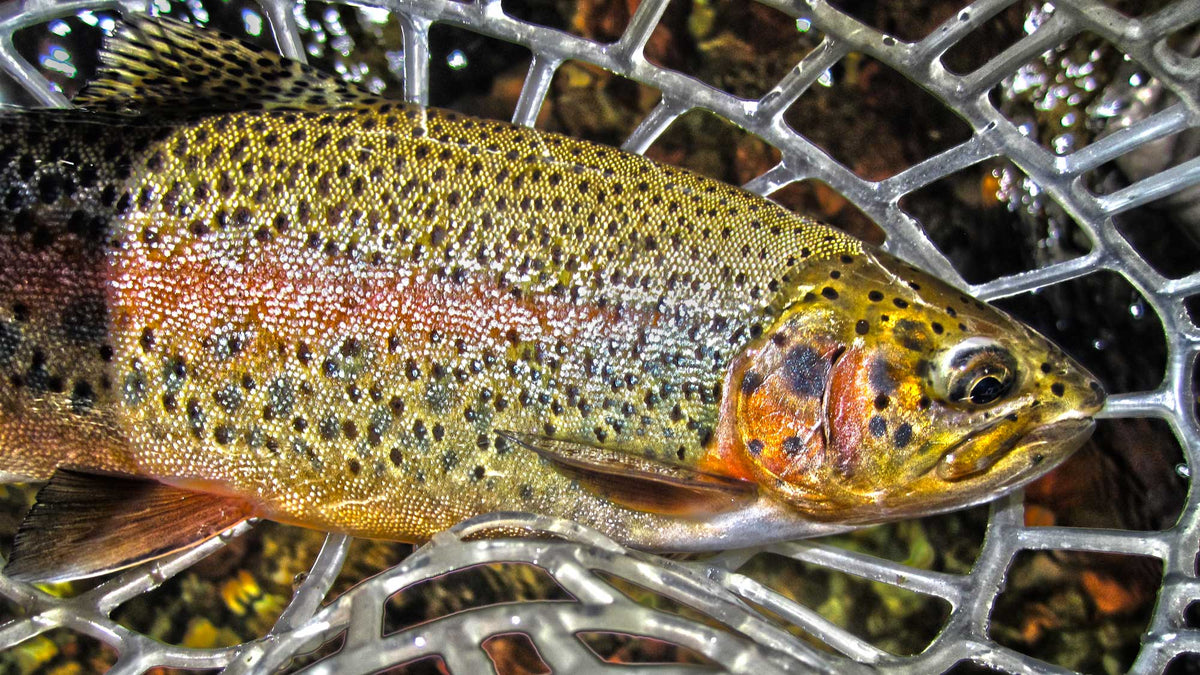
Fly fishing is often the top method. Trout feed on insects, and flies closely mimic their natural food. In clear streams, fly fishing easily outperforms other methods.
Bass
Both largemouth and smallmouth bass can be caught on flies, especially in shallow water or near surface cover. In deep lakes, spinning lures may work better.
Salmon
Fly fishing is traditional for salmon, especially in rivers. During certain runs, fly anglers catch more fish than bait anglers.
Panfish (bluegill, Sunfish)
These fish love small surface flies. Fly fishing can produce lots of action, especially in ponds and small lakes.
Saltwater Species
Redfish, bonefish, and tarpon are popular fly fishing targets. In shallow flats, fly fishing can be deadly effective. For deeper or offshore saltwater fishing, other methods are usually better.
Credit: www.charleymayflyfishing.com
Effectiveness Data And Real-world Examples
Some research and angler surveys provide hard numbers:
- In Montana, fly fishing guides report catch rates of 10-20 trout per day for skilled anglers during hatches, compared to 4-8 for spinning anglers.
- Studies in the UK show that fly fishing for chalk stream trout can increase catch rates by 25% over bait, due to the fish’s selective feeding.
- In heavily fished rivers, catch-and-release rates are up to 30% higher for fly anglers, meaning more fish survive.
However, in deep lakes, spinning and trolling still catch more total fish.
Fly Fishing And Conservation
Fly fishing often encourages a conservation mindset. Most fly anglers practice catch and release and support healthy fish populations. Smaller hooks and gentle handling help fish recover quickly.
Many rivers and lakes have fly fishing only sections to reduce fish stress and protect fragile populations. This focus on conservation is one reason fly fishing is respected in the fishing world.
Who Should Try Fly Fishing?
Fly fishing is not for everyone, but it’s ideal if:
- You enjoy learning and mastering skills
- You want to fish in clear streams, small rivers, or shallow flats
- You like the idea of matching local insects and observing nature
- You care about conservation and releasing fish safely
If your main goal is to catch a lot of fish quickly in any water, spinning or bait fishing may suit you better.
The Social Side Of Fly Fishing
Another factor often missed: fly fishing has a strong community. Clubs, online forums, and local shops offer advice and support. Many anglers find that fly fishing leads to deeper friendships and a richer outdoor experience.
Is Fly Fishing More Effective? The Bottom Line
The real answer is: it depends on your goals and the situation.
- In clear, insect-rich, or pressured waters, fly fishing is often the most effective method.
- In deep, murky, or large open water, spinning or trolling may catch more fish.
- For learning, conservation, and challenge, fly fishing offers more rewards.
- If you want simple, easy fishing with a high catch rate for all species, bait or spin fishing is better.
The effectiveness of fly fishing comes from matching technique to environment, understanding fish, and choosing the right gear and flies. In the right hands and places, it is hard to beat.
For more on the science and history of fly fishing, check out Wikipedia’s fly fishing page.
Frequently Asked Questions
Is Fly Fishing Better For Beginners?
Fly fishing has a higher learning curve. Beginners may find spinning or bait fishing easier at first. However, with patience and practice, fly fishing becomes rewarding and can be learned by anyone.
Can You Catch Big Fish With Fly Fishing?
Yes, but it depends on the gear and fly choice. Many large trout, salmon, and saltwater species are caught on flies. For very big fish in deep water, other methods may be more effective.
Does Fly Fishing Work In Saltwater?
Fly fishing can be very effective for shallow saltwater species like redfish, bonefish, and tarpon. In deep or offshore waters, other styles usually work better.
Is Fly Fishing More Expensive?
Fly fishing gear can be more expensive due to specialty rods, lines, and flies. However, basic starter kits are affordable and good for learning. Over time, costs can be similar to other fishing types.
Do Flies Really Work Better Than Live Bait?
Flies are more effective when fish are feeding on insects or are very cautious. Live bait is usually better for hungry, less selective fish or in murky water. The best choice depends on local conditions and fish behavior.
Fly fishing is not just a technique—it’s a way to connect more deeply with the water, the fish, and the environment. If you are ready to learn, it can be both highly effective and deeply rewarding.