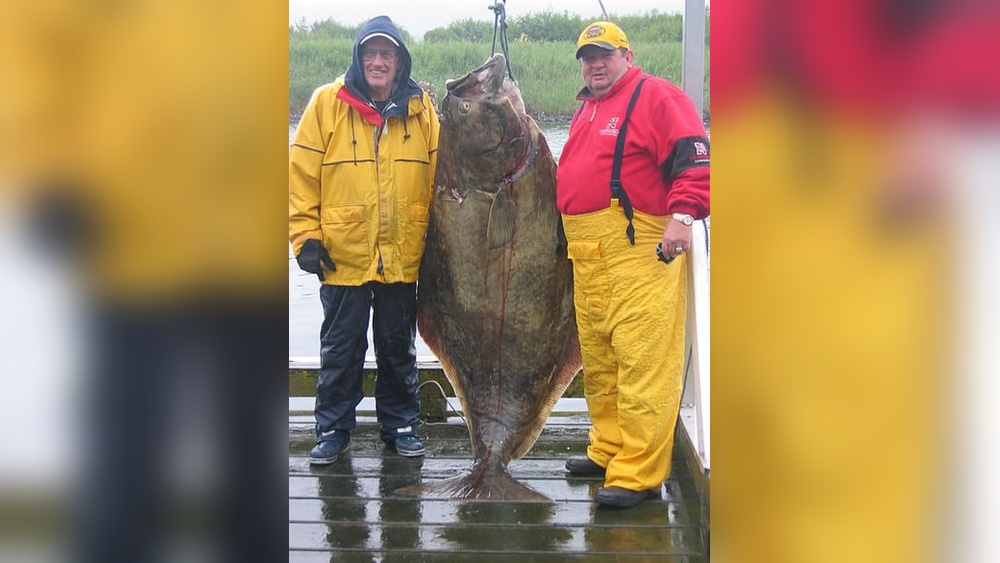
Alaska is famous for its wild beauty, icy waters, and world-class halibut fishing. Many anglers dream of catching a giant Pacific halibut here, but not everyone knows what to wear on these adventures. The weather can change fast, and conditions on the water are different from what you might expect on land.
Dressing right is not just about comfort—it’s about safety, endurance, and making your trip memorable for the right reasons.
If you’re planning to go halibut fishing in Alaska, packing the right clothing and gear can make or break your experience. Even in summer, the air and water are cold. Rain, wind, and sun can all hit in a single day.
You need to stay warm, dry, and protected from the elements, but also be able to move and handle your fishing gear easily. Let’s dive into what you should wear for halibut fishing in Alaska, based on real experience and what seasoned locals recommend.
Why Proper Clothing Matters For Halibut Fishing In Alaska
Many people underestimate how cold and wet it can get out on the water—even in the peak of summer. Air temperatures often range from 45°F to 65°F (7°C to 18°C), but windchill and water spray can make it feel much colder.
Hypothermia is a real risk if you get wet and the wind picks up. Also, you might be on the boat for 6 to 12 hours, far from shelter or a place to dry off.
Dressing well is about more than just comfort:
- Safety: Staying warm and dry prevents hypothermia and fatigue.
- Performance: You handle gear better when you’re comfortable.
- Enjoyment: You’ll enjoy your trip more when you’re not shivering or soaked.
Many beginners focus on fishing rods and tackle, but seasoned Alaskan guides will tell you: clothing is your most important gear.
The Layering System: Your Best Friend In Alaska
Alaskan weather is unpredictable. A clear morning can turn to rain and wind by afternoon. The secret to staying comfortable is the layering system. This means wearing several thin layers instead of one thick one. You can add or remove layers as needed.
A good layering system for halibut fishing includes:
- Base Layer: Keeps sweat off your skin.
- Mid Layer: Provides insulation and warmth.
- Outer Layer: Blocks wind and water.
Let’s break down each layer and what to look for.
Base Layer: Moisture Management
Your base layer sits next to your skin. Its main job is to wick moisture (sweat) away, so you stay dry and warm.
- Material: Avoid cotton. It holds water and makes you cold. Choose synthetic fabrics (like polyester) or merino wool.
- Fit: Should be snug but not tight.
Common base layer options:
- Thermal underwear (top and bottom)
- Long-sleeve wicking shirts
Pro tip: Even if you don’t sweat much, a good base layer keeps you warmer by moving moisture away from your skin.
Mid Layer: Insulation
Your mid layer traps body heat. This is your main warmth layer.
- Material: Fleece, wool, or synthetic-insulated jackets work well.
- Types: Pullover or zip-up fleece, lightweight down vest, or synthetic puffy jacket.
Many Alaskans use a fleece jacket or merino wool sweater. For colder days, add a synthetic insulated jacket.
Non-obvious insight: If you’re bigger or tend to run hot, pack a thinner mid layer. If you get cold easily, double up with two light mid layers so you can adjust as needed.
Outer Layer: Protection
This is your shield against wind, rain, and sea spray.
- Material: Fully waterproof and windproof is essential. Look for jackets and pants with sealed seams.
- Breathability: Important so you don’t get sweaty inside. Gore-Tex or similar membranes work best.
Key outer layer pieces:
- Rain jacket with hood
- Rain pants (full-length, not just overalls)
- Waterproof gloves (optional but useful)
Pro tip: Many charter companies provide rain gear, but the quality varies. Ask ahead and consider bringing your own if you want guaranteed dryness.

Credit: alaskafishinglodges.us
Footwear: What To Wear On Your Feet
Your feet will get wet unless you plan ahead. Water on the deck, rain, and even fish slime can soak regular shoes.
Boots
The best choice is rubber boots that are fully waterproof. Alaska’s favorite is the XTRATUF boot—a brown, knee-high boot known for grip and comfort.
- Height: Mid-calf or knee-high to keep out water.
- Grip: Non-slip soles are vital on wet boat decks.
- Warmth: Wear thick wool or synthetic socks under your boots.
Some anglers use insulated boots if fishing early or late in the season.
Non-obvious insight: Bring two pairs of socks per day. If your feet get wet or cold, changing socks mid-trip can save your day.
Shoes To Avoid
- Tennis shoes: Not waterproof, slippery on wet decks.
- Sandals: Expose feet to cold, water, and fish hooks.
Head And Hand Protection
Exposed skin loses heat fast, especially on windy days.
Hats
- Warm beanie or watch cap: Essential, even in summer mornings.
- Ball cap or brimmed hat: Good for sun and glare, but pack a beanie for warmth.
Gloves
- Water-resistant fishing gloves help keep hands warm and offer grip.
- Fingerless gloves are common, allowing you to tie knots and handle gear.
- Neoprene gloves are best for very cold days.
Pro tip: Bring two pairs—one warm pair, one fingerless. Wet gloves are miserable, so rotate if needed.

Credit: www.alaskaexplored.com
Clothing For The Rest Of Your Body
Pants
- Quick-drying pants: Synthetic hiking pants, not jeans.
- Thermal long johns: As a base layer if it’s cold.
- Rain pants: Always bring, even if the forecast is dry.
Shirts
- Long-sleeve shirts: Protects from sun, cold, and fish slime.
- Button-up fishing shirts: Many have vented backs and dry fast.
Underwear
Choose synthetic or merino wool. Cotton holds moisture.
Accessories
- Neck gaiter or buff: Protects neck and face from wind, sun, and spray.
- Sunglasses: Polarized sunglasses help spot fish and protect eyes from glare.
Rain Gear: Your Shield Against The Elements
Alaska’s rain is famous. Even when the forecast is clear, fog or spray can soak you fast.
Choosing The Right Rain Gear
- Full coverage: Jacket and pants, not just a poncho.
- Adjustable cuffs and hoods: Keeps water out.
- Zippers with storm flaps: Prevents leaks.
Cheap rain gear will leak or tear. Invest in quality. Brands like Helly Hansen and Grundéns are popular among Alaska guides.
Comparing Rain Gear Options
Here’s a quick comparison of popular rain gear brands used for Alaskan fishing:
| Brand | Waterproof Rating | Breathability | Durability | Price Range |
|---|---|---|---|---|
| Helly Hansen | 20,000mm+ | High | Excellent | $$$ |
| Grundéns | 15,000mm+ | Medium | Very High | $$ |
| Frogg Toggs | 10,000mm | Good | Moderate | $ |
Non-obvious insight: Even if you buy high-end rain gear, bring a small packable rain poncho as a backup. If your jacket fails or gets ripped, you’ll be glad you did.
Sun And Wind Protection
Many people forget that the sun can be intense on the water, even in Alaska. Sun reflecting off the sea can burn your skin quickly.
Sunglasses
- Polarized lenses are a must. They cut glare and help you see into the water.
- UV protection: Look for glasses that block 100% UV rays.
Sunscreen
- Choose water-resistant sunscreen with SPF 30 or higher.
- Apply to face, neck, hands, and any exposed skin.
Lip Balm
- SPF lip balm prevents chapped, sunburned lips.
Wind Protection
Even with rain gear, strong wind can chill you. A windproof outer shell or an extra layer like a vest can help.
What To Avoid Wearing
Certain clothing and gear are common mistakes for first-timers. Avoid these to stay safe and comfortable:
- Cotton clothing: Stays wet, makes you cold.
- Jeans: Heavy when wet, slow to dry.
- Open-toe shoes or sandals: Expose feet to cold, injury, and fish hooks.
- Bulky coats: Hard to move and can get caught on gear.
- Bright colors: Not a safety risk, but can spook some fish and look out of place.
Pro tip: Always bring spare clothes in a dry bag. Even the best gear can fail.
Packing Checklist For Halibut Fishing In Alaska
Here’s a practical checklist to make sure you have everything you need:
- Base layer (synthetic or wool, top and bottom)
- Mid layer (fleece or wool)
- Insulated jacket or vest (optional for colder months)
- Waterproof rain jacket with hood
- Waterproof rain pants
- Quick-drying pants or fishing pants
- Long-sleeve fishing shirts
- Merino wool socks (2 pairs per day)
- Rubber fishing boots (like XTRATUF)
- Warm beanie or watch cap
- Ball cap or wide-brim hat
- Water-resistant fishing gloves (2 pairs)
- Neck gaiter or buff
- Polarized sunglasses
- Water-resistant sunscreen
- SPF lip balm
- Synthetic underwear
- Dry bag for spare clothes
- Small rain poncho (backup)
- Hand warmers (optional in spring/fall)
Seasonal Adjustments: Spring, Summer, And Fall
Alaska’s fishing season for halibut runs from mid-May to mid-September. Conditions change a lot during these months.
Spring (may–early June)
- Colder temperatures (40°F–55°F/4°C–13°C)
- More rain and wind
- Use heavier base and mid layers.
- Insulated boots or extra socks are a good idea.
Summer (june–august)
- Milder temperatures (50°F–65°F/10°C–18°C)
- Still cool, especially mornings and evenings.
- Layering is important—mornings can be cold, afternoons warm up.
- Sun protection is more important.
Fall (september)
- Cooling off again (40°F–55°F/4°C–13°C)
- Rain and wind pick up.
- Dress more like spring, with extra insulation.
Example Outfit For A Day Of Halibut Fishing
Here’s how a well-prepared angler might dress for a July trip out of Homer, Alaska:
- Base layer: Synthetic long underwear top and bottom
- Mid layer: Fleece jacket
- Outer layer: Waterproof rain jacket and pants
- Pants: Quick-drying nylon fishing pants over base layer
- Shirt: Long-sleeve fishing shirt
- Socks: Merino wool, 2 pairs
- Boots: XTRATUF rubber boots
- Head: Warm beanie (morning), switch to ball cap if sunny
- Hands: Water-resistant gloves, fingerless backup
- Accessories: Neck gaiter, polarized sunglasses, sunscreen
Comparing Layering Approaches
Some anglers try to get by with fewer layers, but layering always wins for comfort and safety. Here’s a side-by-side comparison:
| Approach | Pros | Cons |
|---|---|---|
| Layering (Base + Mid + Outer) | Flexible, adapts to weather, best warmth and dryness | Requires more planning, more to pack |
| Single heavy jacket | Simple to pack, less clothing needed | Gets hot/clammy, poor moisture control, hard to adjust |
| Cheap rain gear over regular clothes | Low cost, quick solution | Leaks easily, poor warmth, uncomfortable |

Credit: alaskatours.com
Safety Extras: Life Jackets And More
Most charter boats provide life jackets (personal flotation devices, or PFDs), but check ahead. If you bring your own, choose one that fits over your layers and allows movement.
A few more items to consider for safety and comfort:
- Small first-aid kit: In a dry bag.
- Motion sickness pills: Alaska’s sea can be rough.
- Snacks and water: Easy to forget, but vital for long trips.
Mistakes First-time Anglers Often Make
Even with good advice, many people still make these errors:
- Packing too little: Weather changes quickly; it’s better to remove layers than wish you had more.
- Relying on the boat’s gear: Charter-provided gear is often basic. Bring your own for best results.
- Ignoring sun protection: Even cloudy days can burn you on the water.
- Wearing cotton: It’s tempting, but it will make you miserable if you get wet.
Non-obvious insight: The weather can change while you’re far from shore. Packing a “just in case” layer or dry socks takes little space and can save your day.
Advice From Alaskan Guides
Local fishing guides agree: being prepared is more important than looking stylish. Don’t worry about fashion or matching colors. Focus on staying warm, dry, and safe. Many guides wear the same gear day after day for a reason—it works. Some even carry an extra fleece or gloves for guests who underestimate the conditions.
Useful Resources For Trip Planning
If you want more details on current weather or gear, the Alaska Department of Fish and Game has great info. You can also check recent trip reports and gear reviews from local charter operators and experienced anglers.
For an example of trusted fishing gear reviews and Alaskan trip advice, see this page from Alaska Fishing Lodges.
Frequently Asked Questions
What Is The Most Important Clothing Item For Halibut Fishing In Alaska?
A fully waterproof rain jacket is the most important item. Alaska’s weather can change quickly, and staying dry is key to staying warm and comfortable.
Can I Wear Jeans When Fishing For Halibut In Alaska?
It’s not recommended. Jeans absorb water and dry slowly, making you cold and uncomfortable. Choose synthetic or quick-drying pants instead.
Do I Need Special Fishing Boots, Or Will Regular Shoes Work?
Regular shoes are not enough. Decks get wet and slippery. Wear rubber fishing boots (like XTRATUFs) for safety and warmth.
Is Sun Protection Really Necessary In Alaska?
Yes. Even on cloudy days, UV rays reflect off the water and can burn your skin. Always use sunscreen and polarized sunglasses.
Should I Bring My Own Rain Gear, Or Will The Charter Provide It?
Many charters provide basic rain gear, but the quality can vary. For best comfort, bring your own waterproof jacket and pants if possible.
Dressing right for halibut fishing in Alaska means more than just being comfortable—it’s about safety, performance, and making sure you enjoy your trip, no matter what the weather brings. With the right clothing and gear, you’ll be ready to focus on the real challenge: hauling in that trophy halibut.