
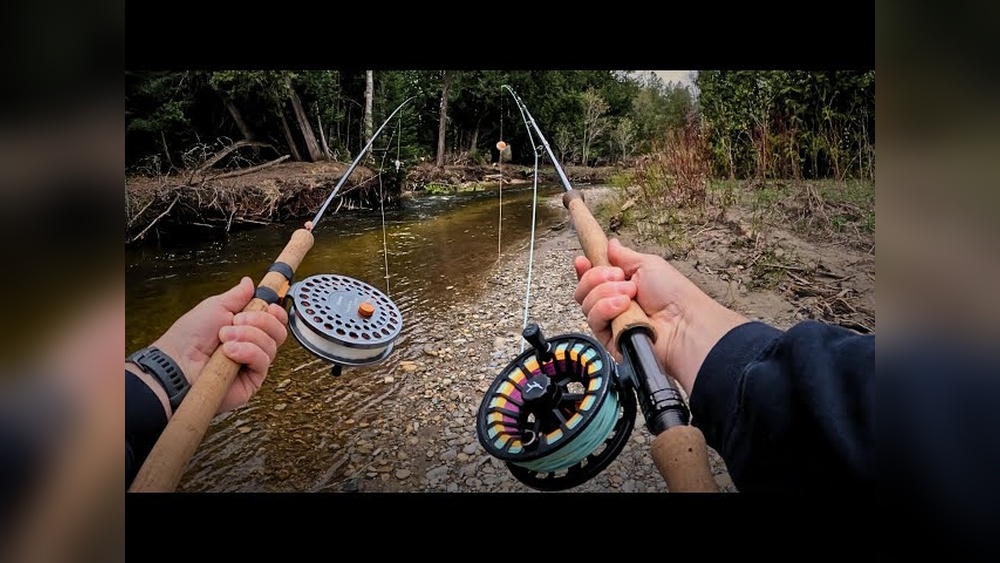
Center Pin Vs Fly Reel: A Complete Guide For Anglers
Fishing is more than just a hobby—it’s a passion, an art, and sometimes a science. For many, the choice between a center pin reel and a fly reel can be confusing, especially if you’re new to river fishing. These two types of reels look similar at first glance, but they have important differences that affect everything from casting style to fish landing success. If you’re wondering which reel suits your style, or if you want to understand why experienced anglers debate this topic, you’re in the right place.
This article will break down the features, uses, pros and cons, and key differences between center pin and fly reels. You’ll learn how each works, when to use them, and how to avoid common mistakes. You’ll also see real-world examples and tips that most beginners miss.
By the end, you’ll feel confident in choosing the right tool for your next fishing adventure.
What Is A Center Pin Reel?
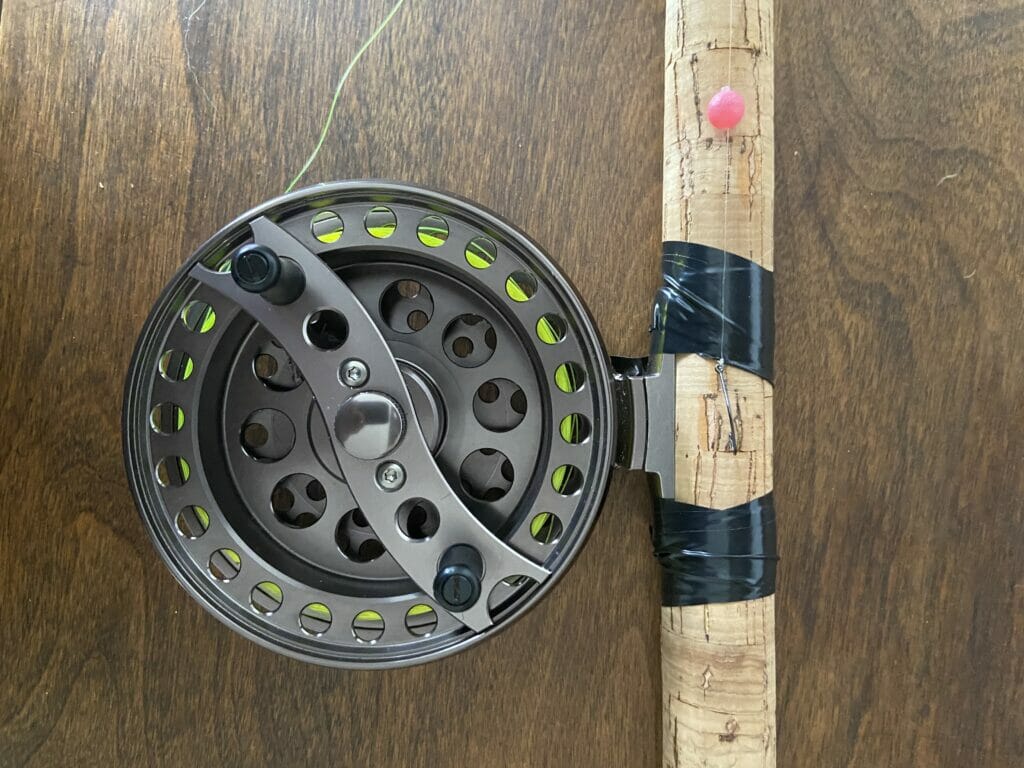
A center pin reel is a simple, round fishing reel that spins freely on its axis. Think of it as a super-smooth, mechanical wheel with almost zero resistance. It’s usually used for float fishing in rivers, especially for species like steelhead, salmon, and trout.
The main idea behind a center pin is to let your bait or float drift naturally with the current. The reel’s free-spinning design allows the line to come off the spool with almost no drag, so your presentation looks exactly like a real insect or bait in the water.
Key Features:
- Large diameter spool (often 4 to 5 inches)
- Free-running bearings for smooth spinning
- No drag system (your hand is the only brake)
- Usually made of aluminum or stainless steel for durability
- Simple design, often with only one moving part
Center pin reels are paired with long rods—often 11 to 15 feet—which help with line control and mending on fast-moving rivers.
What Is A Fly Reel?
A fly reel is a specialized fishing reel designed for fly fishing. It’s used to hold and retrieve the thick fly line that’s needed to cast lightweight flies. Unlike center pins, fly reels have a built-in drag system that helps control the fish once hooked.
Fly reels are used in both freshwater and saltwater environments, targeting species like trout, bass, salmon, and even tarpon. The reel itself is only part of the system—the casting comes from the fly rod and the weight of the fly line, not from the lure or bait.
Key Features:
- Smaller diameter compared to center pins (usually 3 to 4 inches)
- Mechanical drag system (adjustable resistance)
- Designed for quick line retrieval
- Made from materials like aluminum, carbon, or plastic
- Often comes with a backing line beneath the fly line
The purpose of a fly reel is to balance the rod, store line, and provide drag when fighting bigger fish.
How Center Pin And Fly Reels Work
Understanding the basic mechanics helps you see why each reel excels in different situations.
How A Center Pin Reel Works
When using a center pin, you cast by swinging or “trotting” the float downstream. The current pulls line off the freely spinning reel as your float drifts. To stop or slow the line, you touch the rim of the spool with your thumb—this is called “palming.
”
There’s no mechanical drag, so everything depends on your skill. If a fish takes the bait, you set the hook and use your hand to control the line tension during the fight. This gives you a direct, sensitive connection to the fish, but it also requires practice.
How A Fly Reel Works
Fly reels work as part of the fly fishing system. You cast by using the rod to “load” and “unload” the fly line in a series of controlled motions. The weight of the fly line, not the fly, propels the cast.
When a fish strikes, the drag system kicks in. You can adjust the drag knob to increase or decrease resistance, which helps tire out the fish safely. Most fly reels also have a retrieval handle for winding in line quickly, and some advanced models allow for large arbor spools that retrieve line faster.
Main Differences: Center Pin Vs Fly Reel
While both reels can look similar, their differences are significant. Here’s a breakdown of the key distinctions:
| Feature | Center Pin Reel | Fly Reel |
|---|---|---|
| Drag System | None (manual by hand) | Mechanical (adjustable) |
| Spool Diameter | Large (4-5 inches) | Medium/Small (3-4 inches) |
| Line Type | Monofilament or braid | Fly line with backing |
| Best For | Float fishing in rivers | Fly fishing (casting flies) |
| Line Control | Direct (manual) | Via drag system |
| Learning Curve | Steep for beginners | Moderate |
Advantages Of Center Pin Reels
Center pin reels have a cult following for good reasons. Here’s why experienced river anglers love them:
- Natural Drift: The free-spinning reel allows your bait to drift at exactly the same speed as the current. This can fool even wary fish that ignore unnatural presentations.
- Sensitive Connection: With no mechanical drag, you feel every movement. This sensitivity helps you detect subtle bites.
- Precise Line Control: Using your hand to control the spool means you can instantly adjust tension, stop the drift, or let the fish run.
- Durable and Simple: Fewer moving parts mean less can go wrong. Many center pins last for decades with minimal maintenance.
- Long Drifts: The large spool and smooth bearings allow long, controlled drifts—perfect for wide rivers.
Non-obvious Insights
- Customization: Many center pin anglers sand or polish the rim for smoother palming, something fly reels don’t allow.
- Line Memory: Center pin reels reduce line memory (coiling), which is a common problem with spinning or fly reels.
Disadvantages Of Center Pin Reels
Nothing is perfect. Here are the main drawbacks:
- Steep Learning Curve: Casting and controlling a center pin takes time and practice. Beginners often struggle to avoid “bird’s nests” (line tangles).
- Limited Versatility: Center pins are not suited for all types of fishing. They excel in float fishing but are not ideal for lures or heavy streamers.
- Manual Fish Control: Without a drag, big fish can break off if you’re slow or inexperienced.
- Not Great in Wind: Light lines and floats can be tough to manage in windy conditions.
Advantages Of Fly Reels
Fly reels are the heart of fly fishing. Here’s what makes them unique:
- Drag System: Adjustable drag helps control strong fish, especially in fast water or when using light tippet.
- Line Storage: Designed to hold thick fly lines and lots of backing, which is essential for long runs.
- Quick Retrieval: Large arbor reels retrieve more line per crank, reducing the chance of slack and lost fish.
- Versatile: Fly reels can be used in rivers, lakes, and saltwater, targeting a wide range of species.
- Balance: A well-matched fly reel balances the rod, reducing arm fatigue during long sessions.
Non-obvious Insights
- Line Protection: Modern fly reels have smooth drags that protect delicate leaders and tippets, lowering break-off rates.
- Swappable Spools: Many fly reels allow you to change spools quickly, letting you switch line types or weights on the water.
Disadvantages Of Fly Reels
Fly reels also have limitations:
- Heavier Weight: Some fly reels (especially with large arbors) can be heavy, which adds fatigue on long days.
- Expensive: High-quality reels with smooth drags can be costly.
- Complex Maintenance: Drag systems need cleaning and care, especially after saltwater use.
- Not Suited for All Fishing Styles: Fly reels are designed for fly lines and casting flies. They don’t work well with bait or floats.
Credit: www.tu.org
When To Choose A Center Pin Reel
A center pin reel is your best bet in these situations:
- Float Fishing Rivers: If you want a long, natural drift for bait or jigs in a river, nothing beats a center pin.
- Targeting Steelhead or Salmon: These fish are notorious for light bites. The sensitivity of a center pin helps you hook more fish.
- Fishing Wide, Shallow Streams: The ability to mend and control your line over long distances is a major plus.
- Clear Water Conditions: When fish are spooky, a natural drift makes all the difference.
Practical Tip: If you fish mostly in current and need to control your float over a long distance, start with a center pin. But be ready to practice—casting takes time to master.
When To Choose A Fly Reel
A fly reel is the right choice if:
- You’re Casting Flies: For dry flies, nymphs, or streamers, a fly reel is essential.
- You Need Adjustable Drag: Fighting big trout or saltwater species? A quality drag can make or break your day.
- You Fish Multiple Waters: Fly reels work in rivers, lakes, and saltwater. One reel can cover many situations.
- You Swap Lines Often: Quick-change spools let you adapt to changing conditions or target species.
Practical Tip: If your focus is on casting lightweight flies and you want the ability to adjust your drag, a fly reel is your best option.
Center Pin Vs Fly Reel: Key Performance Comparison
Let’s compare the two reels in real-world scenarios.
| Scenario | Center Pin Reel | Fly Reel |
|---|---|---|
| Long, natural drifts | Excellent | Average |
| Windy conditions | Poor | Better |
| Fighting big fish | Challenging (manual) | Controlled (drag) |
| Versatility | Low | High |
| Beginner-friendly | No | Yes |
| Maintenance | Easy | Moderate |
Common Mistakes When Choosing Or Using Reels
Many anglers make avoidable errors. Here are the most frequent ones, with advice on how to sidestep them:
- Choosing Based on Looks: Some reels look alike, but performance is what matters. Always pick a reel for your fishing style and water type—not just appearance or brand.
- Wrong Rod Pairing: Center pin reels require long, soft rods. Fly reels need rods matched to the fly line weight. Using the wrong rod can ruin your experience.
- Ignoring Line Type: Center pins need thin, supple monofilament for smooth drifts. Fly reels require special fly lines. Mixing these up causes casting and control issues.
- Neglecting Practice: Both reels have a learning curve. Practice casting and line control before heading out.
- Over-tightening Drag (Fly Reel): New anglers often set the drag too tight, which snaps light tippet on big fish. Start loose and adjust as needed.
- Forgetting Maintenance: Clean and lubricate both reel types regularly, especially after fishing in dirty or salty water.
The Role Of Line And Rods
The reel is only part of the equation. The right line and rod can make or break your setup.
For Center Pin Reels
- Use long rods (11-15 feet) for better mending and float control.
- Choose low-memory monofilament line for smooth feeding.
- Match your float and weight to the river’s speed and depth.
For Fly Reels
- Match the fly line weight to your rod (e.g., a 5-weight line for a 5-weight rod).
- Use backing for extra line capacity, especially for big fish.
- Pick the right leader and tippet for your target species.
Price And Value: What To Expect
Reel prices vary widely. Here’s a quick overview:
- Center pin reels: Entry-level models start around $100, but high-end, custom reels can cost $400–$800. Durability means you can often buy used with confidence.
- Fly reels: Basic models can be found for $50–$100, but top brands with advanced drag systems reach $500 or more. Saltwater reels are usually more expensive due to corrosion-resistant materials.
Insider Tip: More expensive doesn’t always mean better. Focus on smoothness, build quality, and a comfortable fit with your rod.

Credit: www.reddit.com
Which Reel Is Right For You?
The best reel depends on your fishing goals, local waters, and personal style.
- Choose a center pin reel if you love float fishing, want ultra-natural drifts, and fish mainly in rivers.
- Go with a fly reel if you cast flies, need drag control, or fish in many different environments.
If possible, borrow or try both before buying. Many specialty shops or fishing clubs offer demo days—take advantage of these opportunities.
Real-world Examples
- Steelhead on the Saugeen River: Anglers using center pin reels routinely out-fish those with spinning or baitcasting reels due to the natural drift. However, beginners often lose fish because they can’t control the line tension manually.
- Trout in Montana Streams: Fly reels dominate, especially in summer when fish feed on tiny insects. The drag system protects the fine tippet needed for spooky fish.
- Salmon in British Columbia: Both reels are used, but guides often recommend center pins for float fishing and fly reels for swing fishing with streamers.
Maintenance And Longevity
Both reel types last a long time if cared for properly.
- Center pin reels: Rinse after use, especially in dirty water. Oil the bearings and check for damage.
- Fly reels: Rinse, dry, and occasionally lubricate the drag system. Store with the drag off to prolong spring life.
Avoid dropping reels on rocks or sand, which can damage the spool and reduce performance.
Innovations And Trends
In recent years, both reels have seen improvements:
- Center pin reels now feature lighter materials, sealed bearings, and laser-etched designs.
- Fly reels offer carbon fiber drags, quick-release spools, and corrosion-resistant finishes.
Some manufacturers even blend features, but the core functions remain distinct.
For more technical details and the history of these reels, you can visit the Fishing Reel Wikipedia page.

Credit: www.youtube.com
Frequently Asked Questions
What Is The Main Difference Between A Center Pin Reel And A Fly Reel?
The biggest difference is the drag system. Center pin reels have no drag and rely on your hand for line control. Fly reels have mechanical, adjustable drags that help fight fish and manage line tension.
Can You Use A Center Pin Reel For Fly Fishing?
No, they are not designed for the same purpose. Center pin reels are for float fishing with bait or jigs, not casting flies. They don’t work well with fly lines or traditional fly fishing techniques.
Is A Center Pin Reel Good For Beginners?
A center pin reel has a steep learning curve. Beginners often struggle with casting and line control. If you’re just starting, a spinning or fly reel might be easier to master before trying a center pin.
What Species Can You Catch With A Fly Reel?
Fly reels are versatile. You can catch trout, salmon, bass, pike, panfish, and even saltwater species like bonefish and tarpon, depending on the reel size and line used.
How Do I Choose The Right Reel For My Needs?
Think about your main fishing style and water type. For natural drifts in rivers, choose a center pin. For casting flies or fishing in diverse waters, pick a fly reel. Try both if you can before buying.
Fishing is full of choices, but understanding your gear is half the battle. Whether you choose a center pin or a fly reel, practice and patience will reward you with unforgettable days on the water.