
Fishing is more than just a hobby for many people—it’s a passion, a way to relax, and a way to connect with nature. But before you can enjoy a day on the water, you need the right equipment. One of the most important choices you’ll make is between a conventional reel and a spinning reel. Both types of reels are popular, but they are different in design, use, and performance. Choosing the right one can make your fishing experience much better, while the wrong choice can lead to frustration and missed fish. This article will help you understand the differences, uses, advantages, and disadvantages of each. Whether you are a beginner, a seasoned angler, or just curious, you’ll find clear answers here to help you decide which reel is best for your next fishing trip.
What Is A Conventional Reel?
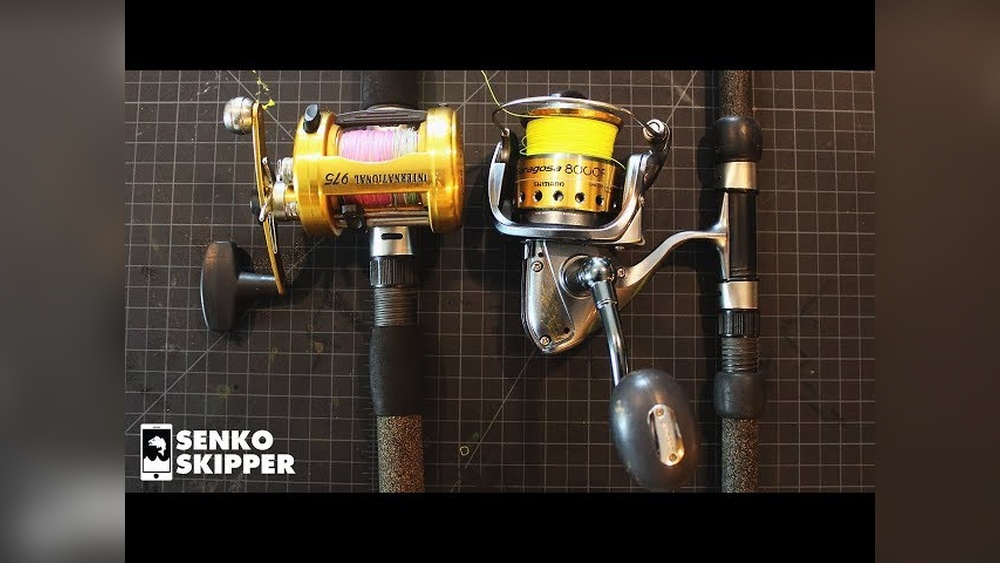
A conventional reel (sometimes called a baitcasting or trolling reel) is a type of fishing reel that sits on top of the rod. The line spool is perpendicular to the rod, and you release the line by pressing a button or lever. When you turn the handle, the spool rotates, winding the line back in.
Conventional reels have been around for many years and are often chosen by experienced anglers. They are commonly used for big fish, heavy tackle, and challenging fishing situations. These reels offer strong cranking power, precise control, and are excellent for techniques like trolling, bottom fishing, and deep-sea fishing.
There are several types of conventional reels, including low-profile baitcasting reels for freshwater and round baitcasting reels for saltwater or heavy-duty use. Some even have level-wind systems to distribute the line evenly on the spool.
What Is A Spinning Reel?
A spinning reel is one of the most common and user-friendly reels available. The reel hangs below the rod, and the spool is fixed in place. Instead of rotating, the line is released by flipping a bail wire and then casting. The handle turns a rotor that wraps the line back onto the spool.
Spinning reels are popular because they are easy to use, rarely tangle, and can handle light to medium fishing tasks very well. Beginners often start with spinning reels, but many experienced anglers also use them for their versatility. You can use spinning reels for freshwater fishing, inshore saltwater fishing, and even some types of offshore fishing.
Modern spinning reels are available in many sizes, from ultra-light models for small fish to large reels for bigger game.

Credit: www.youtube.com
Key Differences Between Conventional And Spinning Reels
Understanding the main differences between these two types of reels is important before making a choice. Here’s a detailed comparison to help you see where each type stands out:
| Feature | Conventional Reel | Spinning Reel |
|---|---|---|
| Reel Position | Sits on top of the rod | Hangs below the rod |
| Spool Movement | Spool rotates when casting and retrieving | Spool is fixed; bail wraps line onto spool |
| Line Capacity | Usually higher, handles heavy lines | Medium to high, but less than conventional |
| Ease of Use | Requires skill to avoid backlash | Beginner-friendly, less chance of tangles |
| Typical Use | Heavy-duty, big game, trolling | General use, light to medium fishing |
| Accuracy | Very accurate with practice | Good for short to medium casts |
| Maintenance | Needs more cleaning and care | Easy to clean and maintain |
Advantages Of Conventional Reels
Conventional reels are not just for expert anglers. Their design offers some unique benefits:
- Greater Line Capacity: These reels can hold a lot more fishing line, making them perfect for deep-sea fishing or catching large, fast-moving fish.
- Stronger Drag Systems: A strong drag system is important when fighting big fish. Conventional reels offer powerful drags that can handle the pressure.
- High Cranking Power: The gear systems in conventional reels allow you to turn the handle with more force, making it easier to reel in heavy catches.
- More Accurate Casting: With practice, you can place your bait exactly where you want it. This is useful for casting near structures or in strong currents.
- Versatility for Techniques: Techniques like trolling, bottom fishing, and jigging are easier with conventional reels.
However, beginners may struggle with these reels at first. The main challenge is backlash (when the spool spins faster than the line goes out, causing tangles). But with patience and practice, this can be managed.
Advantages Of Spinning Reels
Spinning reels are loved by many for their ease and flexibility. Let’s see what makes them stand out:
- Easy for Beginners: The design almost eliminates backlash. You can start fishing right away, even if you are new.
- Lightweight and Versatile: Spinning reels are available in many sizes, so you can fish for small panfish or larger species.
- Fast Casting: You can quickly cast again and again with minimal effort. This is great when you need to cover a lot of water.
- Good for Light Lures: Spinning reels can cast very light lures or baits farther than conventional reels.
- Less Maintenance Required: These reels are simple to take apart and clean, which saves time and effort.
Because of these benefits, spinning reels are a favorite for freshwater fishing, pier fishing, and inshore saltwater fishing.
Disadvantages Of Conventional Reels
No fishing reel is perfect. Here are some challenges you might face with a conventional reel:
- Backlash Risk: If you do not control the spool during casting, the line can tangle badly.
- Learning Curve: It takes time to get used to the thumb control and to avoid tangles.
- Weight and Size: Many conventional reels are heavier and bulkier, which can be tiring for long fishing trips.
- Cost: High-quality conventional reels can be expensive.
Many beginners give up on conventional reels due to frustration with backlash. However, some new models now include anti-backlash systems, which help reduce this problem.
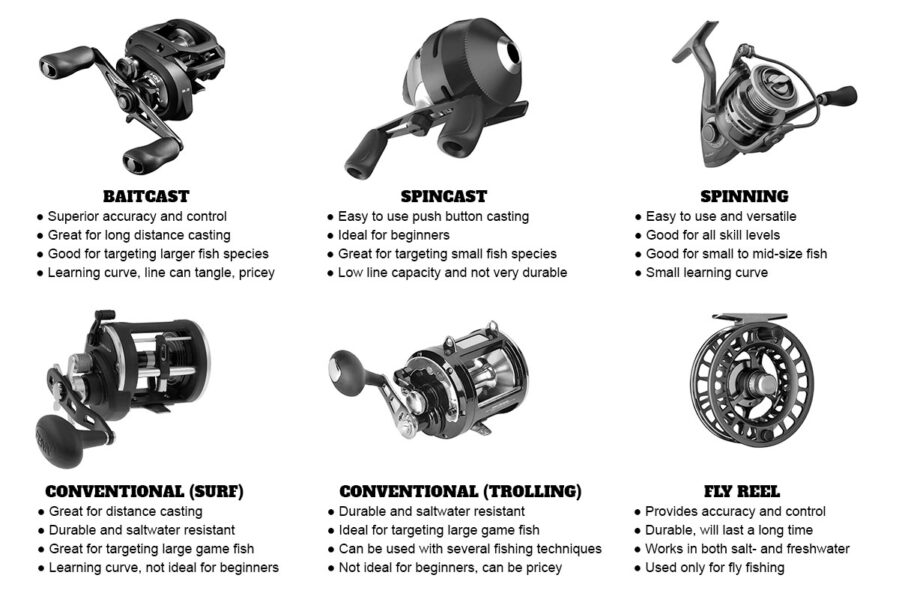
Credit: norrik.com
Disadvantages Of Spinning Reels
Spinning reels are not perfect either. Some of their downsides include:
- Line Twist: Over time, spinning reels can cause the line to twist, leading to knots and tangles.
- Lower Cranking Power: They are not as strong as conventional reels for pulling in big fish.
- Limited for Heavy Lines: Spinning reels can struggle with very heavy lines or big game fish.
- Bail Wear: The bail wire can bend or wear out after heavy use.
It’s important to match the spinning reel size to your target fish. Using a small spinning reel for large fish can lead to broken lines or lost catches.
When To Use A Conventional Reel
Choosing a conventional reel makes sense in certain fishing situations. Here are the most common scenarios:
- Deep-Sea Fishing: When targeting large saltwater fish like tuna, marlin, or grouper, you need the strength and capacity only a conventional reel provides.
- Trolling: This method involves dragging lures or baits behind a moving boat. Conventional reels offer the control and power needed for trolling long distances.
- Heavy Bottom Fishing: Dropping heavy weights and baits to the sea floor requires a reel that can handle pressure and big fish.
- Precision Casting: When you need to cast heavy lures with high accuracy, conventional reels do the job best.
Experienced anglers often prefer conventional reels for these reasons. With some practice, you can make the most of their unique strengths.
When To Use A Spinning Reel
A spinning reel is often the best choice for many fishing situations. Here are some common uses:
- Light Tackle Fishing: Catching small to medium fish like trout, bass, or panfish is easy with a spinning reel.
- Casting Light Lures: If you need to cast small or lightweight lures a long distance, spinning reels are excellent.
- Pier and Shore Fishing: The quick casting and tangle-free design help you fish from piers, jetties, or the shore.
- Inshore Saltwater Fishing: Catching species like redfish, snook, or flounder is easy with a medium-sized spinning reel.
Spinning reels are also great for teaching beginners. Children and new anglers can learn to cast and retrieve without frustration.
Common Myths And Misconceptions
There are some common beliefs about conventional and spinning reels that are not true. Let’s clear up a few:
- Myth: Spinning reels are only for beginners.
*Fact:* Many expert anglers use spinning reels for their ease and versatility.
- Myth: Conventional reels are always better for big fish.
*Fact:* While conventional reels are stronger, some large spinning reels can handle big fish, too.
- Myth: Backlash happens all the time with conventional reels.
*Fact:* With practice and the right settings, backlash can be greatly reduced or avoided.
- Myth: Spinning reels cannot be used in saltwater.
*Fact:* Many spinning reels are designed for saltwater and can handle tough conditions if properly maintained.
Key Factors To Consider When Choosing
Before buying a reel, it’s smart to look at several important factors. These can help you avoid mistakes and choose the best tool for your fishing needs.
1. Target Species
Think about the fish you want to catch. Larger, stronger fish often require a conventional reel for enough power and line capacity. For smaller or medium fish, a spinning reel is usually enough.
2. Fishing Technique
Are you trolling, casting, jigging, or bottom fishing? Each technique is easier with the right reel. For trolling and heavy bottom fishing, conventional reels are best. For casting lures or bait, spinning reels work better.
3. Line Strength And Capacity
If you need to use heavy lines or a lot of line, choose a reel that can handle it. Conventional reels are usually better for thick lines and long runs.
4. Casting Distance And Accuracy
Spinning reels are better for long casts with light lures. Conventional reels, once mastered, are very accurate, especially for heavy lures.
5. Experience Level
If you are a beginner or teaching someone new, a spinning reel is usually easier and more forgiving. For experienced anglers who want more control and power, a conventional reel is a good choice.
6. Maintenance And Durability
Conventional reels often need more maintenance, especially after saltwater use. If you want something simple, spinning reels are easier to care for.
7. Budget
High-quality reels can be expensive. Spinning reels are often more affordable for the same level of quality, but heavy-duty conventional reels can be a good investment for serious anglers.
Real-world Examples And Use Cases
Understanding when each reel shines can help you make a decision. Here are a few real examples:
- Deep Sea Charter Trips: Most charter captains use conventional reels for trolling and bottom fishing in deep water. The higher line capacity and power are necessary for fighting large fish.
- Bass Fishing Tournaments: Many professional bass anglers use both reel types. Spinning reels are used for finesse techniques, while baitcasting (conventional) reels are used for heavier lures and precise casting.
- Family Pier Fishing: For a day out with family, spinning reels are the safer choice. Kids and beginners can enjoy fishing without worrying about line tangles.
- Saltwater Flats Fishing: Anglers targeting species like bonefish or redfish often use spinning reels for their lightweight lures and frequent casting.
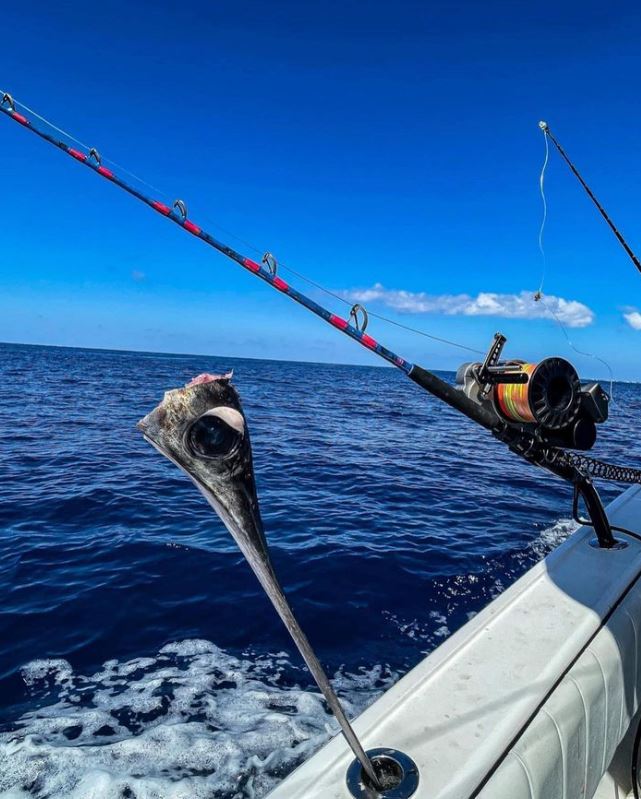
Credit: www.coastalfishing.com
Comparing Performance: Casting, Power, And Versatility
Let’s take a closer look at how these reels perform in key areas:
| Performance Area | Conventional Reel | Spinning Reel |
|---|---|---|
| Casting Distance | Best with heavy lures; requires skill | Excellent with light lures; easy for all |
| Cranking Power | Superior for big fish and heavy loads | Good for light to medium fish |
| Versatility | Specialized for heavy-duty fishing | Versatile for many techniques and fish |
| Accuracy | High with practice | Moderate to high |
| Tangle Risk | High for beginners | Low for all skill levels |
How Reel Technology Has Improved
Both conventional and spinning reels have seen big improvements in recent years. Here are two key advances that many beginners miss:
- Magnetic and Centrifugal Brakes: Modern conventional reels often have braking systems that help control the speed of the spool. This makes backlash less common and helps new users learn faster.
- Sealed Bearings and Corrosion Protection: Spinning reels now include sealed bearings and anti-corrosion materials. This means you can use them in saltwater without damaging the reel, as long as you rinse and maintain it.
These improvements make both types of reels more user-friendly and durable than ever before.
Essential Tips For Reel Care And Longevity
No matter which reel you choose, caring for your gear will make it last longer and perform better:
- Rinse After Use: Always rinse your reel with fresh water after fishing, especially in saltwater.
- Dry and Store Properly: Let your reel dry before storing it in a cool, dry place.
- Regular Maintenance: Oil the moving parts and check for dirt or damage regularly.
- Use the Right Line: Avoid overloading your reel with line that is too heavy or too much for the spool.
- Check the Drag: Make sure the drag system works smoothly before every trip.
These simple habits can prevent most common problems and save you money on repairs.
Making The Final Choice
Choosing between a conventional reel and a spinning reel depends on your needs, experience, and fishing style. There is no “best” reel for everyone. Instead, ask yourself these questions:
- What fish am I targeting?
- Where will I be fishing?
- What techniques do I want to use?
- Am I a beginner or experienced angler?
- Do I need something easy to use or more specialized?
Often, experienced anglers own both types and use them for different situations. If you are just starting, a spinning reel is usually the safest and most enjoyable choice.
For more information on fishing reel types and fishing techniques, you can visit Wikipedia.
Frequently Asked Questions
What Is The Main Difference Between A Conventional Reel And A Spinning Reel?
The main difference is in their design and position on the rod. Conventional reels sit on top of the rod with a rotating spool, while spinning reels hang below the rod with a fixed spool. This affects how the line is released and retrieved, as well as which fishing techniques work best with each reel.
Can Beginners Use Conventional Reels, Or Should They Start With Spinning Reels?
Most beginners find spinning reels much easier to use. They have fewer tangles, require less skill, and are quick to learn. Conventional reels need more practice to avoid backlash and are best for those with some fishing experience.
Are Spinning Reels Suitable For Saltwater Fishing?
Yes, many spinning reels are made for saltwater use. Look for reels with sealed bearings and corrosion-resistant parts. Always rinse the reel after saltwater use to prevent damage.
Which Reel Type Is Better For Big Fish?
Conventional reels are generally better for big fish because they have stronger drag systems, more line capacity, and higher cranking power. However, large spinning reels can also handle big fish if matched properly to the target species.
How Do I Prevent Line Twist On A Spinning Reel?
To reduce line twist, use quality line, avoid overfilling the spool, and close the bail by hand after each cast. Also, let your line out behind a moving boat or in running water from time to time to help untwist it.
Fishing is more enjoyable when you have the right tools. By understanding the strengths and weaknesses of both conventional and spinning reels, you can make smarter choices and catch more fish. Whether you prefer the power of a conventional reel or the simplicity of a spinning reel, the most important thing is to get out there and enjoy your time on the water.