
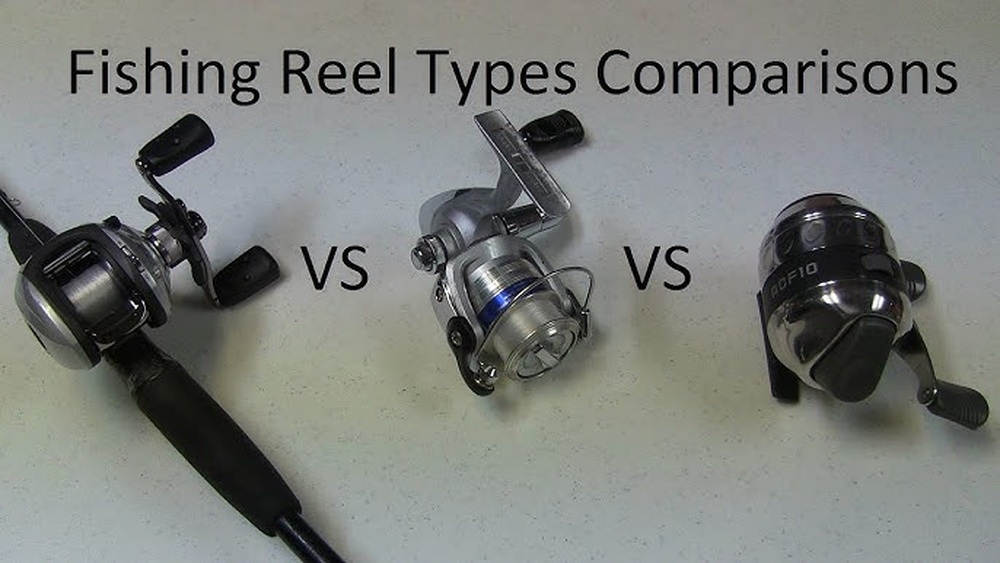
Fishing today is more than just throwing a line in the water. With so many tools available, choosing the right one can make the difference between a great day and going home empty-handed. Two of the most popular types of reels are the open face reel and the spinning reel. Many anglers—beginners and experienced—often wonder what sets these two apart. Are they really different? Which one is easier to use? Which works better for certain fish? This article explores every detail you need to know about open face reels and spinning reels, helping you pick the right tool for your next fishing adventure.
What Is An Open Face Reel?
The term open face reel usually refers to a spinning reel with a visible, open spool. This design lets anglers see and touch the fishing line easily, making it simple to manage and control. Unlike closed face reels (also called spincast reels), open face reels don’t have a cover over the spool.
Key features of open face reels:
- Spool is open and visible
- Line is released by flipping a bail arm
- Handle can switch sides for left or right hand use
- Designed for smooth casting and easy line control
Open face reels are popular because they offer better casting distance and accuracy compared to spincast reels. They are commonly used for many types of fishing—from freshwater lakes to saltwater shores.
What Is A Spinning Reel?
A spinning reel is a type of fishing reel where the spool is fixed and does not move during casting. Instead, the line comes off the top of the spool as the lure is thrown forward. The handle turns a bail arm, which wraps the line back onto the spool when retrieving.
Key characteristics of spinning reels:
- Fixed spool facing downward
- Bail arm for line control
- Handle usually reversible
- Suitable for many fishing techniques
Spinning reels are known for being versatile, user-friendly, and effective for many species of fish. Beginners often find them easy to learn, and professionals use them for their smooth operation and reliability.
Are Open Face Reels And Spinning Reels The Same?
Many people use the terms open face reel and spinning reel interchangeably. In most cases, they mean the same thing. The open face design is a main feature of spinning reels. However, some anglers use “open face” to emphasize the exposed spool, while “spinning reel” highlights how the reel works.
Non-obvious insight: In fishing stores and guides, “open face” almost always refers to spinning reels, but be aware that in rare cases, someone may use the term for a baitcasting reel with an exposed spool. Always check the specific model or ask for clarification.
How Do Open Face (spinning) Reels Work?
Understanding how these reels function makes it easier to pick the right one and use it well.
- Casting: Flip the bail arm open. Hold the line with your finger. Swing the rod and release the line at the right moment. The line flows smoothly off the spool.
- Retrieving: Flip the bail arm back. Turn the handle. The bail guides the line evenly back onto the spool.
- Drag System: Adjusts resistance using a knob on the top (or sometimes rear). This helps control how much force is needed to pull line from the reel during a fish fight.
- Anti-Reverse Switch: Stops the handle from turning backward, so you don’t lose line accidentally.
Pro tip: Always close the bail by hand after casting, not by turning the handle. This reduces line twists and extends reel life—a detail many beginners miss.
Comparing Open Face (spinning) Reels With Other Types
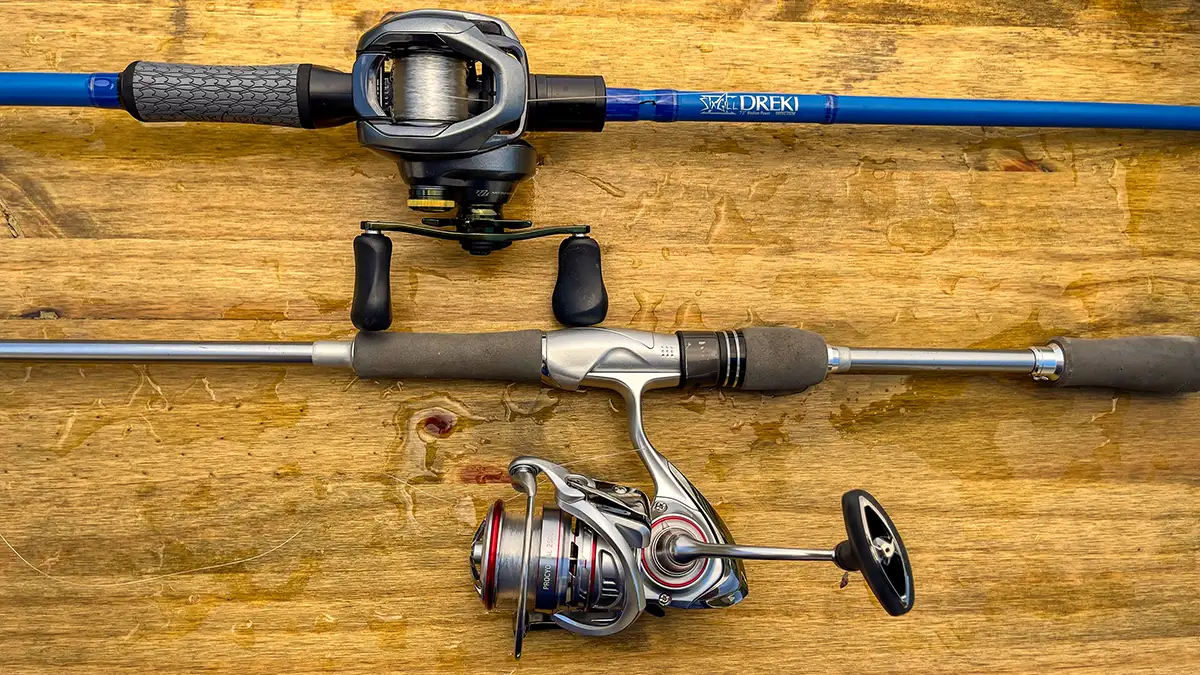
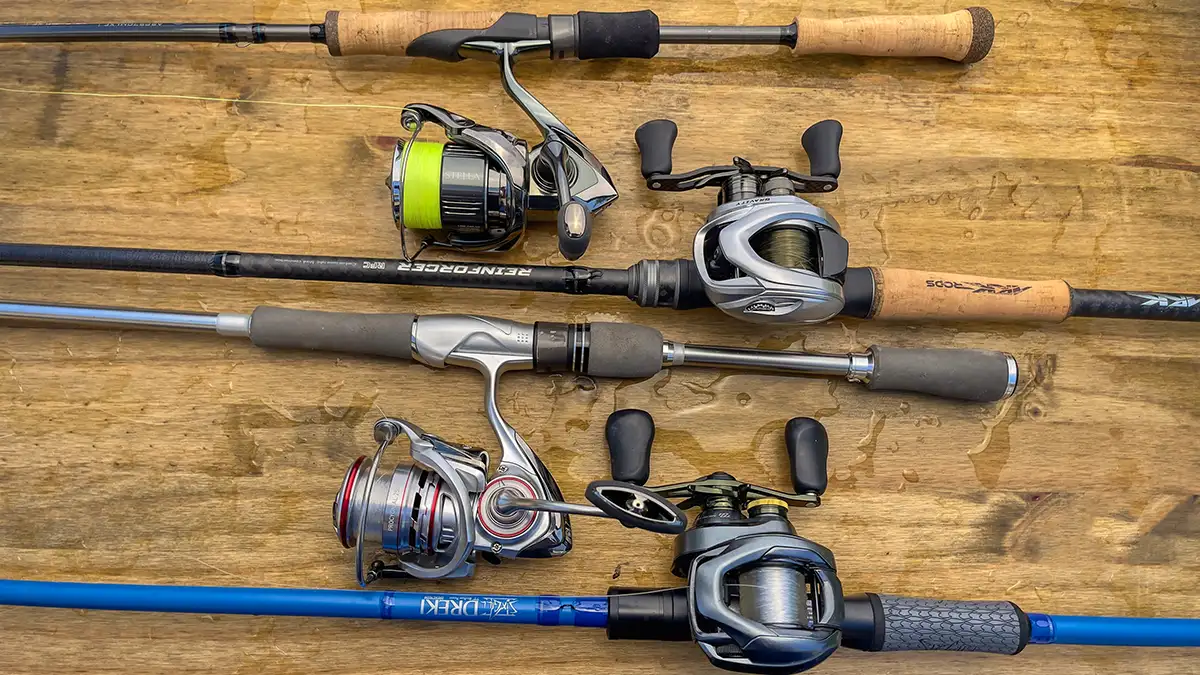
To fully understand the strengths and weaknesses of open face/spinning reels, it helps to see how they compare with other popular reels.
| Reel Type | Spool Design | Best For | Skill Level |
|---|---|---|---|
| Spinning (Open Face) | Open, fixed | All-around, light to medium fishing | Beginner to advanced |
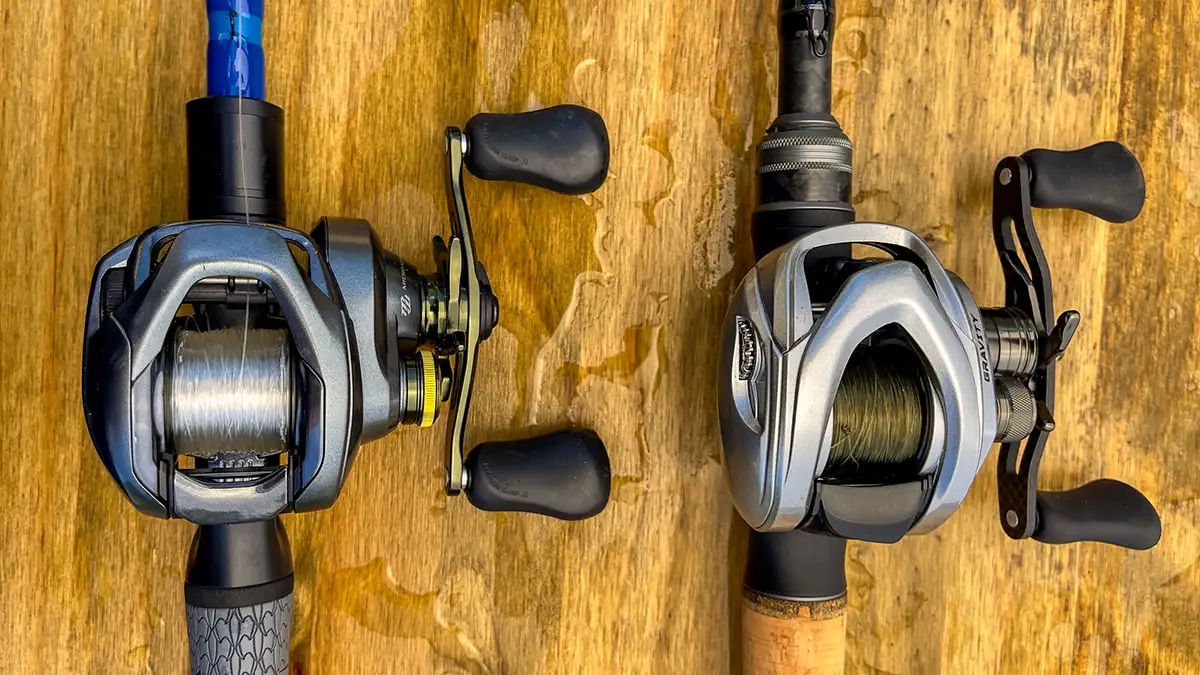
| Baitcasting | Open, rotating | Heavy lures, big fish | Intermediate to expert |
| Spincast (Closed Face) | Closed, fixed | Kids, absolute beginners | Beginner |
Key Differences: Open Face Reel Vs Spinning Reel
Since these terms are often used for the same thing, let’s focus on the subtle differences anglers might notice and what matters most.
1. Spool Visibility
Open face reels: Always have an exposed spool. You can easily manage the line and see problems like tangles or loops.
Spinning reels: Are, by design, open face. There is no cover hiding the line.
Insight: The open spool is why these reels are less prone to hidden tangles compared to closed face reels.
2. Line Control
With an open face/spinning reel, you hold the line with your finger before casting. This allows for precise control over when the line releases. In contrast, spincast reels use a button, which is less accurate.
3. Casting Distance And Accuracy
Open face/spinning reels allow the line to flow freely from the spool. This means longer, smoother casts and better accuracy. Baitcasting reels can sometimes cast farther with heavy lures, but they require more skill.
4. Line Twist
One common issue with spinning reels is line twist—when the line forms loops and knots due to spinning during retrieval. This is less of a problem with baitcasting reels, but spinning reels make up for it with easier untangling.
Tip: Avoid line twist by always closing the bail by hand and using quality line.
5. Line Capacity
Open face reels usually hold more line than spincast reels of the same size. This is helpful when fishing in deep water or targeting bigger fish.
Credit: www.wired2fish.com
Advantages Of Open Face (spinning) Reels
Why do so many anglers prefer these reels? Here are the top reasons:
- Versatility: Works for many fishing styles—freshwater, saltwater, casting lures, or live bait.
- Ease of Use: Simple learning curve, great for all ages.
- Affordability: Good models are available in all price ranges.
- Maintenance: Easy to clean and service, thanks to the open design.
- Casting Distance: Lets you cast lightweight lures far.
- Line Control: Easy to stop or slow the line with your finger.
- Fewer Backlashes: Less chance of messy tangles than baitcasters.
- Smooth Drag: Modern spinning reels have smooth, adjustable drag for fighting fish.
- Lightweight: Many are made with light materials, reducing fatigue.
Example: If you’re fishing for bass in a lake or casting small lures for trout, a spinning reel offers the best balance of power, control, and ease.
Drawbacks Of Open Face (spinning) Reels
No tool is perfect. Here are the main downsides:
- Line Twist: More likely to happen than with baitcasters.
- Lower Power: Not ideal for very heavy lines or the biggest fish.
- Less Control with Heavy Lures: Baitcasters outperform spinning reels with large, heavy lures.
- Wind Knots: When casting into the wind, loops can form if the line is loose.
- Finger Fatigue: Holding the line with your finger on every cast can get tiring.
Non-obvious insight: Many beginners think spinning reels are too weak for big fish, but with the right size and setup, they can land large saltwater species. The key is matching reel and rod strength to your target fish.
Choosing Between Open Face And Spinning Reels
Since the two terms usually mean the same thing, the real choice is between spinning (open face), baitcasting, or spincast (closed face) reels. Here’s what matters most:
1. Target Fish Size
- Small to medium fish: Spinning reels excel.
- Large, powerful fish: Heavy-duty baitcasters are better.
2. Type Of Lures And Baits
- Light lures: Spinning reels cast these with ease.
- Heavy lures: Baitcasting reels handle these best.
3. Fishing Environment
- Freshwater lakes and rivers: Spinning reels work well.
- Saltwater or deep sea: Use larger spinning reels or baitcasters.
4. Angler Experience
- Beginners: Spinning reels are friendly and forgiving.
- Experienced anglers: May prefer baitcasters for control and power.
Practical tip: If you’re starting out or want one reel for everything, choose a quality spinning (open face) reel in the 2000–3000 size range. It covers most situations without being too heavy or light.
Key Features To Look For In A Spinning (open Face) Reel
Buying your first reel or upgrading? Focus on these features:
- Smooth Drag System: Look for carbon or felt drag washers for steady pressure.
- Ball Bearings: More is usually better—5 or more for smooth operation.
- Gear Ratio: Around 5:1 is average; higher ratios retrieve line faster.
- Line Capacity: Check the spool for how much line it holds (in yards or meters).
- Weight: Lighter reels reduce hand fatigue.
- Corrosion Resistance: Crucial for saltwater fishing.
- Handle Comfort: Try different handle shapes and sizes for your grip.
- Anti-Reverse Switch: Prevents the handle from spinning backward.
Common mistake: Many buyers focus only on price and brand. Always check the drag system and ball bearings for smoothness.
Popular Uses For Open Face (spinning) Reels
Open face reels dominate many fishing situations:
- Bass fishing: Easy casting, precise lure control.
- Trout fishing: Light lines and lures work best with spinning reels.
- Saltwater inshore fishing: Larger spinning reels handle redfish, snook, and small tarpon.
- Panfish/Crappie: Lightweight reels for delicate presentations.
- Kayak fishing: Compact reels fit well in small boats.
Example: In tournaments, even professional anglers trust high-end spinning reels for finesse presentations, drop shotting, and working lightweight soft plastics.
How To Set Up And Use An Open Face (spinning) Reel
Setting up your reel correctly is crucial for smooth performance and less frustration.
Step-by-step Guide:
- Attach the Reel: Mount the reel on your rod’s reel seat and tighten the lock.
- Thread the Line: Run the line through the rod guides, starting from the tip.
- Open the Bail: Flip the bail arm open.
- Tie Line to Spool: Use an arbor knot to secure the line to the spool.
- Spool the Line: Close the bail and turn the handle slowly. Keep tension on the line with your fingers.
- Fill the Spool: Stop when the line is 1/8 inch below the spool’s edge.
- Tie on Lure or Hook: Use the right knot for your setup.
- Set the Drag: Turn the knob until there’s resistance, but not too tight.
- Practice Casting: Hold the line with your finger, flip the bail, cast, and release at the right moment.
Pro tip: Always use fresh line and check for frays or nicks before fishing. Old line causes more tangles and breaks.
Credit: www.wired2fish.com
Open Face (spinning) Reel Maintenance
Proper care extends your reel’s life and keeps it working smoothly.
- Rinse after use: Especially after saltwater fishing, rinse the reel with fresh water.
- Dry thoroughly: Wipe with a soft cloth to prevent rust.
- Lubricate: Use reel oil on the handle, bail, and moving parts every few trips.
- Check drag washers: Clean or replace if they feel sticky.
- Store properly: Keep reels in a dry, cool place, out of direct sunlight.
Advanced tip: Open the reel body once a year to check for sand or dirt. Clean and lightly grease gears if needed.
Common Mistakes When Using Open Face (spinning) Reels
Even experienced anglers slip up sometimes. Here are mistakes to avoid:
- Overfilling the Spool: Causes wind knots and tangles.
- Underfilling the Spool: Reduces casting distance.
- Turning the Handle to Close the Bail: Increases line twist.
- Ignoring Drag Settings: Too tight and you’ll break the line; too loose and fish escape.
- Using Too Heavy Line: Makes casting harder and causes loops.
Non-obvious insight: Many anglers forget to check their line for twists or wear during a fishing trip. Running your fingers along the line every hour can prevent sudden breaks.
Credit: www.wired2fish.com
Cost Comparison: Open Face (spinning) Reels Vs Other Reels
How does the price stack up? Here’s a simple overview.
| Reel Type | Entry-Level Price | Mid-Range Price | High-End Price |
|---|---|---|---|
| Spinning (Open Face) | $20–$50 | $60–$150 | $200–$500+ |
| Baitcasting | $40–$80 | $100–$250 | $300–$600+ |
| Spincast (Closed Face) | $15–$40 | $45–$70 | $100–$200 |
Spinning reels offer the best value for new anglers and a wide range for experienced ones.
Real-world Examples: When To Use Each Reel
Scenario 1: You’re fishing from a small lake dock for bass and panfish. A spinning (open face) reel lets you cast light lures quietly and accurately.
Scenario 2: You want to troll for big catfish in a river. A heavy baitcasting reel gives you more power and control with big baits.
Scenario 3: Your child is learning to fish. A closed face spincast reel is easiest for kids because it uses a push button.
Scenario 4: Surf fishing for redfish or snook. A large spinning (open face) reel holds more line and resists saltwater corrosion.
Recent Trends: Are Spinning Reels Still Popular?
Today, spinning reels are more advanced than ever. Modern reels use lightweight metals, sealed bearings, and high-tech drag systems. In fact, many professional anglers now use spinning reels for finesse fishing and situations needing long casts with light lures. The popularity of spinning reels remains strong worldwide, especially in Europe and Asia for both freshwater and saltwater fishing.
Data point: According to market research, spinning reels account for over 50% of all fishing reel sales globally. Their simple design and versatility keep them in demand.
Spinning Reel Innovations To Watch
The last decade has seen exciting changes:
- Carbon fiber bodies: Lighter and stronger than metal.
- Waterproof drag systems: Essential for saltwater.
- Braid-ready spools: Designed to hold modern braided lines without slipping.
- Magnetic anti-twist systems: Reduce line problems.
- EVA foam handles: Improve grip and comfort.
Insider tip: When upgrading, look for reels with braid-ready spools and sealed drag systems for the best performance and durability.
Frequently Asked Questions
What Is The Main Difference Between An Open Face Reel And A Spinning Reel?
The main difference is in the names only. Both terms describe the same reel design: a fixed, open spool with a bail arm for controlling line. If someone says “open face reel,” they almost always mean a spinning reel.
Which Is Better For Beginners: Open Face (spinning) Or Baitcasting Reel?
A spinning (open face) reel is usually better for beginners. It’s easier to cast, has fewer tangles, and requires less skill to manage the line compared to a baitcasting reel.
Can I Use A Spinning Reel For Saltwater Fishing?
Yes! Many spinning reels are designed for saltwater use. Look for models with sealed bearings, corrosion-resistant materials, and strong drags. Always rinse after use in saltwater to prevent rust.
Why Does My Spinning Reel Line Keep Twisting?
Line twist happens for a few reasons: overfilling the spool, not closing the bail by hand, or using old line. To reduce twist, always close the bail manually and use fresh, quality line. Also, avoid reeling against a moving fish.
How Do I Choose The Right Size Spinning Reel?
Choose based on your target fish and fishing style. For small freshwater fish, a 1000–2500 size is good. For bass, walleye, or similar fish, 2500–4000 size works well. For big saltwater fish, consider 5000+ size reels.
Fishing is both an art and a science. Picking the right reel—whether you call it open face or spinning—can help you enjoy the sport more and catch more fish. With the information here, you’re ready to make a smart choice and get out on the water with confidence. For deeper info on reel types and maintenance, visit the Wikipedia Fishing Reel page. Happy fishing!