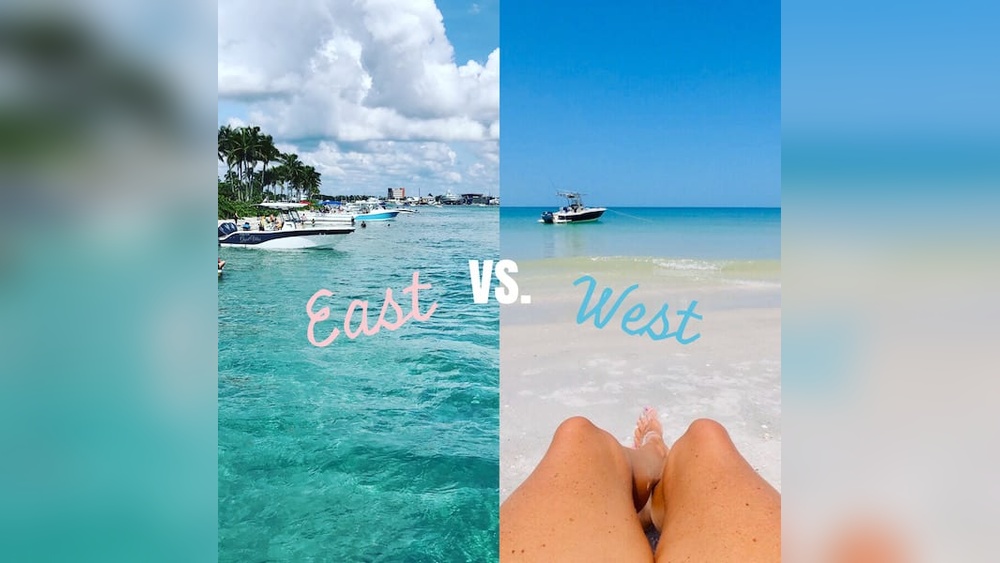
Fishing in Florida is not just a hobby—it’s a passion. The state’s unique geography, with two long coastlines, offers anglers a rare choice: East Coast or West Coast? Both sides deliver world-class fishing, but the experience, fish species, seasons, and even the atmosphere vary more than many people realize. If you’re dreaming about your next Florida fishing trip or moving to the Sunshine State to chase trophy catches, understanding the contrasts between east and west is key. Let’s explore in detail how fishing truly compares on each coast, and help you decide which side fits your style, goals, and expectations.
The Geographic Divide: Atlantic Vs. Gulf
Florida is a peninsula, surrounded by water on three sides. The East Coast faces the Atlantic Ocean, running from the tip of the Keys up to Jacksonville. The West Coast borders the Gulf of Mexico, stretching from the Everglades north to the Panhandle.
These two bodies of water are very different. The Atlantic is deep, energetic, and influenced by the powerful Gulf Stream. The Gulf of Mexico is shallower, warmer, and generally calmer. This difference in water type, depth, and movement creates unique fishing environments and affects everything from what you catch to how you fish.
Water Characteristics
- Atlantic (East): Fast currents, deeper drop-offs, clearer water, and rougher seas.
- Gulf (West): Gentle tides, gradual depth changes, warmer water, and more sandbars and grass flats.
These factors not only shape the fish populations but also the techniques, gear, and boats anglers use.
Fish Species: What Can You Catch?
One of the first questions anglers ask is, “What fish are biting? ” Both coasts have rich, diverse options, but the main targets can be quite different.
East Coast Highlights
The Atlantic side is famous for:
- Sailfish – Especially in southeast Florida, this is the state’s signature sportfish.
- Mahi Mahi (Dolphinfish) – Common in warm months, loved for color and fight.
- King Mackerel – Fast, hard-hitting, and great for trolling.
- Wahoo – Known for bursts of speed and challenging fights.
- Tuna – Yellowfin and blackfin make surprise appearances offshore.
- Snook, Tarpon, and Redfish – Plentiful inshore, especially in mangrove-lined lagoons.
- Snapper and Grouper – Found offshore but in deeper water than on the Gulf side.
West Coast Highlights
Gulf fishing offers:
- Gag and Red Grouper – The Gulf is the best region in Florida for big grouper.
- Red Snapper – A major draw in the summer, with large numbers and sizes.
- Tarpon – The west coast, especially Boca Grande, is world-famous for giant tarpon migrations.
- Speckled Trout – Incredibly abundant in grass flats.
- Cobia – Frequent visitors to the Gulf’s wrecks and buoys.
- Permit – Sought after on wrecks and reefs, especially near the Keys.
- Sheepshead, Flounder, and Pompano – Great inshore options.
Notable Differences
- Sailfish and Mahi are rare in the Gulf.
- Grouper and Red Snapper are far more common and bigger in the Gulf.
- Tarpon can be found on both coasts, but migration timing and hotspots differ.
Inshore Vs. Offshore: Where You’ll Fish
The type of fishing—inshore (shallow waters, bays, rivers) versus offshore (deep sea, reefs, wrecks)—shapes your experience. Here’s how it breaks down by coast:
East Coast Inshore
- Indian River Lagoon, Mosquito Lagoon, and the waters around the Florida Keys are legendary for snook, redfish, and sea trout.
- More access to inlets and passes where ocean and river meet, attracting migratory predators.
- Mangrove-lined shorelines offer shelter for juvenile fish.
West Coast Inshore
- Massive grass flats in Tampa Bay, Charlotte Harbor, and Sarasota Bay are prime for trout, redfish, and snook.
- Oyster bars, sandbars, and seagrass beds are everywhere, attracting bait and gamefish.
- Boca Grande Pass is renowned for tarpon runs in late spring.
Offshore East Coast
- The continental shelf drops quickly, so deep water is close to shore—sometimes only a few miles out.
- Access to big game fish like sailfish, mahi, and tuna is easier and requires less fuel.
- Wrecks and reefs are common, but the best action is often in the blue water off the shelf.
Offshore West Coast
- The Gulf’s depth increases slowly, so you may run 30+ miles to reach deep water.
- Wrecks, reefs, and oil rigs create artificial habitats for grouper, snapper, and cobia.
- Less big pelagic action, but more structure fishing for bottom dwellers.
Accessibility And Angler Experience
Getting on the water matters just as much as what you catch.
East Coast
- Many public fishing piers, especially around Daytona Beach, Cocoa Beach, and Miami.
- Charter boats tend to be larger, designed for rougher water.
- Shore fishing is popular, but beaches can be steep and surf strong.
- Kayak fishing is possible, but wind and waves often limit safe days.
West Coast
- More protected bays and calm shorelines, making it ideal for kayak fishing and small boats.
- Countless access points for wading and shore fishing.
- Smaller, family-friendly charter boats are common.
- Water is often clearer, which helps sight fishing.
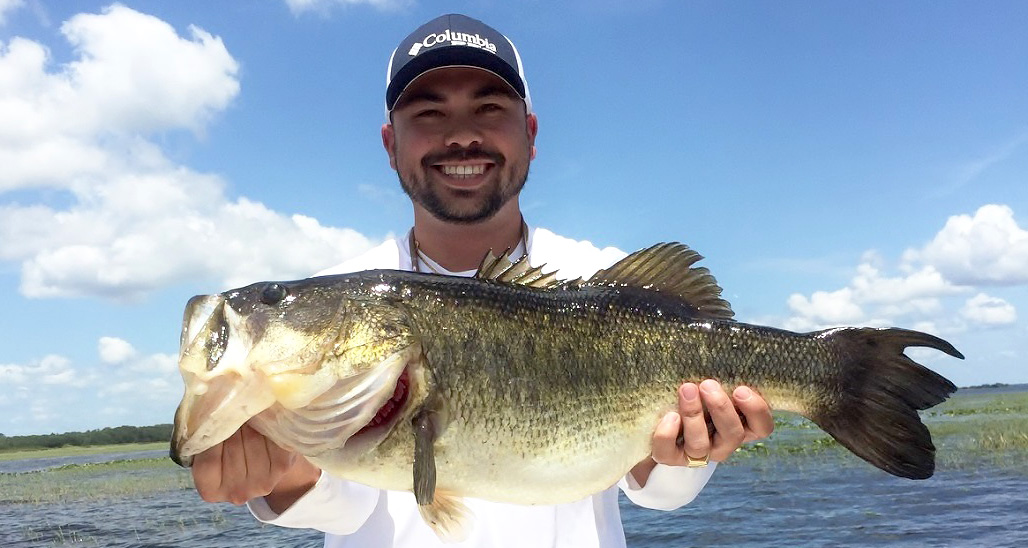
Insider tip: Beginners often overlook how the Gulf’s shallow, calm waters are safer and more comfortable, especially for families and those with less boating experience.
Credit: www.floridasportsman.com
Seasonality And Weather
Fishing is a year-round activity in Florida, but seasonal changes impact each coast differently.
East Coast Patterns
- Winter: Best time for sailfish and king mackerel as cold fronts bring baitfish south.
- Spring/Summer: Mahi and wahoo move closer to shore; inshore species are active.
- Hurricanes: Atlantic storms can disrupt fishing, especially from July to October.
- Wind: The ocean side is windier, which can cause rough seas and limit access.
West Coast Patterns
- Spring/Summer: Tarpon migration peaks; red snapper season opens for a few weeks.
- Fall: Excellent for grouper and trout as water cools.
- Winter: Mild, with consistent inshore action.
- Storms: Fewer direct hurricane hits, but summer thunderstorms are common.
- Calm Days: Gulf waters are often glassy, making more days fishable for small boats.
Non-obvious insight: West coast fishing is less weather-dependent. If you hate canceled trips due to high winds or rough seas, the Gulf may offer more reliable conditions.
Fishing Techniques And Tactics
How you fish—the gear, the methods, the feel—can change by coast.
East Coast Methods
- Trolling is king offshore, especially for pelagic fish like sailfish and mahi.
- Live bait drifting is common for king mackerel and wahoo.
- Jigging and bottom fishing for snapper and grouper, but often in deeper water.
- Inshore, sight casting with artificial lures is popular, especially on clear flats.
West Coast Methods
- Bottom fishing rules offshore, especially for grouper and snapper.
- Chumming and using cut bait near structure is highly effective.
- Inshore, drifting live shrimp or soft plastics across grass flats is standard.
- Fly fishing for tarpon, snook, and redfish is world-class, especially in the Everglades.
Practical tip: If you love deep sea trolling and chasing fast-moving fish, the East Coast is better. If you prefer dropping baits near reefs and feeling the thump of a big grouper, head west.
Credit: www.flatsfishingtrips.com
Top Fishing Destinations: East Vs. West
Some towns are famous for their fishing, and the culture around angling can shape your entire trip.
East Coast Standouts
- Stuart – Known as the “Sailfish Capital of the World.”
- Miami/Fort Lauderdale – Access to reefs, blue water, and the Bahamas.
- Jupiter – Consistent action for snapper, kingfish, and more.
- New Smyrna Beach – Surf fishing and inshore redfish.
- Florida Keys – Legendary for variety, from tarpon to tuna.
West Coast Standouts
- Tampa Bay – Huge estuary system, great for trout, redfish, and snook.
- Boca Grande – World’s top spot for tarpon in spring.
- Destin – “World’s Luckiest Fishing Village,” famous for red snapper and grouper.
- Sarasota – Family-friendly fishing with easy access to grass flats and reefs.
- Naples/Marco Island – Great mix of inshore, nearshore, and offshore.
Charter Boats And Guided Trips
Whether you’re a local or a visitor, hiring a guide can make a huge difference. But the experiences can differ by coast.
East Coast Charters
- Often focus on offshore trolling.
- Larger boats for longer runs and rougher water.
- More likely to offer overnight or multi-day trips targeting big game.
West Coast Charters
- More variety: Inshore, nearshore, and offshore options.
- Smaller boats, often more affordable.
- Many guides offer eco-tours and shelling alongside fishing.
Non-obvious insight: West Coast charters are generally less expensive, thanks to shorter travel times to fishing grounds and calmer seas. This can make them more accessible for families and casual anglers.
Cost And Value
Travel, bait, tackle, and charter prices can add up. Here’s how each coast compares.
| Factor | East Coast (Atlantic) | West Coast (Gulf) |
|---|---|---|
| Charter Cost (full day) | $900–$1,500 | $700–$1,100 |
| Bait & Tackle | More variety, slightly higher prices | Common baits, lower prices |
| Boat Fuel | Less distance to deep water | Longer runs offshore (higher cost) |
| Accommodation | More high-end options, higher prices | More budget options, lower prices |
Note: Actual prices depend on location and season.
Fishing Regulations And Conservation
Both coasts are subject to Florida Fish and Wildlife Conservation Commission (FWC) rules, but there are some differences in bag limits, closed seasons, and protected areas.
- Atlantic Coast: Stricter rules for some pelagic species, such as sailfish (release encouraged).
- Gulf Coast: Red snapper season is short but intense; grouper regulations are complex and change often.
Important: Always check local regulations before fishing. Some areas, especially around reefs and estuaries, are protected or have special rules.
Expert tip: Beginners often overlook “slot limits”—legal size ranges for fish. Keeping undersized or oversized fish can lead to fines.
Local Culture And Amenities
Fishing is woven into the culture of both coasts, but with subtle differences.
East Coast Vibe
- Fast-paced, more urban, especially near Miami and Fort Lauderdale.
- More competitive tournaments (sailfish, mahi, wahoo).
- Major marinas, high-end resorts, and nightlife.
West Coast Vibe
- Laid-back, small-town feel in most areas.
- Community piers and local seafood restaurants.
- Family events, kids’ tournaments, and a focus on relaxation.
Wildlife And Scenery
The environment shapes the experience beyond just the fish.
- East Coast: Long sandy beaches, rocky inlets, and the blue Atlantic horizon. More large ocean wildlife—sharks, dolphins, sea turtles.
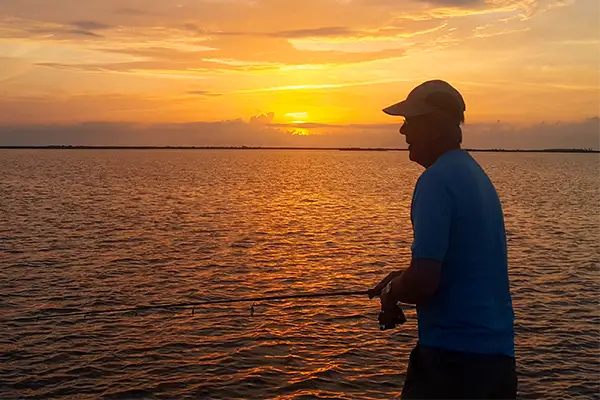
- West Coast: Sunsets over calm water, mangrove islands, and white-sand barrier islands. More likely to spot manatees, seabirds, and rays.
Comparing Overall Fishing Experiences
To sum up, here’s a head-to-head look at the main factors:
| Aspect | East Coast (Atlantic) | West Coast (Gulf) |
|---|---|---|
| Best for | Big game, fast action, deep sea | Bottom fishing, families, calm water |
| Fish variety | Pelagics, snook, redfish | Grouper, snapper, tarpon |
| Access | Quick to deep water | Easy inshore, longer to deep |
| Weather | Windy, rougher seas | Calmer, more fishable days |
| Cost | Higher | Lower |
The Bottom Line: Which Coast Is Better For Fishing?
There’s no universal answer. The best coast for fishing in Florida depends on your goals, experience, and what you value most:
- Choose the East Coast if you want big game, blue water, and a challenge. It’s ideal for advanced anglers chasing trophy fish and those who love the thrill of pelagic species.
- Choose the West Coast for steady action, family outings, and more relaxed trips. The Gulf is perfect for beginners, kids, and those who enjoy fishing in calm, beautiful settings.
Non-obvious tip: Many seasoned Florida anglers switch coasts seasonally to chase different species and conditions. If you can, try both—each offers something unique.
No matter which side you choose, Florida offers some of the best fishing on the planet. The real secret is not picking a side, but matching your trip to the experience you want.
For more detailed information on Florida fishing regulations, visit the Florida Fish and Wildlife Conservation Commission.

Credit: www.youtube.com
Frequently Asked Questions
Is The Fishing Better On The East Or West Coast Of Florida For Beginners?
The west coast is generally better for beginners. The water is calmer, there are more inshore spots, and fishing is more forgiving. You can catch a variety of fish from piers, beaches, or small boats without worrying about rough seas.
Which Coast Has Bigger Fish?
If you’re after big game fish like sailfish, wahoo, or mahi mahi, the east coast is better. For bottom dwellers like grouper and snapper, the west coast often produces bigger catches because of the Gulf’s structure and reefs.
Can I Fish Year-round On Both Coasts?
Yes, you can fish all year on both sides, but the species and conditions change with the seasons. Some fish have closed seasons, and weather (especially hurricanes on the east) can affect access.
Are Fishing Licenses And Rules The Same On Both Coasts?
You need a Florida fishing license for both coasts, but regulations differ. Bag limits, size limits, and open seasons can vary between Atlantic and Gulf waters. Always check the latest rules before you fish.
Which Coast Is Better For Family Fishing Trips?
The west coast is usually better for families. The calm Gulf waters are safe for kids, and there are many spots for easy, productive shore or pier fishing. Many guides also specialize in family-friendly trips.
Whether you choose the east or west, Florida’s diverse fisheries promise memories and excitement for every angler. Each coast has its own flavor—so the real adventure is discovering which side suits you best.