Topwater fishing is one of the most exciting and visual forms of angling. Imagine a calm lake at sunrise, a lure skimming across the surface, and suddenly—an explosive strike from beneath. This style of fishing is a favorite for many because it’s not just about catching fish, but also about the thrilling moments leading up to each catch.
For both beginners and experienced anglers, understanding topwater fishing opens the door to a world where anticipation, skill, and the right approach combine for memorable experiences.
What Is Topwater Fishing?
Topwater fishing is a method where you use lures that float on or move just above the surface of the water. The goal is to mimic prey like insects, frogs, or injured baitfish that are often found on top of the water.
Predatory fish see these lures and attack them aggressively, leading to dramatic surface strikes that are both visible and audible.
The term “topwater” describes both the lures used and the zone of the water where the action happens. Unlike other fishing methods where lures sink or dive deep, topwater lures stay on the surface. This makes every moment visible to the angler, from the approach of the fish to the final bite.
Because of this visibility, topwater fishing is not just about the catch—it’s about the show.
Why Topwater Fishing Is So Popular
Topwater fishing stands out for several reasons:
- Visual excitement: Watching a fish explode on the surface is a unique thrill. You can see the strike happen, adding suspense and adrenaline.
- Active engagement: Anglers must work the lure with rod movements, creating lifelike action. You’re not just waiting; you’re actively making things happen.
- Accessible locations: Many fish species respond to topwater lures in ponds, lakes, rivers, and even saltwater. You don’t need deep water or specialized gear.
- Perfect for low-light hours: Early morning and late evening are prime times when fish feed near the surface, making it a great way to start or end a fishing day.
Many anglers love topwater fishing for the chance to experience the “heart-stopping” moments when a big fish strikes only inches from your lure.

Credit: www.youtube.com
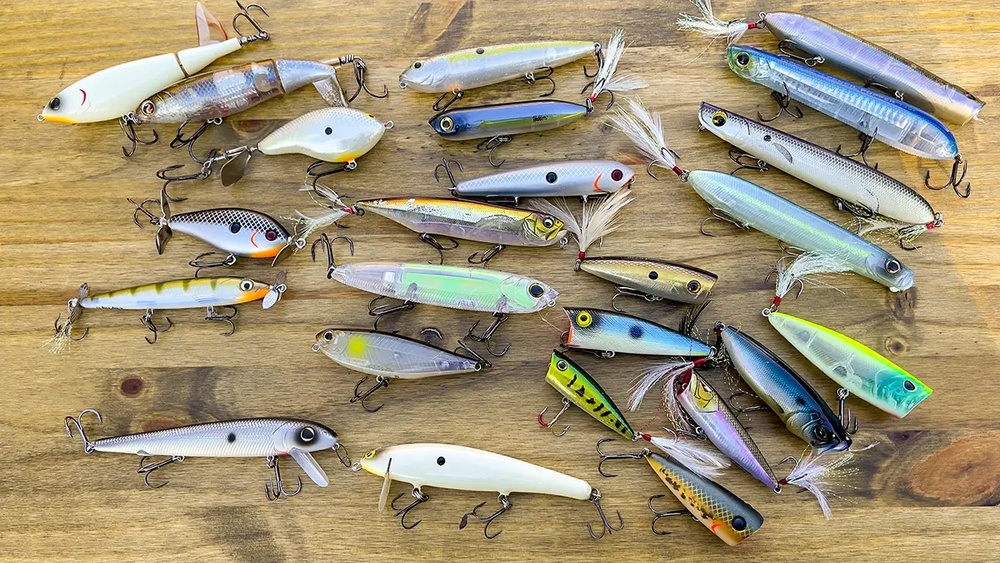
Key Types Of Topwater Lures
Understanding the main types of topwater lures helps you choose the right one for different situations. Each lure type creates unique sounds, movements, and appearances that attract fish differently.
| Lure Type | Main Action | Best Target Species |
|---|---|---|
| Poppers | Chugs and spits water | Bass, Pike, Panfish |
| Walk-the-dog (Stickbaits) | Side-to-side zigzag | Bass, Striper, Redfish |
| Prop baits | Spinning props create noise | Bass, Muskie, Pike |
| Frogs | Glide and hop over vegetation | Bass, Snakehead |
| Buzzbaits | Rotating blade churns surface | Bass, Pike |
Poppers
Poppers are shaped like small cups at the front. When you jerk the rod, they make a popping sound and splash water. This mimics the noise of an insect or small fish struggling on the surface. Bass and panfish are especially attracted to poppers.
Walk-the-dog Lures
These are stickbaits that move in a side-to-side “zigzag” pattern. The angler creates this action by twitching the rod tip. This erratic movement looks like a wounded baitfish, which can trigger aggressive strikes from predatory fish.
Prop Baits
Prop baits have spinning blades at one or both ends. When retrieved, the props spin and make splashing noises. This sound attracts fish from a distance, making it useful in windy or murky conditions.
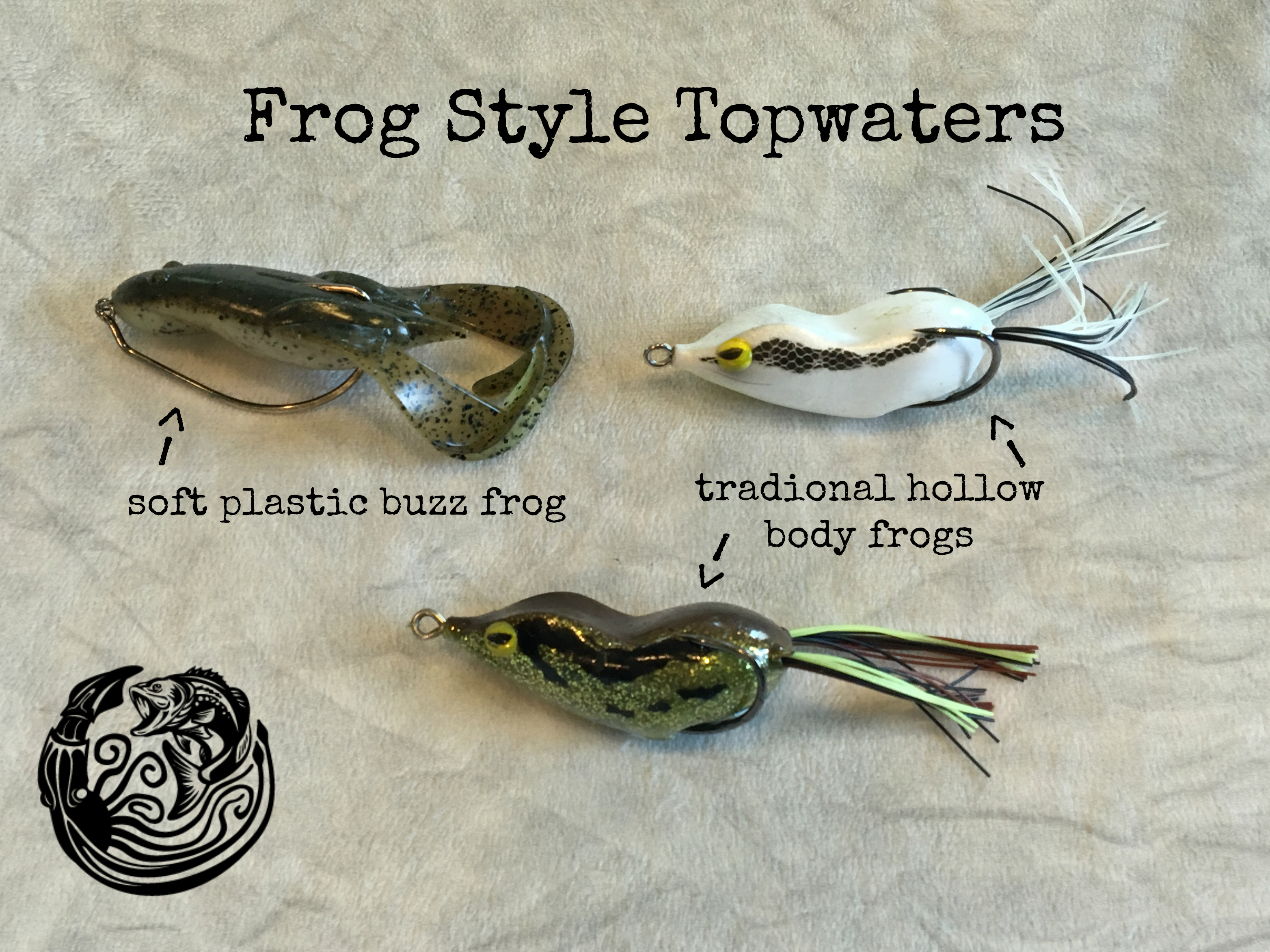
Frog Lures
Frog lures are designed to look and act like real frogs. They glide and hop across lily pads or thick weeds, where real frogs are found. Their weedless design means they rarely get stuck, making them perfect for fishing in heavy cover.
Buzzbaits
Buzzbaits have a rotating blade that churns water as you reel them in. They create a lot of noise and vibration, which draws in fish even when visibility is low.
How Topwater Fishing Works
Topwater fishing is about more than just casting and reeling. It requires understanding fish behavior, water conditions, and the correct way to work each lure.
Reading The Water
To succeed in topwater fishing, you need to identify where fish are likely to strike:
- Shallow areas: Early morning and late evening, fish move to shallower water to feed.
- Near cover: Structures like logs, rocks, weeds, or docks are hotspots. Prey gathers here, and so do predators.
- Calm water: Smooth surfaces make it easier for fish to see and hear your lure. Choppy water can make topwater lures less effective, though some noisy lures can still work.
Working The Lure
Each topwater lure needs a specific technique:
- Pop and pause: For poppers, pop the lure, then pause. Fish often strike during the pause.
- Steady retrieve: Buzzbaits work best with a constant speed.
- Twitch and walk: Stickbaits need a rhythmic twitch to create the walk-the-dog action.
- Hopping: With frog lures, hop them across vegetation, pausing occasionally.
Timing And Conditions
Topwater fishing works best:
- At dawn and dusk: Fish are most active near the surface in low light.
- Overcast days: Cloud cover keeps fish shallow longer.
- Warm water: Fish tend to stay higher in the water when temperatures rise.
However, don’t write off midday or sunny days. Sometimes, a well-placed topwater lure near shade or structure can trigger a bite even in bright conditions.
Essential Gear For Topwater Fishing
You don’t need expensive gear, but some choices make a big difference:
Rods
- Medium-heavy to heavy power: These rods have enough backbone to set hooks firmly and pull fish out of heavy cover.
- Fast action: A rod that bends mostly at the tip helps with quick hooksets and accurate lure action.
Reels
- Baitcasting reels: Offer better control and power, especially for heavy lures and thick cover.
- Spinning reels: Easier for beginners, and work well with lighter lures.
Line
Choosing the right fishing line is crucial:
- Braided line: Floats well and is very strong, perfect for heavy cover and frog lures.
- Monofilament line: Also floats and offers some stretch, which can help prevent fish from shaking the hook.
- Fluorocarbon line: Sinks, so it’s not ideal for topwater lures.
| Line Type | Best Use | Key Advantage |
|---|---|---|
| Braided | Heavy cover, frogs | No stretch, floats, very strong |
| Monofilament | General topwater | Floats, some stretch for forgiveness |
| Fluorocarbon | Not recommended | Sinks, reduces lure action |
Hooks
Many topwater lures have built-in treble hooks, but some anglers switch to single hooks for easier release and less injury to fish. Make sure hooks are sharp—a dull hook can mean missed strikes.
Common Species Targeted With Topwater Fishing
Topwater fishing is effective for many freshwater and saltwater species. Here are some of the most popular targets:
- Largemouth Bass: The classic topwater fish, especially in lakes and ponds.
- Smallmouth Bass: Often strike walk-the-dog lures in rivers and rocky areas.
- Northern Pike: Aggressive predators that love noisy lures.
- Muskellunge (Muskie): Large, powerful strikes, but require heavy gear.
- Snakehead: Known for explosive topwater attacks, especially on frogs.
- Peacock Bass: Found in South America and parts of Florida, these fish hit hard on the surface.
- Striped Bass: Both freshwater and saltwater, often caught on big walk-the-dog lures.
- Redfish: In coastal saltwater, they smash topwater plugs in shallow flats.
- Tarpon: Large, acrobatic fish in saltwater that respond to big topwater lures.
- Panfish: Such as bluegill and crappie, especially with small poppers.
Some species, like carp and trout, rarely take topwater lures, but there are always exceptions—especially when insects are hatching.
Topwater Fishing Techniques For Success
Match Your Lure To The Conditions
- Clear water: Use natural colors and subtle actions.
- Muddy water: Choose loud, bright, or noisy lures to help fish find them.
- Windy days: Go for larger, noisier lures that can be detected in the chop.
Vary Your Retrieve
Fish can become “conditioned” to seeing the same lure action, especially in pressured waters. Try different speeds, pauses, and actions to find what works.
Watch For Follows And Missed Strikes
If a fish misses the lure, pause and wait. Sometimes the fish will circle back. If not, cast again immediately. For multiple misses, change your retrieve or switch lure types.
Stay Focused
It’s easy to get excited and set the hook too soon. Wait until you feel the weight of the fish before setting the hook. Many beginners pull the lure away too quickly.
Use Polarized Sunglasses
Polarized lenses help you spot fish, bait, and underwater cover. They also reduce glare, making it easier to see your lure and approaching fish.
Common Mistakes In Topwater Fishing
Even experienced anglers make errors that cost them fish. Here are mistakes to avoid:
- Setting the hook too early: Wait for the fish to take the lure fully before striking.
- Using the wrong line: Fluorocarbon sinks and can ruin the action of topwater lures.
- Fishing too fast: Sometimes, slower or paused retrieves work better, especially in cold water.
- Ignoring weather: Topwater lures are less effective on very windy or bright days unless you adapt your approach.
- Poor lure maintenance: Replace rusty hooks and check for broken parts. A faulty lure won’t produce strikes.
- Not adjusting to fish behavior: If you see fish swirling but not striking, change your lure or retrieve.
Advanced Tips For Topwater Fishing
Use Sound To Your Advantage
Many topwater lures make noise, but not all sounds are equal. Rattling lures work well in murky water, while silent lures can be better in clear, pressured lakes. Some expert anglers even sand or modify their lures to create a unique sound.
Pay Attention To The Moon And Tides
In saltwater or tidal rivers, topwater action often peaks during certain moon phases or incoming tides. Fish are more active and feed more aggressively at these times.
Try Topwater At Night
While less common, fishing at night with topwater lures can be very effective, especially for bass and saltwater species. Use dark-colored lures to silhouette against the sky.
Downsize During Tough Conditions
When fish are shy or conditions are tough, switch to smaller lures. Downsizing can trigger bites when larger, noisier lures are ignored.
Learn To Skip Lures
Skipping lures under docks or overhanging trees puts your bait where bigger fish hide. Practice this technique with soft frogs or certain poppers.
Comparing Topwater Vs. Other Fishing Methods
| Fishing Method | Main Lure Zone | Best Use | Strike Visibility |
|---|---|---|---|
| Topwater | Surface | Active fish, low light | High |
| Crankbait | Mid-depth to deep | Covering water quickly | Low |
| Jigging | Bottom | Inactive/cold fish | None |
| Spinnerbait | Subsurface | Murky water, cover | Moderate |
Topwater fishing offers the most visual experience, but sometimes deeper methods work better in cold or bright conditions. Many successful anglers switch between methods as conditions change.

Credit: leebaileyjr.com
Non-obvious Insights For Topwater Success
Many beginners miss these points:
- Surface tension matters: On humid or hot days, surface tension is higher and can affect how lures sit and move. Lighter lures may not “pop” as well, and heavy lures can create a bigger disturbance. Adjust your lure choice based on weather.
- Sound travels differently: In early mornings, sound carries farther across calm water. On windy days, fish rely more on vibration than sight or sound. Match your lure noise to these conditions.
- Invisible fish activity: Sometimes, fish “boil” or swirl under the surface without striking. This can mean they’re following but not convinced. Try a color change or a different action to seal the deal.
- Birds as indicators: Birds diving or sitting on the water often show where bait is near the surface. Fish will be close by.
Environmental Impact And Ethical Fishing
Topwater fishing, like all angling, should be practiced responsibly:
- Catch and release: Use barbless hooks if possible, and handle fish gently to minimize harm.
- Avoid sensitive spawning areas: Especially during breeding seasons, give fish space to reproduce.
- Remove litter: Take all trash and fishing line with you to protect wildlife.
- Report invasive species: Some lures can attract invasive fish like snakehead; know the rules for your area.
Frequently Asked Questions
What Fish Can I Catch With Topwater Lures?
Topwater fishing is most popular for bass, pike, muskie, and panfish in freshwater. In saltwater, you can catch species like striped bass, redfish, and tarpon. Almost any predatory fish that feeds near the surface is a good target.
When Is The Best Time To Use Topwater Lures?
The best times are early morning and late evening, when fish move into shallow water to feed. Overcast days also extend the topwater window. Some anglers also have success at night, especially in summer.
Do I Need Special Gear For Topwater Fishing?
While you can use most standard rods and reels, medium-heavy rods and braided or monofilament lines are best. Avoid fluorocarbon line because it sinks and can spoil the action of your topwater lure.
Credit: krakenbass.com
Can I Use Topwater Lures In Saltwater?
Yes, many topwater lures work in both fresh and saltwater. Just be sure to rinse your gear after use to prevent corrosion. Saltwater species like striped bass and redfish are famous for hitting topwater plugs.
Are There Any Safety Tips For Topwater Fishing?
Always wear a life jacket when fishing from a boat or kayak. Be careful with treble hooks—they’re sharp and can cause injury. In hot weather, protect yourself from sunburn and dehydration.
Topwater fishing is more than just a way to catch fish—it’s a full experience that connects you with nature and the underwater world in a direct, visual way. Each cast is a chance for excitement, and every strike brings a new story. Whether you’re just starting or looking to master the art, remember to adapt, observe, and enjoy every moment on the water. For more about the science of angling behavior, see this Wikipedia resource.