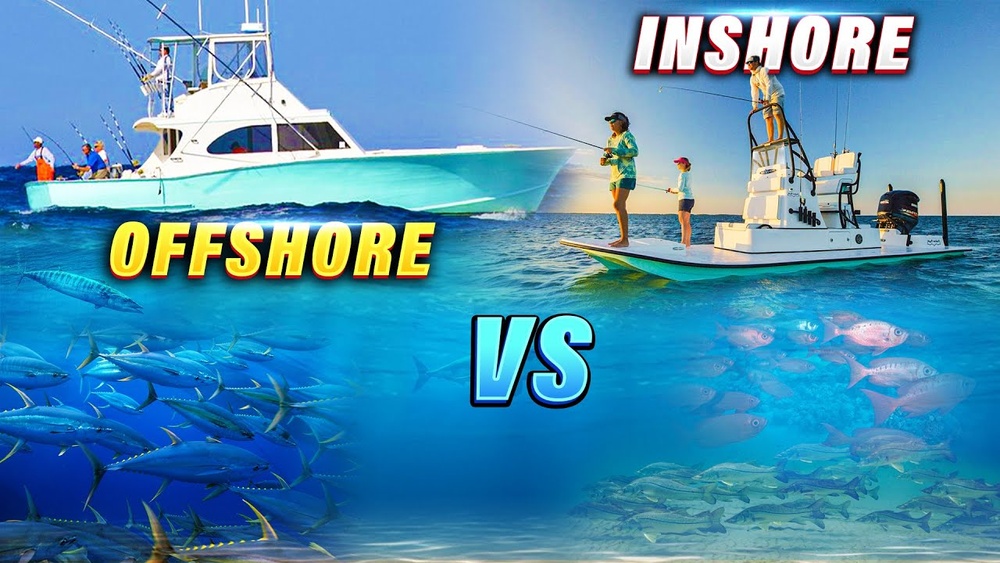
Fishing along the coast offers many experiences, but two terms often confuse newcomers: inshore fishing and nearshore fishing. Both provide exciting opportunities, but each comes with its own style, target species, gear, and set of challenges. Understanding the difference is essential if you want to choose the right trip, catch the fish you dream of, or simply have the best day on the water. Many people book the wrong trip and end up disappointed—not because the fish weren’t biting, but because they expected something different. Let’s break down these two popular types of fishing, compare them in detail, and help you make a confident choice for your next adventure.
What Is Inshore Fishing?
Inshore fishing means fishing in shallow waters close to land, usually within a few miles from shore. The water depth is generally less than 30 meters (about 90 feet). The area often includes bays, estuaries, mangroves, tidal creeks, and the edges of beaches. What makes inshore fishing special is the calmness of the water and easy access—most trips last a half or full day, and you don’t need to travel far from the dock.
Common target species include redfish, snook, trout, flounder, and tarpon. These fish thrive in warm, shallow water and are often found around structure like docks, rocks, grass beds, and oyster bars. Because the water is not deep, anglers can use lighter tackle, smaller boats (even kayaks), and simple rigs.
One big appeal of inshore fishing is its approachability. Beginners, families, and even children can enjoy it without a steep learning curve. The calm water means less seasickness, and you’re always within sight of land. For people who enjoy nature, inshore zones are full of birds, dolphins, and sometimes even manatees.
What Is Nearshore Fishing?
Nearshore fishing takes you a bit farther from land—usually from the edge of the inshore zone out to 9 miles offshore, sometimes up to 20 miles, depending on local regulations and geography. The water gets deeper (often 30–100 meters or more), and conditions can be rougher, with bigger waves and stronger currents.
Nearshore fishing targets a different set of species. You’ll often find snapper, grouper, king mackerel, cobia, amberjack, and sometimes smaller tuna or mahi-mahi. These fish are larger and stronger, so anglers use heavier tackle and more robust boats. You’ll often fish around reefs, wrecks, rock piles, and other underwater structures.
Trips can last a bit longer—often 6 to 8 hours—and may require more skill and stamina. While still not as demanding as deep-sea (offshore) fishing, nearshore trips offer a step up in adventure and reward. The chance to catch bigger fish draws many anglers who want to challenge themselves but are not ready for full offshore journeys.
Key Differences: Inshore Vs Nearshore Fishing
To make the choice easier, let’s compare the main differences side by side. This will help you see, at a glance, what each style offers.
| Aspect | Inshore Fishing | Nearshore Fishing |
|---|---|---|
| Distance from Land | 0–3 miles (often within sight of land) | 3–9 miles (sometimes up to 20 miles) |
| Water Depth | 1–30 meters (3–90 feet) | 30–100+ meters (90–300+ feet) |
| Common Species | Redfish, snook, trout, flounder, tarpon | Snapper, grouper, king mackerel, cobia, amberjack |
| Boat Type | Small boats, skiffs, kayaks | Mid-sized center consoles, offshore boats |
| Trip Length | 2–6 hours | 4–8 hours |
| Skill Level | Beginner-friendly | Some experience helpful |
| Seasickness Risk | Low | Moderate |
Target Species: What Fish Can You Catch?
Inshore Favorites
- Redfish (Red Drum): Strong, hard-fighting, and often found near grass beds or oyster bars. Popular in the Gulf Coast and Southeast US.
- Snook: Known for their speed and jumping ability. Found in warm, shallow waters around mangroves.
- Speckled Trout: Easy for beginners, often caught on live shrimp or soft plastic lures.
- Flounder: Flat fish that hide on the sandy bottom, waiting to ambush prey.
- Tarpon: Famous for their size and acrobatics. Sometimes called the “silver king,” tarpon are catch-and-release only in many areas due to their importance.
Nearshore Top Catches
- Snapper: Includes species like red snapper and mangrove snapper, prized for their taste and fight.
- Grouper: Large, bottom-dwelling fish that live around reefs and wrecks.
- King Mackerel: Fast, hard-hitting predators. A favorite for those who enjoy trolling.
- Cobia: Curious fish that often follow rays or swim near surface debris.
- Amberjack: Known for their power and stamina. Catching one can be a real workout.
- Spanish Mackerel: Smaller than king mackerel but still a lot of fun.
- Mahi-Mahi (Dorado): Sometimes found nearshore in warm waters, especially in late summer.
- Blackfin Tuna: Rare but possible, especially if you venture closer to the 20-mile mark.
Pro tip: If you want a specific fish, always ask local captains what’s biting before you book. Fish move with the seasons, and local knowledge matters.
Boats And Equipment: What You Need
Inshore Gear And Boats
Inshore fishing is accessible. Most anglers use:
- Light spinning or baitcasting rods (6–7 feet)
- 10–20 lb test line
- Small reels (1000–3000 size)
- Live bait (shrimp, mullet, small crabs) or soft plastic lures
Boats are simple: skiffs, flats boats, bay boats, jon boats, or even kayaks. These vessels have shallow drafts, so they can move through very shallow water without running aground.
Because you’re near land, navigation is simple. Most inshore boats have basic electronics and safety gear. You rarely need heavy-duty anchors or advanced electronics.
Nearshore Boats And Tackle
Nearshore fishing requires sturdier gear:
- Medium-heavy to heavy rods (6–8 feet)
- 30–50 lb test line (sometimes heavier for big grouper or amberjack)
- Larger reels (4000–6000 size)
- Wire leaders (for toothy fish like mackerel)
- Live bait (pinfish, sardines) or cut bait
Boats are larger and more stable. Center console boats (23–35 feet) are common, with twin outboard engines. These boats handle rougher seas and travel faster. They often have radar, GPS, and fish finders, along with more safety equipment—like VHF radios and life rafts.
Non-obvious insight: Beginners often forget that nearshore boats burn much more fuel. This can make trips more expensive—even if the distance does not look much greater on a map.
Fishing Techniques: How Do You Fish?
Inshore Methods
- Casting: Most common—cast near structure (docks, rocks, grass) and work the lure back slowly.
- Drifting: Let the wind or tide move your boat while you fish. Effective in open bays.
- Sight fishing: In clear, shallow water, you can often see fish before you cast. This is exciting but requires patience and sharp eyes.
- Live baiting: Hook a shrimp or small mullet under a popping cork and let it drift naturally.
Because the water is shallow, stealth is important. Poling or using a trolling motor helps avoid spooking fish.
Expert tip: Use lighter line and smaller hooks for wary fish like trout or snook. Heavy gear can scare them off.
Nearshore Approaches
- Bottom fishing: Drop bait to the bottom near reefs or wrecks for snapper and grouper.
- Trolling: Drag lures or baits behind the boat for mackerel, kingfish, or mahi-mahi.
- Jigging: Lower a heavy lure to the bottom and quickly reel it up. This triggers strikes from amberjack or grouper.
- Chumming: Toss cut bait into the water to attract predators like king mackerel.
Because the water is deeper and currents are stronger, heavier weights and lines are required. You may use downriggers or planers to get bait to the right depth.
Non-obvious insight: Nearshore fish often gather around “live bottom”—areas with natural sponges and corals, not just artificial reefs. Don’t focus only on marked wrecks.

Credit: fishingbooker.com
Trip Experience: What To Expect
Inshore Trip
- Short travel time: You start fishing quickly, usually within 10–15 minutes from the dock.
- Smooth ride: Protected waters mean less bumping and rolling.
- Wildlife: You may spot dolphins, pelicans, or even manatees.
- Easy bathroom breaks: You’re often close enough to return to shore if needed.
- Less fatigue: Lighter gear and shorter trips mean less physical effort.
Nearshore Adventure
- Longer ride: It may take 30–60 minutes to reach the fishing grounds.
- Rougher seas: Waves can be 1–3 meters (3–10 feet) on windy days.
- Bigger fish: Expect longer fights and sore arms.
- Unpredictable action: Some days you’ll catch many fish, other days you may wait longer for a bite.
- More preparation: Seasickness pills, sun protection, and snacks are more important.
Common mistake: Many first-timers underestimate how tiring nearshore fishing can be, especially if the seas are rough. Always ask about the weather before you go.
Cost And Accessibility
Inshore Costs
- Half-day trip: $300–$600 (for 2–4 people, US prices)
- Full-day trip: $500–$900
- Kayak rental: $50–$150 per day
You can often fish from shore or public docks for free or a small fee. Licenses are usually cheaper or included with guided trips.
Nearshore Pricing
- Half-day trip: $500–$900 (for 4–6 people)
- Full-day trip: $900–$1,500+
- Fuel surcharge: Some captains add a fuel fee if traveling long distances
Gear and bait are usually included, but tips for the crew are expected. Private trips cost more, but you get more control over the experience.
Pro tip: Always ask what’s included. Some trips do not provide drinks, food, or cleaning service for your catch.
Safety And Regulations
Both inshore and nearshore fishing have rules to protect fish and people. In the US, most states require a fishing license. Bag limits, size limits, and seasonal closures help maintain healthy fish populations.
Nearshore trips must follow additional safety rules. Boats need more equipment—like EPIRBs (emergency beacons), life jackets for each person, and up-to-date flares. Captains should be licensed and experienced with local waters.
Non-obvious insight: In some regions, nearshore fishing enters federal waters, where different rules apply. Always check with your captain or local fishery office.
When To Go: Best Seasons For Each
Inshore Timing
- Spring: Excellent for redfish and trout as they feed in warming shallows.
- Summer: Good for snook, tarpon, and flounder, but midday heat can be intense.
- Fall: Redfish often school up, making for easy catches.
- Winter: Some species slow down, but sheepshead and trout are still active.
Nearshore Seasons
- Spring: King mackerel, cobia, and snapper move closer to shore.
- Summer: Amberjack, grouper, and mahi-mahi are common, but weather can be rough.
- Fall: Grouper and snapper are strong targets, and storms are less common.
- Winter: Fishing slows, but some species remain. Always check sea conditions.
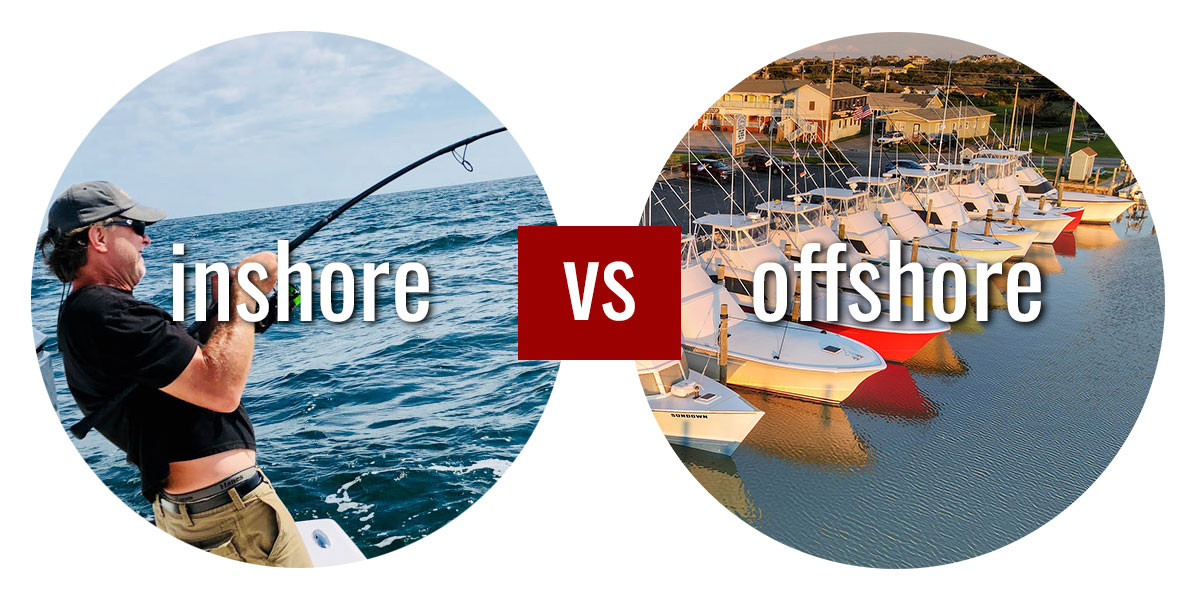
Pro tip: Weather affects nearshore trips more than inshore. Windy days can cancel trips, while inshore fishing often continues in light rain or breeze.
Credit: www.chasintydecharters.com
Who Should Choose Inshore Or Nearshore?
Inshore Is Best For:
- Beginners and families who want a relaxed, easy experience
- People who get seasick easily
- Photographers and nature lovers (lots of wildlife)
- Those with limited time (short trips)
- Kayak anglers or small boat owners
Nearshore Is Best For:
- Anglers seeking bigger fish
- Groups who want adventure
- People with some fishing experience
- Those interested in reefs and wrecks
- Adventurers willing to spend more time on the water
Non-obvious insight: Some locations have “hybrid” trips—start inshore for a few hours, then move nearshore if weather and time allow. This can be a great way to sample both.
Real World Examples: Florida And Gulf Coast
In places like Florida, you have both options side by side. In Tampa Bay, you might fish inshore for redfish in the morning, then move out to a nearshore reef for snapper in the afternoon.
On the Texas Gulf Coast, inshore means targeting speckled trout or flounder in shallow bays. Nearshore, you’ll find king mackerel and cobia around oil rigs and artificial reefs.
In the Carolinas, inshore fishing is popular for flounder and drum in the marshes, while nearshore anglers chase Spanish mackerel and grouper on reefs.
External resource: For more information on fishing zones, species, and regulations, check the Florida Fish and Wildlife Conservation Commission website.

Credit: www.youtube.com
Environmental Impact: Sustainability Matters
Inshore fishing often has less impact on fish populations, especially if you practice catch-and-release and avoid sensitive spawning areas. However, shallow zones are sensitive to boat traffic—propeller scars can damage seagrass beds, and careless anchoring can harm oyster reefs.
Nearshore fishing can put pressure on key species like snapper and grouper. That’s why there are strict limits on how many you can keep. Fishing around artificial reefs helps take pressure off natural habitats, but it’s important to follow all rules.
Non-obvious insight: Responsible captains use circle hooks, which reduce injury to released fish, and dehooking tools to minimize harm. Always ask your guide about their conservation practices.
Weather And Comfort: What Affects Your Trip?
Weather affects both types of fishing, but in different ways.
- Inshore: Rain and wind may slow fishing, but you can often find protected spots. Lightning is the main danger—trips are canceled if storms are nearby.
- Nearshore: Wind and waves can make trips unsafe or uncomfortable. Swells over 1.5 meters (5 feet) are tough for beginners.
Comfort tips:
- Bring sun protection (hat, sunglasses, sunscreen)
- Wear non-slip shoes
- Pack water and snacks
- Take seasickness medication if you’re worried (especially for nearshore)
Non-obvious insight: Even on sunny days, wind can whip up waves quickly. Always check the marine forecast before heading out.
How To Choose The Right Trip For You
Ask yourself these questions:
- How much time do you have? (Short = inshore, Longer = nearshore)
- Do you want to stay close to land?
- Are you after a specific fish?
- What’s your budget?
- How much experience do you have?
- Are you bringing kids or people who get seasick?
Pro tip: If you’re unsure, start with an inshore trip. You can always try nearshore later. The most important thing is to have fun and stay safe.
Sample Trip Comparison
Here’s a snapshot of what a typical day might look like, depending on your choice:
| Trip Type | Start Time | Travel Time | Main Activities | Fish Kept |
|---|---|---|---|---|
| Inshore | 7:00 AM | 10-15 min | Cast at mangroves, drift grass flats | Redfish, trout, flounder (within limits) |
| Nearshore | 6:30 AM | 30-60 min | Bottom fish reefs, troll for mackerel | Snapper, grouper, kingfish (within limits) |
Final Thoughts
Inshore and nearshore fishing both offer fun and adventure, but they suit different people and goals. Inshore is perfect for beginners, families, or those who want a relaxing day close to land. Nearshore is better if you crave bigger fish, more challenge, and don’t mind a longer, sometimes rougher, trip. The best choice is the one that matches your comfort, skill, and what you want from your day on the water.
Learning the difference means you’ll never waste a trip on the wrong type of fishing. You’ll catch more fish, have better stories, and maybe discover a new passion. Whether you cast in a quiet bay or battle a king mackerel over a deep reef, the coast has something for everyone.
Frequently Asked Questions
What Is The Main Difference Between Inshore And Nearshore Fishing?
The main difference is how far you go from land and how deep the water is. Inshore fishing stays close to shore, in shallow water (less than 30 meters), and targets species like redfish and trout. Nearshore fishing goes farther out (3–9 miles), in deeper water, for bigger fish like snapper and king mackerel.
Do I Need Special Gear For Nearshore Fishing?
Yes. Nearshore fishing requires heavier rods, stronger line (30–50 lb test), and sometimes wire leaders for toothy fish. Boats are larger and more stable. Inshore fishing uses lighter gear and smaller boats.
Is Inshore Fishing Good For Beginners?
Absolutely. Inshore fishing is very beginner-friendly. The water is calm, the fish are easy to catch, and you don’t need much experience. It’s great for families and children.
How Do I Avoid Seasickness On A Nearshore Trip?
Take seasickness medication (like Dramamine) the night before and morning of your trip. Eat a light breakfast, stay hydrated, and look at the horizon if you feel ill. Pick a calm day if possible.
Can I Keep The Fish I Catch?
It depends on the species and local regulations. Many inshore and nearshore fish have size and bag limits. Some, like tarpon, are catch-and-release only. Your captain or local fishery office can tell you the latest rules.
—
Whether you want a peaceful day on the bay or an exciting battle offshore, knowing the difference between inshore and nearshore fishing will help you choose the perfect experience. Happy fishing!