
If you’re excited to catch your first trout or want to improve your fishing skills, setting up your fishing pole correctly is the first and most important step. Many beginners start with the right energy but soon get confused by all the gear and choices.
The good news is that trout fishing is not as hard as it might seem—if you know how to set up your fishing pole properly. Understanding every step will not only save you time on the water but also help you catch more trout and enjoy the experience.
In this article, you’ll find simple, clear explanations for every part of the setup, from picking the right rod to tying your final knot. You’ll also learn about common mistakes and smart tips that even many experienced anglers miss. Whether you’re a complete beginner or looking to brush up on your skills, this guide will walk you through everything you need to know to get your fishing pole ready for trout.
Understanding Trout And Their Habitat
Before you start assembling your gear, it’s helpful to know a little about trout and where they live. Trout are freshwater fish found in streams, rivers, and lakes, mostly in cooler, clean water. The three most common species are rainbow trout, brown trout, and brook trout. Knowing their preferences helps you choose the right setup.
- Trout prefer clear, oxygen-rich water with temperatures between 50°F and 60°F (10°C to 16°C).
- They often stay near rocks, under logs, or in deep pools to avoid strong currents and predators.
- In lakes, trout usually feed near the shore during early morning or late evening.
Understanding this environment helps you decide on the right tackle and setup for your fishing pole.
Choosing The Right Fishing Pole
The heart of your setup is the fishing pole (also called a rod). For trout, you want a rod that is light, sensitive, and easy to handle.
Rod Length
- Typical length for trout: 6 to 7 feet (1.8–2.1 meters)
- Shorter rods (under 6 feet) give more control in small streams with lots of trees or bushes.
- Longer rods (over 7 feet) are better for casting farther in open lakes or wide rivers.
Rod Power And Action
- Light or ultra-light power: Best for trout, as they make it easier to feel even gentle bites.
- Fast action: The rod bends mostly at the tip, giving quick hook sets and more sensitivity.
Material
- Graphite rods: Lightweight and sensitive, perfect for feeling light trout bites.
- Fiberglass rods: More durable and flexible, good for beginners but less sensitive.
Example Comparison
Here’s a quick comparison of common trout fishing rods:
| Rod Type | Power | Length | Best For |
|---|---|---|---|
| Graphite | Ultra-light/Light | 6–7 ft | Sensitivity, Experienced Anglers |
| Fiberglass | Light | 5–6 ft | Durability, Beginners |
| Composite | Light/Medium | 6–7 ft | Versatility, All Levels |
Selecting The Right Reel
The reel is what holds your fishing line and helps you control it. For trout, a spinning reel is the most popular choice because it’s simple and effective.
Reel Size
- 1000 to 2500 size: Ideal for most trout fishing. These reels are light and match well with light rods.
- Larger reels are not needed and can make your setup heavy.
Features To Look For
- Smooth drag system: Lets you adjust resistance easily, important when fighting trout.
- Line capacity: Should hold at least 100 yards (90 meters) of 4–8 lb line.
- Quality materials: Look for corrosion-resistant metal or graphite for longer life.
Matching Rod And Reel
Make sure your reel balances your rod. Too heavy a reel can make casting tiring and reduce accuracy. Hold both together before buying if possible.
Choosing The Best Fishing Line
Your fishing line connects you to the trout, so choosing the right type is important.
Types Of Fishing Line
- Monofilament: Most common, inexpensive, and easy to handle. Good for beginners.
- Fluorocarbon: Nearly invisible underwater, sinks faster, great for clear water.
- Braided: Very strong and thin but more visible. Usually not needed for trout.
Line Strength
- 2–8 lb test: Best for trout. “Test” refers to the maximum weight the line can handle before breaking.
- Use lighter line for smaller streams and wary trout, heavier for bigger fish or rougher water.
Example Of Line Selection
| Water Type | Recommended Line | Pound Test |
|---|---|---|
| Small Stream | Monofilament | 2–4 lb |
| Clear Lake | Fluorocarbon | 4–6 lb |
| Large River | Monofilament/Braided | 6–8 lb |
Non-obvious Insight
Fluorocarbon is stiffer and can be harder to tie knots with, so practice your knots before fishing with it. Also, if you fish in areas with lots of rocks or logs, monofilament’s stretch can help absorb sudden pulls and reduce break-offs.
Essential Tackle For Trout Fishing
The small parts you attach to your line—tackle—make a big difference in how you present your bait and catch trout.
Hooks
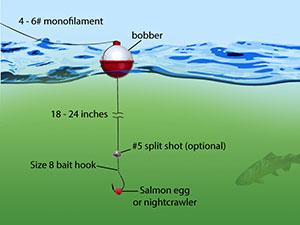
- Size 8 to 14: Smaller hooks are better; trout have small mouths.
- Single hooks are easier to remove and cause less harm to the fish.
Weights (sinkers)
- Split shot: Small, round weights pinched onto the line. Use just enough weight to get your bait down, but not too much.
- Too much weight makes your bait look unnatural.
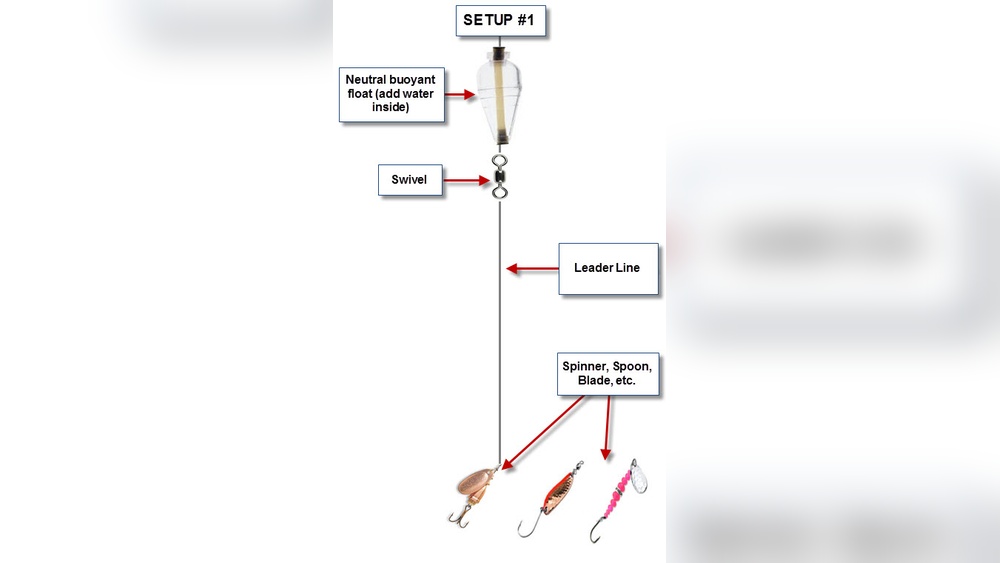
Floats/bobbers
- Small, pencil-shaped floats: Help keep your bait at the right depth without spooking wary trout.
- Use a float only if you want your bait to stay above the bottom.
Swivels
- Small barrel swivels: Prevent your line from twisting, especially when using spinning lures or bait that spins in the current.
Leaders
- Fluorocarbon leaders (18–36 inches): Provide extra invisibility and abrasion resistance.
Trout Bait And Lures
- Live bait: Worms, minnows, or insects are classic and very effective.
- Artificial lures: Spinners, spoons, and small soft plastics work well for active trout.
- PowerBait: Special dough bait, especially good in stocked ponds.
Assembling Your Fishing Pole Step By Step
Let’s break down the process of setting up your fishing pole for trout so you can do it confidently every time.
1. Attach The Reel To The Rod
- Open the reel seat (the part of the rod with a threaded clamp near the handle).
- Slide the reel foot into place.
- Tighten the seat until the reel is secure. It should not wiggle.
2. Spool The Reel With Line
- Open the bail (the wire arm on the reel).
- Thread the line through the rod guides starting from the tip.
- Tie the line to the reel spool using an arbor knot.
- Close the bail and wind the line onto the spool, keeping some tension so the line lays evenly.
- Fill the spool until it’s about 1/8 inch from the edge—do not overfill.
3. Tie On A Leader (optional But Recommended)
- Cut 18–36 inches of fluorocarbon leader.
- Attach to the main line with a double uni knot or a small swivel.
4. Attach Hook, Weight, And Float
- Tie on your hook using a clinch knot or improved clinch knot.
- Add a split shot weight about 12–18 inches above the hook.
- If using a float, attach it above the weight, adjusting its position to set your bait at the right depth.
5. Add Bait Or Lure
- For live bait, thread a worm or minnow onto the hook.
- For lures, tie the lure directly to the leader with a clinch knot.
6. Check Everything
- Make sure your knots are tight and trimmed.
- Test the drag on your reel. It should let out line with steady pressure, not too loose or too tight.
- Check that your setup is balanced—rod, reel, and line should feel comfortable in your hand.
Step-by-step Example
Here’s a simple setup for a beginner fishing in a small stream:
- 6’6” light-action graphite rod with a 1000-size spinning reel
- 4 lb monofilament line
- 24-inch fluorocarbon leader
- Size 10 single hook
- One small split shot weight 14 inches above the hook
- Half a nightcrawler (worm) as bait
This setup is light, sensitive, and perfect for cautious wild trout.

Credit: www.muniandahuaylas.gob.pe
Practical Tips For Success
Even with the right setup, a few smart tips can help you catch more trout.
Use The Right Amount Of Weight
Too much weight makes your bait look unnatural and spooks trout. Use just enough to get your bait down and let the current carry it naturally.
Mind Your Casting
Cast quietly and avoid splashing. Trout are sensitive to movement and noise, especially in clear water.
Adjust To Conditions
Trout behavior changes with weather and water temperature. If fishing is slow, try lighter line, smaller hooks, or different bait.
Check Your Line Often
Trout can be sharp and quick, sometimes nicking your line on rocks or logs. Run your fingers along the last few feet of line after every few casts and retie if you feel rough spots.
Change Depths
If you’re not getting bites, adjust your float or weight to present your bait at different depths. Trout often feed just above the bottom or near the surface depending on the time of day.
Non-obvious Insights
- Use scent-free hands: Sunscreen, bug spray, or even soap can leave odors on your bait, making trout less likely to bite. Wash your hands with water and rub them in grass or mud before baiting your hook.
- Line memory matters: Monofilament line can develop “memory” and form loops if it’s been on the spool too long. If your line is coiled or kinked, replace it or stretch it out before fishing.
Troubleshooting Common Problems
Even with careful setup, you may face some issues. Here’s how to solve the most common ones:
My Line Keeps Tangling
- Make sure your line is not twisted. Use a swivel if using spinning lures.
- Don’t overfill your reel spool.
- After casting, close the bail by hand rather than turning the reel handle.
My Hook Comes Loose
- Check your knots and use the right knot for your line type.
- Wet the knot before tightening to prevent friction damage.
I’m Not Getting Bites
- Try a smaller hook and lighter line.
- Change bait or lures.
- Move to a different spot or change the depth you are fishing.
My Bait Falls Off
- Make sure you thread live bait securely onto the hook.
- Use a bait holder hook (with barbs on the shank) for soft baits.
Comparing Bait, Lures, And Flies For Trout
Choosing between bait, lures, and flies depends on where you fish and what trout are feeding on.
| Type | Best For | Pros | Cons |
|---|---|---|---|
| Bait (worms, minnows, PowerBait) | Ponds, lakes, stocked trout | Simple, effective, good for beginners | May attract unwanted fish, sometimes messy |
| Lures (spinners, spoons, soft plastics) | Rivers, streams, active trout | Covers more water, reusable, exciting strikes | Can snag on rocks, requires more casting skill |
| Flies (artificial insects) | Fly fishing, wild streams | Imitates natural food, very effective for wild trout | Requires special gear and skill |
Safety And Conservation
Trout are sensitive fish, and their habitats need protection. Always follow local fishing regulations, including size and bag limits. Practice catch and release when possible, especially for wild trout. Use barbless hooks or pinch down the barbs to make releasing fish easier and less harmful.
Keep your hands wet before touching trout, and release them gently back into the water. Avoid fishing during extreme heat, as trout are easily stressed when water temperatures are high.

Credit: www.lumat.sk
Advanced Setup Variations
Once you’re comfortable with the basics, you can try more advanced setups for different situations.
Slip Bobber Rig
- Allows you to adjust bait depth easily for deeper water.
- Use a slip float, stop knot, bead, and split shot above your hook.
Drop Shot Rig
- Keeps your bait just off the bottom, great for finicky trout.
- Tie a small hook 12–18 inches above a small weight.
Inline Spinner Setup
- For covering lots of water quickly.
- Tie a small spinner directly to your leader, no weight or float needed.
Each of these setups has its own advantages for specific conditions, but the basic steps stay the same.
Frequently Asked Questions
How Do I Know If My Fishing Pole Is Right For Trout?
A good trout rod is light or ultra-light in power, between 6 and 7 feet long, and paired with a small spinning reel. This setup is sensitive enough to feel light bites and strong enough for most trout.
What Is The Best Fishing Line For Trout?
Monofilament is the best all-around choice for beginners. Use 2–8 lb test depending on the size of trout and the water conditions. For clear water, consider fluorocarbon for better invisibility.
Do I Need To Use A Leader When Trout Fishing?
A fluorocarbon leader (18–36 inches) can help make your line less visible and protect against sharp rocks or trout teeth. It’s especially helpful in clear water or when trout are cautious.
What Is The Easiest Bait To Use For Catching Trout?
Worms are simple, cheap, and effective for almost all trout. You can also use PowerBait in stocked ponds, as trout are often raised on similar food.
Where Can I Learn More About Trout Fishing Techniques?
For more in-depth tips and guides, you can visit the Take Me Fishing website, which offers detailed advice for all skill levels.
Setting up your fishing pole for trout may seem complicated at first, but once you understand each part and how they work together, it becomes much easier—and more fun. With the right gear, careful assembly, and a little patience, you’ll be well on your way to enjoying successful and relaxing days on the water.
Remember, each trip teaches you something new. So get out there, enjoy nature, and happy fishing!
Credit: myodfw.com