
Fishing is a sport and hobby that’s deeply connected to nature. Many anglers know that fish behavior is not random—it’s shaped by weather, water conditions, and especially barometric pressure. If you’ve ever wondered why you catch more fish on some days and none on others, the answer often lies in the air pressure above the water. Understanding what’s a good barometric pressure for fishing can change your luck and turn slow days into memorable ones.
The air pressure, measured with a barometer, tells us a lot about the weather. Fish are sensitive creatures. When pressure changes, it affects their swim bladders and feeding patterns. Some anglers chase the “perfect” pressure, while others simply want to avoid the worst times.
If you’re serious about fishing—or just want to catch more—knowing how to read and use barometric pressure is a game-changer.
What Is Barometric Pressure?
Barometric pressure, also called atmospheric pressure, is the weight of the air pressing down on the earth and everything on it. We measure this pressure with a barometer, usually in inches of mercury (inHg) or millibars (mb). At sea level, average pressure is about 29.92 inHg (1013 mb).
Barometric pressure is constantly changing. High pressure means clear skies and stable weather; low pressure often brings clouds and storms. These changes are not just numbers—they have a direct impact on fish and their environment.
How Is Barometric Pressure Measured?
- Inches of Mercury (inHg): Common in the US and some other countries.
- Millibars (mb): Used in science and many weather reports worldwide.
You can check barometric pressure using:
- Barometers: Traditional devices for home or boat.
- Weather Apps: Most smartphones have built-in barometers or can access local pressure.
- Online Weather Services: Sites like NOAA or local news channels.
Why Does Barometric Pressure Affect Fishing?
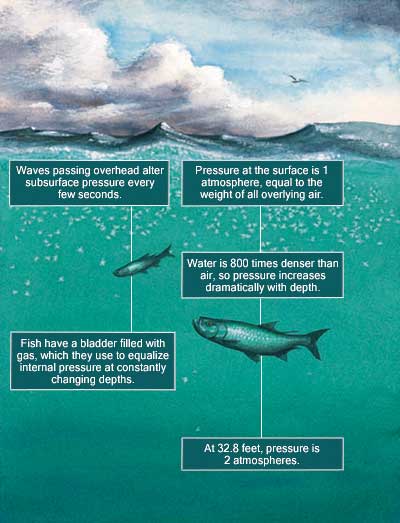
To understand why barometric pressure matters, you need to know a bit about fish biology. Most fish have a swim bladder—an organ that helps them control their buoyancy. When air pressure changes, the pressure on a fish’s swim bladder also changes.
- High pressure: Swim bladders compress, fish feel comfortable.
- Low pressure: Swim bladders expand, fish feel bloated or uncomfortable.
- Rising or falling pressure: Fish sense the change and may feed more before a storm.
Fish react to these changes by moving, feeding, or hiding. For example, before a storm (when pressure drops), fish often feed aggressively. When pressure is steady and high, they may relax and be less active.
Practical Example
Imagine a summer day. The weather is clear, and the barometer reads 30. 10 inHg. Fish are relaxed, often staying deep. Then, clouds roll in, pressure drops to 29. 70 inHg. Fish sense a change and start feeding before the weather turns bad.
Smart anglers know to plan their fishing trips around these changes.
What Is A Good Barometric Pressure For Fishing?
There’s no single “magic number” that guarantees a big catch. However, most experienced anglers agree that certain pressure ranges and trends offer better fishing conditions.
The Ideal Range
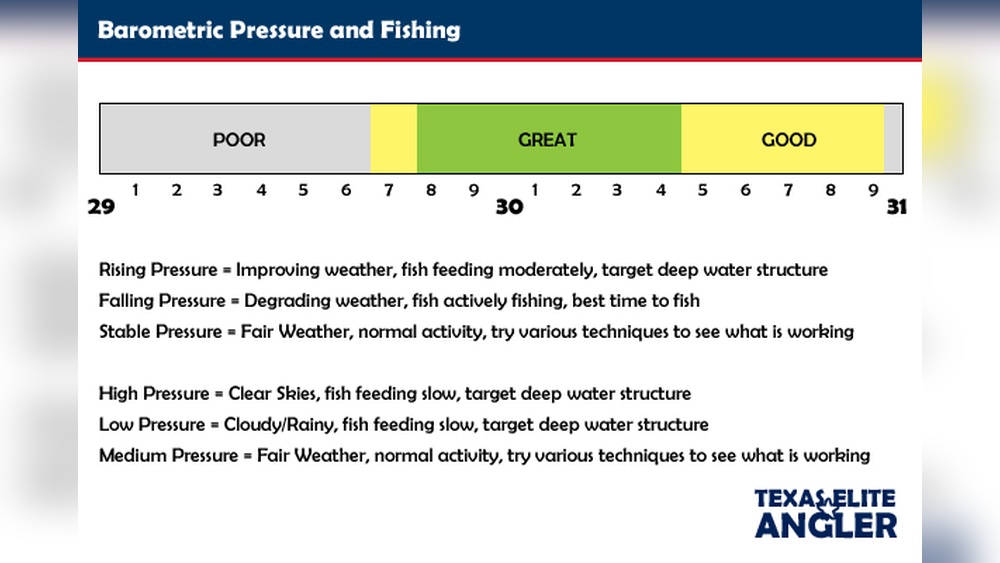
- Stable or slightly falling pressure between 29.70 and 30.40 inHg is usually best.
- Rising pressure after a storm can also be productive, especially for certain species.
Some fish prefer different conditions, but most freshwater and saltwater species become more active when the pressure is steady or gently changing.
Comparison Table: Barometric Pressure And Fishing Activity
Here is a quick look at how different pressures affect fishing:
| Barometric Pressure | Weather Condition | Fish Activity Level |
|---|---|---|
| High (30.50+ inHg) | Clear, sunny, stable | Low to moderate |
| Normal (29.70–30.40 inHg) | Partly cloudy, stable | High |
| Low (<29.60 inHg) | Cloudy, rainy, stormy | High before storm, low during/after |
Why These Ranges?
Fish have evolved to respond to the slightest changes in pressure. When pressure is stable, their bodies are in balance, and they behave normally. When pressure drops quickly, they “sense” that bad weather is coming and may feed aggressively—this is nature’s way of helping them prepare for less active times.
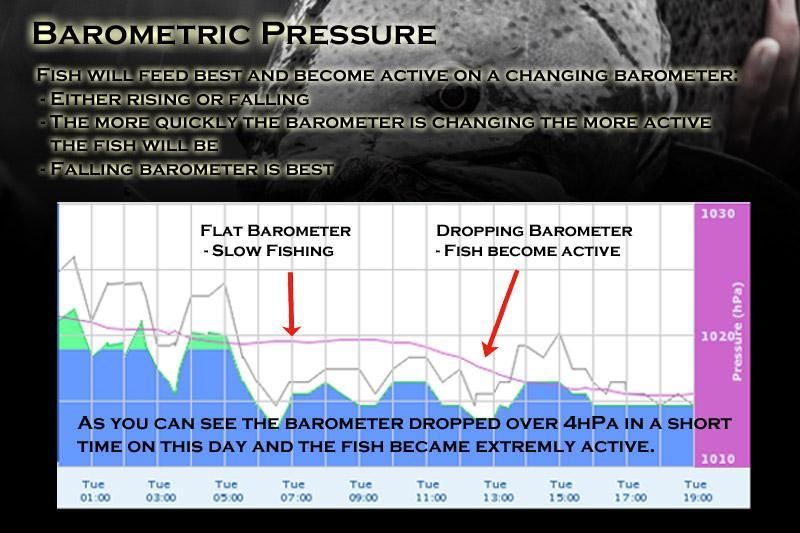
Key insight: The trend (rising, falling, or steady) is often more important than the actual number. Fish react to change, not just the current pressure.
How To Use Barometric Pressure For Better Fishing
Knowing the numbers is only the beginning. The real skill is using pressure trends to plan your fishing trips. Here’s how you can do it:
- Watch for falling pressure: If you see the pressure dropping, plan to fish soon. Fish often feed heavily just before a storm or bad weather.
- Take advantage of stable periods: When pressure is steady for a day or two, fish are usually predictable and relaxed.
- Be cautious with rising pressure: After a storm, when pressure rises fast, fishing can be slow. Fish may be less active for a while.
- Adapt to local patterns: Some lakes, rivers, and coastal areas have unique pressure patterns. Keep notes about what works best in your favorite spots.
Example: Reading A Barometer
Suppose your weather app shows:
- Monday: 29.80 inHg (falling)
- Tuesday: 29.60 inHg (falling)
- Wednesday: 29.50 inHg (steady)
- Thursday: 29.70 inHg (rising)
You might find the best fishing on Monday and Tuesday as the pressure falls, and it might slow down on Wednesday or Thursday as the weather settles or clears.
Credit: socialfishing.com.au
Fish Behavior And Barometric Pressure
Different species react differently to pressure changes. Some are more sensitive, while others are less affected. For example:
Freshwater Species
- Bass: Very sensitive. Feed heavily before storms, less active during high or fast-rising pressure.
- Trout: Like stable or gently falling pressure. May stop feeding during sharp drops.
- Walleye: Feed well during low or falling pressure.
- Panfish: Prefer stability, but will bite during falling pressure.
Saltwater Species
- Redfish: Active during stable or falling pressure, especially before coastal storms.
- Snook: Feed aggressively ahead of pressure drops.
- Tarpon: Sensitive to sudden changes; best fishing when pressure is steady.
Table: Example Species And Pressure Sensitivity
| Fish Species | Best Pressure Trend | Notes |
|---|---|---|
| Bass | Falling | Sharp drop triggers feeding |
| Trout | Stable or gentle drop | Dislike sudden swings |
| Redfish | Stable or falling | Watch for pre-storm bite |
| Panfish | Stable | Bite during gentle drops |
Barometric Pressure And Weather Patterns
Barometric pressure doesn’t act alone. It’s part of a bigger system that includes wind, temperature, clouds, and precipitation. Knowing how these connect can help you predict great fishing days.
High Pressure Systems
High pressure usually brings clear skies and calm weather. Fish settle into deeper water, become less active, and feed less. Fishing can be slow, but using subtle presentations and fishing deeper can help.
Low Pressure Systems
Low pressure means clouds, wind, and rain. Fish move more, come into shallower water, and feed more aggressively. This is often the best time for active fishing.
Rapid Changes
Fast-moving storms, cold fronts, or heat waves cause pressure to rise or fall quickly. Fish often sense these changes hours before humans notice and adjust their behavior.
Non-obvious insight: In heavily fished lakes, pressure changes can have less effect because fish are used to human activity. In remote areas, the effect is usually stronger.

Credit: texaseliteangler.wordpress.com
Tools And Apps For Tracking Barometric Pressure
Modern anglers don’t have to guess. There are many tools and apps to help track pressure and predict fish behavior.
Best Tools
- Weather Stations: Home weather stations with barometers give real-time readings.
- Fishing Apps: Apps like Fishing Points, Fishbrain, and Navionics include pressure data.
- Online Forecasts: Websites like NOAA give detailed pressure charts.
How To Use These Tools
- Check the pressure trend before and during your trip.
- Match the trend to your target species.
- Keep notes for future trips—each lake or bay can be a bit different.
Handy Table: Useful Apps And Features
| App/Tool | Key Feature | Platform |
|---|---|---|
| Fishing Points | Live barometric chart, fishing forecast | iOS, Android |
| Fishbrain | Pressure trends, catch logs | iOS, Android |
| NOAA Weather | Detailed pressure maps | Web |
| Navionics | Weather overlays, pressure readings | iOS, Android, Web |
Common Mistakes Anglers Make With Barometric Pressure
Even experienced anglers sometimes get it wrong. Here are mistakes to avoid:
- Chasing only the lowest pressure: Fish often feed before a storm, but fishing during the storm is usually poor. Watch the trend, not just the number.
- Ignoring local conditions: Every lake and river is unique. What works in Florida may not work in Minnesota.
- Relying only on pressure: Weather, water temperature, moon phase, and bait also matter.
- Not keeping records: Your own fishing log is the best teacher. Write down pressure, weather, and results for each trip.
- Fishing only during “ideal” pressure: Sometimes, the best fishing is when you simply get out there. Use pressure as a guide, not a rule.
Bonus tip: Fish can adjust to steady high or low pressure after a few days. If the weather has been stable for a while, don’t skip your trip—just adjust your tactics.
Credit: midcurrent.com
Advanced Tips: Using Barometric Pressure Like A Pro
If you want to get the most from pressure data, try these advanced tips:
- Combine with moon phase: Fish are more active during certain moon phases. Combine good pressure with a new or full moon for great results.
- Check local wind and temperature: Sudden wind shifts or temperature drops often match pressure changes.
- Look for “windows”: Sometimes, fish feed best during a short window as pressure starts to drop. Be on the water early.
- Target the right depth: During falling pressure, fish may move shallow. During high pressure, go deeper.
- Adjust lure choice: Use more aggressive lures when fish are active (falling pressure), and slow, natural lures when they are lazy (high pressure).
Non-obvious insight: In saltwater, tides and current often matter more than pressure. But pressure still helps predict when fish will be close to shore.
Frequently Asked Questions
What Barometric Pressure Is Best For Bass Fishing?
For bass, a steady or slowly falling pressure between 29.70 and 30.40 inHg is best. Bass often feed heavily before a storm as pressure drops. After a fast rise in pressure, bass may become less active. Focus on the trend—if the pressure is falling, bass fishing is usually good.
Can I Catch Fish During High Barometric Pressure?
Yes, you can still catch fish during high pressure (above 30.40 inHg), but it may be more difficult. Fish often move deeper and become less aggressive. Try fishing deeper waters, use smaller baits, and slow down your presentation. Focus on shaded areas or structure where fish may hide.
How Do I Track Barometric Pressure When Fishing?
You can use weather apps, portable barometers, or online weather websites. Many fishing-specific apps show live pressure and trends. Keep notes about pressure and your results. Over time, you’ll see patterns that help you plan better trips.
Is Low Or High Pressure Better For Saltwater Fishing?
In saltwater, falling or stable pressure often means better fishing. Redfish, snook, and tarpon bite more before storms. However, very low pressure during storms can make fishing dangerous and less productive. Always check local weather and safety warnings before heading out.
Does Pressure Affect All Fish The Same Way?
No, not all fish react the same way to barometric pressure. Species like bass, walleye, and redfish are more sensitive, while others like catfish may be less affected. Water depth, season, and location also play a role. Learn the habits of your target species for best results.
The more you understand about barometric pressure, the more successful your fishing trips will become. It’s not just about luck—it’s about reading the signs nature gives you. Whether you’re a weekend angler or a serious tournament competitor, using barometric pressure as a tool can help you catch more fish, more often.
With practice, you’ll learn how to use this knowledge to turn average days into great ones and make every trip to the water count.