
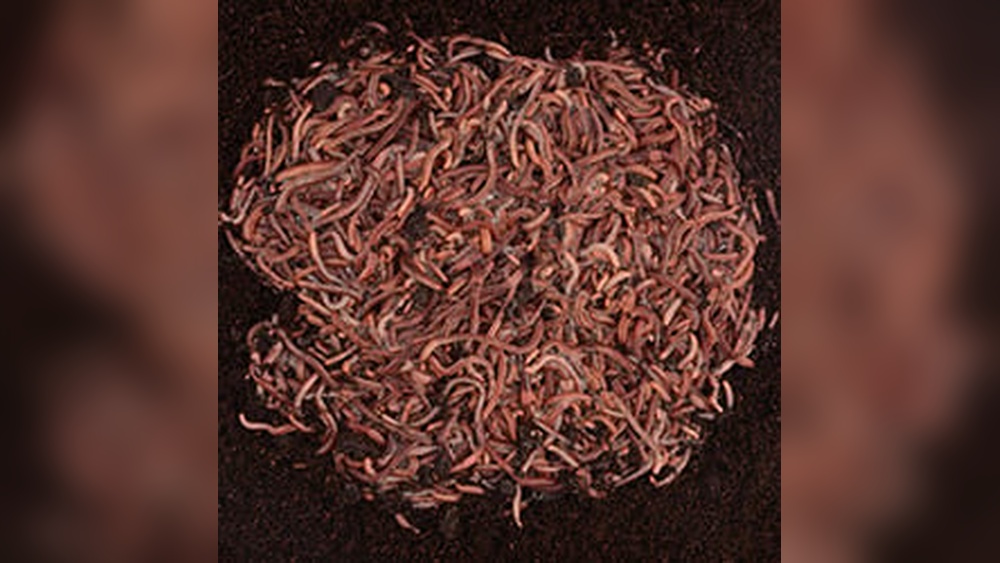
Raising your own nightcrawlers for fishing can be a rewarding and cost-saving hobby. If you love fishing, you probably know that nightcrawlers are one of the most effective live baits for many fish species. These large, wriggling worms attract bass, trout, catfish, and other freshwater fish. But buying nightcrawlers from a bait shop can get expensive, especially if you fish often. Growing your own supply is not only cheaper in the long run, but also gives you fresh, healthy bait whenever you need it.
Many anglers think raising nightcrawlers is difficult, but the truth is, with the right knowledge and setup, almost anyone can do it—even in a small space. In this guide, you’ll learn everything you need to know to start your own nightcrawler farm, from choosing the right worm species and building the ideal habitat to feeding, harvesting, and troubleshooting problems.
Along the way, you’ll discover tips that even experienced worm growers sometimes miss. Whether you want a constant supply of fishing bait or are just curious about worm farming, this article will help you succeed.
Why Grow Nightcrawlers For Fishing?
Nightcrawlers are not just any worm. The European nightcrawler (Eisenia hortensis) and the Canadian nightcrawler (Lumbricus terrestris) are popular for fishing because of their size, movement, and durability on the hook. They’re also easy to culture at home.
Growing your own nightcrawlers gives you:
- Fresh, healthy bait: Fish bite more often on lively, healthy worms.
- Cost savings: Store-bought worms can cost $3–$5 per dozen. A home worm farm pays for itself quickly.
- Control over quality: You know exactly what your worms eat and how they’re raised.
- A sustainable source: You never run out of bait during peak fishing season.
What many beginners don’t realize is that home-grown nightcrawlers can even be sold locally. Many bait shops buy from small growers, and you might earn extra money if your worms are high quality.
Choosing The Right Nightcrawler Species
Not all worms are suitable for bait or easy to raise. The two most popular species for fishing are:
- European Nightcrawler (Eisenia hortensis)
- Grows up to 3–4 inches
- Tolerates higher temperatures than Canadian nightcrawlers
- Prolific breeder, making it excellent for home farms
- Good for medium to large fish
- Canadian Nightcrawler (Lumbricus terrestris)
- Grows up to 6–8 inches
- Preferred for trophy fish due to larger size
- Slower to breed, more sensitive to heat
- Needs deeper bedding
For most home growers, European nightcrawlers are the best choice. They reproduce faster and are easier to care for, especially if you don’t have a cool basement or cellar. Canadian nightcrawlers can be more challenging but are worth considering if you want extra-large bait.
A common mistake is starting with “red wigglers” (Eisenia fetida), which are better for composting than for fishing, as they are smaller and less lively in water.
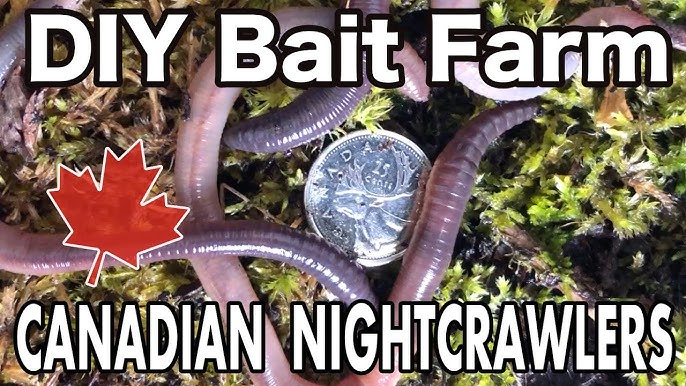
Credit: www.youtube.com
Setting Up The Perfect Nightcrawler Habitat
Nightcrawlers need a habitat that mimics their natural environment: cool, moist, and dark. The main components are a proper container, bedding, moisture, temperature control, and airflow.
Choosing A Container
You can use a simple plastic bin, a wooden box, or even a commercial worm farm kit. The container should:
- Be opaque to block light (worms hate light)
- Have drainage holes at the bottom
- Be at least 12 inches deep for nightcrawlers to burrow
For a small starter farm (1–2 pounds of worms), a 20-gallon plastic storage bin works well.
Bedding Material
Worms live in the bedding, so it must be loose, moist, and rich in organic matter. Good bedding options include:
- Shredded newspaper (non-glossy)
- Peat moss (pre-wetted and pH neutralized)
- Coconut coir
- Chopped cardboard
- Dead leaves (not fresh grass)
Mix at least two types for the best texture. Avoid dirt with clay or sand, as it compacts and suffocates worms.
Moisture And Temperature
Nightcrawlers thrive in bedding that feels like a wrung-out sponge—damp but not soggy. Too much water drowns them; too little dries them out.
- Ideal moisture content: 60–80%
- Ideal temperature: 55–70°F (13–21°C)
A simple way to check moisture is to grab a handful of bedding and squeeze. If a few drops of water come out, it’s perfect.
Airflow And Drainage
Worms breathe through their skin. Without enough oxygen, they suffocate quickly. Drill small holes on the sides and lid for airflow. Place the bin on bricks or trays so extra water can drain out.
Placing The Bin
Keep your worm bin in a cool, dark place—like a basement, garage, or shaded shed. Avoid direct sun or places that heat up.
Example Setup
A simple home setup might look like this:
- 20-gallon plastic bin with lid
- 1/4″ holes drilled every 4 inches on sides and bottom
- 6 inches of mixed bedding (peat moss + shredded newspaper)
- Placed on bricks in the basement
This keeps your worms happy and productive.
Starting Your Nightcrawler Farm
After preparing your bin, you’re ready to introduce your worms. Buy from a reputable supplier—avoid wild collection, as outdoor worms may carry pests or diseases.
How Many Worms To Start With?
A good rule of thumb is 1 pound of worms per square foot of surface area. One pound contains about 400–500 nightcrawlers.
For a 20-gallon bin (about 2 square feet of surface), start with 1–2 pounds of worms.
Acclimating Your Worms
When you first add nightcrawlers:
- Spread them evenly on top of the bedding.
- Leave the bin open under a dim light for 1 hour (they’ll burrow down).
- Cover with damp newspaper or burlap to keep them moist and dark.
Give them a day to settle before feeding.
Common Beginner Mistake
Don’t overload your bin with too many worms. Overcrowding leads to stress, slow growth, and even death. Start small and expand later.
Feeding Your Nightcrawlers
Nightcrawlers eat a mix of organic matter—decomposing plant material, fruits, and grains. Their diet affects their health and how lively they are as bait.
What To Feed
Feed your worms:
- Chopped fruits (apples, melons, bananas)
- Vegetables (lettuce, carrots, squash)
- Coffee grounds (in moderation)
- Crushed eggshells (for calcium)
- Cornmeal or oatmeal
Always bury food just below the surface to prevent odors and flies. Rotate feeding spots each time.
What Not To Feed
Avoid:
- Citrus fruits (too acidic)
- Onions and garlic (strong smell)
- Meat or dairy (rots and attracts pests)
- Oily or salty foods
Excess protein can cause “protein poisoning” (white foam, dead worms). Stick to plant-based scraps.
Feeding Schedule
Feed small amounts every 3–4 days. If food is left uneaten after a week, feed less. If it disappears quickly, feed a bit more.
Practical Tip
Mix a little cornmeal or worm chow with bedding before a fishing trip. This “fattens up” your worms, making them more attractive on the hook.
Managing Moisture, Ph, And Bedding
Healthy nightcrawlers need the right moisture and pH. Problems with either can wipe out a bin quickly.
Moisture
Check moisture weekly by squeezing bedding. Add water with a spray bottle if dry, or mix in dry bedding if soggy.
Ph Level
Nightcrawlers prefer a neutral pH (6. 5–7. 5). Over time, bedding can become acidic from food waste.
- Add a handful of crushed eggshells or garden lime every month to balance pH.
- Avoid using too much citrus or acidic waste.
Changing Bedding
Every 2–3 months, when bedding is mostly worm castings (dark, crumbly), replace half the bedding with fresh material. Do not change everything at once—leave some old bedding for the worms to adjust.
Non-obvious Insight
Don’t neglect the bottom of your bin. Liquid “worm tea” collects there and needs draining. This liquid makes an excellent fertilizer for houseplants but will drown your worms if not removed.
Population Growth And Maintenance
Nightcrawlers reproduce by laying cocoons. Under good conditions, your population can double every 3–6 months.
Reproduction
Each nightcrawler lays several cocoons per year, with 1–2 baby worms per cocoon. European nightcrawlers breed faster than Canadians.
Harvesting Cocoons
You’ll see small, lemon-shaped cocoons in the bedding. If you want to expand, move these to a new bin. Otherwise, let them hatch in place.
Controlling Population
If your bin gets crowded (worms clustering on sides, food disappearing too fast), split your population into a new bin or sell extras.
Common Mistake
Don’t let your bin get too crowded. Overpopulation leads to small, weak worms and increased die-off.
Harvesting Nightcrawlers For Fishing
After 2–3 months, your worms will be large enough for fishing. Harvesting is easy but needs gentle handling.
How To Harvest
- Remove a few inches of bedding from one side of the bin.
- Place a bright light over the bin (worms avoid light).
- Pick out worms by hand as they move deeper.
- Place harvested worms in a separate container with moist bedding.
Or, for larger harvests, dump the contents onto a plastic sheet and scoop worms from the edges.
Keeping Worms For Fishing Trips
Store harvested nightcrawlers in a small container with moist bedding in a refrigerator (not freezer). They stay lively for weeks at 40–50°F (4–10°C).
Pro Tip
Before your trip, feed harvested worms cornmeal for 24 hours. This makes them fatter and more active on the hook.

Credit: www.wikihow.com
Common Problems And Solutions
Even experienced worm growers face problems. Here’s how to handle the most common ones:
Bin Smells Bad
- Cause: Overfeeding, rotting food, poor drainage.
- Solution: Remove uneaten food, add dry bedding, increase ventilation.
Worms Escaping
- Cause: Too wet, too dry, or toxic bedding.
- Solution: Check moisture and pH, add fresh bedding, avoid acidic foods.
Worms Dying
- Cause: Overheating, lack of oxygen, overcrowding.
- Solution: Move to a cooler spot, add more holes, split the population.
Fruit Flies Or Pests
- Cause: Food left exposed.
- Solution: Always bury food, cover bedding with damp newspaper.
Non-obvious Insight
Do not use chemical sprays or cleaners near your worm bin. Even small amounts can kill your entire population.
Nightcrawler Growth Rate And Size Comparison
To help you choose the right species and manage expectations, here’s a comparison of nightcrawler growth rates and sizes:
| Species | Average Adult Size | Time to Maturity | Breeding Rate |
|---|---|---|---|
| European Nightcrawler | 3–4 inches | 8–12 weeks | High |
| Canadian Nightcrawler | 6–8 inches | 6–12 months | Low |
| Red Wiggler (for reference) | 2–3 inches | 6–8 weeks | Very High |
As you can see, European nightcrawlers offer a good balance of size, breeding speed, and hardiness for most home growers.
How Much Does It Cost To Grow Nightcrawlers?
Setting up a small worm farm is affordable. Here’s a breakdown of typical costs for a basic home system:
| Item | Cost (USD) | Notes |
|---|---|---|
| Plastic bin (20 gal) | $8–$15 | One-time cost |
| Bedding (peat moss, paper, etc.) | $5–$10 | Lasts 2–3 months |
| Starter worms (1 lb) | $25–$35 | 400–500 worms |
| Food scraps | Free | From kitchen waste |
| Optional thermometer | $5–$10 | For temperature control |
Ongoing costs are minimal—mainly bedding replacement, as most food comes from your kitchen.
Tips For Success In Nightcrawler Farming
Success comes from attention to detail and consistency. Here are some advanced tips:
- Rotate food spots to avoid sour patches in bedding.
- Harvest castings (worm manure) every few months. They make excellent fertilizer for gardens.
- Monitor temperature closely in summer. Use frozen water bottles in the bin for cooling if needed.
- Keep records of feeding, bedding changes, and worm numbers. This helps you spot problems early.
- Wash hands before handling worms—residues from lotions or chemicals can harm them.

Credit: www.wikihow.com
Selling Nightcrawlers: A Side Business Opportunity
If your farm produces more worms than you need, consider selling extras to local anglers or bait shops. Healthy, lively nightcrawlers fetch a good price—often $3–$5 per dozen. Make sure to package them in small containers with moist bedding and keep them cool during transport.
Some people even sell cocoons online, as they are easier to ship than live worms. Always check local regulations before selling live bait.
For more details on worm farming as a business, see this Wikipedia article on vermiculture.
Nightcrawler Farming Vs. Other Worm Types
To decide if nightcrawlers are right for you, compare them with other common worms:
| Feature | Nightcrawlers | Red Wigglers | Mealworms |
|---|---|---|---|
| Best for fishing | Yes | No (too small) | No |
| Best for composting | Average | Excellent | No |
| Reproduction speed | Slow–Medium | Fast | Medium |
| Temperature tolerance | Cool | Wide range | Warm |
| Ease of care | Medium | Easy | Medium |
Nightcrawlers are the best choice for most fishing uses, even if they are a bit slower to breed than red wigglers.
Wrapping Up: The Joy Of Growing Nightcrawlers
Raising nightcrawlers for fishing is a simple, rewarding project that fits almost any budget and space. With a little effort and the right setup, you’ll have a steady supply of lively, healthy bait. More than that, you’ll learn about nature and can even turn your hobby into a small side business.
Remember, attention to moisture, food, and temperature is key. Start small, observe your worms, and adjust as needed. Soon, you’ll never need to buy bait again—and may even become the go-to worm supplier for your fishing friends.
Frequently Asked Questions
What Is The Best Bedding For Nightcrawlers?
Shredded newspaper and peat moss mixed together provide the best bedding. This combination holds moisture well and gives nightcrawlers room to burrow. Avoid using garden soil, as it can compact and suffocate worms.
How Long Do Nightcrawlers Live?
Nightcrawlers can live up to 6 years in good conditions. However, most are harvested for fishing before reaching this age. Lifespan depends on temperature, moisture, and food quality.
Can I Keep Nightcrawlers In The Refrigerator?
Yes, storing nightcrawlers in a refrigerator at 40–50°F (4–10°C) keeps them lively for weeks. Use a container with moist bedding and a few small air holes. Don’t freeze them, as they will die at temperatures below 32°F (0°C).
How Can I Tell If My Worm Bin Is Too Crowded?
If you see worms clustering on the sides or escaping the bin, or if food disappears within a day, your bin may be overcrowded. It’s a good idea to split your population into a new bin or harvest extra worms.
Do I Need To Add Soil To My Nightcrawler Bin?
No, nightcrawlers do not need regular soil. Instead, use peat moss, shredded paper, or coconut coir for bedding. Soil can compact and limit air, which is dangerous for worms.
By following these steps and tips, you’ll be well on your way to a productive, long-lasting nightcrawler farm—ensuring you’re always ready for your next fishing adventure.