Nearshore fishing is a favorite activity for many people who love the sea. It offers a unique experience, different from both inshore and offshore fishing. If you are new to fishing or looking to understand what nearshore fishing is, this guide explains everything in clear, simple terms.
You will learn what makes nearshore fishing special, what you need to get started, and how it compares to other types of fishing. You will also find expert tips, safety advice, and answers to common questions.
What Is Nearshore Fishing?
Nearshore fishing is fishing that takes place close to the coast, usually within a few miles from the shoreline. Unlike inshore fishing, which is mostly done in bays, estuaries, or shallow waters, nearshore fishing happens in slightly deeper water but not as far out as offshore fishing.
In nearshore fishing, anglers target reefs, wrecks, rock piles, and other underwater structures that are found just beyond the surf zone. The depth can range from 20 to 100 feet, and the distance from land is usually up to 9 miles, though in some places, it can go up to 20 miles.
This type of fishing is popular because it offers a good chance to catch larger fish than you would find close to shore, but it does not require the heavy boats, equipment, or long trips needed for deep-sea fishing. It is also suitable for both beginners and experienced anglers.
How Nearshore Fishing Differs From Inshore And Offshore Fishing
Many people confuse nearshore fishing with other types. Understanding the differences helps you choose the right gear, boat, and location.
Main Differences At A Glance
Here is a quick comparison of the three main types:
| Type | Distance from Shore | Water Depth | Target Fish Size | Typical Boat Size |
|---|---|---|---|---|
| Inshore | 0-2 miles | 1-20 feet | Small to Medium | Small boats/kayaks |
| Nearshore | 2-9 miles (up to 20 in some areas) | 20-100 feet | Medium to Large | Mid-sized boats |
| Offshore | 9+ miles | 100+ feet | Large | Large boats/yachts |
Key Differences Explained
- Distance: Nearshore fishing happens just outside the surf zone but much closer to land than offshore fishing.
- Water Depth: The water is deeper than inshore but not as deep as offshore.
- Fish Species: Nearshore targets bigger and sometimes more aggressive fish than inshore, but not the giant species of the deep sea.
- Boat Requirements: Nearshore fishing can be done with mid-sized boats, making it more affordable and accessible.
Many beginners miss that currents and weather conditions change more in nearshore waters than inshore. Planning is important.
Typical Nearshore Fishing Locations
Nearshore fishing is possible in almost any coastal region, but some places are better than others. The best spots have plenty of underwater structures, warm currents, and a variety of fish.
Common Nearshore Features
- Artificial Reefs: Sunken ships or man-made structures attract fish.
- Natural Reefs: Coral or rocky formations are home to many species.
- Wrecks: Old boats or debris become hiding places for fish.
- Drop-offs: Places where the seabed suddenly gets deeper.
- Channel edges: Where rivers meet the ocean, creating mixed habitats.
Popular Nearshore Destinations
Some of the best nearshore fishing can be found in:
- Florida (USA): The Gulf Coast and Atlantic coast both offer excellent nearshore action.
- Caribbean Islands: Warm, clear waters are full of fish.
- Australia: The Great Barrier Reef’s outer edges are world famous.
- Mediterranean Sea: Countries like Spain, Italy, and Greece have rich nearshore waters.
- Southeast Asia: Thailand, Malaysia, and Indonesia offer diverse fishing grounds.
Not all coastlines are equal. Some have steep drop-offs close to land, making nearshore fishing possible just a mile or two from the beach.
Common Species Caught In Nearshore Fishing
One of the main reasons people love nearshore fishing is the variety and size of fish. You can catch both trophy fish and good table fish.
Popular Nearshore Fish (by Region)
| Region | Common Species | Notes |
|---|---|---|
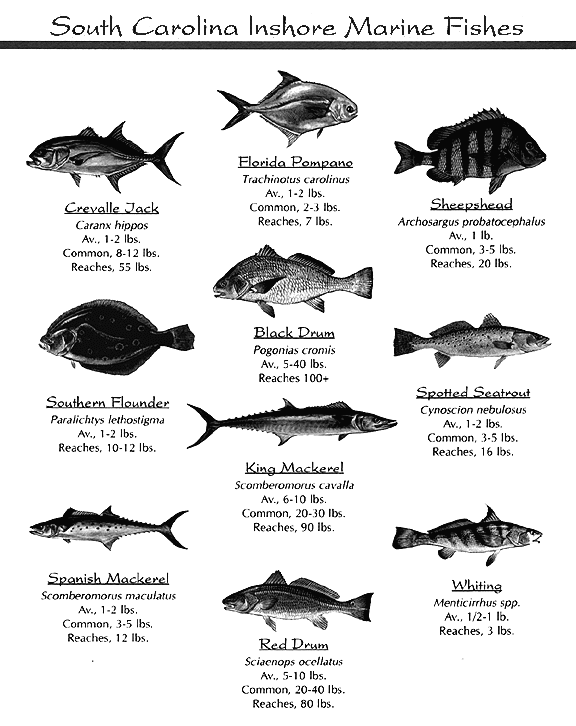
| US Atlantic/Gulf | King Mackerel, Cobia, Snapper, Grouper, Barracuda | Some species have size/bag limits |
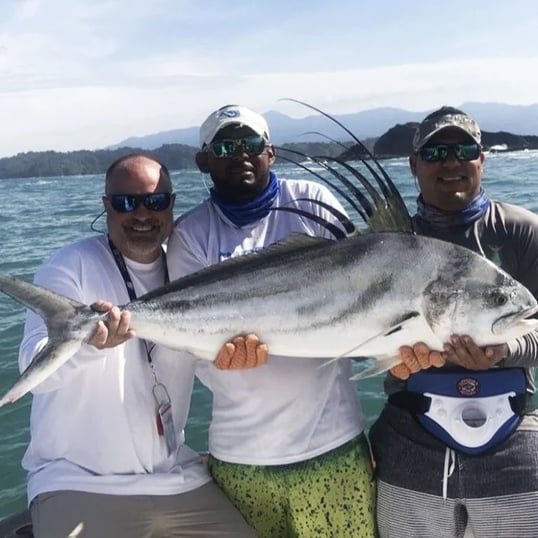
| Caribbean | Mahi-Mahi, Tuna, Jacks, Snapper | Warm water, diverse catches |
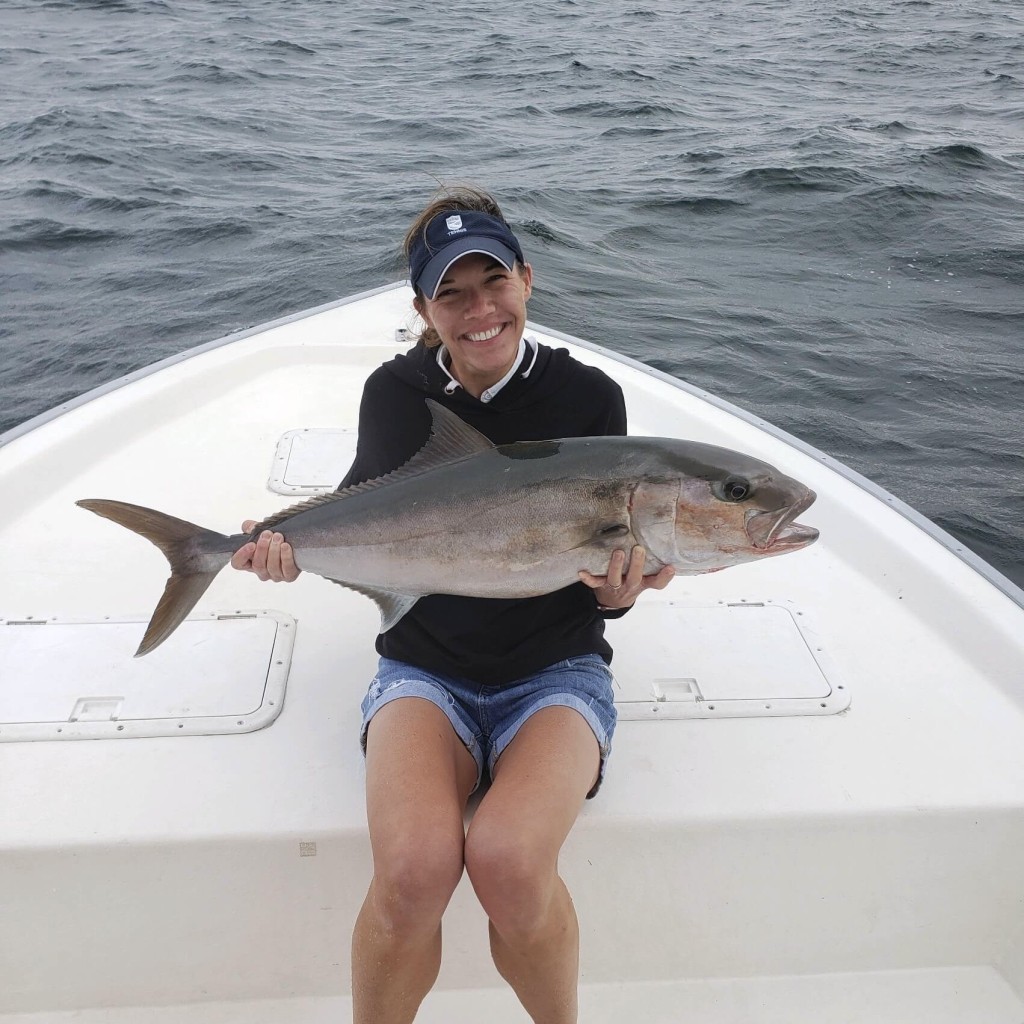
| Mediterranean | Sea Bass, Dentex, Amberjack | Clear, rocky waters |
| Australia/Pacific | Spanish Mackerel, Trevally, Snapper, Coral Trout | Coral reefs, big predators |
Non-obvious Insights
- Many nearshore species are seasonal. For example, King Mackerel run in spring and fall along the US coasts.
- Certain predators (like barracuda) gather near reefs after storms, making the fishing better just after rough weather.
Credit: captainexperiences.com
Essential Gear For Nearshore Fishing
Having the right equipment makes your trip safer and more successful. Nearshore fishing needs stronger gear than inshore fishing, but you do not need the heavy-duty tackle used offshore.
Rods And Reels
- Medium to heavy spinning or baitcasting rods (6-7 feet) are standard.
- Reels should handle 20-50 lb braided line, with good drag for fighting larger fish.
Lines And Leaders
- Braided line is preferred for strength and sensitivity.
- Fluorocarbon leaders (30-80 lb) help avoid break-offs on rocks or sharp fish teeth.
Terminal Tackle
- Circle hooks are best for catch-and-release and keeping fish on the line.
- Swivels, sinkers, and floats are all useful, depending on the fishing style.
Bait And Lures
- Live bait: Pinfish, shrimp, squid, or sardines work well.
- Artificial lures: Jigs, spoons, and soft plastics are popular for active predators.
Safety And Navigation
- GPS or fishfinder helps locate reefs and track your position.
- Life jackets, VHF radio, and emergency kit are a must, even if you stay close to shore.
Non-obvious Insights
Many beginners forget to check local regulations on gear. Some areas ban certain hook types or require circle hooks for conservation. Always check before you go.
Boats Used For Nearshore Fishing
You do not need a large yacht for nearshore fishing, but your boat must be safe for open water and able to handle changing conditions.
Typical Boat Types
- Center console boats (18-28 feet): Most popular, stable, and easy to maneuver.
- Bay boats: Good for calm days or areas with many shallow spots.
- Small walk-around cabins: Provide shelter if weather changes.
- Inflatable RIBs: Used in some regions, but only on calm days.
A reliable outboard motor (100-250 hp) is common. Boats should have enough fuel for extra distance, as weather and currents can push you farther than planned.
Important Boat Features
- T-top or Bimini top: Shade from the sun
- Live well: Keeps bait alive
- Rod holders: Makes fishing easier and organized
- Good anchor: For holding position near reefs
Some anglers use kayaks for nearshore fishing, but only in very calm conditions and close to shore. Always wear a life jacket.
Credit: www.dnr.sc.gov
Best Techniques For Nearshore Fishing
Success in nearshore fishing depends on your technique, the species targeted, and the water conditions.
1. Bottom Fishing
Drop bait near reefs or wrecks and wait for fish to bite. Best for snapper, grouper, and other bottom-dwelling fish.
2. Trolling
Drag lures or bait behind a moving boat to cover more water and attract fast-moving predators like king mackerel or tuna.
3. Jigging
Drop a weighted lure to the bottom, then lift and drop the rod tip to mimic injured bait. Effective for jacks, snapper, and amberjack.
4. Casting
Cast lures towards visible structure or bait schools. Good for barracuda, mackerel, and trevally.
5. Live-bait Drifting
Let live bait swim naturally while drifting with the current over reefs or drop-offs.
Non-obvious Insights
- Fish often feed more aggressively during tide changes. Plan your trip around the best tides.
- Using a chum bag (bag of fish pieces) can attract predators to your boat, but it may also bring sharks.
Safety Considerations In Nearshore Fishing
Even though you are not far from land, nearshore fishing has its risks. Strong currents, sudden weather changes, and boat issues can quickly become serious.
Key Safety Tips
- Check the weather forecast before leaving. Avoid trips if storms or high winds are predicted.
- File a float plan. Tell someone your route and return time.
- Carry safety equipment: Life jackets for everyone, flares, whistle, and a working VHF radio.
- Know your limits: Do not go farther than your boat and skill level allow.
- Keep track of tides and currents. These can change quickly and sweep small boats away from shore.
Non-obvious Insights
A small first-aid kit can make a big difference. Even minor injuries (like a fish spine puncture) can become serious on the water. Bring sunscreen and plenty of water, as dehydration happens faster at sea.
Best Times And Conditions For Nearshore Fishing
Timing plays a big role in your success.
Seasonal Patterns
- Spring and fall: Many predator fish migrate near the coast to feed.
- Summer: Best for snapper, grouper, and other reef species.
- Winter: Fishing can be slower, but some species (like sea bass) become more active.
Daily Patterns
- Early morning and late afternoon are often best, as fish feed during low light.
- Tide changes (especially incoming tides) trigger feeding frenzies.
Weather Factors
- Stable weather is safer and makes fish more predictable.
- After storms, water may be murky, but predators often hunt near reefs.
Some advanced anglers use moon phases to plan trips, as some species feed more during full or new moons.
Benefits Of Nearshore Fishing
There are many reasons why anglers choose nearshore fishing over inshore or offshore.
1. Accessibility
You do not need a large boat or long travel time. Many trips last just half a day.
2. Cost
Nearshore fishing is much cheaper than offshore fishing, both for private boats and charters.
3. Variety
Many species can be caught in the same trip, from snappers to kingfish.
4. Adventure
You still get the excitement of bigger fish, but with less risk and effort than deep-sea trips.
5. Great For Families
Shorter distances and calmer waters (on good days) mean it’s suitable for kids and beginners.
Non-obvious Insights
Nearshore fishing also helps you learn about local marine life and habitats, making it educational as well as fun.
Common Mistakes In Nearshore Fishing
Even experienced anglers sometimes make errors that cost them fish or make trips less enjoyable.
1. Not Checking The Forecast
Many accidents happen because people ignore bad weather signs.
2. Using Light Tackle
Tackle meant for inshore fishing often breaks on larger nearshore fish.
3. Anchoring Incorrectly
Anchoring too close to reefs can damage the boat and scare fish.
4. Ignoring Regulations
Bag limits, size limits, and protected species change often. Fines can be high.
5. Overloading The Boat
Taking too many people or too much gear can make the boat unsafe.
Non-obvious Insights
Many beginners forget to bring extra fuel or water. It is easy to use more fuel than expected if currents are strong or you need to search for fish.
How To Plan A Nearshore Fishing Trip
Preparation makes your trip safer and more successful.
1. Choose The Right Day
Check the weather, tides, and moon phase. Avoid days with high winds or storms.
2. Prepare Your Gear
Check rods, reels, lines, and all safety equipment. Make sure your boat is running well and has enough fuel.
3. Pack Essentials
Bring water, snacks, sunscreen, hats, sunglasses, and a basic first-aid kit.
4. Study Local Regulations
Check if you need a fishing license, and learn about bag and size limits for your target species.
5. Decide On Bait And Lures
Live bait is often best, but have a mix of artificial lures ready.
6. Plan Your Route
Have a GPS or map. Mark reefs, wrecks, or drop-offs to visit.
7. Go With A Buddy
Fishing alone is risky. At least two people are safer.
Non-obvious Insights
Many successful anglers keep a fishing log. Writing down what worked, where, and when helps you improve each trip.
Nearshore Fishing Charters
If you do not own a boat, fishing charters are a great way to experience nearshore fishing.
What To Expect
- Half-day trips (4-6 hours) are common.
- All gear provided: You only need to bring food, drinks, and personal items.
- Expert guides know the best spots and techniques.
How To Choose A Good Charter
- Look for licensed, insured operators with good reviews.
- Ask about the boat size, safety equipment, and target species.
- Check what is included in the price (bait, tackle, cleaning of fish).
- Confirm if you need a fishing license—sometimes it is included.
Non-obvious Insights
Charters often know about recent fish movements and can put you on fish faster than going alone.
Conservation And Responsible Nearshore Fishing
Healthy fisheries depend on responsible anglers.
Key Practices
- Catch and release when possible, especially for rare or out-of-season fish.
- Respect bag and size limits to help fish populations grow.
- Avoid damaging reefs with anchors. Use a buoy or sand anchor instead.
- Do not litter: Bring all trash back to shore.
Non-obvious Insights
Many areas now require dehooking tools or venting tools to safely release deep-caught fish. This protects the fish and keeps the ecosystem healthy.
For more information on responsible fishing, check resources like the NOAA Fisheries.
Credit: captainexperiences.com
Frequently Asked Questions
What Is The Difference Between Nearshore And Offshore Fishing?
Nearshore fishing happens within a few miles from the coast, usually in 20-100 feet of water, targeting medium to large fish. Offshore fishing is farther out, in deeper water (100+ feet), aiming for the biggest game fish like tuna and marlin.
Do I Need A Special License For Nearshore Fishing?
In most regions, a regular saltwater fishing license is enough. Some areas have extra permits for certain species or protected zones. Always check local rules before you go.
What Is The Best Boat For Nearshore Fishing?
A center console boat (18-28 feet) is ideal for most nearshore trips. It is stable, fast, and has space for gear. Bay boats also work, but are better for calm conditions.
Is Nearshore Fishing Safe For Beginners?
Yes, with the right preparation. Always check the weather, bring safety gear, and go with someone experienced your first time. Charters are a good choice for learning safely.
What Is The Best Bait For Nearshore Fishing?
Live bait like sardines, pinfish, or squid is very effective. Artificial lures (jigs, spoons) also work, especially for predators like mackerel or jacks.
Nearshore fishing offers the perfect mix of adventure, variety, and accessibility. Whether you are looking for a trophy catch or a fun day with family, it is a rewarding way to enjoy the ocean. With the right knowledge and preparation, you will have safe and memorable trips, and help keep our oceans healthy for future generations.