
Do Fishing Hooks Dissolve? The Truth Every Angler Should Know
Every angler, whether new or experienced, has faced this question: what happens when you lose a fishing hook in the water or inside a fish? You might wonder if fishing hooks dissolve over time, or if they stay there forever. This is not just a curiosity—understanding what happens to lost hooks is important for the health of fish, the environment, and even your own fishing success.
Hooks are the main connection between anglers and fish. But when a hook breaks off or is swallowed too deep, it can be left behind. Some people believe these hooks dissolve quickly, while others think they last for years. The truth is more complex and depends on the hook material, water type, and other factors.
Let’s explore the science and real-world facts about fishing hooks dissolving, including what it means for fish, the environment, and your own fishing practices.
What Are Fishing Hooks Made Of?
Before you can understand if hooks dissolve, you need to know what they’re made from. The most common materials are:
- High-carbon steel: Strong, sharp, and often used for freshwater hooks.
- Stainless steel: Resists rust, used in both fresh and saltwater.
- Nickel-plated hooks: Steel hooks with a nickel coating for extra protection.
- Bronze hooks: Made from steel and coated with bronze for faster rusting.
- Tin or cadmium-plated hooks: Less common, but used for specialty fishing.
Each material reacts differently in water. For example, stainless steel is very slow to rust, while bronze hooks are designed to corrode faster. Plated hooks have a thin protective layer that can wear off, exposing the metal underneath.
Do Fishing Hooks Really Dissolve In Water?
The short answer is: some hooks corrode and break down over time, but they don’t truly dissolve in the way sugar dissolves in tea. The process is usually slow and depends on several key factors:
Material Type
- Steel hooks: These rust in water, especially if not coated. In freshwater, rusting starts within days or weeks. In saltwater, corrosion is faster because of the high salt content.
- Stainless steel: Resists rust very well. These hooks can last for many years underwater with little change.
- Bronze hooks: Rust and break down much faster, sometimes within a few weeks in certain conditions.
Water Type
- Saltwater: More corrosive. Hooks corrode and weaken faster due to salt, oxygen, and other minerals.
- Freshwater: Less corrosive. Hooks can stay intact for much longer.
Oxygen And Ph Levels
- High oxygen: Speeds up corrosion. Fast-moving rivers break down hooks faster than still lakes.
- Acidic or basic water: PH affects how quickly a hook breaks down. Acidic water (low pH) speeds up corrosion.
Coatings
Hooks are often coated with nickel, tin, or paint. These coatings protect the metal but eventually wear off. Once the coating is gone, the underlying metal starts to corrode.
Real-world Example
A study by fisheries researchers found that steel hooks in saltwater lost about 50% of their strength after one month, but hooks in freshwater remained much stronger even after several months. Stainless steel hooks, however, kept most of their strength in both water types for a year or more.
Credit: www.saltstrong.com
How Long Does It Take For A Fishing Hook To Dissolve?
Many anglers want a clear answer: how many days, weeks, or years does it take for a hook to disappear? The answer is not simple, but here’s what studies and experience show:
- Bronze hooks: Can corrode and break down in 2-4 weeks in saltwater, and 2-6 months in freshwater.
- Uncoated steel hooks: May take 6 months to 2 years to weaken and break in freshwater, and 1-6 months in saltwater.
- Nickel or tin-coated hooks: The coating slows corrosion. Once worn off, the hook corrodes like plain steel.
- Stainless steel hooks: Can last 5-10 years or more, sometimes even decades, especially in freshwater.
Here’s a quick comparison of hook materials and their estimated corrosion rates:
| Hook Material | Freshwater Breakdown | Saltwater Breakdown |
|---|---|---|
| Bronze | 2-6 months | 2-4 weeks |
| Uncoated Steel | 6-24 months | 1-6 months |
| Nickel/Tin Coated | 12-36 months | 6-18 months |
| Stainless Steel | 5-10+ years | 5-10+ years |
Important Insight: Even when a hook is “gone,” it means it has corroded and weakened—not that it vanished completely. Small pieces of metal may remain for much longer.
What Happens When A Fish Swallows A Hook?
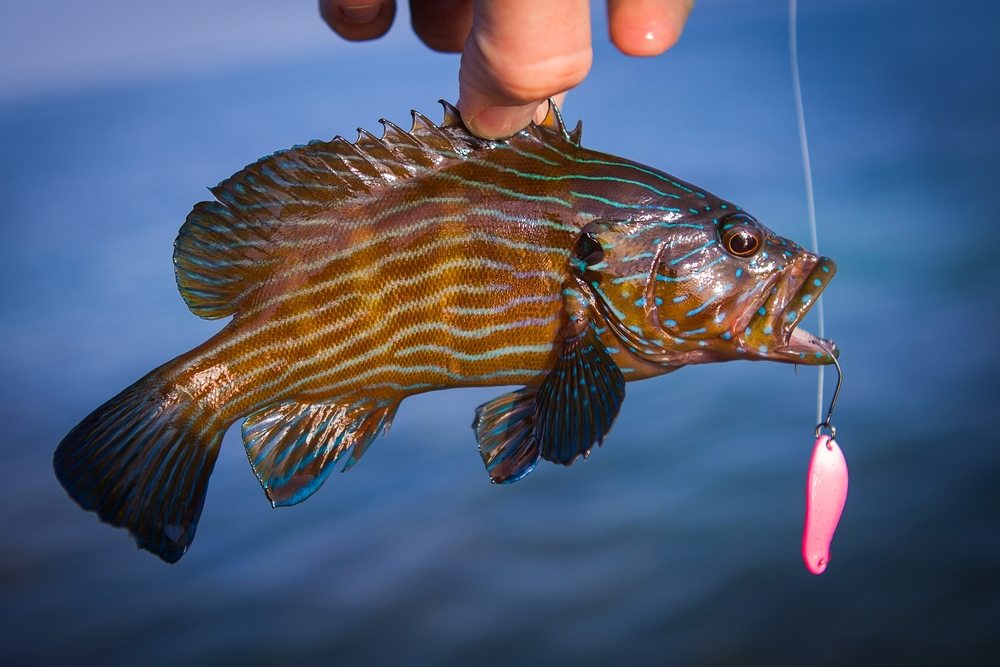
It’s common for fish to swallow a hook deeply, especially with live bait. Anglers often worry: will the hook dissolve and cause no harm? Or will it hurt the fish?
The Science
- Most fish survive if hooked deep, as long as the line is cut close to the mouth and the fish is released quickly.
- The hook’s metal reacts with the fish’s body fluids, which are often more corrosive than water.
- Bronze and steel hooks corrode faster inside a fish than in open water, sometimes within weeks.
- Stainless steel hooks can remain for years, and may cause infection or blockages.
Risks To Fish
- Infection: A hook can damage internal organs or cause infections.
- Feeding problems: Large hooks can block the throat or stomach.
- Reduced survival: Studies show fish with deep hooks are less likely to survive, especially if the hook is stainless steel.
What Anglers Can Do
- Use barbless hooks or hooks made from bronze or uncoated steel for catch and release.
- Cut the line close to the hook if the fish is deeply hooked. Do not try to pull out a deep hook, as this can cause more injury.
- Consider using circle hooks, which are less likely to be swallowed.
Non-obvious insight: While many anglers think “the hook will just dissolve,” stainless steel hooks can remain inside fish for years, causing long-term harm.
Credit: aztrading.es
Environmental Impact Of Lost Hooks
Lost hooks are not just a problem for fish—they also affect the environment. Every year, millions of hooks are lost or discarded in lakes, rivers, and oceans.
Water Pollution
Hooks are small, but in large numbers, they add up. Over time, corroding hooks release iron, nickel, and other metals into the water. While a single hook is not dangerous, thousands of lost hooks can increase metal concentrations, especially in small ponds or popular fishing spots.
Harm To Wildlife
- Birds and turtles: Animals may swallow lost hooks while feeding.
- Mammals: Otters, beavers, and other animals can be injured by stepping on or swallowing hooks.
- Fish: Besides being swallowed, hooks can get stuck in gills or mouths, making feeding difficult.
Microplastics
Some fishing hooks have plastic coatings or are attached to plastic lures. These plastics do not dissolve and can break down into microplastics, which are harmful to aquatic life.
Non-obvious Insight:
In busy fishing locations, the concentration of lost hooks can reach several thousand per acre of water—posing a real risk to both fish and other wildlife.
Modern “dissolving” And Biodegradable Hooks
With growing awareness about fishing’s environmental impact, companies have started making biodegradable hooks or “dissolving hooks.” But do they really work?
How Biodegradable Hooks Work
- Made from magnesium alloys or special polymers.
- Designed to break down quickly when exposed to water, especially saltwater.
- Some are made to dissolve in stomach acid if swallowed by a fish.
Performance
- Tests show these hooks can lose 80% of their strength in 2-7 days in saltwater.
- They are much weaker than steel hooks and may break if fighting a big fish.
Current Limitations
- Expensive and less available.
- Not as strong as traditional hooks—may not be suitable for big game fishing.
- Some “biodegradable” hooks still leave small metal or plastic residues.
Who Should Use Them?
Biodegradable hooks are a good choice for:
- Catch-and-release anglers.
- Fishing in protected or sensitive waters.
- Teaching children, to reduce risk to wildlife.
But for most serious anglers, traditional hooks are still the main choice, especially when targeting large or powerful fish.
Comparing Hook Corrosion: Field Data
To understand how hooks really behave in water, let’s look at a field test where different types of hooks were submerged for 6 months.
| Hook Type | Freshwater Strength Loss | Saltwater Strength Loss |
|---|---|---|
| Bronze | 45% | 80% |
| Uncoated Steel | 30% | 65% |
| Stainless Steel | 10% | 15% |
| Biodegradable | 90% | 98% |
This data shows that biodegradable hooks corrode fastest, but may not be strong enough for all fishing needs. Stainless steel remains strongest, but also stays in the environment the longest.
Myths And Misunderstandings About Hooks Dissolving
Many anglers believe hooks “dissolve” quickly, causing no harm. Let’s clear up some common myths:
- Hooks dissolve in days.
- Only true for some bronze or special hooks in saltwater. Most hooks last much longer.
- Stainless steel hooks are safer for fish.
- In fact, they last longer and can cause more harm if swallowed.
- All lost hooks are harmless.
- Lost hooks can injure wildlife, pollute water, and harm fish.
- Plated hooks never corrode.
- Coatings wear off. Once exposed, the metal underneath will corrode.
- All biodegradable hooks disappear completely.
- Some leave behind small pieces or microplastics.

Credit: climateactiontool.org
How To Reduce The Impact Of Lost Fishing Hooks
Responsible anglers can make choices to protect fish and the environment. Here are some practical tips:
- Choose bronze or plain steel hooks for catch and release.
- Use barbless hooks to make removal easier and reduce injury.
- Avoid stainless steel hooks in waters where lost hooks are a problem.
- Cut the line close to the hook if a fish is deeply hooked.
- Pick up old fishing gear, lines, and hooks when you see them.
- Try biodegradable hooks if fishing in sensitive areas.
- Teach young anglers about hook safety and environmental responsibility.
Pro tip: After fishing, rinse your hooks in fresh water and dry them. This slows corrosion and lets you inspect them for damage.
What Scientists And Fisheries Managers Say
Researchers and fishery managers recommend:
- Using hooks that corrode faster (like bronze) when fishing in catch-and-release waters.
- Limiting the use of stainless steel hooks in areas where lost gear is a concern.
- Supporting cleanup efforts at popular fishing spots.
- Educating anglers about the realities of hook corrosion and fish safety.
For more on environmental effects of fishing gear, see this Wikipedia article on fishing hooks.
Frequently Asked Questions
How Long Does It Take For A Fishing Hook To Dissolve?
It depends on the hook material and water type. Bronze hooks may break down in a few weeks in saltwater and a few months in freshwater. Stainless steel hooks can last for years or even decades, especially in freshwater.
Is It Safe To Leave A Hook Inside A Fish?
If you must leave a hook, use a bronze or plain steel hook and cut the line as close as possible to the mouth. Most fish can survive if the hook corrodes away quickly, but stainless steel hooks can cause long-term harm.
Do Biodegradable Fishing Hooks Work?
Biodegradable hooks break down much faster than metal hooks, especially in saltwater. However, they are not as strong and may not work well for big or strong fish. They are a good choice for catch-and-release in sensitive waters.
Can Lost Hooks Pollute The Water?
Yes, especially in areas with lots of fishing. Corroding hooks release metals, and hooks with plastic coatings can add microplastics. Lost hooks can also injure wildlife that swallows or steps on them.
How Can I Reduce The Chance Of Losing Hooks?
Use appropriate hook sizes for your bait and target fish. Practice careful fish handling and use barbless hooks for easy removal. Always check your knots and gear to reduce break-offs, and collect any lost gear you find.
Fishing is more than just catching fish—it’s about respecting nature and leaving waters healthy for the next angler. By understanding what happens to lost hooks and making smart choices, you help protect fish, wildlife, and your favorite fishing spots for years to come.