
Making your own noodles for fishing can turn a simple day at the water into a more successful and enjoyable experience. Whether you fish in lakes, rivers, or ponds, homemade fishing noodles give you more control over your gear and can save you money. Many anglers are surprised to learn that building these floating rigs is easy, affordable, and even a bit fun. Store-bought fishing noodles are often expensive and not always designed for your local waters or target fish. By making your own, you can choose the size, color, and weight to match your fishing style.
This guide will walk you through every step, from choosing materials to putting your noodles to use. Along the way, you’ll find practical tips, learn about common mistakes, and get answers to questions most beginners never think to ask. By the end, you’ll know exactly how to make noodles for fishing that work for you, your family, or your fishing buddies.
Understanding Fishing Noodles
Before you start building, it helps to know what fishing noodles are and why so many anglers use them. Fishing noodles are floating rigs, usually made from foam pool noodles, designed to keep your bait or line afloat on the water’s surface. They are most often used for catfishing but work well for many types of fishing. A noodle float keeps your bait at the right depth and makes it easy to see when you have a bite, even from a distance.
Fishing noodles can be used for:
- Catfish (very popular)
- Bass and panfish
- Carp
- Crappie and other species
The float makes it easy to cover more water. You can set out several noodles, each with a hook and bait, and wait for the fish to bite. When a fish takes the bait, the noodle moves or flips, signaling a catch.
Some anglers call this “jug fishing,” but the noodle version is lighter and often more sensitive.
Why Make Your Own Fishing Noodles?
Making your own noodles for fishing has several clear advantages:
- Customization: You can choose the size, color, and weight for your local waters and target fish.
- Cost savings: Homemade noodles are cheaper than store-bought options.
- Better performance: Adjust buoyancy and line length to fit your fishing style.
- Fun and learning: Building your own gear adds satisfaction and gives you a deeper understanding of fishing rigs.
Many anglers also enjoy the process of making fishing noodles with friends or family. It’s a quick project that can be done in an afternoon, with long-lasting results.

Credit: news.orvis.com
Materials Needed To Make Fishing Noodles
Gathering the right materials is key for strong, reliable noodles. Here are the main items you’ll need, with details on why each one matters.
- Pool noodles (full-length or cut pieces)
- PVC pipe (for strength, optional)
- Fishing line (40–80 lb test recommended for catfish)
- Swivels (size 1/0 or larger)
- Circle hooks (size 5/0 to 8/0 for catfish; smaller for panfish)
- Egg sinkers (1–3 ounces, depending on water and target species)
- Plastic zip ties or electrical tape
- Permanent markers or stickers (to label noodles)
- Knife or saw (to cut noodles and PVC)
- Drill (if using PVC or for attaching line)
- Snap clips (optional, for quick hook changes)
- Reflective tape (for night fishing, optional)
Choosing The Right Pool Noodle
Not all pool noodles are the same. Look for thick, firm noodles that won’t break down quickly in the sun and water. Standard noodles are about 2. 5 inches thick, but bigger “monster” noodles provide extra buoyancy for large baits or heavy sinkers.
Example:
- Standard noodle: 2.5″ diameter, floats up to 1–2 lbs of bait and weight.
- Jumbo noodle: 3.5″ diameter, floats up to 3 lbs or more.
Color is personal preference, but bright colors (orange, yellow, lime green) are easier to spot from a distance.
Why Use Pvc Pipe?
Some anglers slide a short length of PVC pipe into the noodle. This gives the float extra strength, helps with attaching line, and can extend the noodle’s lifespan. It’s optional but recommended for anyone fishing in rough water or for very large fish.
Step-by-step Guide: How To Make Noodles For Fishing
Now, let’s walk through the process from start to finish. This guide covers the basic noodle rig, with tips for customizing at every step.
1. Cut The Pool Noodle
Use a sharp knife or a saw to cut the noodle into pieces. Most anglers cut noodles into 12–18 inch sections. This size is easy to handle and floats most bait setups.
- For catfish, 15–18 inches is common.
- For panfish or smaller fish, 10–12 inches is enough.
Tip: Cut the ends flat for a clean look and easier labeling.
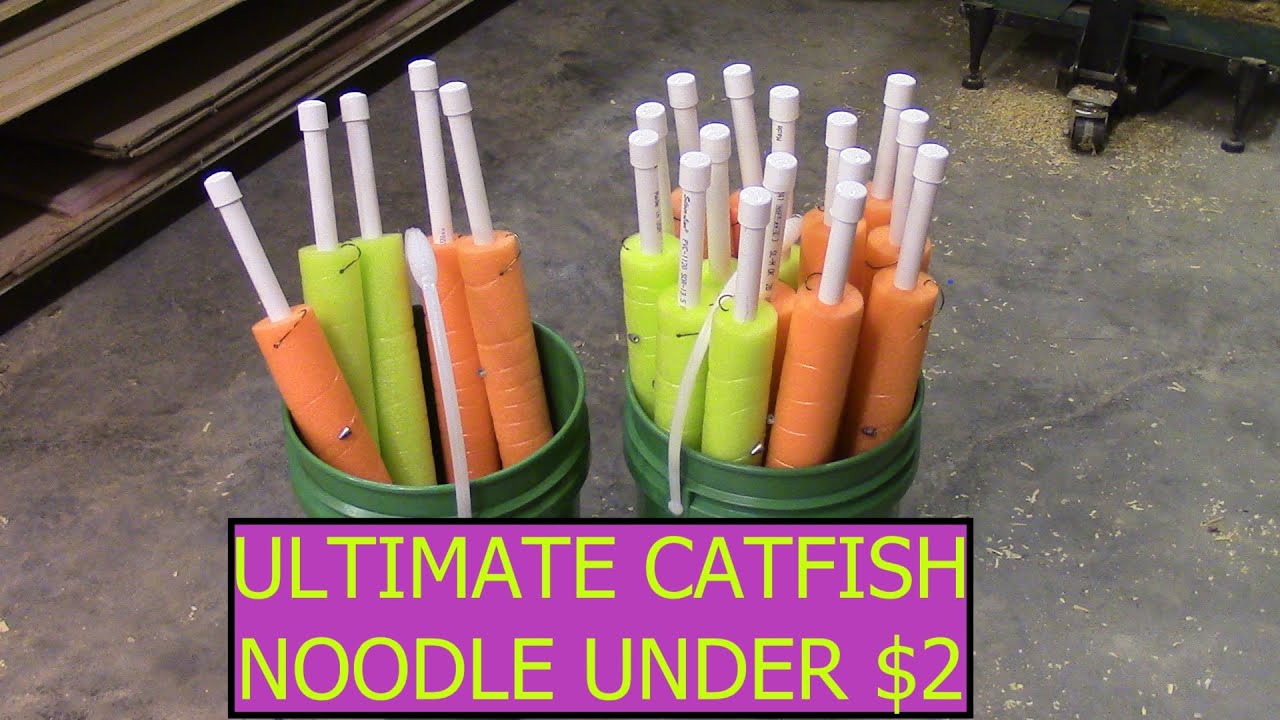
2. (optional) Insert Pvc Pipe
Cut a piece of 1/2″ PVC pipe to match the length of your noodle segment. Carefully push or twist the pipe into the center of the noodle. The pipe should fit snugly. If it’s too loose, wrap the pipe with electrical tape before inserting.
Why do this? The pipe adds weight for better casting and makes the noodle more durable.
3. Drill A Hole For The Line
If you use PVC, drill a hole about 1 inch from one end of the pipe, just big enough for your fishing line. If you’re not using PVC, you can make a small cut or hole in the foam itself.
Thread the fishing line through this hole. This will be your anchor point for the main rig.
4. Attach The Main Fishing Line
Cut a length of strong fishing line (about 4–10 feet, depending on water depth and fish species). Tie one end firmly to the hole or slot you made in the noodle or PVC pipe. Use a strong knot, such as a Palomar or improved clinch knot.
- For shallow water, use 4–6 feet of line.
- For deeper water, use 8–10 feet (or more).
Make sure the knot is tight and can handle a big fish.
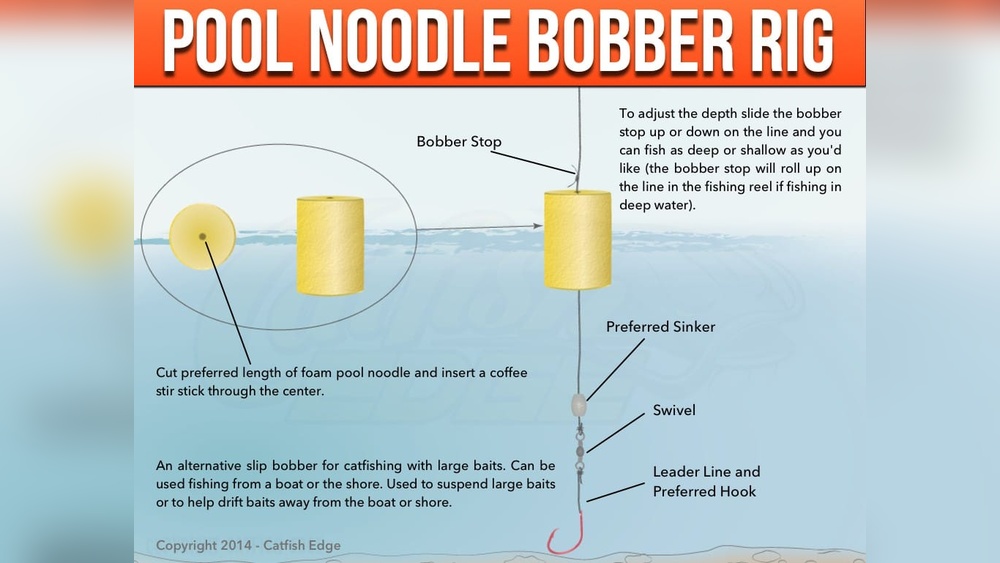
5. Add Swivel, Sinker, And Hook
Thread an egg sinker onto the line. The weight keeps your bait near the bottom. Tie a swivel below the sinker to prevent line twist. Then, tie a leader (about 12–18 inches) with your hook attached.
Standard setup:
- Noodle → main line → egg sinker → swivel → leader → hook
6. Secure The Free End
To keep the line from slipping or tangling, secure the free end with a zip tie or wrap it with electrical tape. Some anglers add a snap clip here for quick hook changes.
7. Label And Decorate
Use a permanent marker to write your name, contact info, or a unique number on each noodle. This can help you follow local regulations and identify your rigs. You can also add reflective tape for night fishing.
8. Test Buoyancy
Before fishing, test your noodle in a bucket or at the water’s edge. Make sure it floats well with your chosen bait and sinker. Adjust weight or noodle length as needed.
Credit: www.youtube.com
Customizing Your Fishing Noodles
One of the best things about homemade noodles is how easy they are to customize. Here are some ideas and options:
Adjusting For Different Fish
- Catfish: Use large hooks, heavy line, and bigger noodles.
- Panfish and crappie: Use smaller hooks, lighter line, shorter noodles, and less weight.
- Carp: Use medium hooks and line, with longer leaders.
Adding Lights For Night Fishing
Clip-on LED lights or glow sticks can be attached to the top of the noodle with tape or zip ties. This makes it easy to see your rigs after dark.
Using Different Weights
Change the size of your egg sinker based on current and depth. More current = heavier sinker. Still water = lighter sinker.
Quick-change Hooks
Add snap clips or small carabiners so you can switch hooks or leaders quickly. This is useful if you want to try different baits or target several fish species in one trip.
Table: Standard Noodle Sizes And Uses
Below is a quick reference for noodle size, line strength, and target fish.
| Noodle Size | Line Strength | Target Fish | Suggested Hook Size |
|---|---|---|---|
| 12 inches | 20–30 lb | Panfish, crappie | 2/0–4/0 |
| 15 inches | 40–50 lb | Catfish, carp | 5/0–7/0 |
| 18 inches | 60–80 lb | Large catfish, bass | 7/0–10/0 |

Credit: www.catfishedge.com
How To Use Fishing Noodles Effectively
Making noodles is only half the battle—you also need to know how to use them for the best results.
1. Baiting The Hook
Choose bait based on your target species:
- Catfish: Live shad, cut bait, chicken liver, or dough balls.
- Panfish/crappie: Worms, minnows, or small artificial lures.
- Carp: Corn, dough bait, or bread.
Hook the bait securely so it won’t fall off during casting or when a fish bites.
2. Setting The Noodle
Gently toss the noodle into your fishing spot. Place several noodles in different areas to cover more water. Keep an eye on them. When a noodle moves, stands up, or disappears, you probably have a bite.
3. Retrieving The Fish
When a fish takes your bait, the noodle will move or spin. Approach quietly in your boat or from shore. Grab the noodle and reel in the line by hand. Avoid jerking, as this can pull the hook loose.
4. Safety And Legal Tips
- Check local fishing laws. Some areas limit the number of floating rigs per person.
- Always label your noodles with your name and contact info if required.
- Never leave noodles in the water after fishing. Pick up all gear to protect wildlife.
Table: Common Mistakes And How To Avoid Them
Many beginners make the same errors. Here’s a quick guide to avoid trouble.
| Mistake | Result | How to Avoid |
|---|---|---|
| Using too light a noodle | Noodle sinks or tips over | Choose thicker noodles for bigger bait/weight |
| Poor knot tying | Fish breaks off | Practice strong knots and double-check each one |
| Not labeling noodles | Lost gear, legal trouble | Label with permanent marker or stickers |
| Using weak line | Line snaps on big fish | Use at least 40 lb test for catfish |
| Overloading with weight | Noodle won’t float | Test with bait and sinker before fishing |
Practical Tips For Better Results
Here are a few extra ideas that most beginners miss:
- Stagger noodle lengths: Use a mix of short and long noodles to target different depths.
- Add scent: Rub a bit of commercial fish attractant on the noodle for extra appeal.
- Keep a noodle log: Record which colors, sizes, and setups work best for your local waters.
- Use reusable materials: Choose quality hooks and line that can be re-tied and used again.
- Check gear often: Inspect for damage after each trip. Sun and water slowly break down foam and line.
Comparing Store-bought Vs Homemade Noodles
Many anglers wonder if homemade noodles really compare to store-bought versions. Here’s a side-by-side look:
| Feature | Store-Bought Noodle | Homemade Noodle |
|---|---|---|
| Price per noodle | $4–$10 | $1–$2 |
| Customization | Limited | Unlimited (size, color, weight) |
| Durability | Good (if quality brand) | Very good (with PVC core) |
| Legal labeling | Sometimes missing | Easy to add your info |
| Fun to build | No | Yes |
As you can see, homemade noodles win in customization, price, and fun—but require a little more effort.
Environmental And Safety Considerations
While fishing noodles are effective, they also come with some responsibilities.
- Never leave noodles behind: Foam and plastic can harm wildlife.
- Use eco-friendly materials when possible. Some companies sell biodegradable pool noodles.
- Dispose of damaged noodles properly. Don’t burn foam or throw it in the water.
- Be aware of boat traffic. Bright colors and reflective tape help other boaters see your noodles.
If you fish at night, use waterproof LED lights. This not only helps you see your gear but also prevents accidents with other boats.
Advanced Noodle Fishing Techniques
Experienced anglers use a few tricks to get even more from their noodles.
Drifting
Letting noodles drift with wind or current covers more area. This works best in lakes or wide rivers. Use a heavier weight to control the drift speed.
Anchoring
If you want to keep your noodle in one spot, tie a small anchor or extra weight to the line. Sandbags or small rocks work well.
Double Hooks
Some anglers tie two hooks on one leader (spaced 6–12 inches apart). This doubles your chance of a catch but requires careful handling.
Using Multiple Noodle Colors
Different colors help you track which rig is catching more fish. For example, use orange for cut bait, green for live bait, and yellow for dough balls.
Real-world Example: Catfish Noodle Setup
Here’s a typical setup for catching channel or blue catfish in a large lake:
- Noodle: 18″ jumbo pool noodle with 1/2″ PVC core
- Line: 60 lb braided line, 8 feet long
- Sinker: 2 oz egg sinker
- Swivel: Size 1/0
- Leader: 18″ monofilament, 50 lb test
- Hook: 8/0 circle hook
- Label: Name and phone number with permanent marker
- Extras: Reflective tape and clip-on LED light for night fishing
This setup is sturdy, visible, and effective for big fish.
Legal Regulations And Responsible Noodle Fishing
Each state or country has its own rules for jug or noodle fishing. Common regulations include:
- Maximum number of noodles per person (often 5–10)
- Size and visibility requirements
- Mandatory labeling (name, contact, or registration number)
- Restrictions on certain lakes or rivers
- Required attendance (must stay within sight of your gear)
Always check your local regulations before fishing with noodles. Some places, such as Texas, have detailed rules available on official wildlife websites. For up-to-date information, you can visit the Texas Parks & Wildlife Department.
Frequently Asked Questions
How Long Do Homemade Fishing Noodles Last?
With quality materials and some care, homemade noodles often last for 2–4 years. Sun and water will slowly break down the foam and line, so check your gear regularly. PVC cores and heavy-duty line help extend their life.
Do I Need To Use Pvc Pipe Inside My Noodles?
No, it’s not required, but PVC pipe adds strength and helps your noodle last longer. If you fish for large catfish or in rough water, PVC is a smart upgrade. For light fishing, plain foam usually works fine.
How Many Fishing Noodles Can I Use At Once?
The number depends on local fishing laws. Many areas allow 5–10 per person, but always check your state’s regulations. Using more than allowed can lead to fines or loss of fishing privileges.
What’s The Best Bait For Noodle Fishing?
For catfish, live bait (shad, bluegill), cut bait, or chicken liver work best. For panfish or crappie, worms or minnows are top choices. Always match your bait to the fish you want to catch.
Can I Use Fishing Noodles From Shore, Or Do I Need A Boat?
You can use noodles from either shore or boat. From shore, toss them out as far as possible and watch for movement. A boat lets you set noodles in deeper or less crowded spots, which often leads to more fish.
Fishing with homemade noodles is a blend of creativity and tradition that brings results and satisfaction. Whether you’re chasing big cats, filling a cooler with crappie, or just spending a day outdoors, these simple rigs give you a real edge.
With a few materials, some careful building, and respect for the water, anyone can master noodle fishing. Give it a try, and you may find your new favorite way to fish.