
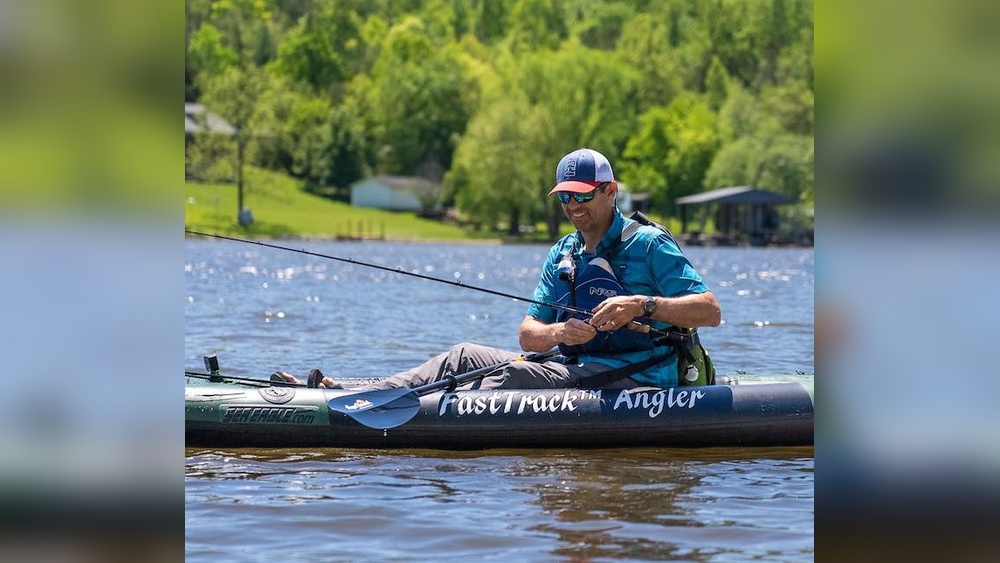
Fishing is a peaceful escape for many people, but choosing the right kayak can make your experience much better or much worse. In recent years, inflatable kayaks have become very popular among anglers. Many beginners and even some experienced fishers wonder: are inflatable kayaks really good for fishing? Or do they have too many problems compared to hard-shell kayaks?
This article dives deep into everything you need to know about inflatable kayaks for fishing. You’ll discover the real advantages, the honest drawbacks, and how they compare to traditional kayaks. We’ll also cover safety, performance, cost, and what features to look for if you want to buy an inflatable fishing kayak.
If you’re thinking about using an inflatable kayak for your next fishing trip, this guide will help you decide with confidence.
What Makes Inflatable Kayaks Different?
Inflatable kayaks are made from durable synthetic materials like PVC, Hypalon, or Nitrylon. Instead of a hard outer shell, these boats have air-filled chambers that you inflate with a pump. When not in use, they pack down into a bag—making storage and transport much easier than solid kayaks.
Key differences from hard-shell kayaks:
- Lightweight and portable
- Can be deflated and packed away
- Often softer and more flexible
- Usually less expensive
But what does this mean for fishing? Let’s look at the key factors.
Pros Of Using Inflatable Kayaks For Fishing
For many anglers, inflatable kayaks offer real advantages over traditional kayaks. Here are the biggest benefits:
1. Portability And Easy Storage
One of the best features of inflatable kayaks is how portable they are. They typically weigh between 20 and 40 pounds, so almost anyone can carry them. You can fit them in a car trunk, closet, or even under a bed.
For people who live in apartments or have limited storage space, this is a major advantage. You don’t need a roof rack or a large garage. You can also take them on vacation, flights, or long road trips without much hassle.
2. Simple Transport
Transporting a hard-shell kayak can be a challenge. You might need a big vehicle, roof rack, or trailer. With an inflatable kayak, you just pack it in its bag and go. Even public transportation is possible.
This makes fishing in remote or hard-to-reach areas much easier. You can hike to a hidden lake or river and inflate your kayak right at the water’s edge.
3. Lightweight Design
Most inflatable kayaks are much lighter than rigid ones. Carrying your kayak from the car to the water is less tiring, especially if you have fishing gear, a cooler, and other equipment.
This is great for solo anglers or anyone who wants to avoid heavy lifting. Families and older adults also find inflatables easier to manage.
4. Comfort On The Water
Inflatable kayaks often feel more comfortable because the air chambers act like cushions. The seats are usually padded and adjustable. Some models even allow you to move the seat for better back support.
This can make longer fishing sessions much more enjoyable, especially if you have back or joint pain.
5. Stability For Beginners
Many inflatable kayaks are designed with wide, flat bottoms. This makes them very stable, even for people who have never kayaked before. You can move around, cast your line, or reach for gear without feeling like you’ll tip over.
In fact, some inflatable fishing kayaks are so stable you can stand up to fish. This is a big plus for those who prefer casting while standing.
6. Lower Cost
If you’re on a budget, inflatable kayaks are usually more affordable than hard-shell ones. Prices often range from $200 to $900 for good fishing models, while quality hard-shell fishing kayaks can cost $1,000 or more.
You can get a solid inflatable kayak, paddle, and pump for less than the price of many rigid kayaks alone.
7. Safe For Shallow Or Rocky Waters
Because inflatable kayaks are soft, they tend to bounce off rocks and obstacles instead of cracking. If you fish in shallow rivers or lakes with lots of debris, you’re less likely to damage your kayak. You can also drag them onto a rocky shore without worrying as much about scratches.
8. Quick Set-up And Take Down
Most inflatable kayaks can be fully inflated in under 10 minutes with a manual or electric pump. Deflating and packing them away takes about the same time. There’s no need for complicated roof racks or long loading times.
This means you can spend more time fishing and less time preparing your boat.
9. Family And Group Friendly
Many inflatable kayaks come in tandem (two-person) or even three-person versions. You can take a child, friend, or even your dog fishing with you. The extra space is handy for gear, snacks, or stretching out.
10. Repairs Are Possible In The Field
If you ever get a puncture, most inflatable kayaks come with a repair kit. Many small leaks can be fixed quickly, even while you’re out fishing. With hard-shell kayaks, cracks or holes are usually harder to repair.
Drawbacks And Limitations Of Inflatable Kayaks For Fishing
While inflatable kayaks have many strengths, it’s important to know their weaknesses. Here are the main drawbacks:
1. Susceptibility To Punctures
Even though modern inflatable kayaks use tough materials, they can still be punctured by sharp objects like hooks, knives, or broken branches. You need to be careful with your fishing gear and watch where you land or drag your kayak.
Multi-layered designs and reinforced bottoms help reduce the risk, but it’s never zero.
2. Wind And Water Performance
Because inflatable kayaks are lighter and sit higher on the water, they can be affected more by strong winds and currents. This can make paddling harder, especially on open lakes or coastal waters.
Tracking (the ability to paddle straight) is sometimes worse compared to hard-shell kayaks, though many inflatables now include removable fins to help.
3. Lower Speed
Inflatable kayaks are generally slower than rigid ones. Their wider shape adds stability but reduces speed and glide. If you need to cover long distances to reach your favorite fishing spot, this could be a downside.
4. Setup And Drying Time
While inflating and deflating is quick, you must also rinse and dry your kayak before packing it away. Storing it wet can cause mold or bad smells. Hard-shell kayaks don’t have this problem.
5. Weight Limits
Every inflatable kayak has a maximum weight capacity. This includes your body weight, fishing gear, cooler, and any extra equipment. If you overload the kayak, it can become unstable or sit too low in the water.
6. Not Ideal For Extreme Conditions
Inflatable kayaks are usually not recommended for fast-moving rivers (Class III+ rapids), rough seas, or very cold water. While some high-end models are built for tougher conditions, most are best for lakes, calm rivers, and gentle bays.
7. Less Storage Space
Compared to some hard-shell fishing kayaks, inflatables may have fewer built-in storage areas or rod holders. You may need to use soft bags or attach gear to D-rings.
8. Perception Of Durability
Some people worry that inflatable kayaks are “toys” or not serious boats. While this is mostly a myth, it can be a concern if you want a kayak that looks professional or impresses your fishing buddies.
How Inflatable Kayaks Compare To Hard-shell Kayaks For Fishing
It’s helpful to see how inflatable and hard-shell kayaks stack up in the areas that matter most to anglers. Here’s a side-by-side comparison:
| Feature | Inflatable Kayak | Hard-Shell Kayak |
|---|---|---|
| Portability | Excellent (fits in a bag) | Poor (needs roof rack/large space) |
| Setup Time | Quick (5–10 min inflate/deflate) | Immediate (just launch) |
| Weight | Light (20–40 lbs) | Heavy (40–90 lbs) |
| Comfort | Very good (soft, cushioned seats) | Good (varies by model) |
| Durability | Good, but risk of puncture | Excellent, resistant to sharp objects |
| Stability | High (wide base) | Very high (especially fishing models) |
| Speed & Tracking | Moderate (may drift in wind) | Better (tracks straight, faster) |
| Storage Capacity | Limited | Spacious (hatches, wells) |
| Price | Lower ($200–$900) | Higher ($600–$2,500+) |
| Repairability | Easy (patch kit) | Difficult (requires special tools) |
Insights Beginners Often Miss
- Weight capacity includes everything (your weight, tackle, cooler, and even water). It’s easy to overload small inflatables if you don’t add up all your gear.
- Air pressure matters: Inflatable kayaks must be inflated to the correct pressure (usually 2–3 PSI). If under-inflated, they feel sluggish and unstable; if over-inflated, they may burst or wear out faster.
- Removable skegs or fins can make a huge difference in tracking and paddling ease, especially on windy days.
Credit: www.nrs.com
Features To Look For In A Good Inflatable Fishing Kayak
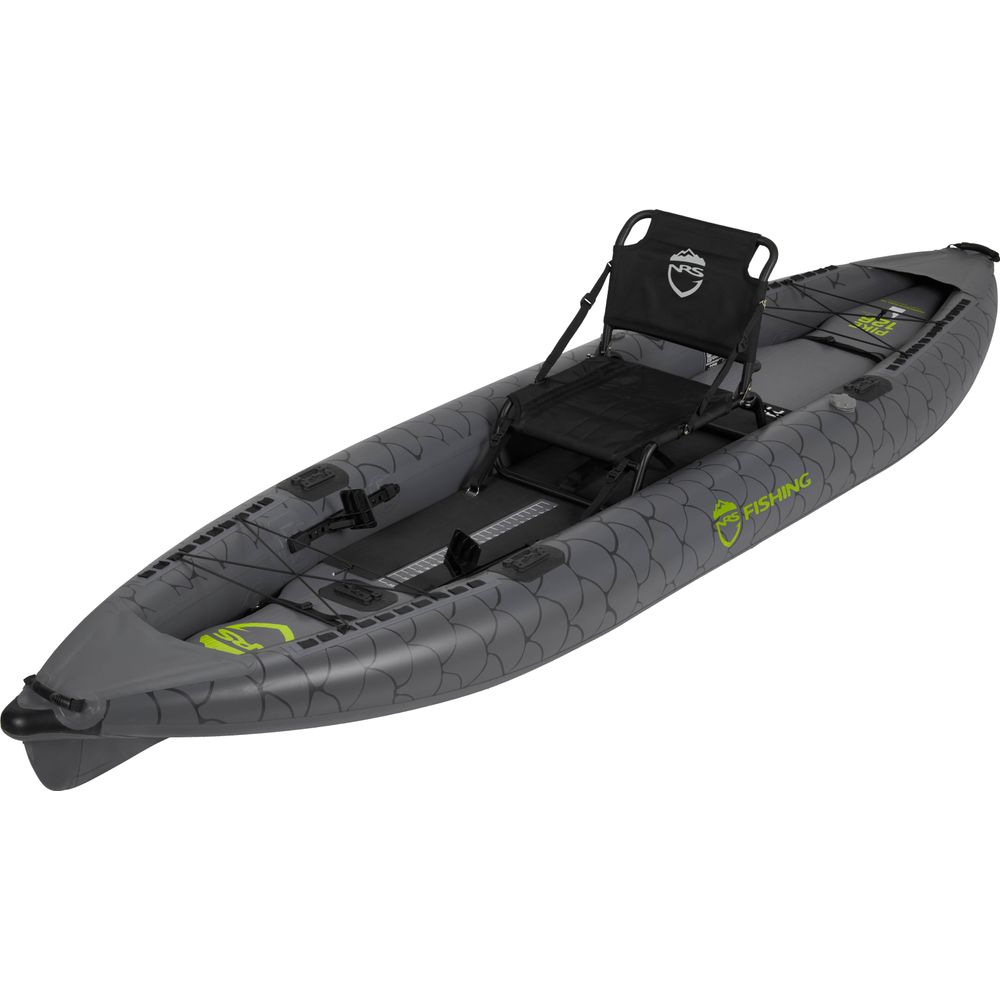
Not all inflatable kayaks are built for fishing. Here’s what to look for if you want a model that will perform well and last for years:
1. Strong Materials And Construction
Look for kayaks made with reinforced PVC, drop-stitch technology, or heavy-duty fabric. Multiple air chambers add safety: if one chamber is punctured, the others keep you afloat.
2. Weight Capacity
Choose a kayak with enough capacity for your body weight plus all your fishing gear. For most solo anglers, 300–400 pounds is a good minimum.
3. Stability And Width
A wider kayak (32 inches or more) is usually more stable, which is helpful for fishing. Some models have a flat bottom or pontoon-style sides for extra balance.
4. Comfortable Seat
A good seat with back support is vital for long fishing trips. Adjustable or elevated seats are even better, especially for visibility and comfort.
5. Rod Holders And Mounts
Dedicated fishing kayaks often have built-in rod holders, paddle holders, and mounting points for fish finders or GPS units. These features keep your hands free and your gear organized.
6. Storage Options
Look for bungee storage areas, D-rings, or removable bags to keep your tackle, bait, and snacks within reach. Waterproof storage is a bonus.
7. Removable Skegs Or Fins
Skegs help the kayak track straight, especially in wind or current. Removable fins make the kayak easier to pack and store.
8. Quality Pump And Accessories
A high-quality pump (double-action or electric) will save you effort and time. Check if the kayak comes with a paddle, carry bag, and repair kit.
9. Warranty And Customer Support
Choose brands that offer a good warranty (at least one year) and helpful customer service. This can make repairs or replacements much easier if something goes wrong.
Safety Tips For Fishing With Inflatable Kayaks
Fishing from an inflatable kayak is generally safe if you follow some basic rules:
- Always wear a personal flotation device (PFD), even if you’re a strong swimmer.
- Check the weather forecast and avoid strong winds or storms.
- Don’t exceed the kayak’s weight limit.
- Inflate your kayak to the recommended air pressure.
- Bring a repair kit and know how to use it.
- Keep sharp objects (like knives and hooks) in protective cases.
- Avoid dragging the kayak over sharp rocks or rough surfaces.
- Let someone know where you’re fishing and when you plan to return.
These simple steps can prevent most accidents and help you stay safe on the water.
Real-world Examples: Anglers Who Use Inflatable Kayaks
Many people around the world now fish from inflatable kayaks—and not just beginners. Some professional anglers prefer them for their stealth and ability to reach hard-to-access spots.
For example, John, a fisherman from Colorado, switched from a hard-shell to an inflatable kayak to access remote mountain lakes. He can now carry his kayak in a backpack, hike for an hour, and fish in places where most boats can’t go.
Maria, an angler in Florida, uses an inflatable kayak to fish in shallow mangroves. The soft bottom allows her to explore tight spaces without worrying about damaging her boat.
These real-life stories show that inflatable kayaks aren’t just for casual use—they can be a powerful tool for serious fishing trips.
Cost Comparison: Inflatable Vs. Hard-shell Fishing Kayaks
How do the costs really add up? Here’s a basic comparison of typical expenses:
| Expense | Inflatable Kayak | Hard-Shell Kayak |
|---|---|---|
| Kayak Price | $200–$900 | $600–$2,500+ |
| Paddle | Often included | May be separate ($40–$150) |
| Pump | Usually included | Not needed |
| Roof Rack/Trailer | Not needed | $150–$600 |
| Storage Space | Closet/Car trunk | Garage/Outdoor shed |
| Repair Costs | Low (DIY patch kit) | Medium–High (special repairs) |
The total cost of owning an inflatable kayak is often much lower, especially if you don’t have space for a large boat.

Credit: www.youtube.com
Who Should Choose An Inflatable Kayak For Fishing?
Inflatable kayaks are a great choice for many types of anglers, but not everyone. Here’s who benefits the most:
- People with limited storage space
- Anglers who travel or hike to remote fishing spots
- Beginners who want an affordable entry point
- Families or groups who want easy transport
- Anyone who wants a lightweight, easy-to-carry kayak
However, if you plan to fish in rough seas, fast rivers, or need maximum speed and gear storage, a hard-shell fishing kayak may be a better fit.
Tips To Get The Most Out Of Your Inflatable Fishing Kayak
- Practice inflating and deflating your kayak at home. Learn how to set it up quickly and check for leaks.
- Invest in a good paddle—some included paddles are basic.
- Store your kayak clean and dry to extend its lifespan.
- Use dry bags for valuables (phone, wallet, keys).
- Attach gear with bungees or carabiners so nothing falls overboard.
- Don’t drag the kayak over rough ground. Lift or carry it when possible.
- Always carry your repair kit, even on short trips.
The Future Of Inflatable Kayaks In Fishing
Technology has greatly improved the quality of inflatable kayaks in the past decade. New materials and designs have made them tougher, safer, and more comfortable than ever before. Some high-end inflatable fishing kayaks even use drop-stitch construction, allowing for high air pressure and almost hard-shell-like rigidity.
As more people discover their benefits, the market for inflatable fishing kayaks keeps growing. Major brands now offer specialized models with all the features anglers need.
For those who value portability, storage, and cost-effectiveness, the future of inflatable kayaks in fishing looks bright.
Frequently Asked Questions
Can Inflatable Kayaks Handle Fishing Hooks And Sharp Objects?
Modern inflatable kayaks are made from tough, multi-layered materials. While they can resist most common fishing hooks, it’s still possible to puncture the kayak if a sharp object is pressed hard or dragged along the surface. Always be careful with knives, lures, and sharp tackle, and keep them in protective cases.
Are Inflatable Kayaks Safe For Fishing In The Ocean?
Some inflatable kayaks are rated for use in calm coastal waters or bays. However, they are not generally recommended for offshore fishing or areas with strong currents and big waves. If you plan to fish in the sea, choose a model designed for saltwater and check the manufacturer’s recommendations.
How Long Do Inflatable Kayaks Last?
With proper care, inflatable kayaks can last 5 to 10 years or more. Key factors include storing them dry and clean, avoiding long exposure to sunlight, and patching any leaks quickly. Higher-end models with thicker materials tend to last longer.
Can I Stand Up And Fish In An Inflatable Kayak?
Some inflatable fishing kayaks are stable enough to allow standing, especially those with a wide base or drop-stitch floor. However, not all models are designed for this. Check the manufacturer’s details and practice in calm water before trying to stand while fishing.
What Is The Best Inflatable Fishing Kayak Brand?
There are several reputable brands making quality inflatable fishing kayaks, such as Sea Eagle, Advanced Elements, and Intex. It’s best to read reviews, compare features, and consider your specific needs. For more details on top brands and reviews, visit OutdoorGearLab.
In summary, inflatable kayaks can be an excellent choice for fishing—offering portability, comfort, and affordability. They are not perfect for every situation, but with the right model and good care, they can open up many new fishing opportunities. Whether you’re a beginner or a seasoned angler, consider what matters most for your fishing style before making your decision.
Happy fishing!

Credit: www.boatstogo.com