
Making your own fishing jigs is more than just a hobby—it’s a way to customize your tackle for local waters and save money at the same time. Many anglers start with store-bought jigs, but soon realize that making their own opens up a new world of creativity and control.
Whether you want to match the hatch, experiment with colors, or just enjoy the satisfaction of catching fish on your own creations, building jigs at home is both practical and rewarding.
In this guide, you’ll learn everything needed to start making fishing jigs from scratch. We’ll cover the tools and materials, each step of the process, different jig styles, and useful tips that even some experienced anglers overlook. By the end, you’ll be ready to create effective, personalized jigs for all your fishing adventures.
Understanding Fishing Jigs
Fishing jigs are weighted hooks that sink and move in a way that attracts fish. They’re used in fresh and saltwater, and can target everything from panfish to bass to walleye. The basic parts of a jig include the hook, lead head, and skirt or body. You can make them in many shapes and sizes, depending on the fish species and water conditions.
Making your own jigs allows you to control details like weight, color, and hook size. Store-bought jigs can be expensive, especially if you lose them often. With homemade jigs, you can quickly replace lost lures and adjust your designs based on what’s working.
Tools And Materials Needed
Before you start, it’s important to gather the right tools and materials. Here’s what you’ll need for most basic jig-making projects:
- Jig mold: This is a metal mold, usually aluminum, with cavities shaped for different jig heads.
- Lead: Used to make the weighted head. You can use clean scrap lead or buy ingots.
- Hooks: Choose the right size and strength for your target fish.
- Melting pot: For melting lead safely. Electric pots are safer and easier for beginners.
- Ladle: For pouring melted lead into the mold, if your pot doesn’t have a spout.
- Protective gear: Safety glasses, heat-resistant gloves, and a mask (lead fumes are dangerous).
- Paints and finishes: Powder paint, epoxy, or vinyl jig paint to color and protect the jig heads.
- Skirt materials: Silicone skirts, bucktail, marabou, or soft plastic trailers for the body.
- Thread or wire: For tying hair or feathers onto hooks.
- Tools for assembly: Small pliers, scissors, and a vice for holding the hook.
Most beginners can get started with a basic kit and a few colors. As you gain experience, you’ll learn which materials work best in your waters.
.jpg "How to Make Fishing Jigs: Step-by-Step Guide for Beginners")
Credit: learnhowtomakefishinglures.blogspot.com
Safety Precautions When Making Jigs
Working with molten lead is dangerous if you’re not careful. Always follow these safety rules:
- Melt lead in a well-ventilated area. Outdoors is best. Avoid breathing fumes.
- Wear safety glasses and gloves. Lead can splash and cause burns.
- Keep water away from molten lead. Even a drop can cause explosive splattering.
- Never eat or drink while handling lead. Wash your hands thoroughly after working.
- Store lead and chemicals away from children and pets.
Many beginners don’t realize that even small amounts of lead dust are harmful. Clean your workspace after each session, and don’t use kitchen tools for jig making.
Step-by-step Guide: Making Jig Heads
The heart of every fishing jig is the jig head. Here’s how to make your own, step by step.
1. Prepare The Mold And Hooks
Start by selecting the right mold cavity and hook size for the jig you want to make. Lightly lubricate the mold with a dry graphite spray if needed. Insert the hook into the mold cavity, making sure it fits securely and lines up with the head shape.
2. Melt The Lead
Plug in your electric melting pot, or heat lead in a cast iron pot over a propane burner. Add enough lead to fill your mold, plus a little extra. Wait until it’s fully melted—the surface should look shiny and smooth.
3. Pour The Lead
Wearing gloves and safety gear, carefully pour the molten lead into the mold cavity. Pour slowly and steadily to avoid bubbles. Fill the cavity completely, but don’t overfill.
4. Cool And Remove The Jig
Let the mold cool for at least 30 seconds (time depends on size). Open the mold and use pliers to remove the jig. Place it on a heat-resistant surface to finish cooling.
5. Clean Up The Jig Head
Use wire cutters or pliers to trim off any extra lead (“sprue”) from the head. Smooth rough spots with a small file or sandpaper. A clean, smooth jig head will paint more evenly and look more professional.
Non-obvious insight: Many beginners don’t realize that different mold brands may require slightly different hook shapes, even for the same size. Always test-fit your hooks before pouring lead.
Painting And Finishing Jig Heads
Painting your jigs not only makes them look good, it also protects the lead from corrosion. Here’s how to paint and finish your jig heads:
Powder Painting
Powder paint is one of the easiest and most durable finishes. Heat the jig head with a heat gun or small torch until it’s just hot enough for powder to stick, then dip or swirl the head in powder paint.
Tap off excess and hang the jig to cool. For best results, cure the jig in a toaster oven at 350°F (175°C) for 20 minutes.
Liquid Painting
Liquid vinyl or epoxy paints can be brushed or dipped onto the head. These take longer to dry, but allow for more color and detail. Let each layer dry completely before adding another color.
Adding Eyes And Details
Stick-on or painted eyes make jigs look more lifelike. Use a toothpick or fine brush to add dots or stripes. Let the paint dry, then seal with a clear coat if needed.
Final Curing
Let all painted jigs cure fully before using. This usually takes several hours or overnight, depending on the paint.
Non-obvious insight: If you want two-tone or multi-color jigs, paint the lighter color first. Then, carefully reheat and dip only part of the jig in the darker color. This prevents muddy or uneven color lines.
Skirts, Tails, And Bodies: Dressing The Jig
The skirt or tail gives your jig lifelike motion and color. Here’s how to add common types:
Silicone Skirts
Ready-made silicone skirts slip onto the collar behind the jig head. Choose colors to match local baitfish or stand out in stained water. You can layer two skirts for a fuller look or mix colors for custom patterns.
Bucktail And Marabou
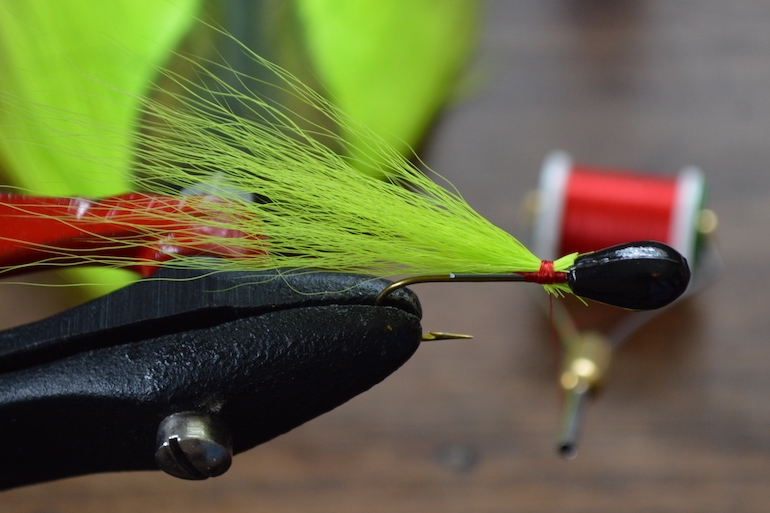
For a classic look, tie bucktail hair or marabou feathers onto the hook shank with strong thread. Wrap tightly and seal with a drop of head cement. These jigs move naturally in water and are great for cold seasons.
Soft Plastic Bodies
Slip a soft plastic grub, worm, or minnow onto the hook. This is the fastest way to add action and change colors quickly. Try curly tails for maximum movement.
Flash And Scent
Add a few strands of tinsel or flash for extra attraction. Some anglers add scent or fish attractant to the body for even more bites.
Popular Jig Styles And What They’re Good For
There are many types of fishing jigs, each with a special purpose. Here’s a look at some of the most popular:
Ball Head Jig
Simple round head, great for soft plastics and live bait. Works well for panfish, bass, and walleye.
Football Jig
Wide, flat shape prevents rolling on the bottom. Excellent for dragging along rocky bottoms for bass.
Swim Jig
Slim head and weed guard make it ideal for swimming through grass and weeds.
Finesse Jig
Small, compact head for light line and clear water. Used when fish are shy or pressured.
Stand-up Jig
Flat bottom keeps the hook pointing up. Good for vertical presentations and soft plastics.
Tube Jig
Long, thin head fits inside tube baits. Popular for smallmouth bass and lake trout.
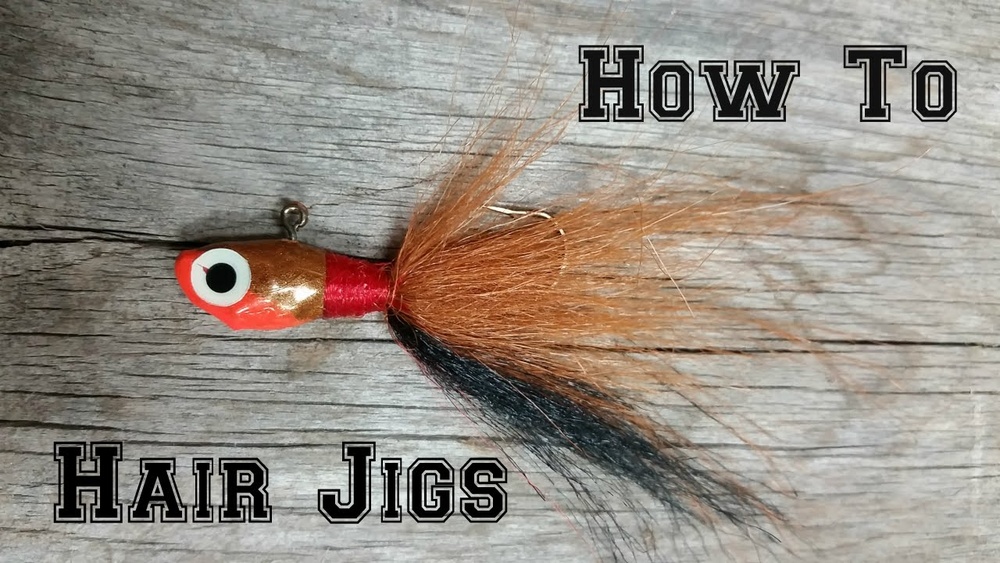
Hair Jig
Bucktail or marabou body, often with no skirt. Deadly for crappie and cold-water fishing.
Each style has a purpose. Try making several types and see which works best for your local fish and water.
Choosing The Right Jig Components
Picking the right parts makes a big difference. Here’s what to consider:
- Hook size and strength: Match the hook to your target fish. Too small, and you’ll lose big fish. Too large, and small fish won’t bite.
- Head weight: Light jigs (1/32 to 1/8 oz) are best for shallow water and slow presentations. Heavy jigs (1/2 oz or more) are for deep water or fast currents.
- Color: Start with basic colors like black, white, and chartreuse. Add natural tones for clear water, bright colors for stained water.
- Skirt material: Silicone is easy and durable. Bucktail and marabou look more natural but take longer to tie.
Tip: Don’t be afraid to experiment. Sometimes, odd color combinations or unusual shapes work when nothing else does.
Credit: www.gameandfishmag.com
Common Mistakes And How To Avoid Them
Even experienced anglers make mistakes when making fishing jigs. Here are a few to watch out for:
- Using the wrong hook size: Always check that your hook fits snugly in the mold before pouring lead.
- Pouring lead too cold or too hot: Cold lead won’t fill the mold, and hot lead can cause flashing (extra lead around the head).
- Not cleaning the jig head: Rough spots make painting difficult and can cut your line.
- Skipping safety steps: Always wear protective gear, even for quick pours.
- Overloading the skirt: Too much material can hide the hook and reduce hookups.
Advanced Techniques: Customizing And Tweaking Jigs
Once you’re comfortable with basic jigs, try these advanced ideas:
Two-tone And Multi-color Jigs
Heat and dip the jig head in different powder paint colors for layered effects. Use a small brush to add stripes or dots.
Rattles And Scent Chambers
Add a rattle chamber or scent holder to the skirt for extra attraction. Some molds have these built in, or you can glue on small plastic rattles.
Weed Guards
Install a nylon or wire weed guard to fish heavy cover without snagging. Drill a small hole in the head and glue in the guard before painting.
Glow-in-the-dark Paint
For night fishing, use glow powder paint. Charge with a flashlight before casting.
Weighted Hooks
Instead of a full jig head, add split shot or wire wraps to a bare hook. This creates a lightweight, slow-falling jig for finesse fishing.
Comparing Jig Types: Pros And Cons
To help you choose the right jig for your style, here’s a comparison of popular jig types:
| Jig Type | Best For | Pros | Cons |
|---|---|---|---|
| Ball Head | All-around | Simple, versatile | Snags easily in rocks |
| Football | Rocky bottoms | Stable, less snagging | Not for weeds |
| Swim Jig | Weeds/grass | Moves through cover | Harder to make |
| Hair Jig | Cold water | Lifelike, subtle | Less durable |
Sourcing Materials: Where To Buy And What To Look For
Quality materials make a difference. You can find jig molds, lead, and hooks at most tackle shops or online retailers. Look for:
- Pure lead for easy melting and smooth pours.
- Well-made molds from brands like Do-It or Hilts.
- High-quality hooks from Mustad, Gamakatsu, or Owner.
- Silicone skirts in bulk packs for better value.
Tip: Don’t use tire weights or scrap lead with unknown alloys—they can contain hard metals that don’t pour well and may damage molds.
Cost Comparison: Homemade Vs. Store-bought Jigs
Making your own jigs is cheaper in the long run. Let’s compare costs:
| Jig Type | Homemade (per jig) | Store-Bought (per jig) |
|---|---|---|
| Basic Ball Head | $0.30 | $1.50 |
| Football Jig | $0.45 | $2.50 |
| Hair Jig | $0.50 | $2.00 |
The initial investment in molds and tools pays off after making just a few dozen jigs, especially if you fish often or lose jigs in snags.
Tips For Beginners: Getting Great Results
- Start simple: Make a basic ball head jig first. Learn the process before trying advanced styles.
- Be patient: The first few jigs may not look perfect. Practice improves results.
- Organize your workspace: Keep tools, hooks, and materials within easy reach.
- Keep notes: Write down which colors and designs work best in your area. Over time, you’ll build a set of “confidence jigs.”
- Ask for advice: Local tackle shops, online forums, and YouTube channels are good sources for new ideas and troubleshooting.
Practical tip: Make several jigs of each color and weight. When the fish are biting, you won’t want to stop and make more.
Environmental Concerns And Alternatives
Lead is effective but toxic to wildlife and humans. Some regions ban or restrict lead tackle. Consider these alternatives:
- Tin: Lighter than lead, but still effective.
- Bismuth: Non-toxic and similar in weight to lead.
- Tungsten: Heavier than lead, but more expensive and harder to cast at home.
Check local laws before making or using lead jigs. Always dispose of waste lead safely.
Maintenance And Storage Of Homemade Jigs
Homemade jigs last a long time if stored properly. Here’s how:
- Keep jigs dry and separate to prevent rust and paint chipping.
- Use small tackle boxes with dividers for each size and color.
- Inspect hooks regularly—sharpen or replace dull hooks.
- Touch up paint as needed. Chips can be covered with nail polish or marker in a pinch.
Tip: Keep a few spare skirts and soft plastics in your tackle box to repair jigs on the water.
Going Beyond: Creating Your Own Jig Designs
As you gain skill, you may want to design unique jigs. Use modeling clay or 3D printing to create new shapes. Some companies will custom-make molds from your design.
Experiment with:
- Different head shapes for new actions
- Unique color blends or glow effects
- Combining materials (e.g., silicone and bucktail together)
- Adding scent or sound chambers
Homemade jigs can give you an edge over other anglers, especially on pressured waters where fish see the same store-bought lures.
Resources For Learning More
If you want to dive deeper, visit Wikipedia’s page on fishing lures for more history and details. Local tackle shops, fishing clubs, and online communities are also great places to share ideas and get feedback.

Credit: www.thefisherman.com
Frequently Asked Questions
What Is The Easiest Jig Style To Make For Beginners?
The ball head jig is the easiest for beginners. It has a simple round shape, uses common hooks, and works with most skirts or soft plastics. Start with a ball head mold and basic materials before trying more advanced jigs.
Is It Safe To Make Jigs At Home?
It’s safe if you follow proper safety steps: work in a well-ventilated area, wear gloves and goggles, and keep children away. Never use kitchen utensils for lead. Always wash your hands after handling materials.
Can I Use Something Other Than Lead For Jig Heads?
Yes. Tin, bismuth, and tungsten are common alternatives. Tin and bismuth are non-toxic and legal everywhere, while tungsten is heavy but requires special molds and higher temperature to melt.
How Do I Choose The Right Hook Size For My Jig?
Match the hook size to the fish species and jig weight. For panfish, use small hooks (size 6–8). For bass or walleye, use larger hooks (size 1/0–3/0). Always test-fit hooks in your mold before pouring.
What Paint Works Best For Jig Heads?
Powder paint is popular because it’s easy, fast, and durable. Heat the jig head, dip in powder, then cure in an oven. For detailed designs, use vinyl or epoxy paints, but allow extra drying time.
Making your own fishing jigs is a skill that pays off every time you catch a fish on your own creation. With practice, you’ll build custom tackle that matches your local waters—and maybe even outfish your friends. Enjoy the process and keep experimenting.