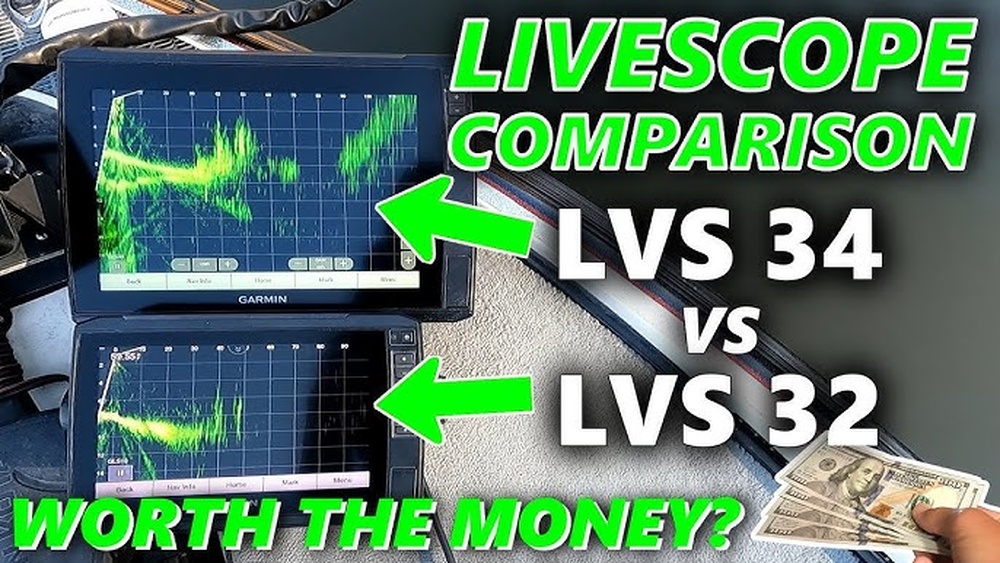
Ice fishing has changed a lot in the past decade. Now, anglers use advanced sonar units to find fish beneath thick ice. Two of the most popular live sonar systems for ice fishing are the Garmin LVS32 and Garmin LVS34. These two have become the go-to choices for serious ice anglers, but which one is right for you? If you’re trying to decide between the LVS32 and LVS34 for ice fishing, this guide covers everything you need to know—including 32 key points of comparison.
Why Live Sonar Changed Ice Fishing
Before live sonar, most people drilled holes and waited, hoping fish would come. Today’s live sonar lets you see fish move in real time. You can watch your lure, see how fish react, and even change tactics on the spot. The Garmin LVS32 and LVS34 are both part of Garmin’s LiveScope system, but they have important differences. Understanding those can mean the difference between a good day and a truly epic one.
1. Transducer Design
The LVS32 uses a slightly smaller transducer with a rounded, compact shape. It’s designed to be lightweight and portable, perfect for moving between holes. The LVS34 has a larger, more angular design, making it heavier but also offering a bigger internal antenna for better signal quality.
2. Livescope System Compatibility
The LVS32 is compatible with Garmin’s original LiveScope system (LiveScope Plus is optional). The LVS34 requires the newer LiveScope Plus black box. If you already have a Plus system, the LVS34 is plug-and-play. If you have the original LiveScope black box, you’ll need to upgrade to use the LVS34.
3. Image Clarity
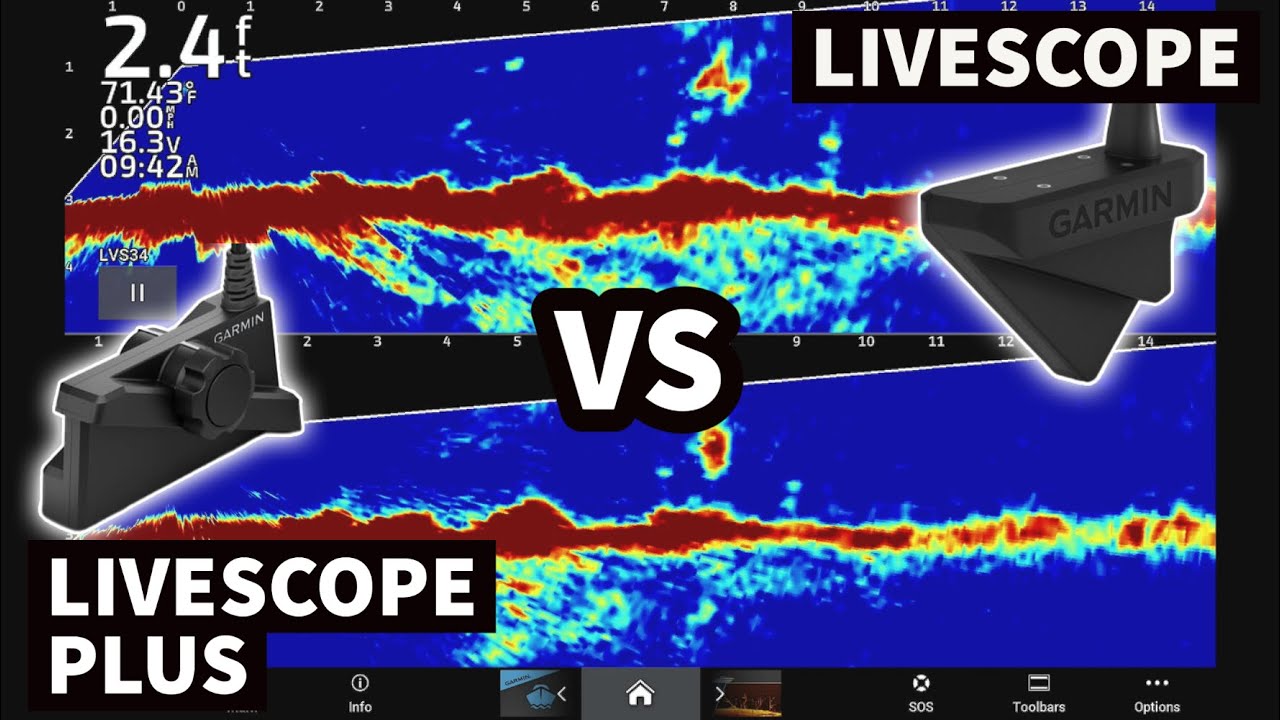
One of the biggest changes with the LVS34 is image quality. The LVS34 delivers much sharper and more detailed images. You can see fish, structure, and even tiny baitfish more clearly, which helps you make better decisions on the ice.
4. Target Separation
Target separation is how clearly the sonar can show two objects that are close together. The LVS34 has improved target separation compared to the LVS32. This means you can see your lure and a fish side by side, even if they’re only a few inches apart.
5. Forward, Down, And Perspective Modes
Both transducers support three main modes: forward, down, and perspective. The LVS32 covers them all, but the LVS34 adds improved clarity and range to each mode. For example, in perspective mode, the LVS34 shows a wider, more accurate view of the area around your hole.
6. Range
LVS32 provides a maximum range of about 200 feet, which is usually more than enough for ice fishing. The LVS34 extends this to 200+ feet, but with less noise and better definition at long distances.
7. Noise Reduction
The LVS34 has much better noise reduction. This means the screen is less cluttered, especially in murky water or when fish are close to the bottom.
8. Power Draw
Power usage matters on the ice. The LVS32 uses about 21 watts, while the LVS34 uses about 19 watts. This small difference means the LVS34 is a bit easier on your battery, letting you fish longer.
9. Weight
LVS32 weighs about 1.3 lbs, while the LVS34 is slightly heavier at about 1.5 lbs. For most ice anglers, this difference is not huge, but if you’re moving a lot, every ounce counts.
10. Price
The LVS32 is less expensive, often selling for $250-$300 less than the LVS34. Price can be a big factor if you’re just getting into live sonar.
11. Real-time Response
Both transducers give real-time imaging, but the LVS34 responds slightly faster. This can help you see instant reactions when a fish strikes or turns away.
12. Mounting Options
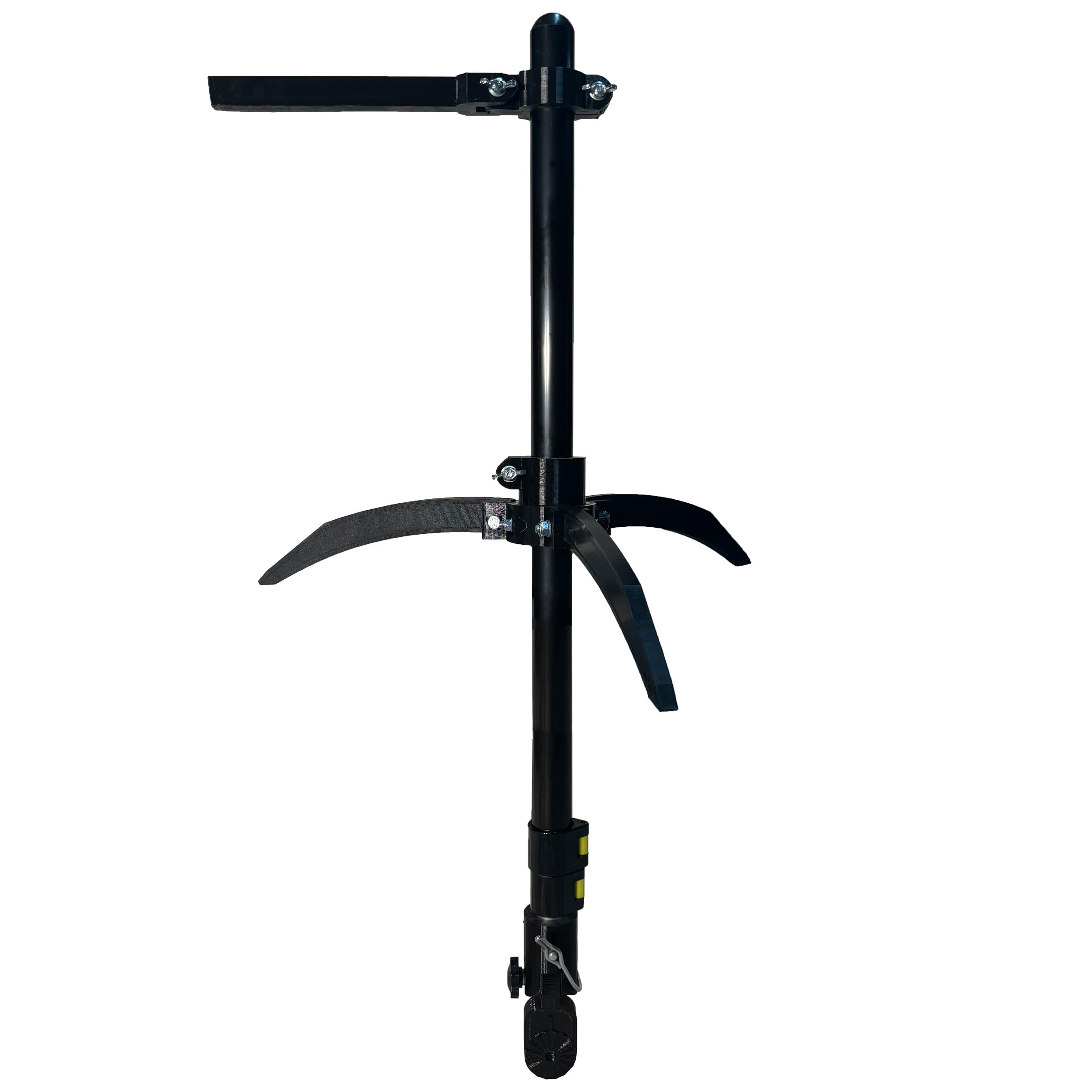
Both systems offer versatile mounting for ice fishing poles. However, the LVS34 comes with a sturdier bracket that can handle rougher conditions and larger poles.
13. Software Updates
Garmin regularly updates software for both units, but the LVS34 has more frequent updates and new features because it’s a newer model.
14. Display Compatibility
Both work with Garmin’s ECHOMAP and GPSMAP displays. The LVS34 requires more processing power, so newer displays show the best results.
15. Color Palettes
The LVS34 comes with more color palette choices, making it easier to see fish and bottom structure in different light and water conditions.
16. Ice Fishing Bundles
You can buy both as part of ice fishing bundles. The bundles for the LVS34 usually include better batteries and carrying cases, but at a higher price.
17. Durability In Cold Weather
Both are built for extreme cold, but the LVS34 has upgraded seals and electronics for better performance below -10°C (14°F).

Credit: www.amazon.com
18. Interference Handling
If you fish near other sonar users, the LVS34 handles interference better. You’ll see less “noise” from other anglers’ units.
19. Installation Ease
The LVS32 is simpler to set up, especially for first-time users. The LVS34 takes a bit more time because of its size and mounting system.
20. Cable Management
The LVS34’s cable is thicker and more durable, which prevents tangles, but can be harder to route through small holes in ice shelters.
21. Battery Recommendations
Both work best with lithium batteries. The LVS34’s lower power draw means you can use a smaller battery for the same fishing time.
22. Learning Curve
The LVS32 is a bit easier for beginners. The LVS34’s detailed screen can be overwhelming at first, but gives more information once you learn to read it.
23. Fish Identification
The LVS34 shows fish shapes more clearly. You can see the difference between perch, walleye, and pike more easily compared to the LVS32.
24. Bottom Separation
The LVS34 offers better bottom separation, so you can see fish holding tight to the bottom. This is important for species like walleye.
25. Customization Features
The LVS34 allows more tweaking of gain, color, and noise filters. The LVS32 offers basic controls, but not as many options for advanced users.
Credit: www.amazon.com
26. Portability
The LVS32 is lighter and easier to pack, making it ideal for anglers who hike or pull their gear by hand. The LVS34 is better for sleds or snowmobiles.
27. Water Depth Performance
The LVS34 performs better in deeper water (over 60 feet). It keeps a clear image, while the LVS32 may become fuzzy at depth.
28. Shallow Water Performance
For shallow lakes (less than 10 feet), the LVS32 works well. The LVS34 can be almost too sensitive, showing every weed and debris.
29. Structure Scanning
The LVS34 is much better for seeing brush piles, rocks, and sunken trees. This helps you target fish that hide in structure.
30. Lure Tracking
Both units let you watch your lure in real time, but the LVS34’s clarity makes it easier to see small jigs and finesse baits.
31. Upgradability
If you own an LVS32, you can upgrade to the LVS34, but you may need a new black box. The reverse is not true—the LVS34 requires the Plus system.
32. Resale Value
The LVS34 holds its value better. As more anglers upgrade, the market for used LVS32 units is getting crowded, lowering their price.
Here’s a quick visual overview of how these two units compare on some major specs:
| Feature | LVS32 | LVS34 |
|---|---|---|
| Max Range | 200 ft | 200+ ft (clearer) |
| Target Separation | Good | Excellent |
| Power Usage | 21W | 19W |
| Weight | 1.3 lbs | 1.5 lbs |
| Price Range (new) | $1,200–$1,400 | $1,500–$1,800 |
Comparing Real-world Performance
When you’re actually on the ice, technical specs only tell part of the story. Here are a few practical examples that show how the LVS32 and LVS34 feel in use.
Spotting Suspended Crappie
With the LVS34, you can spot a school of crappie holding 30 feet away and 10 feet deep. The fish show up as distinct marks, and you can even see the difference between small crappie and bluegill. The LVS32 will show the school, but the marks are less defined, making it harder to judge the size.
Fishing Structure For Walleye
If you’re targeting walleye near rocks or brush, the LVS34 gives a clearer view of the edges, so you don’t get your lure stuck as often. The LVS32 works, but sometimes blends rocks and fish together.
Watching Fish React To Your Jig
Both units let you see your lure drop and fish move toward it. The LVS34 reacts faster and with less lag. You can watch a walleye rise up, pause, and bite—all in real time.
User Experience And Interface
Both units use Garmin’s clean, simple interface. But the extra color palettes and custom settings on the LVS34 help you fine-tune the image for different lakes. For example, you can switch to a high-contrast palette in muddy water, or adjust the gain for clearer images in clear water.
Here’s a look at some interface features side by side:
| Feature | LVS32 | LVS34 |
|---|---|---|
| Number of Color Palettes | 6 | 11 |
| Custom Noise Filters | Basic | Advanced |
| Perspective Mode Support | Yes | Yes (wider view) |
Battery Life On The Ice
Battery life is critical when you’re out all day in freezing weather. Both the LVS32 and LVS34 can run for 8-12 hours on a 12Ah lithium battery, depending on screen brightness and temperature. The LVS34’s lower power use means you might squeeze out an extra hour, but the difference isn’t huge.
Here’s a simple comparison of battery draw:
| Model | Average Power Draw | Typical Run Time (12Ah Battery) |
|---|---|---|
| LVS32 | 21W | 8-10 hours |
| LVS34 | 19W | 9-12 hours |
Credit: www.youtube.com
Common Mistakes When Choosing
Many anglers buy a live sonar system without thinking about their real needs. Here are two mistakes to avoid:
- Choosing by price alone: The LVS32 is cheaper, but if you fish a lot, the clearer image and better target separation of the LVS34 is worth the extra cost.
- Ignoring compatibility: The LVS34 requires LiveScope Plus. If you have the original black box, you’ll spend more on the upgrade than you planned.
Non-obvious Insights
- Signal Processing: The LVS34’s improved signal processing means it can “see through” weeds and brush better, helping you spot fish that are hiding. This is especially useful late in the season when vegetation is thick.
- Future-Proofing: Garmin is likely to support the LVS34 with new features and firmware for longer than the older LVS32. If you want your investment to last, the LVS34 is the safer choice.
Which Should You Choose?
If you are on a budget, fish in shallower water, or want a lighter, simpler system, the LVS32 is still a strong choice. It’s proven, reliable, and works great for most ice anglers.
If you want the clearest image, better target separation, and more advanced features, the LVS34 is the best live sonar for ice fishing today. It’s especially good for anglers who fish deep water, chase finicky species, or want the latest technology.
Remember, both transducers will help you catch more fish. The biggest step is moving from old “flasher” sonar to live sonar. Once you do, you’ll never want to go back.
Frequently Asked Questions
Is The Lvs34 Worth Upgrading From The Lvs32 For Ice Fishing?
If you want sharper images, better target separation, and plan to keep your system for several years, the LVS34 is worth the upgrade. If you only fish a few times per season, the LVS32 may be enough.
Can I Use My Old Livescope Black Box With The Lvs34?
No, the LVS34 requires the LiveScope Plus black box. If you have the original, you’ll need to buy the Plus version to use the LVS34.
How Do The Lvs32 And Lvs34 Handle Extreme Cold?
Both are designed for cold weather, but the LVS34 has tougher seals and upgraded electronics for better performance below -10°C (14°F). Always keep the unit dry and avoid dropping it on the ice.
Will The Lvs34 Help Me Catch More Fish?
The LVS34 gives you a clearer picture of fish and structure. This lets you make better decisions, change tactics, and respond quickly when you see fish react to your lure. For skilled anglers, this usually leads to more fish caught.
Where Can I Find Official Specs And Updates For These Units?
You can visit the official Garmin site for the latest details, specs, and software updates: Garmin LiveScope Plus.
Ice fishing is evolving fast, and live sonar like the LVS32 and LVS34 are leading the way. Choosing the right one means more fun, more success, and more memories out on the ice.