
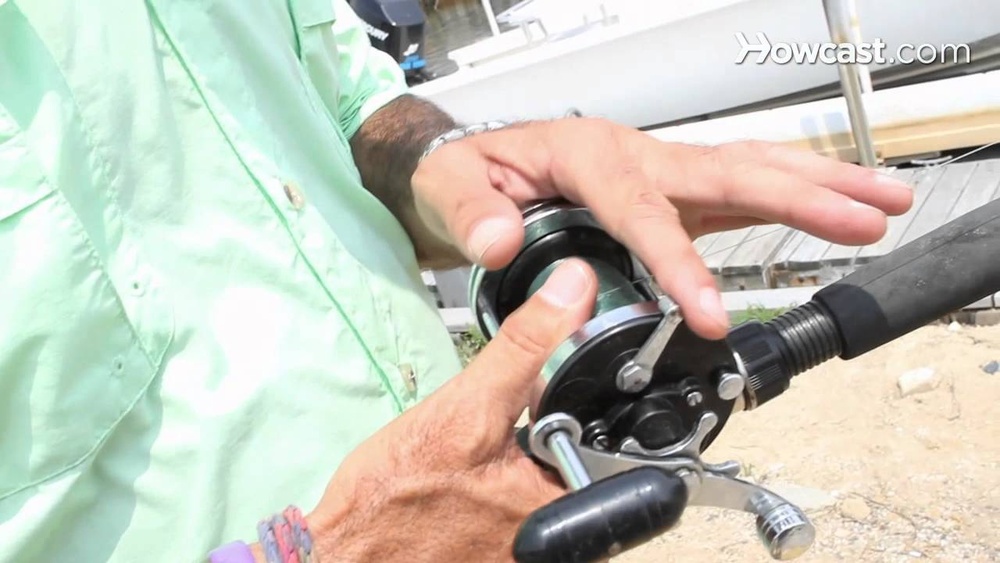
Learning to cast a conventional fishing reel can be exciting and rewarding, but for many new anglers, it feels intimidating at first. Unlike spinning reels, conventional reels require a bit more technique and practice. But with the right guidance, you can master smooth, accurate casts and enjoy greater control over your fishing. This skill unlocks access to heavier tackle, bigger fish, and new fishing styles. In this guide, you’ll discover every detail you need—from choosing the right gear to perfecting your casting motion, fixing common mistakes, and maintaining your reel for long-term performance.
Understanding Conventional Fishing Reels
Conventional reels, also called baitcasting reels, sit on top of the rod and have a revolving spool. They’re popular for saltwater fishing, trolling, and targeting large species like bass, pike, or catfish. Their design gives you more direct contact with the line, stronger drag systems, and better leverage for fighting big fish.
Key Components
- Spool: The cylinder that holds the fishing line. It spins as you cast and retrieve.
- Handle: Used to wind the line back onto the spool.
- Drag system: Controls how much resistance a fish feels when taking line.
- Thumb bar or spool release: Lets you disengage the spool for casting.
- Level wind: Moves side-to-side to guide line evenly on the spool.
Why Choose A Conventional Reel?
Many anglers pick conventional reels for their power and versatility. They handle heavier lines, allow for precise lure placement, and excel in deep water or strong currents. If you want to fish for trophy species or use advanced techniques, learning to cast these reels is essential.
Choosing The Right Conventional Reel And Rod
The right gear makes learning easier and improves your results.
Reel Size And Features
- Small (100-200 size): Good for freshwater, light saltwater, or learning to cast.
- Medium (300-400 size): Suitable for larger freshwater fish or moderate saltwater use.
- Large (500+ size): Best for deep-sea fishing or very large species.
Look for reels with adjustable braking systems (magnetic or centrifugal), smooth drag, and a comfortable handle. Beginners benefit from reels with easy-to-access spool tension knobs and clear markings.
Rod Selection
Pair your reel with a medium or medium-heavy power rod about 6’6” to 7’6” long. Fast action rods offer better sensitivity and casting control. Make sure the rod is rated for the line and lure weights you plan to use.
Matching Line And Lure
- Monofilament: Easier for beginners, stretches to absorb shock.
- Braid: Thinner, stronger, but less forgiving.
- Fluorocarbon: Sinks quickly, good for clear water.
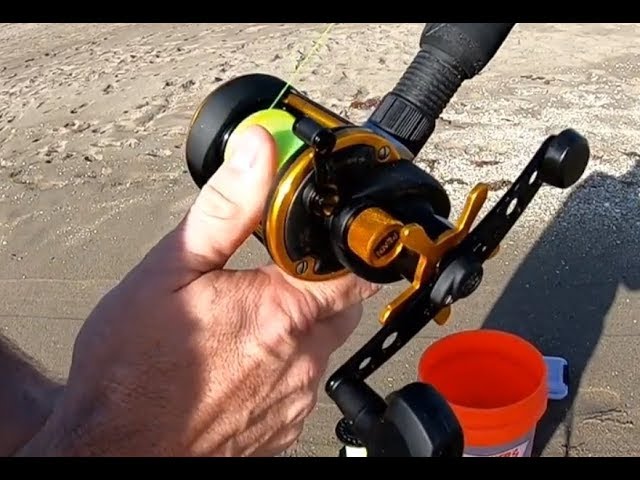
Start with 12-17 lb monofilament line and ½ to 1 oz lures. Too heavy or light can make casting difficult.
Credit: www.youtube.com
Setting Up Your Conventional Reel
Proper setup prevents frustration and helps you cast better.
Spooling The Line
- Attach the line to the spool using an arbor knot.
- Keep tension on the line as you wind it evenly.
- Fill the spool until it’s about ⅛ inch below the rim.
- Avoid overfilling, which causes backlash.
Adjusting The Brakes
Most reels have two systems:
- Spool tension knob: Fine-tunes how freely the spool spins.
- Braking system: Slows down the spool during the cast.
Set the spool tension so your lure falls slowly when you disengage the spool. For centrifugal brakes, start with all pins engaged. For magnetic brakes, set to medium.
Drag Setting
Set the drag by pulling the line with your hand. It should give way under steady pressure but not slip too easily. For most fishing, set drag to 25-30% of your line’s breaking strength.
The Mechanics Of Casting
Casting a conventional reel is all about timing, control, and practice. The basic motion is simple, but a few details make the difference between a perfect cast and a tangled mess.
The Overhead Cast
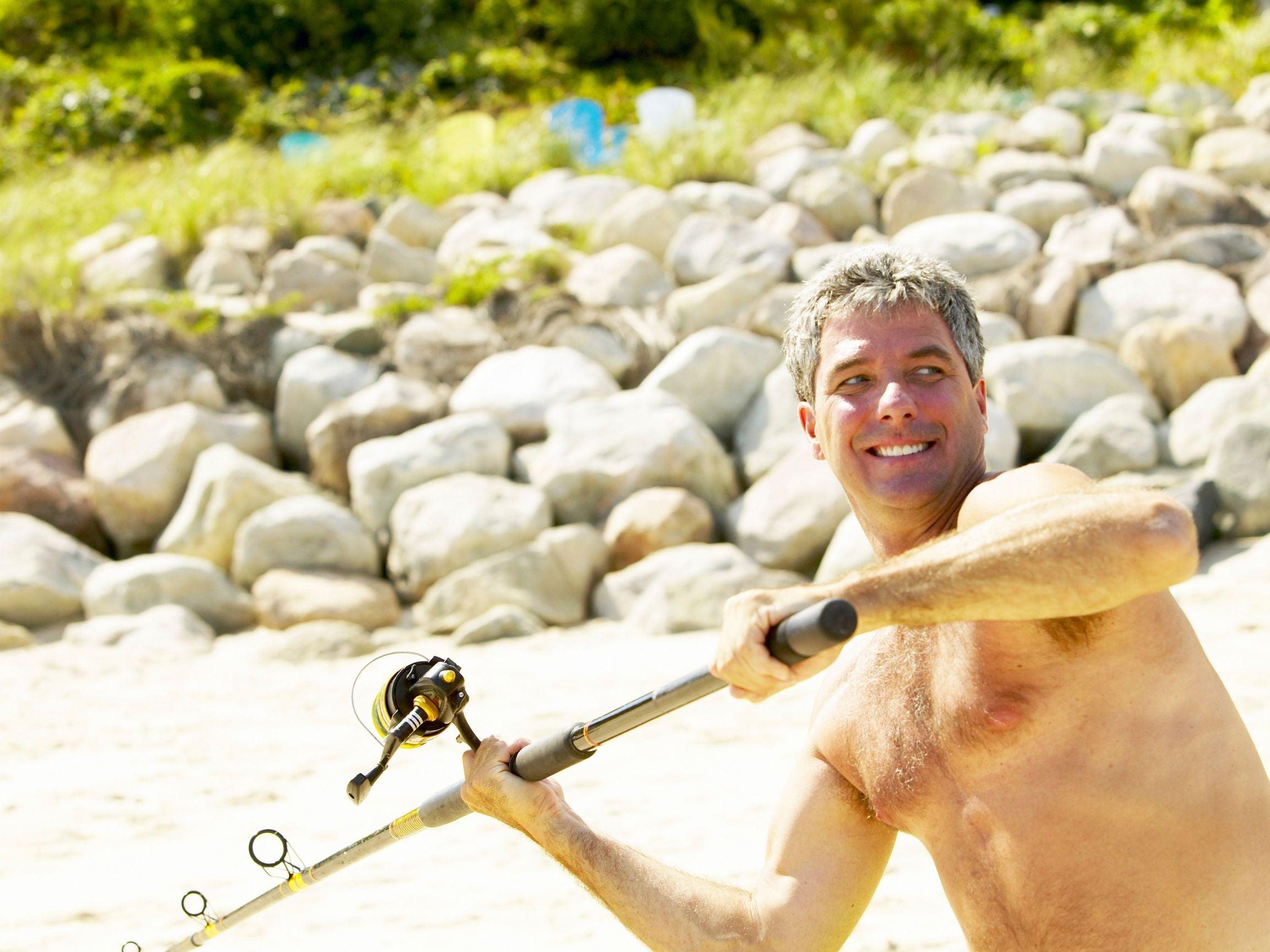
- Grip the rod: Hold with your dominant hand near the reel, thumb resting lightly on the spool.
- Release the spool: Press the thumb bar or lever to disengage.
- Position the rod: Point the rod tip over your shoulder, lure hanging 6–12 inches from the rod tip.
- Casting motion: Swing the rod forward smoothly. As the rod tip moves past your head, lift your thumb off the spool to let the line fly.
- Thumb control: As the lure approaches your target, gently press your thumb back on the spool to slow and stop it.
Sidearm And Pitch Casts
The sidearm cast is useful for low, accurate casts under overhanging trees. The pitch cast is popular for close-range, quiet presentations (like bass fishing). Both use the same spool control but different arm motions.
Timing And Thumb Pressure
The biggest challenge is controlling the spool with your thumb. Too little pressure and the line overruns, creating a backlash (bird’s nest). Too much, and your cast falls short.
A non-obvious tip: Watch the lure, not just your thumb. As the lure lands, apply thumb pressure before it hits the water. This prevents the spool from spinning after the lure stops.
Credit: www.reelcoquinafishing.com
Practice Drills For Beginners
Skill comes with repetition, but focused practice speeds learning.
Dry Land Practice
Tie a practice plug or rubber weight to your line. Mark targets in your yard at different distances. Try to cast gently, landing close to each mark. Focus on:
- Smooth acceleration, not force
- Consistent thumb release
- Stopping the spool cleanly
Wall And Target Drills
Set up a box or hoop as a target. Stand at varying distances and aim for accuracy. This improves muscle memory for real-life situations.
Spool Control Exercises
Practice letting the spool spin with the lure’s weight, then stopping it with your thumb. Try to make the lure land quietly, not with a splash.
Common Problems And How To Fix Them
Even experienced anglers sometimes struggle with casting issues. Here’s how to solve the most frequent problems.
Backlash (bird’s Nest)
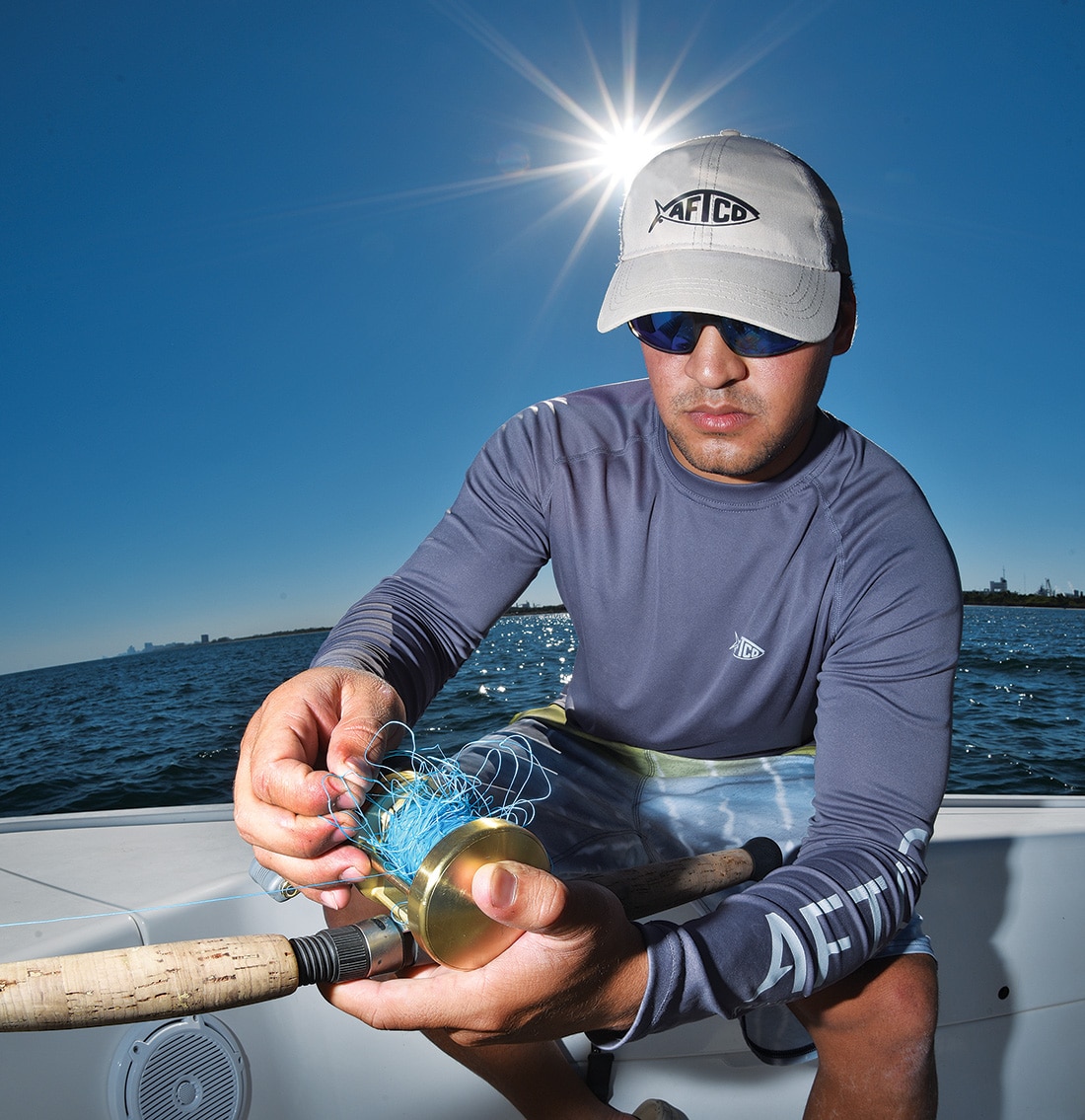
A backlash happens when the spool spins faster than the line leaves the reel. This creates a tangled mess.
- Solution: Adjust the spool tension tighter. Use more brake. Practice gentle, controlled casts. If a backlash occurs, pick out the tangle carefully without yanking.
Short Casts
If your lure isn’t reaching far, you may be releasing too late, using too much thumb pressure, or the brakes are set too high.
- Solution: Release the thumb earlier in the casting motion. Loosen the brakes slightly. Use a heavier lure.
Wild Or Off-target Casts
Poor aim can come from jerky motions or improper rod angle.
- Solution: Slow down your cast, focus on a smooth, straight motion. Keep your wrist firm and follow through toward your target.
Line Digging In
Thin braid can cut into itself on the spool, causing snags.
- Solution: Start with monofilament backing or use slightly thicker line. Avoid sudden, strong pulls when retrieving.
Advanced Casting Techniques
Once you master the basics, try these methods to handle challenging fishing spots or conditions.
Flipping
Used for precise, short-distance presentations. Let out a bit of line, swing the lure with the rod, and control the spool with your thumb. Good for heavy cover or boat fishing.
Pitching
Similar to flipping, but with a longer, low-trajectory cast. Hold the lure, swing it out, and release with a gentle snap. Keeps the lure close to the water and reduces splash.
Roll Casting
Makes casting under trees or docks easier. With the rod tip low, make a circular motion to swing the lure forward. Release the spool at the right moment for a flat, controlled cast.
Two-handed Power Cast
For maximum distance, use both hands and a longer rod. Load the rod with a big swing, release smoothly, and apply thumb control to avoid backlash.
Comparing Conventional Reels With Other Reel Types
Understanding the differences helps you choose the right tool for the job.
| Feature | Conventional Reel | Spinning Reel | Spincast Reel |
|---|---|---|---|
| Line Capacity | High | Medium | Low |
| Drag Strength | Strong | Moderate | Weak |
| Learning Curve | Steep | Easy | Very Easy |
| Best For | Big fish, heavy lures | Light to medium fishing | Kids, casual fishing |
Maintenance And Care For Your Reel
A well-maintained reel performs better and lasts longer.
After Each Trip
- Rinse with fresh water, especially after saltwater use.
- Dry with a soft cloth.
- Store in a cool, dry place.
Regular Lubrication
Apply reel oil to bearings and handle knobs, grease to gears. Don’t over-lubricate—excess can attract dirt.
Annual Deep Cleaning
Disassemble the reel following the manufacturer’s guide. Clean all parts with a soft brush and mild cleaner. Reassemble with fresh grease and oil.
Storing Line
Loosen the drag when storing to avoid compression. Replace line if it shows wear, nicks, or memory coils.
Real-world Examples And Tips
Example: Bass Fishing In Heavy Cover
Anglers targeting largemouth bass in weed beds use heavy braid on a medium-heavy conventional setup. They pitch jigs into holes, using thumb control to drop the lure quietly. This reduces spooking the fish and increases hook-ups.
Example: Trolling For Saltwater Species
For deep-sea trolling, a large conventional reel with a sturdy rod is standard. Anglers set the drag carefully, let out hundreds of yards of line, and control the fight with the reel’s power.
Two Non-obvious Insights
- Wearing a lightweight glove on your casting thumb can prevent blisters during long sessions. This is especially useful for beginners or when casting heavy lures repeatedly.
- Practicing with your non-dominant hand improves coordination and can help in situations where casting from the other side is necessary, such as windy conditions or limited space.
Table: Brake System Comparison
See how different braking systems affect your casting experience.
| Brake Type | Adjustment Method | Best For | Drawback |
|---|---|---|---|
| Magnetic | Dial knob | Beginners, windy days | Less precise at high speeds |
| Centrifugal | Internal pins | Experienced users | Harder to adjust on the water |
| Dual | Both | Versatility | Higher cost, complexity |
Tips For Improving Your Casting Accuracy
- Choose visible targets: Practice hitting objects like cones or floating markers.
- Vary your distances: Don’t always cast as far as possible. Try short, medium, and long casts.
- Film your practice: Use your phone to record your technique. Small tweaks can make a big difference.
- Check your posture: Stand with feet shoulder-width apart for balance.
- Relax your grip: Tension in your hand makes smooth casting harder.
Casting In Challenging Conditions
Windy Days
Casting into the wind increases backlash risk. Use heavier lures, increase brake settings, and keep your casts low and fast.
Nighttime
Visibility is low, so use audible or glowing targets for practice. Rely more on feel and muscle memory.
Around Obstacles
When fishing near docks, rocks, or brush, shorter, controlled casts reduce snags. Practice skipping lures or underhand pitching to reach tight spots.
Table: Line Types For Conventional Reels
Different lines behave differently on a conventional reel.
| Line Type | Stretch | Visibility | Best Use | Downside |
|---|---|---|---|---|
| Monofilament | High | Medium | General, beginners | Memory, weaker than braid |
| Braid | Low | High | Heavy cover, big fish | Backlash risk, cuts fingers |
| Fluorocarbon | Low | Low | Clear water, leaders | Stiff, costly |
Credit: www.sportfishingmag.com
Safety Precautions When Casting
- Check behind you: Always look before casting to avoid hooking someone.
- Wear sunglasses: Protect your eyes from flying hooks or weights.
- Keep gear organized: Loose tackle can create tripping hazards.
- Use barbless hooks for practice to reduce injury risk.
Environmental Responsibility
Be mindful of your surroundings:
- Collect all used line and tackle.
- Avoid casting near wildlife or swimmers.
- Respect fishing regulations and local rules.
Where To Learn More
Watching tutorial videos, joining fishing clubs, and reading detailed guides can help you improve. For more information on fishing techniques and gear, visit the Take Me Fishing site.
Frequently Asked Questions
What Is The Biggest Challenge For Beginners With Conventional Reels?
The hardest part is controlling the spool with your thumb. Without practice, the spool can spin too fast, causing backlash. Start with tight brakes and a heavier lure, and practice slowly to build confidence.
Can You Use A Conventional Reel For All Types Of Fishing?
Conventional reels excel at heavy-duty fishing, trolling, and big-game species. They’re not ideal for ultralight setups or finesse fishing, where spinning reels are better.
How Do I Fix A Backlash Quickly?
Stop the spool from spinning. Gently pull line from the tangle. Rock the handle back and forth to loosen knots. Never yank—this makes it worse. If needed, cut out tight tangles and re-tie.
What Is The Best Line For Beginners Using Conventional Reels?
Monofilament is best for learning. It stretches, is affordable, and is easier to untangle than braid. Start with 12-17 lb test.
How Often Should I Maintain My Conventional Reel?
Rinse after each trip, especially in saltwater. Lubricate moving parts monthly if used often. Deep-clean once a year or if the reel feels rough.
Casting a conventional fishing reel isn’t just about technique—it’s about patience, practice, and understanding your gear. With this knowledge, you’ll fish more effectively and enjoy every moment on the water. Keep practicing, stay safe, and soon you’ll cast like an expert.