
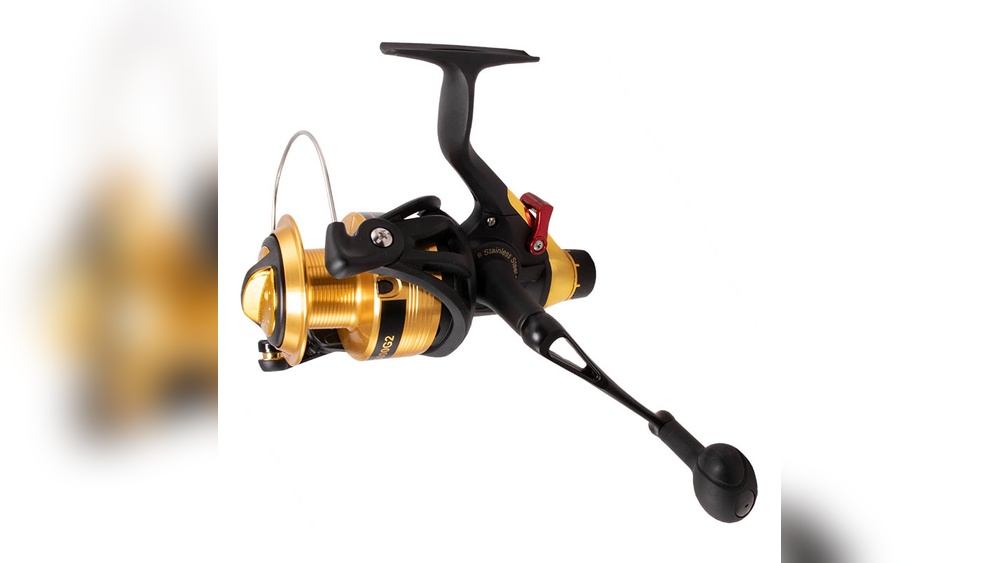
If you’re new to catfish fishing, picking the right spinning reel size can feel confusing. You see numbers like 3000, 4000, or 6000 on reels, but what do they really mean for your fishing? Some anglers say “bigger is better,” while others use surprisingly small reels and still land trophy catfish. The truth is, the best spinning reel size for catfish depends on a mix of factors—your target catfish species, the water you fish, your rod, the line you plan to use, and even your own experience level.
In this guide, you’ll learn exactly how to choose the right spinning reel size for catfish. I’ll break down the numbers, explain how they work, and give you clear examples for different catfish fishing styles. Whether you’re after channel cats on a local pond or chasing monster blues in a big river, you’ll leave with confidence about what reel size works best—and why.
You’ll also discover a few key details even many seasoned anglers overlook, so you can avoid the common mistakes that waste time and money.
Understanding Spinning Reel Sizes
Spinning reels come in a range of sizes, usually labeled with numbers like 1000, 2500, 4000, 6000, or even higher. These numbers aren’t standardized across all brands, but they give a good sense of the reel’s capacity and power. Generally:
- Smaller numbers (1000–3000): Lighter reels for small fish and light lines.
- Mid-range numbers (4000–5000): Good for medium-sized fish and heavier lines.
- Larger numbers (6000–10000+): Built for big fish and heavy-duty fishing.
But what do these sizes mean when you want to catch catfish? The answer depends on three main things: the species of catfish, the size of fish you’re targeting, and the fishing environment.
Catfish Species And Their Impact On Reel Size
Catfish come in many types, but three are most common for anglers in North America:
- Channel Catfish: Often 1–10 pounds, occasionally up to 20+ pounds.
- Blue Catfish: Commonly 10–50 pounds, with some reaching 100+ pounds.
- Flathead Catfish: Frequently 10–40 pounds, sometimes topping 80 pounds.
Each species grows to different sizes and lives in different waters. This means the right spinning reel size for channel cats is not the same as for trophy blues.
Channel Catfish
For channel cats, a spinning reel in the 3000–4000 size range is usually ideal. These reels are light enough for all-day casting, but have enough power for a surprise big fish. They handle 8–15 lb test line well, which is perfect for most channel cat fishing.
Blue Catfish
If you’re after blue catfish, especially on big rivers or lakes, you’ll need more strength. A 5000–6000 size spinning reel gives you:
- Higher line capacity for long runs
- Stronger drag system to handle heavy fish
- The ability to use 20–30 lb or heavier lines
Flathead Catfish
Flathead catfish are strong fighters and often live near heavy cover. A 5000–6000 size reel is again a smart choice. It lets you use heavier line (20–30 lb or more) and gives you the stopping power to keep fish out of snags.
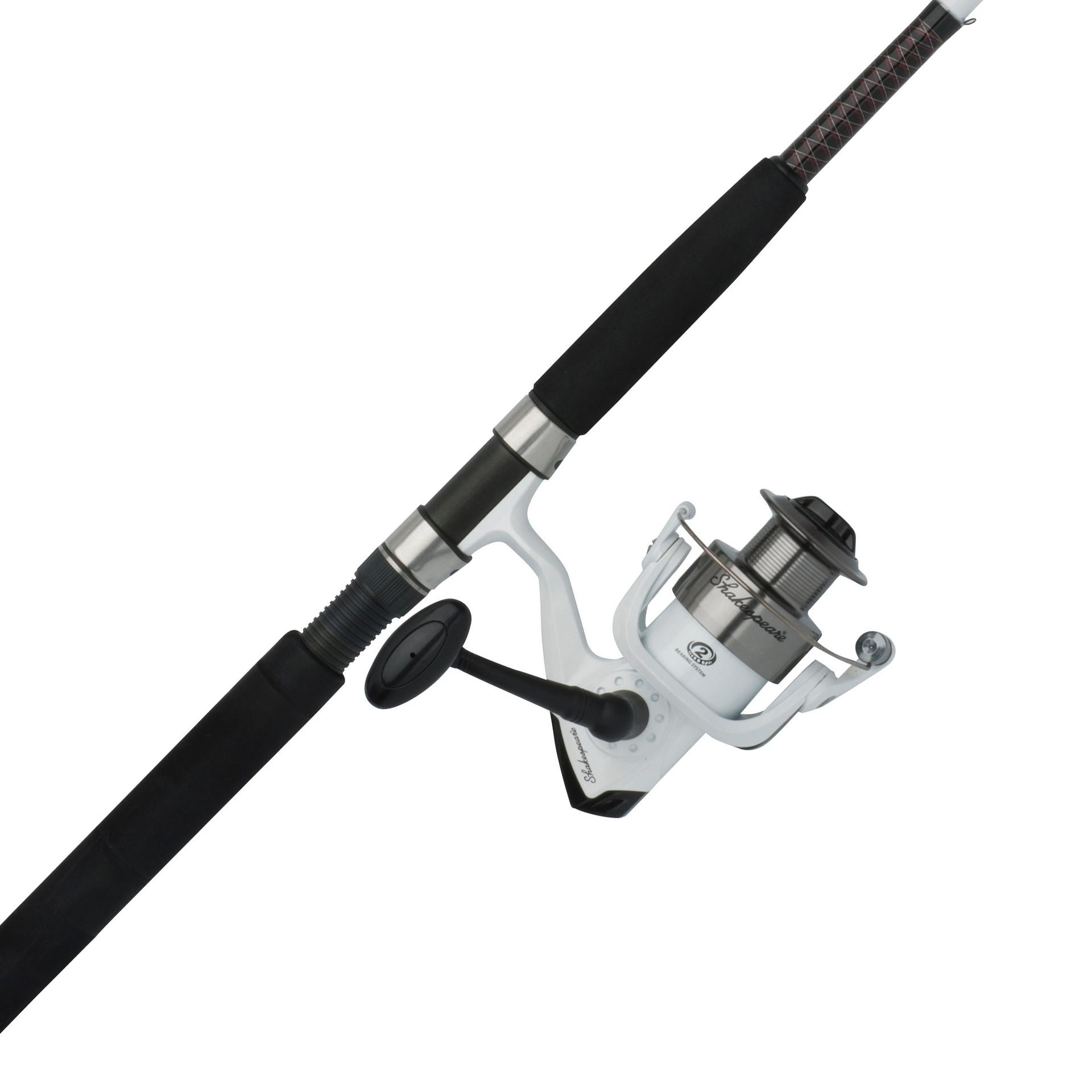
Insider tip: Some anglers try to use bass-sized reels (2000–2500) for catfish. While you might land smaller fish, you risk losing bigger cats or damaging your reel. It’s better to size up for catfish, especially if you fish strong currents or snaggy areas.
Credit: www.uglystik.com
Why Reel Size Matters For Catfishing
Choosing the right spinning reel size isn’t just about “big fish need big reels.” The size affects:
- Line capacity: Bigger reels hold more and thicker line.
- Drag strength: Larger reels have more powerful drag systems.
- Retrieve rate: Bigger spools pick up more line per turn, helpful with fast-moving catfish.
- Balance: The reel must match your rod for comfortable, accurate casting.
If your reel is too small, you might run out of line, break your drag, or tire out quickly. If it’s too big, you add unnecessary weight and lose casting accuracy for smaller fish.
Matching Reel Size To Catfish Techniques
Catfish anglers use different tactics, and each one places different demands on your reel.
Bank Fishing
When fishing from the shore, you often need to cast far and handle surprise big fish. A 4000–6000 size reel gives enough line capacity and power. If you fish small ponds for channel cats, you can go as low as 3000.
Boat Fishing
On a boat, you sometimes need less line capacity, but you may need more strength for big blues or flatheads. A 5000–7000 size spinning reel is common for big water catfishing.
Float Fishing Or Drifting
If you use floats or drift rigs, you want a reel that’s not too heavy but can handle strong runs. A 4000–5000 size is a good compromise.
Live Bait Or Cut Bait
These techniques can attract bigger fish, so err on the larger side. Many experienced catfish anglers use 5000–6000 size reels for both live and cut bait fishing.
Example Reel Size Applications
Here’s a quick reference for common catfish setups:
| Technique | Target Catfish | Recommended Reel Size | Line Type | Line Strength |
|---|---|---|---|---|
| Pond/Small Lake | Channel Cat | 3000–4000 | Mono/Braid | 8–15 lb |
| River Bank | Blue/Flathead Cat | 5000–6000 | Braid | 20–40 lb |
| Big Water Boat | Trophy Catfish | 6000–8000 | Braid | 30–65 lb |
How To Read Spinning Reel Size Numbers
Not all brands use the same numbers, but most follow a similar pattern. Here’s what you need to know:
- 1000–2500: Light reels, good for panfish, trout, or small catfish under 5 pounds.
- 3000–4000: Medium reels, work well for channel catfish and small flatheads.
- 5000–6000: Heavy reels, built for large blues, big flatheads, or fishing in tough environments.
- 7000+: Extra heavy, for trophy catfish, saltwater use, or heavy currents.
Pro tip: Always check the reel’s specs for line capacity and maximum drag. Some 4000-size reels hold more line or have stronger drags than others. Don’t just trust the number—look at the details.
Drag Power: The Overlooked Factor
Many anglers focus only on line capacity, but drag system strength is just as important. The drag is the part of the reel that lets line out smoothly when a fish pulls hard. If your drag is too weak, big catfish will snap your line or damage your reel.
- For channel catfish: Aim for a reel with at least 12–15 lbs of drag.
- For blue or flathead catfish: Look for reels with 20 lbs of drag or more.
If you use braided line, make sure the drag washers are high quality and can handle the extra pressure braid puts on reels.
Matching Your Reel To Your Rod
A well-balanced rod and reel setup makes fishing easier and helps you land more fish. Here’s how to match them:
- Light/Medium rods (6–7 feet): Pair with 3000–4000 reels for channel cats.
- Medium-Heavy rods (7–9 feet): Use 4000–6000 reels for bigger catfish.
- Heavy rods (9+ feet): Match with 6000–8000 reels for trophy cats or heavy current.
If your reel is too big for your rod, the setup will feel tip-heavy and awkward. If it’s too small, you risk breaking your gear.
Non-obvious insight: Many beginners forget that the weight of the reel can tire your wrist during long sessions. Try holding your rod and reel together before buying to check the balance.
Line Capacity: How Much Is Enough?
Catfish are famous for making long, powerful runs. You need enough line to handle these runs, plus extra in case you snag or need to re-tie.
- For channel cats in ponds: 100–150 yards of 10–15 lb mono or braid is usually plenty.
- For big river blues or flatheads: 200+ yards of 20–40 lb braid is a safer bet.
Most 4000–6000 size reels can handle these capacities. Always check the line rating on the reel spool before buying.
Braid Vs Monofilament For Catfish
Your line choice affects your reel size, too. Braided line is thinner for the same strength, so you can fit more on your reel. Monofilament is thicker but stretches, which can help absorb sudden runs.
- Braid: Lets you use a smaller reel for the same line strength, but can stress your drag.
- Mono: Takes up more space, so you might need a slightly larger reel.
Insider tip: Many experienced catfish anglers use braid for its strength and sensitivity, but keep a mono leader to reduce breakoffs.
Real-world Examples Of Reel Size Choices
Let’s look at some real setups that work for different catfish fishing situations.
Small Pond Channel Catfish
You want a light, comfortable setup. A 3000–4000 size reel, paired with 8–12 lb mono or 15 lb braid, on a medium rod (6–7 ft), is perfect. This combo handles most cats you’ll catch and is fun to use.
River Bank Blue Catfish
Here you need more power. A 5000–6000 size spinning reel with 30–50 lb braid and a medium-heavy rod (7–9 ft) gives you the strength and line capacity for big runs, heavy current, or snags.
Trophy Catfish From A Boat
For the biggest fish, you want a 7000–8000 size reel with 65 lb braid and a heavy rod (over 8 ft). This is overkill for small fish, but if you’re chasing records or fishing in fast water, you need the muscle.
Credit: www.in-fisherman.com
Comparing Popular Spinning Reel Sizes For Catfish
To help you visualize, here’s a comparison of three common spinning reel sizes used for catfish:
| Reel Size | Ideal For | Typical Line Capacity (Braid) | Max Drag (Approx.) | Common Use |
|---|---|---|---|---|
| 4000 | Channel Catfish | 200 yds / 20 lb | 15 lbs | Ponds, small rivers |
| 6000 | Blue/Flathead Catfish | 250 yds / 30 lb | 22 lbs | Big rivers, lakes |
| 8000 | Trophy Catfish | 300 yds / 65 lb | 30 lbs | Heavy current, trophy hunting |
Quick tip: If you’re unsure, err on the side of slightly bigger. You can always spool less line, but you can’t add capacity to a small reel.
Common Mistakes When Choosing Spinning Reel Size For Catfish
Many beginners make mistakes that cost them fish or money. Here’s what to watch out for:
- Going too small: A 2500-size reel might look tough but won’t last long with big catfish.
- Going too big: Huge reels (10,000+) are heavy, awkward, and can ruin the balance of your setup for most catfish.
- Ignoring drag strength: Some reels hold a lot of line but have weak drags—this leads to lost fish.
- Not matching rod and reel: A mismatch makes casting harder and can break your gear.
- Overlooking line type: Using thick mono on a small reel limits your casting distance and reduces line capacity.
Non-obvious insight: It’s better to have a slightly bigger reel with a smooth drag than a tiny reel with a rough drag. Catfish fight hard and will find any weakness in your gear.
Credit: www.reddit.com
Brands And Models To Consider
While this guide doesn’t favor specific brands, some models are popular among catfish anglers for their durability and value. Look for:
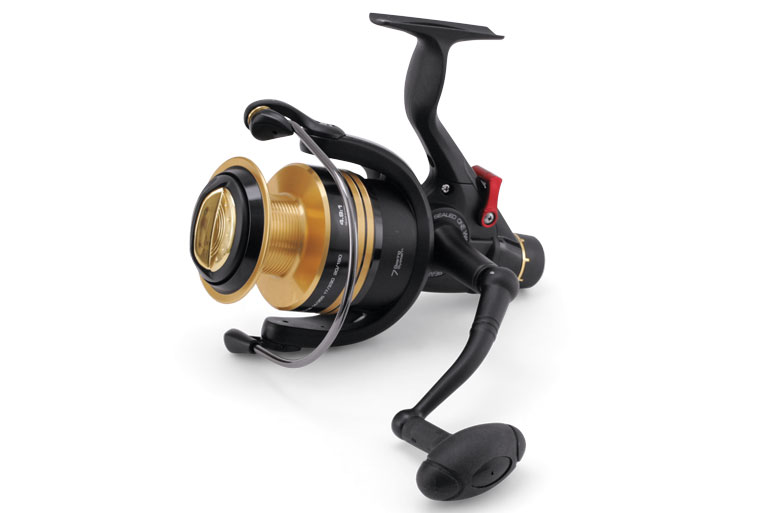
- Penn Battle III: Known for toughness and strong drags.
- Shimano Baitrunner series: Great for live bait fishing, has a secondary drag system.
- Daiwa BG: Affordable and strong, available in sizes up to 8000.
Always check reviews and make sure the reel matches your rod and target fish size.
For more details on spinning reel sizing, you can visit the Wikipedia Fishing Reel page.
Tips For Maintaining Your Catfish Spinning Reel
A good spinning reel is an investment. With proper care, it can last many years.
- Clean after each trip: Wipe down with a damp cloth, especially if fishing in muddy or sandy water.
- Lubricate gears: Use reel oil on moving parts every few trips.
- Check drag washers: Replace if they become sticky or worn.
- Store properly: Don’t leave the drag tightened; back it off to prevent flattening washers.
- Rinse after saltwater use: Even if you fish freshwater, catfish environments can be gritty.
When To Upgrade Your Reel Size
If you start catching bigger fish, or move to heavier current or deeper water, it’s time to consider a larger reel. Signs you need to upgrade:
- You’re running out of line on big runs.
- The drag slips or feels rough.
- The reel feels “flexy” or makes grinding noises under load.
- Your rod and reel feel unbalanced.
Don’t wait for a big fish to break your gear—upgrade before you lose the catch of a lifetime.
Frequently Asked Questions
What’s The Best Spinning Reel Size For Channel Catfish?
A 3000–4000 size spinning reel works well for channel catfish. It’s light enough for frequent casting but strong enough to handle fish up to about 20 pounds. Match with 8–15 lb line for best results.
Can I Use A 2500-size Spinning Reel For Catfish?
You can use a 2500-size reel for small channel cats in ponds, but it’s not recommended for bigger catfish or strong current. The line capacity and drag are often too low for safe, reliable catfishing.
What Size Spinning Reel Do I Need For Trophy Blue Or Flathead Catfish?
For trophy blues or flatheads (over 30 pounds), a 6000–8000 size spinning reel is best. These reels hold more line, have stronger drags, and are built for the stress of big fish in tough conditions.
Should I Use Braid Or Monofilament For Catfish?
Both work, but braid is popular because it’s stronger for its diameter and lets you fit more line on your reel. Many anglers use braid as their main line, with a short monofilament or fluorocarbon leader for abrasion resistance.
Does Reel Size Affect Casting Distance For Catfish?
Yes, reel size affects casting distance. Larger spools can help you cast farther, especially with heavier lines. But if the reel is too big for your rod or the fish you target, it can be uncomfortable. Match your reel size to your rod and fishing style for the best results.
The right spinning reel size makes catfish fishing more enjoyable and successful. With this guide, you now have the knowledge to choose confidently, avoid common mistakes, and focus on landing your next big cat. Happy fishing!